How to Clean Mold From a Dehumidifier
That damp, musty smell hitting you when you walk into the basement is a bad sign. It means mold is growing inside your dehumidifier. The machine you bought to stop mold is now hosting it.
Learning how to clean mold from a dehumidifier is the only way to fix that smell and keep the unit working properly.
The EPA recommends keeping indoor humidity between 30 and 50 percent to prevent mold growth. That is exactly what a dehumidifier does. But when the unit itself gets contaminated, it stops helping and starts hurting.
The good news is that cleaning it is straightforward. You just need the right method and a little patience.
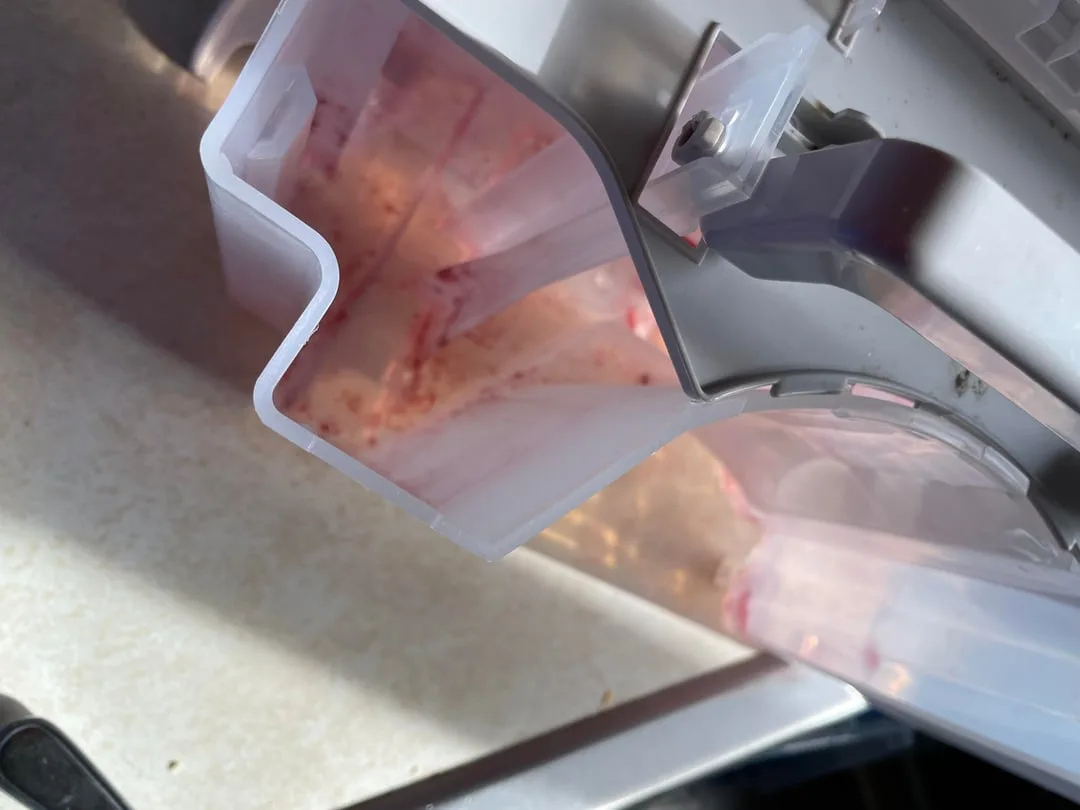
Image source: Bing (Web (fair-use with source credit))
Quick Answer
Unplug the dehumidifier. Remove the water tank and filter. Wash the tank with warm soapy water and white vinegar.
Soak the filter if it is washable. Spray the coils with a 50/50 vinegar and water mix. Let it sit for 15 minutes.
Rinse everything. Dry all parts completely before reassembly. Never use bleach on the coils.
Before You Clean: Unplug, Assess the Mold, and Gather the Right Supplies
Unplug the unit before you touch anything. Water and electricity do not mix. You will be working with both.
Take a close look at the mold. Where is it? Is it just in the water tank, or has it spread to the filter and coils?
The answer changes your approach. Mold in the tank is easy to fix. Mold deep inside the fan housing is a bigger problem.
Here is what you will need:
| Tool / Material | Purpose |
|---|---|
| White vinegar | Kills mold without damaging coils |
| Hydrogen peroxide (3%) | Alternative for stubborn spots |
| Soft-bristle brush | Gently clean coils without bending fins |
| Microfiber cloths | Wipe surfaces without leaving lint |
| Cotton swabs | Reach tight corners and crevices |
| Dish soap | Break down grime and biofilm |
| Rubber gloves | Protect your skin from mold and cleaners |
| N95 mask or dust mask | Avoid breathing in mold spores |
| Screwdriver | Access internal components if needed |
The CDC advises wearing gloves and a mask when cleaning mold indoors. Mold spores can irritate your lungs and skin. Better safe than sorry.
Step-by-Step: Cleaning the Tank, Filter, Coils, and Fan Like a Pro
Follow these steps in order. Do not skip ahead.
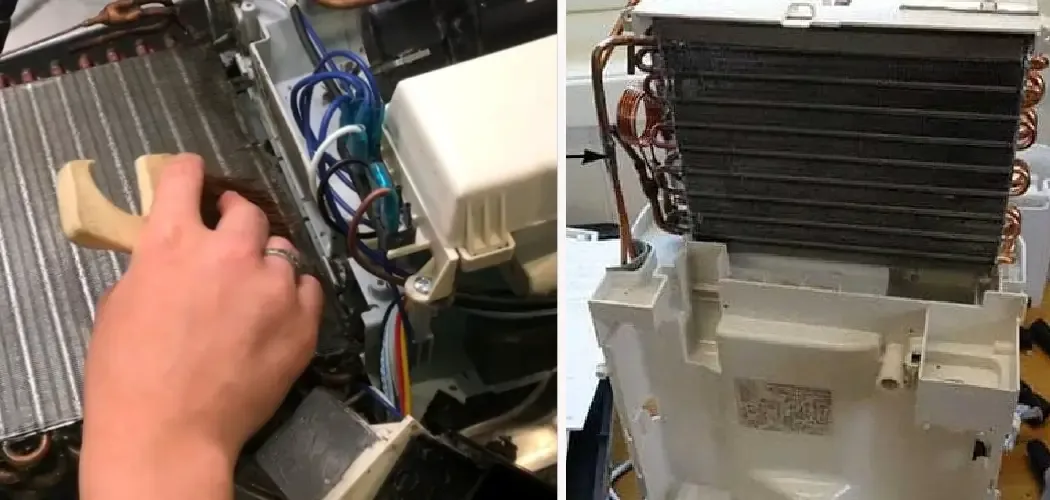
Image source: Bing (Web (fair-use with source credit))
Step 1: Remove and clean the water tank.
Empty the tank. Fill it with warm water and a few tablespoons of dish soap. Add half a cup of white vinegar.
Swish it around. Let it soak for 15 to 30 minutes. Scrub the interior with a soft cloth.
Rinse thoroughly. Dry with a clean towel.
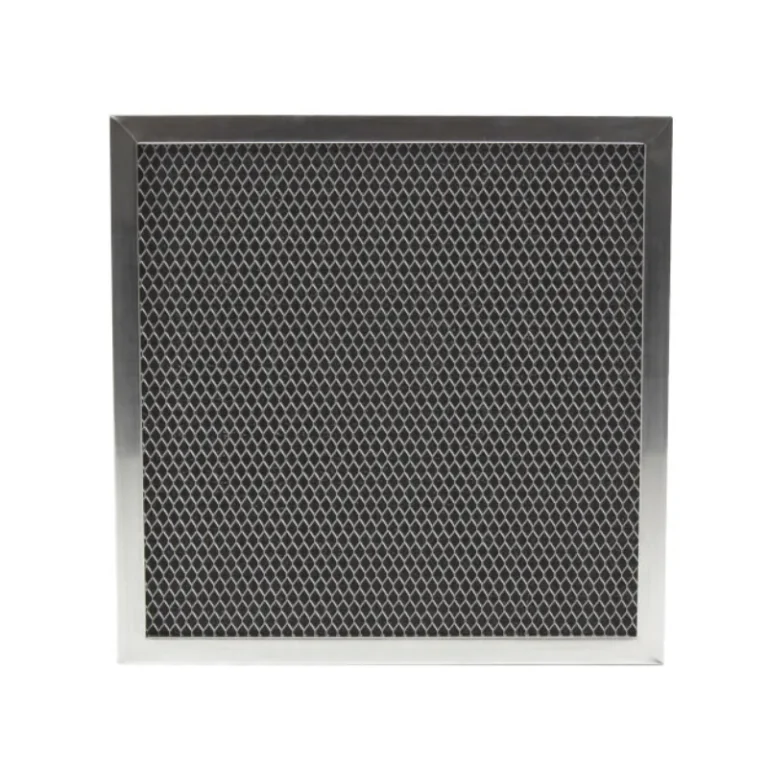
Step 2: Clean or replace the air filter.
Remove the filter. Check your manual. Some filters are washable.
Others are disposable. If it is washable, rinse it under warm running water. Use a soft brush to dislodge trapped dust and mold.
Reinstall only when completely dry.
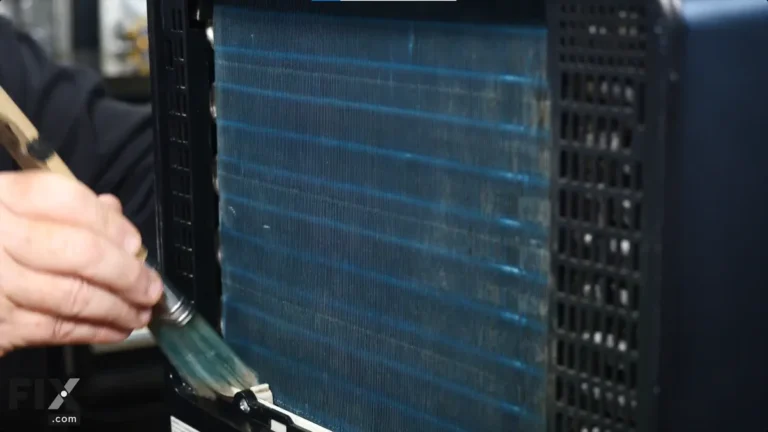
Step 3: Spray and clean the coils.
Mix equal parts white vinegar and water in a spray bottle. Spray the coils generously. Do not drench the electronics.
Let the solution sit for 15 minutes. It will break down mold and mildew. Wipe the coils gently with a soft cloth or brush.
Work in the direction of the fins. Do not bend them.
Step 4: Clean the fan and drain line.
If you can access the fan blade, use a cotton swab dipped in vinegar to clean the edges. For the drain line, pour a mixture of vinegar and water through the hose. Let it sit.
Then flush with clean water.
Step 5: Dry everything and reassemble.
This step is critical. Mold thrives on moisture. If you reassemble a wet unit, it will grow back fast.
Let all parts air dry for at least an hour. Wipe down the interior housing with a dry cloth. Reinstall the filter and tank.
Plug it back in.
Where the Mold Hides: How to Decide What Needs Cleaning vs Replacing
Not every part of your dehumidifier can be saved. Mold in certain areas signals deeper damage. Here is how to decide.
Water tank: Clean it. Mold in the tank is normal. It lives in a dark, damp environment. A 15-minute soak with vinegar and dish soap will kill it.
If the tank is cracked or has a permanent smell, replace it.
Air filter: Clean or replace it. Washable foam filters can be cleaned. Disposable paper filters cannot. If the filter is covered in black mold, replace it.
Do not try to clean a disposable filter. It will fall apart.
Coils: Clean them. Mold on the coils is common. The vinegar solution works well. But if the coils are heavily corroded or the fins are crushed, the unit will not perform well.
That might mean a new dehumidifier is in order.
Fan and internal housing: Assess carefully. If you see mold inside the fan housing, it is hard to reach. Try using a cotton swab or a small brush. But if the mold is extensive, the unit is compromised.
Mold spores will keep blowing into your room. Replacement is the better option.
Drain hose: Clean or replace it. A clear plastic drain hose can develop slime inside. Run a solution of vinegar and water through it. If the hose is black and slimy, replace it.
It is cheap and easy to swap.
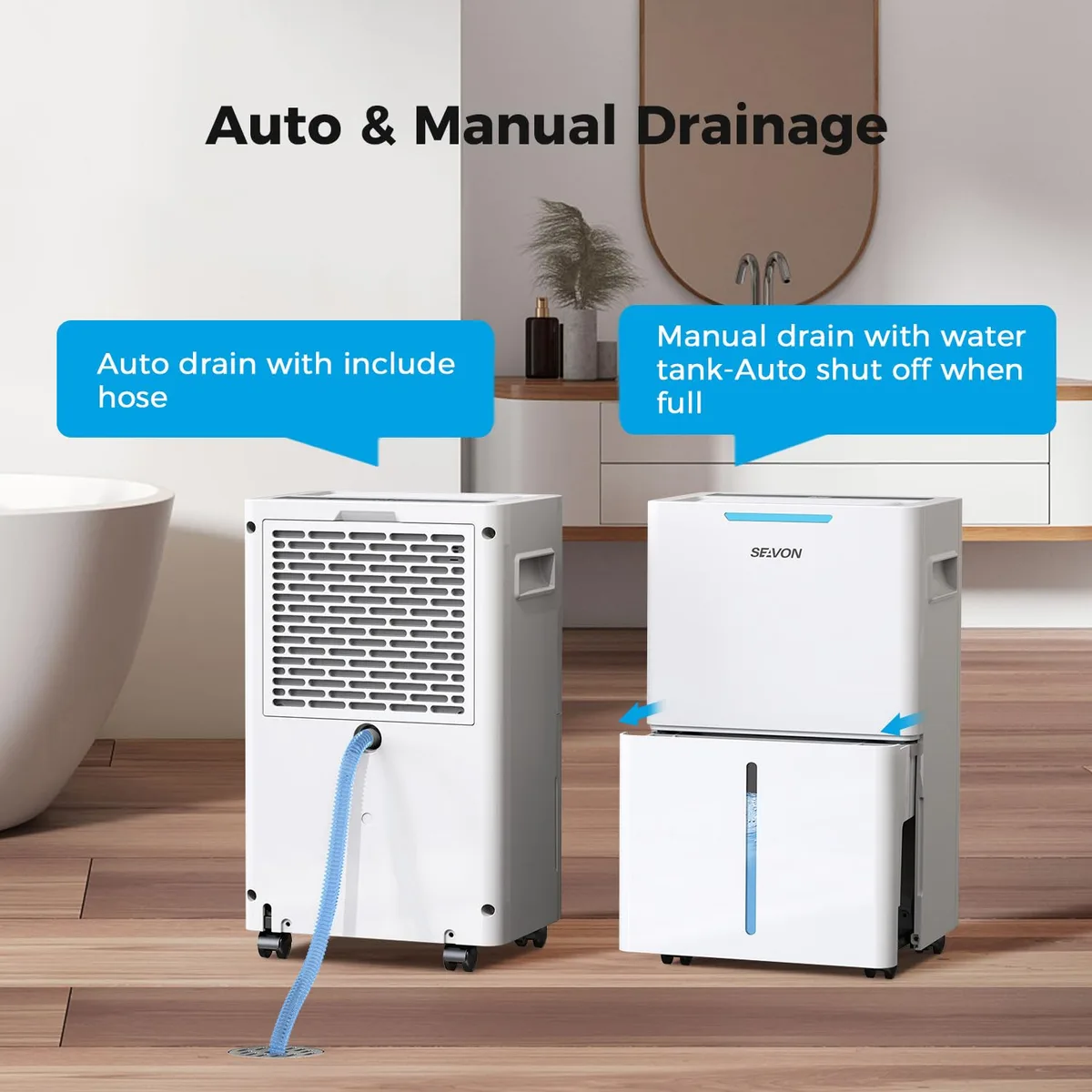
Image source: Bing (Web (fair-use with source credit))
Common Mistakes That Ruin Dehumidifiers (and Why Bleach Is a Gamble)
Using bleach on the coils. Bleach is corrosive to aluminum. Dehumidifier coils are almost always aluminum. Bleach will eat through the protective coating.
It will cause pitting and leaks. Stick to vinegar or hydrogen peroxide.
Forgetting to unplug the unit. This should be obvious, but it happens. Water inside a plugged-in dehumidifier creates a shock hazard. Always unplug first.
Only cleaning the water tank. The tank is the most visible part. But mold lives in the filter, coils, and drain line. If you only clean the tank, the mold will return.
You have to clean the entire airflow path.
Using a stiff brush on the coils. Coil fins are delicate. They bend easily. A bent fin blocks airflow.
Use a soft brush or a compressed air duster. Work gently.
Reassembling wet parts. Mold needs moisture to grow. If you put a damp filter or tank back in, you are giving mold a fresh start. Dry everything with a towel.
Let it air dry for an hour.
Skipping the drain line. The drain hose is a hidden breeding ground. Slime and mold build up inside. If you use continuous drainage, clean the hose every month.
A clogged hose causes water to back up into the unit.
Keeping Mold Away: A Maintenance Schedule That Actually Works
Cleaning once is not enough. Mold will come back if you do not stay on top of maintenance. The key is a regular schedule that matches how often you use the unit.
Weekly tasks (heavy use): Empty and dry the water tank. Wipe the interior with a dry cloth. Check for standing water or slime.
If you notice any, do a quick vinegar rinse.
Monthly tasks: Remove and clean the air filter. Inspect the coils for dust or mold. Run a vinegar and water solution through the drain line.
Check the hose for clogs or buildup.
| Frequency | Task | Time Needed |
|---|---|---|
| Weekly | Empty tank, dry interior | 5 minutes |
| Monthly | Clean filter, inspect coils, flush drain line | 15 minutes |
| Quarterly | Full deep clean (tank, filter, coils, fan, drain) | 45 minutes |
| Annually | Replace disposable filter, inspect hoses, check for corrosion | 30 minutes |
Seasonal adjustments matter. If you run the dehumidifier 24/7 during summer, clean it more often. In winter, when humidity drops, you can stretch the interval. The EPA confirms that keeping humidity below 60 percent prevents most mold growth.
Your dehumidifier is part of that system.
Frequently Asked Questions
Why does my dehumidifier smell like mildew even after cleaning?
You likely missed the drain line or the fan housing. Mold hides in these areas. Clean the drain hose with vinegar and water.
Use a cotton swab for the fan blade. If the smell persists, the internal foam insulation may be contaminated. That requires disassembly or replacement.
Can I use bleach to clean the water tank?
Yes, but only on the water tank. Do not let bleach touch the coils. Bleach is corrosive to aluminum.
Use a diluted bleach solution (one part bleach to ten parts water) for the tank. Rinse thoroughly. For the coils and filter, stick to white vinegar or hydrogen peroxide.
How often should I clean my dehumidifier to prevent mold?
Clean the tank and filter every two to four weeks during peak use. Do a full deep clean every three months. If you live in a very humid climate or run the unit constantly, increase the frequency to every two weeks.
Regular maintenance is the only way to stop mold from returning.
Why does mold keep coming back in my dehumidifier?
Three common reasons. You are not drying all parts before reassembly. You are only cleaning the tank and ignoring the coils and drain line.
Or your home humidity is too high, overworking the unit. Check your humidity levels. If they stay above 60 percent, the dehumidifier cannot keep up.
Is it safe to run a dehumidifier with mold inside?
No. Running a moldy dehumidifier blows spores into the air. That worsens indoor air quality and can trigger allergies or asthma.
The EPA recommends cleaning mold immediately. If the mold is extensive inside the unit, replace it rather than risk breathing contaminated air.
When should I replace my dehumidifier instead of cleaning it?
Replace it if the coils are corroded, the fan housing has heavy mold growth, or the unit is over five years old. Also replace it if the tank is cracked or the motor is noisy. A new unit will be more efficient and safer than a deeply contaminated one.
Final Verdict: When Cleaning Isn't Enough and It Is Time for a New Unit
Most dehumidifiers can be saved with a good cleaning. But some situations call for a replacement. The CDC warns that mold inside HVAC equipment can spread spores throughout your home.
The same applies to dehumidifiers.
Signs you need a new unit:
- Mold inside the fan housing you cannot fully reach.
- Coils that are pitted, corroded, or leaking refrigerant.
- A cracked water tank that cannot seal properly.
- Persistent musty smell after a thorough deep clean.
- The unit is more than five years old and losing efficiency.
If you are in the market for a replacement, focus on features that resist mold growth. Look for units with antimicrobial coil coatings, washable filters, and easy-access drain lines. Some newer models have self-cleaning modes that cycle water through the system to prevent biofilm buildup.
Your dehumidifier is supposed to make your home healthier. When it stops doing that, it is time to let it go. A clean unit running at peak efficiency keeps your indoor air dry and fresh.
Follow the maintenance schedule. Clean the right way. And do not hesitate to replace it when the mold has won.