How to Lower Humidity in a Room Quickly
The air in your room feels thick, sticky, and uncomfortable. You're probably wondering how to lower humidity in a room quickly, and the answer isn't always the same. The fastest fix depends entirely on why the humidity is high in the first place.
That's what we're going to sort out together.
The Environmental Protection Agency recommends keeping indoor relative humidity between 30% and 50%. Staying inside that range helps prevent mold, dust mites, and that clammy feeling. So what's the quickest way to get there?
It depends on your situation.
Quick Answer
Ventilate the room by opening a window or running an exhaust fan. If outdoor air is humid, use a dehumidifier instead. Set the target humidity to 45% to 50% for the fastest results.
Check the reading with a hygrometer to confirm the drop.
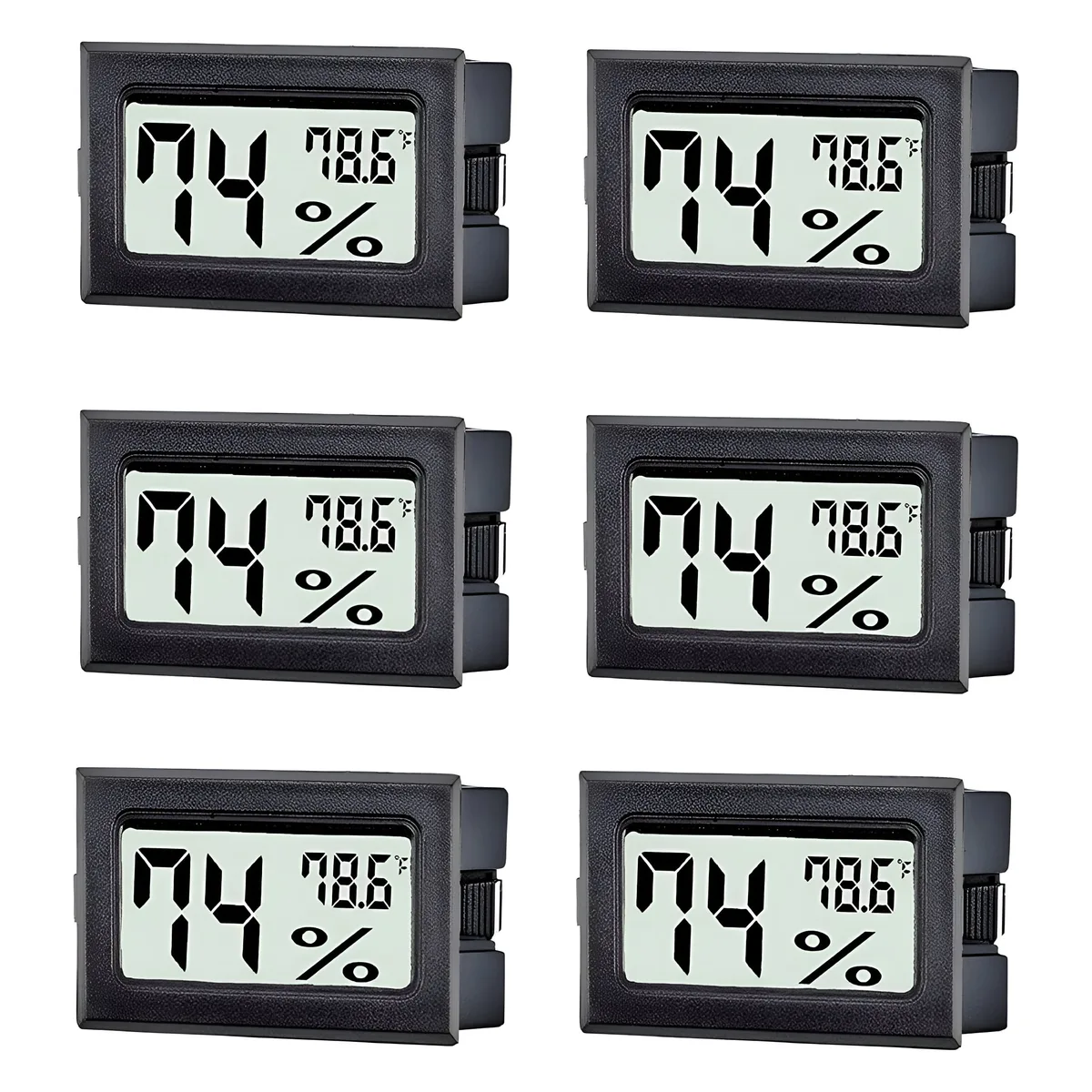
Image source: Bing (Web (fair-use with source credit))
The Quick Fix That Actually Works (Hint: It Depends)
There's no single magic trick that works for every room. The fastest way to drop humidity changes based on the source of the moisture, the outdoor conditions, and the size of the space.
If the humidity spiked from a hot shower, an exhaust fan works in minutes. If the room feels damp because it's raining outside, opening a window will make things worse. You need a dehumidifier or air conditioner instead.
If the air is just stagnant and humid from daily living, a ceiling fan or box fan can help. But it only moves the air around. It doesn't actually remove the moisture.
The key is to match the method to the moment. Our research shows that most people reach for a dehumidifier first, even when a simple exhaust fan would do the job faster and cheaper.
Why Your First Move Matters More Than Your Equipment
The equipment you choose matters, but your first move matters more. If you don't address the source of the humidity first, you're just fighting a losing battle.
Take a look at the most common sources of indoor humidity and the quickest fix for each.
| Source of Humidity | Fastest Quick Fix | Why It Works |
|---|---|---|
| Hot shower or bath | Run the exhaust fan during and 15 minutes after | Removes steam at the source before it spreads |
| Cooking (boiling water) | Use the range hood or open a window | Captures steam directly from the pot |
| Wet laundry drying indoors | Move laundry outside or use a dehumidifier | Wet clothes release gallons of moisture into the air |
| Rainy day with closed windows | Use a portable dehumidifier | Outdoor air is more humid than indoor air |
| Leaky pipe or flood | Fix the leak first, then use a dehumidifier | Removing the source stops new moisture from entering |
The mistake people make is skipping the first step. They plug in a dehumidifier and let it run for hours while steam from a shower fills the room. That's like trying to dry a wet floor while the faucet is still running.
Identifying the source takes 30 seconds. It's the most important step in the whole process. If you're dealing with a consistently damp basement, you might need a larger 50-pint unit.
Quick Decision Guide: Pick Your Situation, Find Your Fix
Here's where the decision tree comes in. Look at the situation that matches yours and follow the path.
Situation 1: Steam from a shower or bath
Turn on the exhaust fan immediately. Leave it running for at least 15 minutes after you finish. If you don't have a fan, open the window a few inches.
Keep the bathroom door closed while you shower. This traps the steam in a small space where the fan can handle it.
Situation 2: Humidity from cooking
Use the range hood on high while you cook. If you don't have a range hood, crack a window in the kitchen. Put a lid on pots and pans.
This reduces the amount of steam that escapes into the air. For stubborn kitchen humidity, a compact unit for the bedroom can also help.
Situation 3: Dampness from rain or outdoor humidity
Keep the windows closed. Use a dehumidifier or an air conditioner. Both remove moisture from the air.
An air conditioner also cools the room, which is a bonus in summer. If the room is large, you might need a high-capacity 70-pint model to keep up.
Situation 4: Stagnant, stuffy air
A ceiling fan or box fan can help. But it only moves the air. It doesn't remove moisture.
If the humidity reading is above 50%, you still need a dehumidifier or ventilation. The fan just makes the air feel cooler and less sticky.
Situation 5: Flooded basement or water damage
Call a professional if the water is significant. For minor flooding, use a dehumidifier designed for water damage. Set it to run continuously.
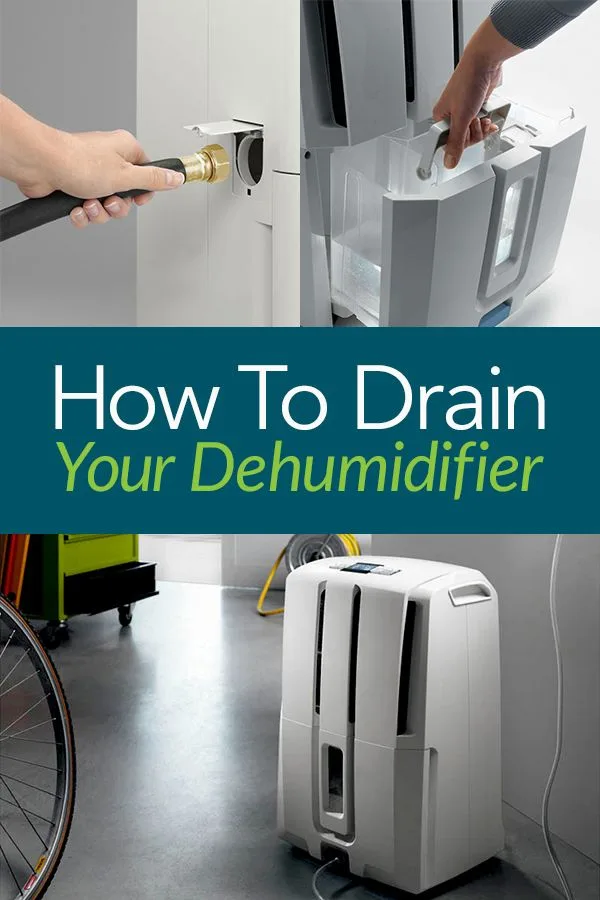
Empty the tank frequently or use a hose for continuous drainage.
How to Use a Dehumidifier (The Right Way)
A dehumidifier is the most effective tool for lowering humidity in a room quickly. But only if you use it correctly.
Placement matters
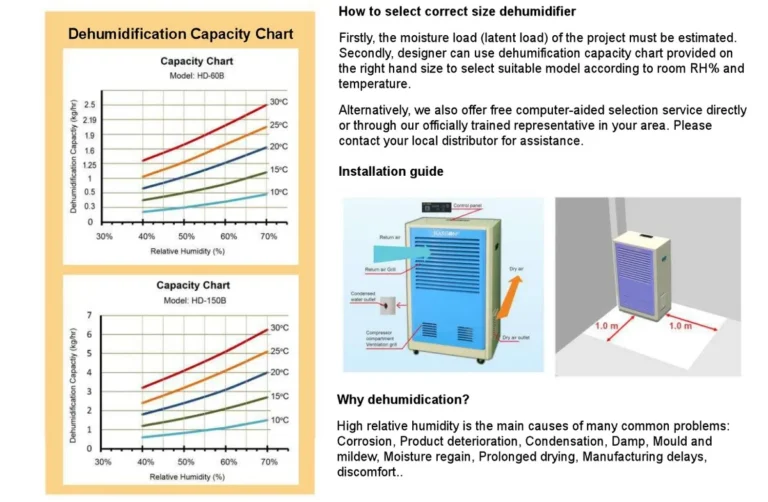
Put the dehumidifier in the center of the room. Keep it at least six inches away from walls and furniture. This allows air to circulate freely around the unit.
If you place it in a corner, it pulls air from only one direction. The whole room takes longer to dry.
Set the right target
Most dehumidifiers have a dial or digital display. Set it to 45% to 50% relative humidity. This is the sweet spot for comfort and mold prevention.
If you set it lower than 30%, the unit runs constantly and wastes energy. If you set it above 60%, it won't do much good.
Most portable dehumidifiers sold as of 2026 meet Energy Star efficiency standards.
Empty the tank regularly
A full tank stops the dehumidifier from working. If you're running it for hours, check the tank every few hours. Some models have a continuous drain option.
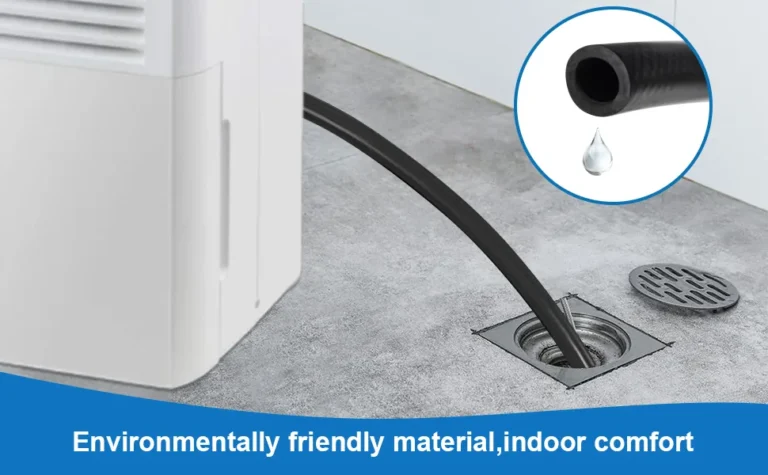
You can attach a garden hose and let it drain into a floor drain or sink. This is a huge convenience for long-term use.
Clean the filter
A dirty filter reduces airflow and efficiency. Clean the filter every two weeks during heavy use. Most filters are washable.
Just rinse them with water and let them dry completely before putting them back. A clean filter makes a noticeable difference in performance.

Image source: Bing (Web (fair-use with source credit))
If you plan to run it in every season, year-round models are built to handle changing conditions efficiently.
How to Use an Exhaust Fan or Open Windows (The Right Way)
Ventilation is the fastest way to reduce humidity when outdoor air is drier than indoor air. But it's not always the right choice.
When to use an exhaust fan
Exhaust fans are best for small, enclosed spaces. Bathrooms, kitchens, and laundry rooms are the most common. The fan pulls humid air out of the room and vents it outside.
It works best when the room is small and the fan is powerful enough.
A bathroom fan should have a rating of at least 50 CFM (cubic feet per minute). For larger bathrooms, 80 to 110 CFM is better. Run the fan during the activity and for 15 to 20 minutes after.
This clears the moisture before it settles on walls and surfaces.
When to open windows
Open windows only when the outdoor humidity is lower than the indoor humidity. Check a weather app or use a hygrometer. If it's 90% humidity outside and 60% inside, opening the window will make the room more humid.
When conditions are right, open windows on opposite sides of the room. This creates cross-ventilation. The air moves through the room faster and carries moisture out with it.
A box fan in one window pointing outward can help pull air through the room.
When to avoid both
Do not use an exhaust fan or open windows if the outdoor air is humid. This includes rainy days, foggy mornings, and humid summer evenings. In these cases, the fan or open window pulls humid air into the room.
You end up making the problem worse.
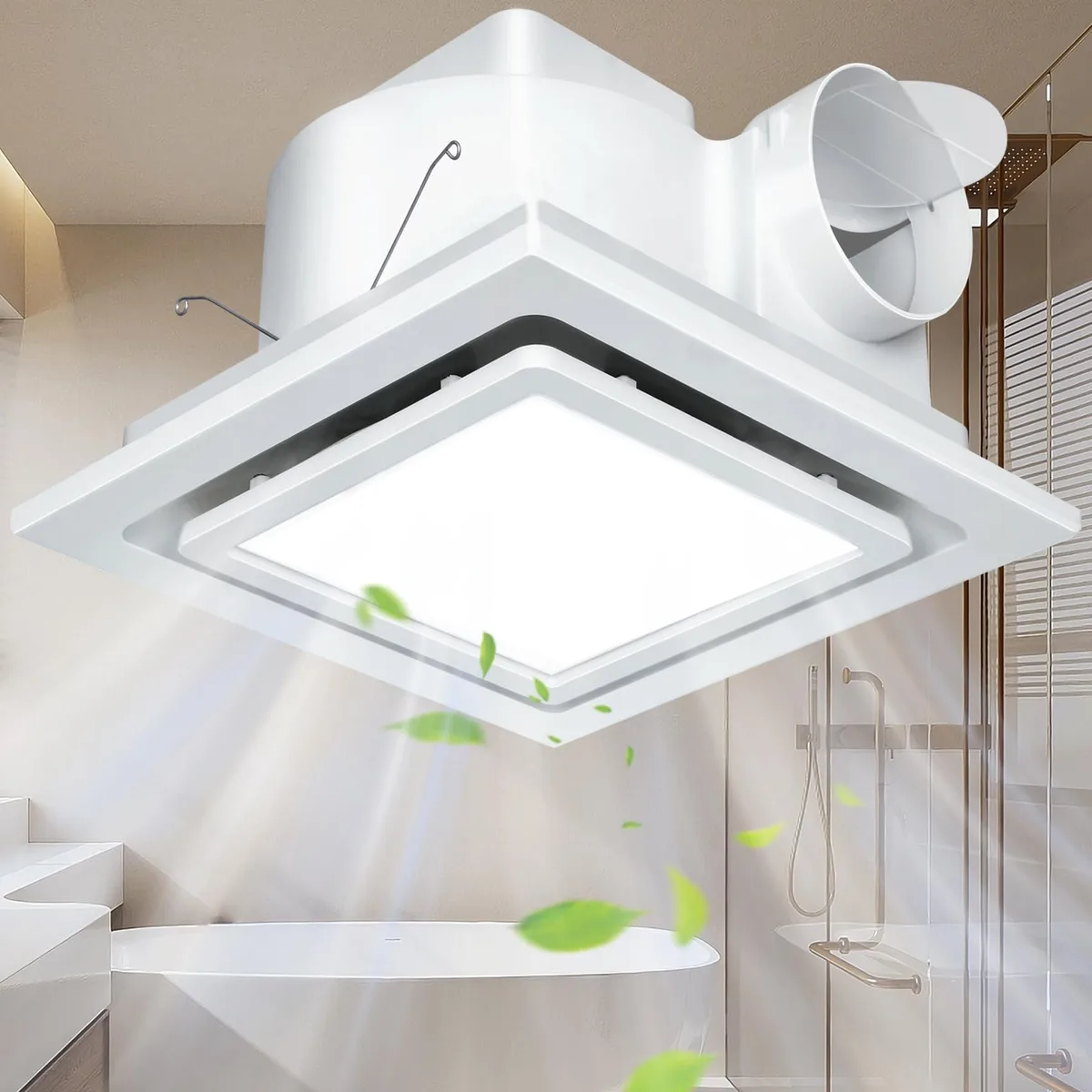
Image source: Bing (Web (fair-use with source credit))
If you're on a budget, a simple exhaust fan or open window is often the cheapest solution. But for persistent humidity, a dedicated dehumidifier is a better investment.
Don't Make These 4 Mistakes (They'll Make Humidity Worse)
Some well-intentioned fixes actually backfire. Here are the most common mistakes people make when trying to lower humidity quickly.
Mistake 1: Opening windows when outdoor humidity is higher
This is the biggest one. Check the outdoor humidity before you crack a window. If it's raining or foggy, outdoor air is likely more humid than your indoor air.
You'll pull moisture right into the room. A quick check on a weather app takes five seconds.
Mistake 2: Running a fan without removing moisture
A ceiling fan or box fan moves air around. That can make the room feel cooler and less sticky. But it does not remove water vapor.
If the humidity reading stays above 50%, you need a dehumidifier or ventilation. The fan just masks the problem.
Mistake 3: Using a dehumidifier that's too small for the room
A 20-pint dehumidifier works well for a small bedroom. Put it in a 1500-square-foot basement and it will run constantly. It will never catch up.
The result is higher energy bills and a room that still feels damp. Match the unit size to the room size. We see undersizing as the most common purchasing mistake.
Value-priced units often have enough capacity for medium rooms without the premium price.
Mistake 4: Ignoring the water tank
A dehumidifier stops removing moisture when the tank is full. If you leave it running overnight, it might fill up in two hours and sit idle for the rest of the night. The room never dries out.
Use the continuous drain option if your space allows it. Or set a reminder to empty the tank.
Real-Life Scenarios: What Works (and What Doesn't)
Let's look at a few common situations and see how each fix performs.
Scenario 1: The bathroom after a hot shower
You take a 10-minute shower. The mirror is fogged. The walls are wet.
Humidity hits 90%. The exhaust fan is the hero here. It pulls steam directly outside.
Within 15 minutes of running the fan, humidity drops to 50%. Opening the window also works if outdoor air is dry. But if it's humid outside, the fan is the only fast option.
Scenario 2: The basement during a rainy week
The basement stays around 70% humidity for days. The air feels damp. Opening a window is useless because the rain keeps outdoor humidity high.
A portable dehumidifier is the right call. Set it to 45% and let it run. It will pull several pints of water from the air each day.
You'll need to empty the tank regularly. For a large basement, a basement-specific pick is usually the right size.
Scenario 3: The kitchen while boiling pasta
You're cooking dinner. Steam rises from the pot. The kitchen feels like a sauna.
The range hood is the fastest fix. Turn it on high and leave it running for 10 minutes after you finish. If you don't have a range hood, crack a window and put a lid on the pot.
The lid alone reduces steam by more than half.
Scenario 4: The bedroom on a humid summer night
The room feels sticky. You can't sleep. The humidity reading is 65%.
Opening the window makes it worse because the outdoor air is just as humid. A portable air conditioner or dehumidifier works best. Set it to 50% and close the door.
The room will feel noticeably drier within an hour. A compact 20-pint dehumidifier is often enough for a standard bedroom.
Frequently Asked Questions
How long does it take to lower humidity in a room?
It depends on the method and the room size. An exhaust fan can lower humidity in a bathroom within 15 minutes. A dehumidifier in a medium bedroom typically takes 1 to 2 hours to drop from 70% to 50%.
Larger rooms take longer.
Can I use table salt to dehumidify a room?
Salt absorbs moisture from the air, but it's not practical for a whole room. You would need a large amount of salt to make a noticeable difference. It works better for small enclosed spaces like closets.
A dedicated dehumidifier is far more effective.
What is the ideal humidity level for a bedroom?
The Environmental Protection Agency recommends keeping indoor relative humidity between 30% and 50%. For sleeping, most people find 40% to 50% comfortable. Levels above 60% can promote mold growth and dust mites.
Does running the air conditioner lower humidity?
Yes, air conditioners remove moisture as they cool the air. They pull water vapor out of the air and drain it outside. In humid summer weather, running the AC is an effective way to lower humidity.
It also cools the room.
Should I open windows after a shower?
Only if the outdoor humidity is lower than indoor humidity. Check a weather app or use a hygrometer. If outdoor humidity is 60% and indoor is 80%, opening the window helps.
If outdoor humidity is 90%, keep the window closed and use the exhaust fan instead.
How often should I empty a dehumidifier tank?
It depends on the unit size and the humidity level. A 50-pint dehumidifier in a damp basement might need emptying every 8 to 12 hours. In a less humid room, it could last 24 hours or more.
Using the continuous drain option eliminates the need to empty the tank.