Does a Dehumidifier Need a Drain Hose
Does a dehumidifier need a drain hose? No, not to function. The internal bucket works fine.
But if you've ever woken up to a full tank on a sticky morning, you already know why the drain port matters.
A standard 50-pint dehumidifier pulls two to three gallons of water out of humid air every day. That is a lot of trips to the sink. The continuous drain port exists for hands-off operation.
Let's walk through when a hose makes sense and when it doesn't.
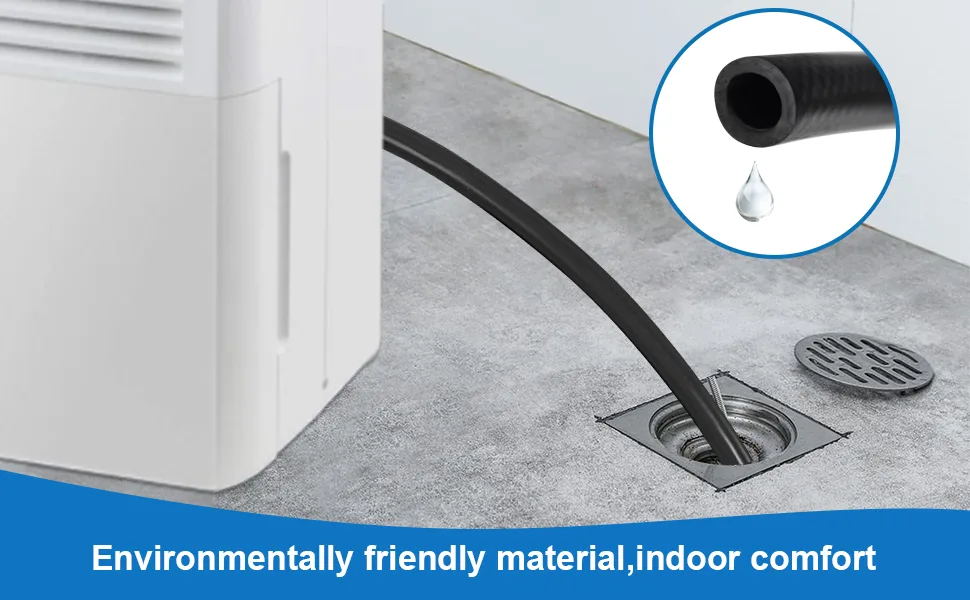
Image source: Bing (Web (fair-use with source credit))
The Quick Answer: When You Need a Drain Hose (and When You Don't)
No, a dehumidifier doesn't need a drain hose to run. The bucket catches everything just fine. But a hose lets you run the unit continuously without touching the tank.
You need a drain hose if you want true unattended operation. That applies to basements, crawl spaces, and any room you don't check daily. You don't need one if you're fine emptying the bucket once or twice a day.
You also don't need one if your space can't support a gravity drain.
The decision comes down to where the unit sits and how much effort you want to spend on maintenance. As of 2026, nearly every portable dehumidifier on the market includes a drain port. The hardware is there.
The question is whether your setup can use it.
How a Dehumidifier Drain Hose Actually Works
A drain hose turns a dehumidifier into a set-and-forget machine. Water flows out through a port on the back or bottom. From there it moves through the hose to a floor drain, sink, or sump pit.
No bucket. No full-tank warning light.
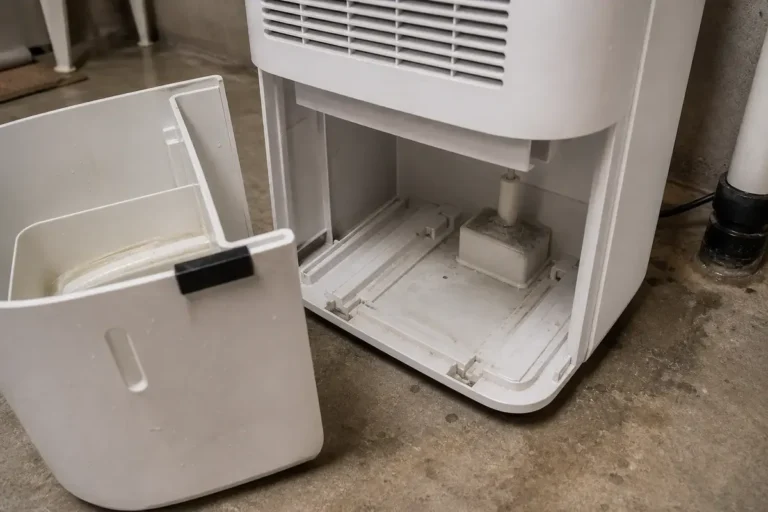
Most portable dehumidifiers have a small port behind the bucket compartment. You remove a rubber plug or threaded cap, attach an adapter, and screw on a hose. The unit detects the open port and redirects water out.
That's the whole mechanism.
Gravity Drain Ports vs. Built-In Condensate Pumps
There are two ways a dehumidifier moves water through a hose. The first is gravity. Gravity relies on downhill flow.
The unit must sit higher than the drain point. The hose must slope downward for the entire run.
The second uses a built-in condensate pump. A pump pushes water upward. You can route the hose to a window, a laundry sink, or even through a wall.
Pump models cost more and make more noise. But they offer far more placement flexibility.
What the Hose Connects To: Floor Drains, Sinks, and Sump Pits
The most common connection is a floor drain. The hose just drops into the opening. Other options include a utility sink, a washing machine standpipe, or a sump pit.
The key is keeping the hose secure so it doesn't slip out.
If you're choosing a new unit, the best dehumidifier roundup shows which popular models support continuous draining. Look for one with a clearly labeled drain port and easy hose access.
The 3 Questions That Decide If You Need a Hose
A drain hose isn't the right choice for every setup. Work through these three questions first.
Does Your Setup Allow a Downhill Slope?
This is the biggest deal breaker. For a gravity drain, you need a clear downhill path from the dehumidifier to the drain. Measure the height difference.
If the drain is higher than the unit, gravity won't work. You'd need a pump model or you'd stick with the bucket.
Can You Live Without the Bucket?
Think about how often you check the dehumidifier. If you empty it daily and that feels fine, skip the hose. But if you travel, work long hours, or just hate the chore, a hose is a major upgrade.
Aggregate user reviews report that the number one reason people switch to a hose is forgetting to empty the tank.
Is Your Dehumidifier in a Space You Visit Daily?
A bedroom or living room setup is easy to monitor. You see the full light before it becomes a problem. A basement or crawl space is different.
You might go days without checking. In that situation, a drain hose is almost mandatory. The alternative is a wet floor and potential mold growth.
Basement units benefit the most from continuous draining. If that sounds like your situation, this guide to basement dehumidifiers lists models built for long unattended runs.
Gravity Drain vs. Built-In Pump: Which Setup Fits Your Space
This is the fork in the road. Your choice depends entirely on where the dehumidifier sits and where the water needs to go.
When Gravity Is Enough
Gravity works if you have a floor drain within reach and the dehumidifier sits higher than the drain. Most basements with a floor drain qualify. Gravity setups are simpler, quieter, and cheaper.
You don't need a special model. Almost every portable dehumidifier has a gravity drain port.
When a Pump Is Worth the Extra Noise and Cost
A pump is worth it when you can't get gravity to work. That includes basements without floor drains, finished rooms where you want to hide the hose, and any spot where the drain is higher than the unit. Pump models typically cost $50 to $100 more than comparable gravity-only units.
| Feature | Gravity Drain | Built-In Pump |
|---|---|---|
| Push water upward | No | Yes |
| Typical cost | Included in base price | $50 to $100 more |
| Noise level | Quieter | Slightly louder |
| Placement flexibility | Limited | High |
| Best for | Basements with floor drains | Any room without a floor drain |
Models That Do Both
Some dehumidifiers include both a gravity port and a built-in pump. You get the best of both worlds. Use gravity when it works.
Switch to the pump when needed. ASHRAE recommends keeping indoor humidity between 30 and 60 percent. A dual-mode unit makes that easier to maintain in any room.
How to Set Up Your Drain Hose the Right Way
Setting up a drain hose is straightforward. But small mistakes cause leaks. Follow these steps carefully.
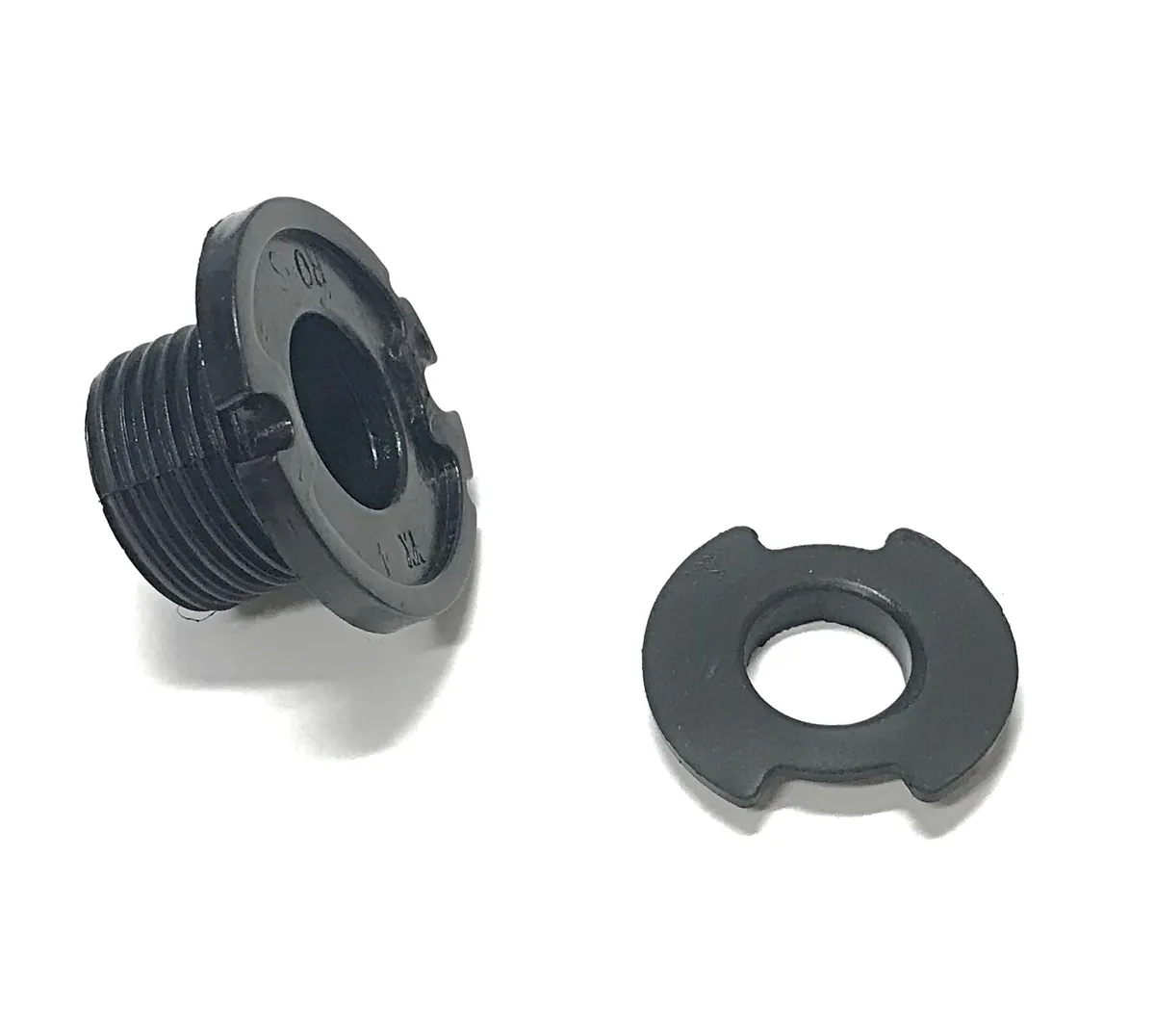
Image source: Bing (Web (fair-use with source credit))
Finding the Drain Port and Removing the Plug
Look at the back or bottom of your dehumidifier. You'll see a small port with a rubber plug or a threaded cap. That's the drain port.
Pull the plug out or unscrew the cap. Keep it somewhere safe. You'll need it again if you switch back to bucket-only use.
Choosing the Right Adapter and Hose
Most dehumidifiers use a standard 3/4-inch threaded connection. Some use a 5/8-inch fitting. Check your manual.
A standard garden hose works on many units. If the connection is smaller, you need an adapter. Don't force a hose that doesn't fit.
A loose connection will leak.
Routing the Line and Testing for Leaks
Run the hose to your drain. Keep the path straight. Avoid sharp bends.
Test the setup by pouring a cup of water into the drain pan while the unit is off. Watch for leaks at the connection. Then turn the unit on and let it run for an hour.
Check the floor around the hose. If everything is dry, you're good to go.
Common Drain Hose Mistakes That Cause Leaks and Overflow
A drain hose setup seems simple. Small errors turn a convenience into a mess. Here are the most common problems we see in aggregate reviews.
Skipping the Slope
The biggest mistake is assuming the hose will drain on its own. Gravity needs a constant downward slope. Even a one-inch rise in the middle traps water.
That water backs up and triggers the overflow sensor. Your unit stops running. The room stays humid.
Check the hose path. It should drop at least one inch for every three feet of run.
Letting the Hose Kink or Coil
A kinked hose blocks water flow completely. The same happens when the hose coils on the floor. Water sits in the low spots.
Most standard drain hoses are 5/8 inch or 3/4 inch in diameter. A kink at that size stops flow fast.
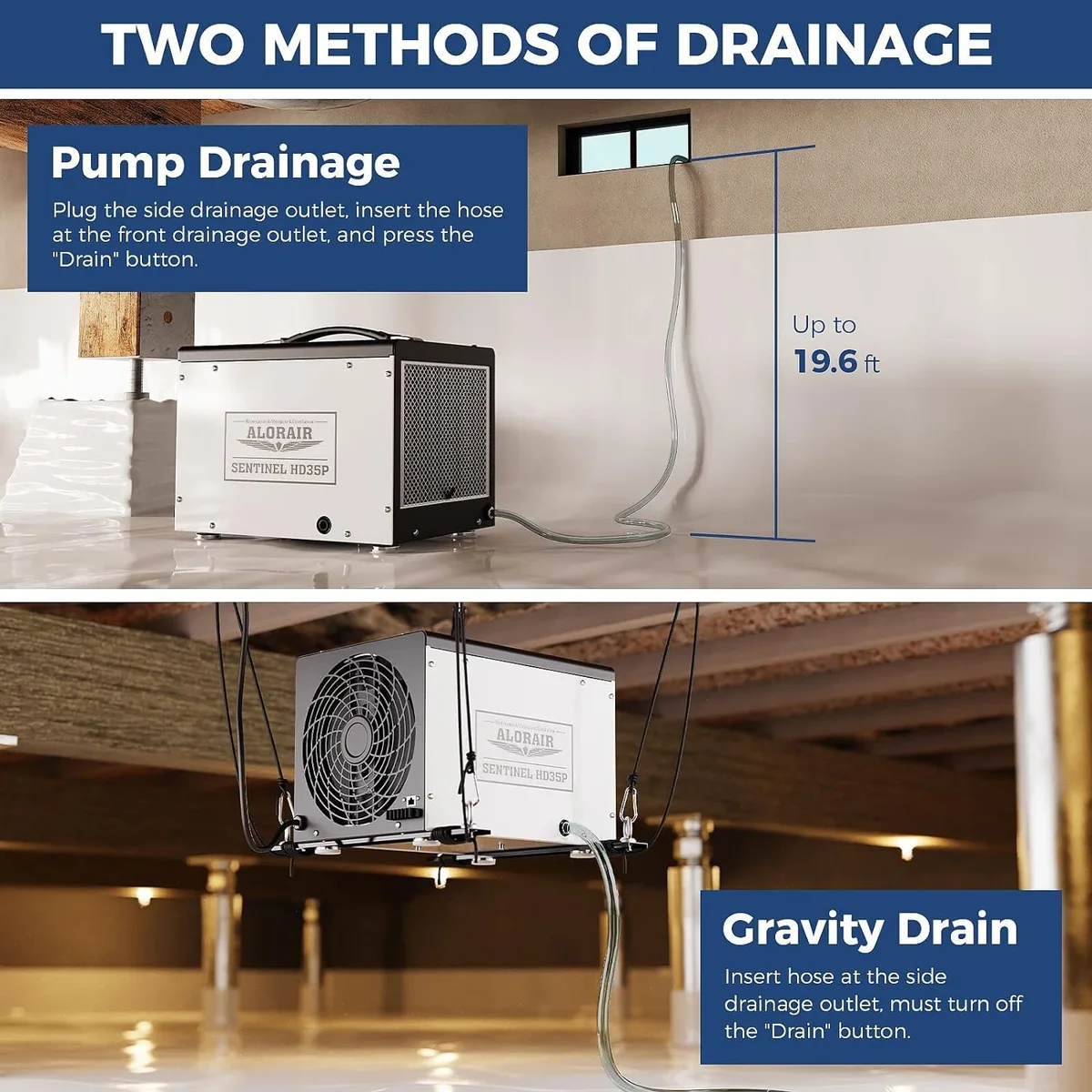
Image source: Bing (Web (fair-use with source credit))
Keep the hose straight. Use a wire tie or a hose guide to hold it in place if needed.
Using the Wrong Adapter Size
Not all drain ports are the same. Some units use a 5/8-inch fitting. Others use a 3/4-inch thread.
Forcing the wrong size creates a loose connection. That leaks. Check the manual before buying an adapter.
A standard garden hose works on many units but not all.
Forgetting to Elevate the Unit
For a gravity drain, the dehumidifier must sit higher than the drain point. If the unit sits on the floor and the drain is at floor level, water won't flow. Elevate the dehumidifier on a sturdy stand or a block.
A six-inch lift is often enough. Make sure the stand is stable. The unit should never tip over.
Maintenance and Long-Term Care for Your Drain Setup
A drain hose setup is low maintenance. But it isn't zero maintenance. A little care keeps it running reliably.
Cleaning the Hose and Port Seasonally
Algae and mold grow inside dark damp hoses. That slime blocks the flow over time. Disconnect the hose every three months.
Run a white vinegar and warm water mixture through it. Let it soak for 15 minutes. Rinse thoroughly.
Clean the port on the unit with a small brush.
Dealing With Algae and Clogs
If you see slow drainage or water pooling in the hose, you have a clog. Detach the hose. Blow through it or use a thin wire to clear the blockage.
For stubborn algae, replace the hose. They're cheap. A new hose costs less than the time spent scrubbing a bad one.
Winterizing Before Storage
If you store the dehumidifier for the winter, drain the hose completely. Residual water freezes and expands. That cracks the hose and the port fitting.
Disconnect everything. Dry it with a towel. Store the hose coiled loosely in a plastic bag.
Keep the unit upright in a dry room.
For longer-term advice on indoor humidity and energy use, the U.S. Department of Energy has straightforward guidance on dehumidifiers and moisture control. It's a solid resource for planning your whole-home approach.
Frequently Asked Questions
Can I leave my dehumidifier running with a hose while I am away?
Yes, that's the main reason to use a drain hose. A gravity drain is completely passive. A pump model also runs unattended.
Test the setup for a full day first. Make sure the hose stays in place and the drain doesn't back up.
Is a garden hose compatible with my dehumidifier?
Many standard dehumidifiers accept a garden hose. The connection is usually a 3/4-inch threaded port. Check your manual.
If the port is smaller, you need an adapter. Don't force a hose that doesn't fit. A loose connection leaks.
Why is my dehumidifier draining even with an empty bucket?
Some units drain continuously through the port regardless of the bucket setting. That's normal. If you see water draining and you never set up a hose, check the drain port plug.
It may be missing or loose. Replace the plug or tighten the cap.
Should I get a drain hose or a pumped model for my basement?
It depends on your basement setup. If you have a floor drain and the unit sits higher than the drain, a gravity hose is enough. If you have no floor drain or the water needs to go upward, choose a model with a built-in pump.
Pump models offer more flexibility at a higher cost.