How to Clean a Dehumidifier Water Tank
If you've ever opened your dehumidifier and hit a wall of musty air, you know the pain. Learning how to clean a dehumidifier water tank takes ten minutes and saves your room from smelling like a swamp. That slimy film inside is biofilm, a mix of bacteria, mold, and mildew.
It's normal. It's also fixable.
Manufacturer specs and EPA moisture guidelines recommend cleaning every two to four weeks in active use. As of 2026, most residential tanks hold 1 to 5 gallons, and hard water makes mineral scale build up faster. Skip the soak and you're just polishing a gross situation.
Let's fix it properly.
Quick Answer
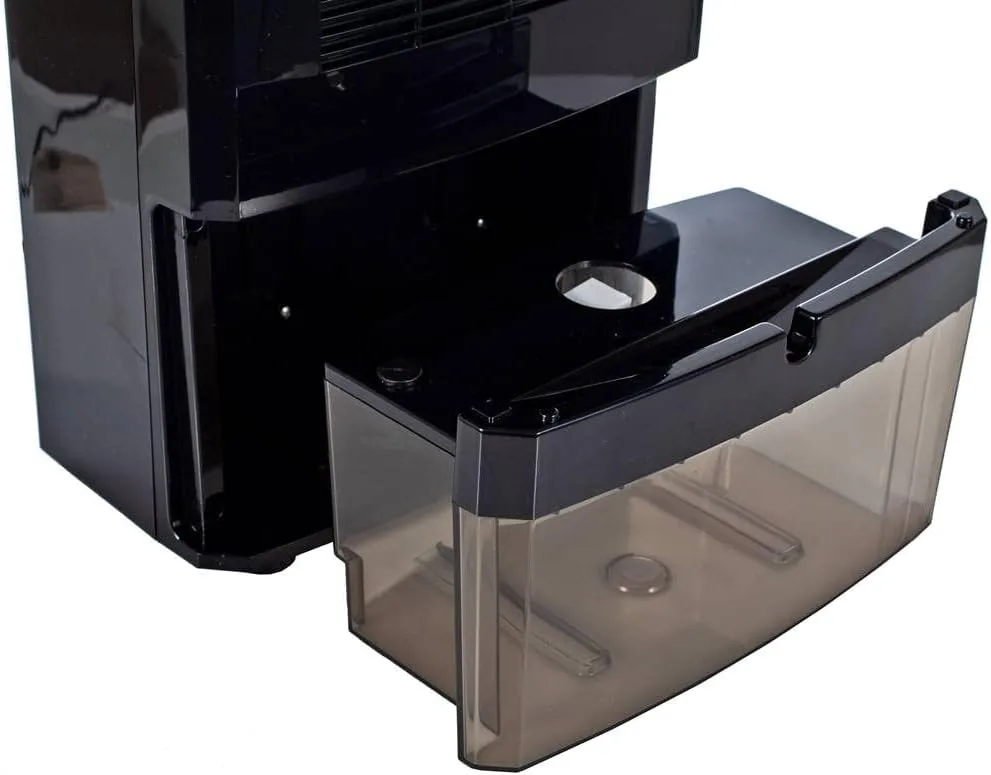
Remove the tank and empty it. Rinse with warm water. Soak with a 50/50 vinegar and water mix.
Scrub with a soft brush. Rinse and dry completely before reinstalling. Do this every two weeks during heavy use.
The Problem: Why Your Dehumidifier Tank Gets Gross (and Why It Matters)
Your dehumidifier pulls water out of the air. That water sits in a plastic tank for days. That's a perfect breeding ground for microbes.
Per EPA moisture guidance, keeping water reservoirs clean is one of the simplest ways to prevent mold and bacterial buildup in your living space.

What you're seeing might look different depending on the conditions.
- Dark slime: mold and mildew growing in wet crevices.
- Pink film: bacteria, often Serratia marcescens, common in damp spots.
- White chalky crust: mineral scale from hard water.
- Brown residue: dust, pollen, and particulates settling into the tank.
Any of these can clog the drain spout or coat the float sensor. That sensor tells the unit when the tank is full. If it's caked in scale, the dehumidifier may keep running and overflow, creating a puddle on your floor.
More importantly, the tank isn't sealed. Mold spores and bacteria from the reservoir can recirculate into the air as the unit runs. That can trigger allergies or irritate sensitive lungs.
It's not just a cleaning issue. It's an air-quality one.
Aggregate reviews from long-term dehumidifier owners show that skipped cleanings are the number one reason a unit starts smelling musty after the water is emptied. The smell isn't coming from the floor. It's coming from the tank's inner walls, tiny crevices, and the channels water flows through before reaching the reservoir.
You don't need bleach or toxic cleaners. A simple vinegar solution handles both organic slime and mineral deposits.
Quick Decision Guide: What's in Your Tank Right Now?
Before you start scrubbing, figure out what you're dealing with. The right cleaning method depends on the buildup type.
- If you see dark slime or greenish-black patches: it's organic growth. Use vinegar and a thorough scrub, then dry completely.
- If you see white or gray crust: it's mineral scale. Soak the tank longer and wipe away deposits carefully.
- If you see a pink or orange film: it's bacteria. A vinegar soak works, but you may need to repeat and disinfect the surrounding gasket.
- If your tank looks clear but smells musty: biofilm is hiding inside the spout or handle. Clean those areas too.
Run your finger along the inside wall. Slippery film means bacteria. Gritty texture means minerals.
Both require a soak, but the soak time differs.
If the float switch is stuck, that's usually scale buildup on the sensor. Clean it gently with a vinegar-soaked cloth, never a metal object. If the buildup keeps returning within days, the dehumidifier might be undersized for your space.
That means it runs constantly and fills the tank before it can dry effectively. When that happens, it's worth checking whether a higher-capacity unit, like the best dehumidifier for basement models, would reduce the humidity load. But for most tanks, a simple clean solves the smell.
How to Clean It: Step-by-Step by Type of Buildup
First, unplug the dehumidifier and take the tank out. Empty any leftover water down the drain. Give it a quick rinse under warm tap water.
From there, choose your soak based on what you found.
For general grime and mold
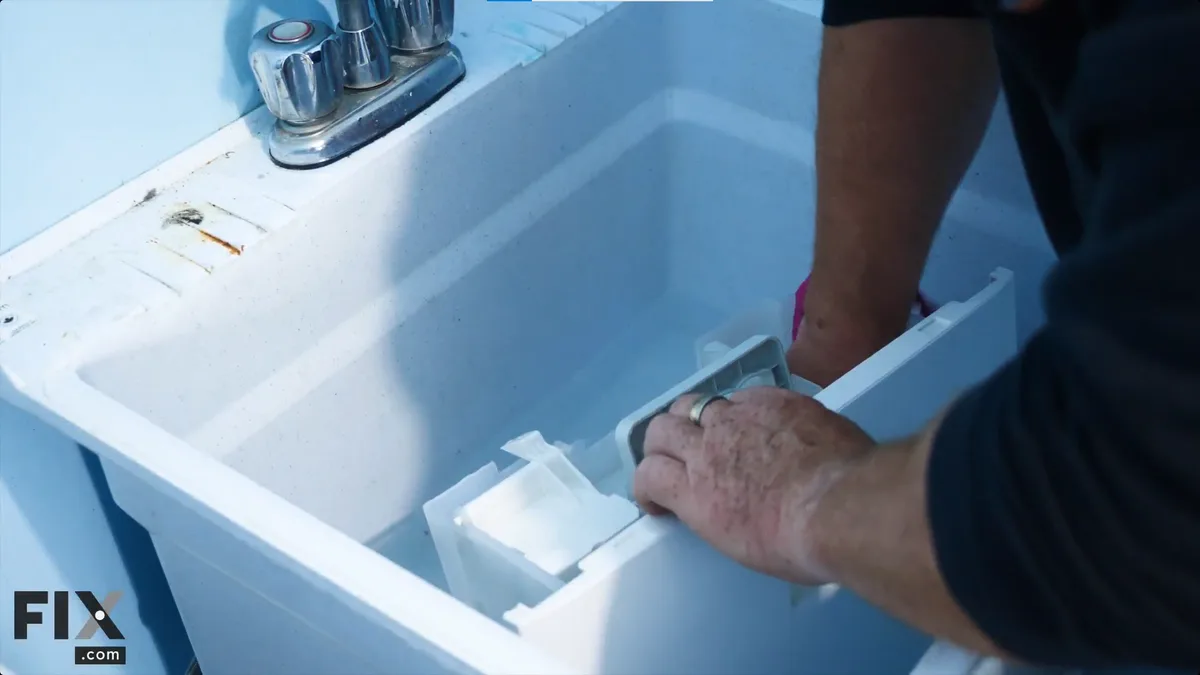
Mix one part white vinegar with one part warm water in the tank. Let it sit for 15 to 30 minutes. Use a soft bottle brush to scrub the sides, bottom, and especially the corners and the spout.
Rinse thoroughly with clean water.
For hard-water scale
You'll need a longer soak. Use a 50/50 vinegar and water mix and let it rest for an hour. The acetic acid dissolves calcium and other mineral deposits.
After soaking, wipe away the loosened scale with a soft sponge or cloth.
Then dry the tank completely. This is the most skipped step and also the most important. Any moisture left inside gives bacteria a fresh starting point.
Use a clean microfiber cloth, then let it air-dry for another 30 minutes.
| Tool | Why you need it |
|---|---|
| White vinegar | Dissolves minerals and kills mold naturally |
| Warm water | Lifts loose dirt without cracking plastic |
| Soft bottle brush | Reaches narrow spouts and corners |
| Microfiber cloth | Dries surfaces without scratching |
| Clean sponge | Wipes away stubborn scale |
If your tank is dishwasher-safe, you can run it on the top rack. Always check the manual first. Many manufacturers specify hand wash only, and the heat from the dishwasher can warp thinner plastic.
Mistakes That Can Ruin Your Tank (or Your Whole Unit)
Most cleaning mistakes come from good intentions. People grab the strongest cleaner they have and go to town. That can crack plastic, damage sensors, and void warranties.
Here's what to avoid.
| Mistake | Why it's bad | What to do instead |
|---|---|---|
| Using bleach | Can weaken plastic and leave harmful fumes | Use vinegar and warm water |
| Boiling water | Warps tank walls and seals | Use lukewarm water |
| Scouring pads | Scratch the surface, giving germs places to hide | Use a soft brush or sponge |
| Scrubbing the float switch hard | Breaks the sensor or knocks it out of position | Wipe it gently with a damp cloth |
| Putting it in the dishwasher without checking | High heat can crack thinner tanks | Check the manual first |
| Reassembling while wet | Traps moisture, grows mold again | Dry thoroughly |
Never mix vinegar with bleach. That combination creates chlorine gas, and it's a serious safety hazard. Stick with one cleaning agent.
One more common miss: forgetting to clean the tank compartment itself. While the tank is out, wipe down the cavity inside the unit with a damp cloth. Debris collects there too, and it can add to the musty smell.
Finally, don't use citrus-based cleaners unless the manufacturer approves them. Some oils can degrade plastic over time. And don't ignore the handle and pour spout.
Those areas stay damp and often hide the worst buildup. Take the brush to every opening.
How Often You Really Need to Clean It
There's no single schedule that fits every home. Frequency depends on how often the unit runs, your local humidity, and your water hardness. But a baseline works well for most people.
| Situation | Cleaning frequency |
|---|---|
| Daily use in a humid basement | Every 2 weeks |
| Normal seasonal use | Every 3 to 4 weeks |
| Hard water with visible scale | Every 1 to 2 weeks |
| Tank sits unused in storage | Clean and dry before storing |
| After heavy rain or flooding | Immediately |
You'll know the schedule is right when the tank stops smelling between cleanings. If you're scrubbing every week, the problem might be more than maintenance. An oversized moisture load can overwhelm a small dehumidifier, causing constant refills and poor airflow.
In that case, a larger basement-rated unit, like the best dehumidifier options, may solve the root issue.
Remember, distilled water doesn't prevent growth. The tank still harbors bacteria and mold even if you use clean water. As of 2026, there is no antimicrobial additive that replaces regular cleaning.
You have to scrub.
Seasonal storage matters too. Before you pack the unit away for winter, clean the tank, dry it fully, and leave the tank slightly open. Storing it sealed with moisture inside guarantees mold when you pull it out next year.
Set a phone reminder while you're at it. Two minutes of prevention beats twenty minutes of deep-cleaning a neglected tank.
Maintenance Tips to Keep It Cleaner Longer
A clean tank starts with smarter habits. The less time water sits, the less time bacteria have to multiply. That's your biggest lever.
Empty the Tank on a Schedule
Don't wait for the full tank light to blink. Empty it every 12 to 24 hours during heavy use. Airborne dust lands in standing water and feeds the biofilm.
If you're constantly running the unit, a continuous drain hose is the better long-term fix. It bypasses the tank entirely, so there's no standing water to go rank. You still need to wipe down the tank every few weeks, even if it stays dry.
Wipe Down the Compartment Too
When the tank's out, grab a damp cloth and wipe the inside cavity of the unit. Dust and debris settle there. That gunk gets pulled into the airflow and makes the whole machine smell stale.
Take it a step further once a month. Vacuum the intake grille and the dust filter at the back. A dehumidifier that can breathe works harder to pull moisture out, which means less load on the tank.
Check the Float Sensor While You're In There
The float sensor sits inside the compartment. It's a small piece of plastic that rises with the water level and stops the unit when the tank's full. If it's coated in mineral scale, it can stick.
Clean it gently with a vinegar-dampened cloth. Never force it. A stuck float can cause overflow and water damage to your floors.
Use a Dehumidifier Tablet if You Prefer
Cleaning tablets are a real option if vinegar smells too strong. They dissolve in the tank and slow bacterial growth between cleanings. They don't replace the scrub-down, but they do stretch the time between deep cleans.
One tablet typically lasts 2 to 3 months. Check the label to verify it's safe for your tank's plastic.
Frequently Asked Questions
Can I put my dehumidifier tank in the dishwasher?
Only if the manufacturer says so. Many tanks are made of lightweight plastic that warps under dishwasher heat. Check the base of the tank for a dishwasher-safe symbol or look in the manual.
When in doubt, hand wash with warm water and vinegar.
Is it safe to use bleach to clean the tank?
No. Bleach can weaken or yellow the plastic over time. It also leaves fumes that linger in the tank and get blown into your air.
Vinegar is safer and just as effective at removing mold, mildew, and mineral scale.
Why does my dehumidifier tank smell even after cleaning?
You likely missed a spot. The pour spout, handle seams, and float sensor channels trap water and film. Clean every crevice with a bottle brush, and dry the tank fully before reassembling.
If the smell returns, check the filter and the compartment cavity too.
How do I clean a dehumidifier tank with a float sensor?
Remove the tank first. Then wipe the sensor with a cloth dipped in a 50/50 vinegar and water mix. Never submerge the sensor in water, and avoid scrubbing it with hard tools.
A gentle wipe dissolves scale without damaging the switch.
Can I use a cleaning solution instead of vinegar?
Yes, especially if you prefer a scented or descaling product. Use a cleaner labeled for dehumidifiers or humidifiers, and follow the dilution instructions exactly. Avoid citrus-based or abrasive cleaners, as these can degrade plastic over time.