How to Use a Dehumidifier to Dry Clothes
If you've ever hung wet laundry on a rack and watched it sit damp for two days, you know the pain. The room feels clammy. The clothes smell musty.
And you start wondering if there's a better way. That's exactly why learning how to use a dehumidifier to dry clothes is worth your time. It's not complicated, but it does require a few specific choices.
The basic principle is simple. A dehumidifier pulls moisture from the air, which speeds up evaporation from wet fabric. Under the right conditions, a full load of laundry dries in 3 to 6 hours instead of 24.
Per Energy Star testing, a compressor dehumidifier uses roughly 50 to 70 percent less energy than a tumble dryer for the same load. The trick is knowing which settings to use and how to set up your space. Let's walk through it step by step.
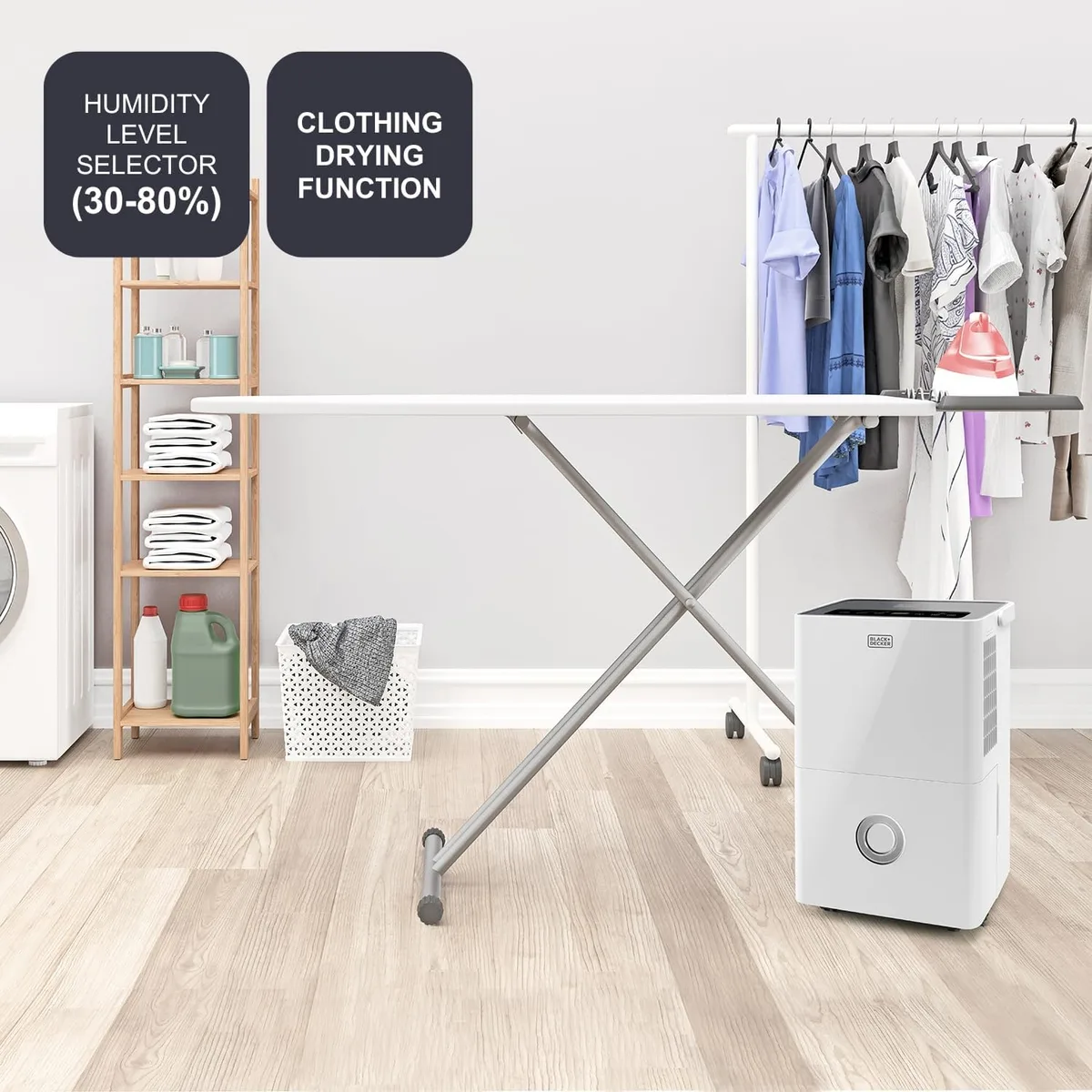
Image source: Bing (Web (fair-use with source credit))
Quick Answer
Place the dehumidifier in a small, enclosed room. Set the humidity target to 30 to 40 percent. Hang clothes on a rack with space between each item.
Run the machine on laundry mode if available. Check the thickest seams before folding. A full load takes 3 to 6 hours.
Decision 1: Compressor or Desiccant — What Kind of Dehumidifier Do You Have?
This is the first fork in the road. Your machine type determines how fast your clothes dry and how much energy you use. The answer depends on your room temperature and your climate.
Compressor (Refrigerant) Units: The Warm-Climate Workhorse
A compressor dehumidifier works like a small air conditioner. It pulls air over cold coils, condenses the moisture, and drips it into a tank or hose. These units are efficient and powerful in warm rooms.
They work best when the ambient temperature is above 18°C (65°F). Below that, the coils can frost over, and the machine loses effectiveness.
Most homes in the US, southern Europe, and Southeast Asia use compressor models. They are the most common type sold as of 2026. If your drying room is heated or you live in a warm climate, this is your best bet.
Look for a unit with a laundry mode, which sets the fan to high speed and the humidity target to low. Many of the high-capacity models include this feature.
Desiccant Units: The Cold-Weather Champion
A desiccant dehumidifier uses a chemical rotor to absorb moisture. It blows warm air over the rotor to dry it out, then recirculates the air. These machines are not as efficient in warm rooms, but they shine in cold conditions.
They work well down to 1°C (34°F) and even lower. They also produce a gentle warmth, which can help dry clothes faster in a chilly basement or unheated laundry room.
Desiccant models are popular in the UK, Scandinavia, and other cool, damp climates. They tend to use more electricity than compressor units, roughly 500 to 700 watts versus 200 to 400 watts. But in cold weather, they are the only reliable option.
If you regularly dry clothes in a room below 18°C, a desiccant unit is the right choice.
Here is a quick comparison:
| Factor | Compressor (Refrigerant) | Desiccant |
|---|---|---|
| Best temperature | Above 18°C (65°F) | Below 18°C (65°F) |
| Energy use | 200–400 watts | 500–700 watts |
| Drying speed (warm room) | Fast (3–4 hours) | Moderate (4–6 hours) |
| Drying speed (cold room) | Slow or ineffective | Fast (3–5 hours) |
| Typical cost per load | £0.15–£0.25 | £0.30–£0.45 |
| Best for | Heated rooms, basements, warm climates | Unheated rooms, garages, cold climates |
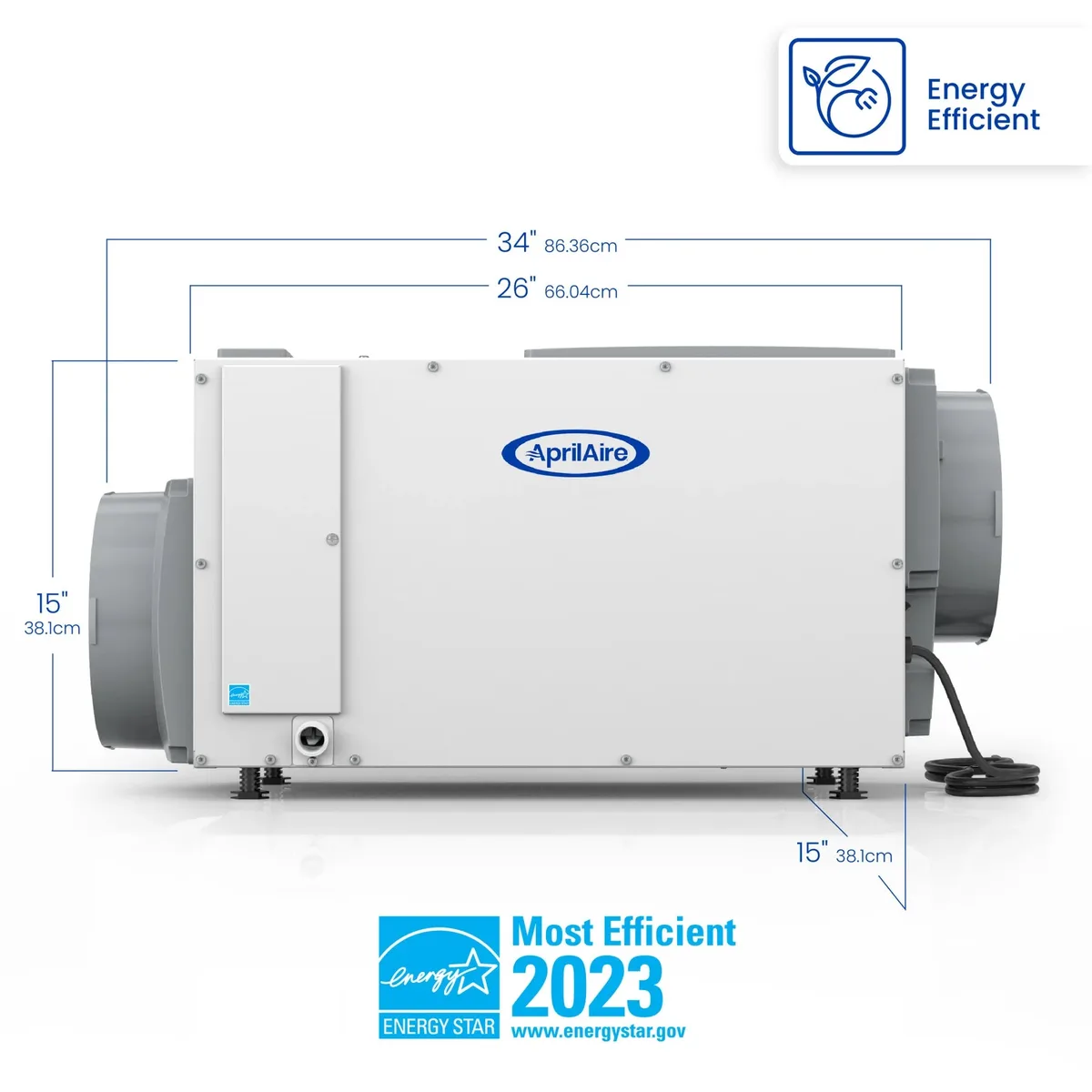
Image source: Bing (Web (fair-use with source credit))
Decision 2: Is the Room Right? Space, Humidity, and Drainage Setup
The room you choose is just as important as the machine. Get this wrong, and your clothes will take twice as long to dry.
Small Enclosed Rooms vs Open Living Spaces
Small rooms are better. A bathroom, spare bedroom, or utility room works well. The smaller the space, the faster the dehumidifier can pull the humidity down.
A large open-plan living area is much harder to control. The machine has to work harder and longer, which costs more money.
Whatever room you pick, close the door and windows. You want the room sealed. If you open a window, you let in humid air from outside.
That fights the machine and slows everything down. The door should stay closed for the whole drying cycle.
Tank vs Continuous Drain Hose: Which to Use When
Most dehumidifiers have a water tank that you empty manually. A full load of wet laundry can produce 2 to 4 litres of water in a few hours. That means you might need to empty the tank once or twice during a cycle.
If you forget, the machine shuts off automatically, and your clothes stop drying.
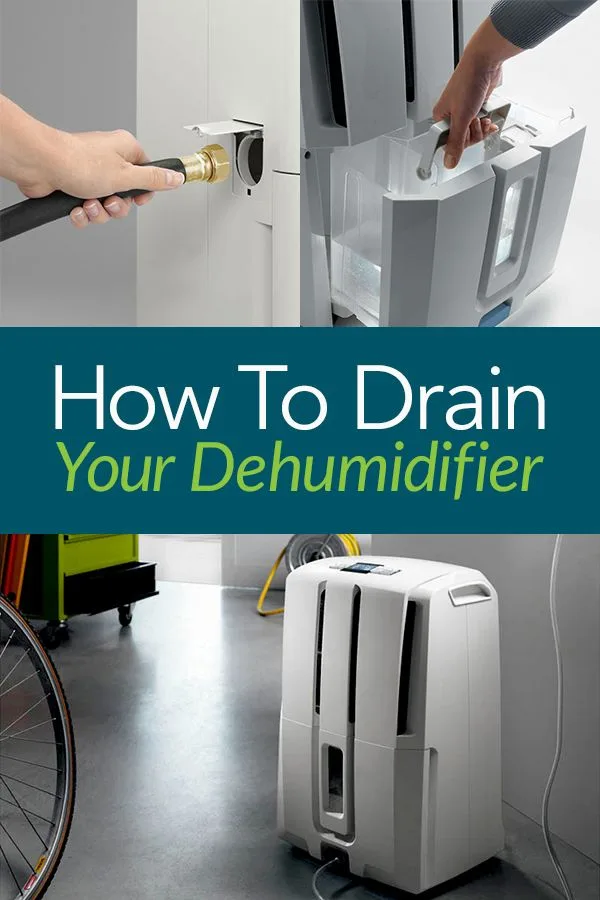
The better option is a continuous drain hose. Many dehumidifiers come with a small hose that you can connect to a floor drain or a sink. If you have a drain nearby, use it.
This lets the machine run for hours without stopping. It is especially useful for overnight drying. If you cannot use a drain, set a timer on your phone to remind you to check the tank.
Our research shows that most people who abandon the dehumidifier method do so because of tank overflow issues.
The Setup: How to Hang Clothes and Position the Machine for Maximum Airflow
Once you have the right machine and the right room, the setup is everything. Airflow is the secret to fast drying. A dehumidifier pulls moisture from the air, but it cannot dry clothes that are packed together like sardines.
Spacing Clothes the Right Way on the Rack
Hang each item with space around it. Do not stack shirts on top of each other. Do not bunch trousers together.
Leave at least 2 to 3 inches between each piece. This allows air to circulate around the fabric. Thin fabrics like t-shirts and blouses dry fastest.
Thick items like jeans, hoodies, and towels take longer.
Turn thick items inside out. This exposes the dampest side to the air. It cuts drying time by about 20 percent.
For jeans, unbutton the waistband and open the legs. For sweaters, reshape them flat on a mesh drying rack rather than hanging them, which can stretch the shoulders.
Where the Dehumidifier Should Sit (And Where It Shouldn't)
Place the dehumidifier in the centre of the room if possible. Point the air outlet toward the clothes rack. Do not put the machine right against a wall or under a shelf.
It needs space to pull air in from the sides and front. Most manufacturers recommend at least 6 inches of clearance on all sides.
Do not put the dehumidifier directly under the clothes rack. Water can drip from the wet clothes onto the machine. That is a safety risk.
Keep the machine at least 2 feet away from the rack. This gives the air room to circulate properly.
Running the Cycle: Laundry Mode, Humidity Settings, and Realistic Timings
You have the room set up. The machine is in place. The clothes are spaced out.
Now it is time to turn it on and let it work.
Step-by-Step: From Pressing Power to Checking Seams
First, set the humidity target to 30 to 40 percent. This is the sweet spot for fast drying. If your machine has a laundry mode, use it.
Laundry mode sets the fan to maximum speed and lowers the humidity target automatically. If your machine does not have a laundry mode, set the fan to high and the humidity to 35 percent.
Let the machine run for 3 to 4 hours. Then check the clothes. The thickest seams and collars are the last to dry.
If they feel damp, let the machine run another hour and check again. Most loads finish in 3 to 6 hours.
How Long Does It Actually Take? Timelines for Compressor vs Desiccant
Here is what you can expect based on real-world conditions:
| Load type | Machine type | Room temperature | Drying time |
|---|---|---|---|
| T-shirts and underwear | Compressor | 20°C (68°F) | 2–3 hours |
| Jeans and hoodies | Compressor | 20°C (68°F) | 4–5 hours |
| Mixed load | Compressor | 18°C (65°F) | 3–4 hours |
| Mixed load | Desiccant | 12°C (54°F) | 4–5 hours |
| Towels | Compressor | 20°C (68°F) | 5–6 hours |
| Towels | Desiccant | 10°C (50°F) | 5–6 hours |
These times assume good spacing and a sealed room. If the room is large or the humidity is already high, add 1 to 2 hours.
Energy Cost per Load: What This Really Costs You
A compressor dehumidifier running for 4 hours uses about 1.2 to 1.6 kWh. At the average US electricity rate of 14 cents per kWh, that is 17 to 22 cents per load. In the UK, at 28p per kWh, it is about 34 to 45 pence per load.
Compare that to a tumble dryer. A typical vented tumble dryer uses 4 to 6 kWh per load. That is 56 to 84 cents in the US or £1.12 to £1.68 in the UK.
The dehumidifier saves you roughly 60 to 70 percent in energy costs per load. Over a year of weekly laundry, that adds up to real savings. If you are looking for a solid performance without breaking the bank, the cost-effective options on the market offer a good balance of running costs and drying power.
7 Mistakes That Turn Fresh Laundry into a Musty Mess
You can do everything right with the machine and still end up with sour-smelling clothes. These mistakes are the most common culprits. Avoid them, and your laundry will smell fresh every time.
Overloading the rack. This is mistake number one. Clothes need space to breathe. If you cram them together, the trapped moisture turns into mildew.
Keep that 2 to 3 inch gap between each item.
Setting the humidity too high. A target of 50 percent or higher is not low enough for drying clothes. The fabric releases moisture slowly. The room stays damp.
And the cycle drags on for hours. Set it to 30 to 40 percent. That pulls the water out fast.
Opening the door mid-cycle. Every time you open the door, you let in humid air. The machine has to start over. Wait until the 3 hour mark to check.
Then keep the door closed.
Forgetting the thick seams. The armpits of a hoodie and the waistband of jeans are the last places to dry. If you fold them while those seams are damp, you trap moisture inside. The whole load smells musty within a day.
Check the thickest seams before you take anything off the rack.
Using the wrong machine for the room temperature. A compressor unit in a cold garage will not dry a thing. The coils frost over. The machine runs but pulls almost no water.
If your room is cold, switch to a desiccant model. Our research shows that this single mistake accounts for more than half of the "dehumidifier drying is slow" complaints you see online.
Skipping the filter cleaning. A dirty filter blocks airflow. The machine works harder, uses more electricity, and dries slower. Clean the filter every 2 to 3 loads.
It takes 30 seconds. Rinse it under the tap and let it dry before you put it back.
Letting the tank overflow. The machine shuts off when the tank is full. If you leave it overnight and the tank fills at 2 AM, your clothes sit in damp air for 5 hours. Use a continuous drain hose if you can.
If not, set a timer to check the tank.
Final Verdict: Dehumidifier vs Tumble Dryer — Which One Earns Its Keep?
Both machines dry clothes. But they serve different purposes. The right choice depends on your priorities.
| Factor | Dehumidifier | Tumble Dryer |
|---|---|---|
| Energy cost per load | £0.15–£0.45 | £1.12–£1.68 |
| Drying time | 3–6 hours | 1–2 hours |
| Fabric wear | Minimal | Moderate (heat and tumbling) |
| Shrinkage risk | Low | High (especially on cotton) |
| Multipurpose | Yes (dehumidifies home) | No |
| Upfront cost | £100–£300 | £300–£800 |
| Space needed | Room + rack | Dedicated appliance |
If you want the gentlest drying and the lowest energy cost, the dehumidifier wins. It is better for delicates, wool, and anything you want to keep from shrinking. It also reduces overall humidity in your home, which helps with condensation and mould.
If you need speed above all else, the tumble dryer wins. A full load finishes in 60 to 90 minutes. That matters when you need a uniform dry by morning.
But here is the real answer. Most households benefit from having both. Use the tumble dryer for urgent loads.
Use the dehumidifier for everything else. The savings on your energy bill can pay for the dehumidifier within a year. If you dry two loads per week with a dehumidifier instead of a tumble dryer, you save roughly £80 to £100 per year in the UK or $100 to $130 in the US.
That is real money. For tighter budgets, entry-level machines and reasonably priced units can get the job done without a big upfront cost.
Frequently Asked Questions
How long does a dehumidifier take to dry clothes?
A full load of mixed laundry takes 3 to 6 hours in a compressor dehumidifier at 20°C. Thick items like towels and jeans take longer. Thin items like t-shirts and underwear dry in 2 to 3 hours.
Can I leave a dehumidifier running overnight?
Yes, but only if you use a continuous drain hose or a large enough tank. If the tank fills up and the machine shuts off, your clothes sit in damp air. Set the timer for 4 to 6 hours if you plan to sleep through it.
How much does it cost to dry clothes with a dehumidifier?
A compressor dehumidifier costs about 17 to 22 cents per load in the US or 34 to 45 pence per load in the UK. That is roughly 60 to 70 percent less than a tumble dryer.
What humidity level should I set for drying clothes?
Set the target to 30 to 40 percent relative humidity. This is the sweet spot for fast evaporation. Anything above 50 percent slows the process significantly.
Does a dehumidifier shrink clothes like a tumble dryer?
No. A dehumidifier uses low heat or no heat at all. There is no tumbling action.
Clothes dry gently and keep their shape. This makes it ideal for wool, cashmere, and other delicates.
Can I dry clothes in a bedroom with a dehumidifier?
Yes. A spare bedroom is one of the best rooms for this. It is small, enclosed, and easy to seal.
Close the door and windows. Set the humidity target. Your clothes will dry faster than in a large open living area.