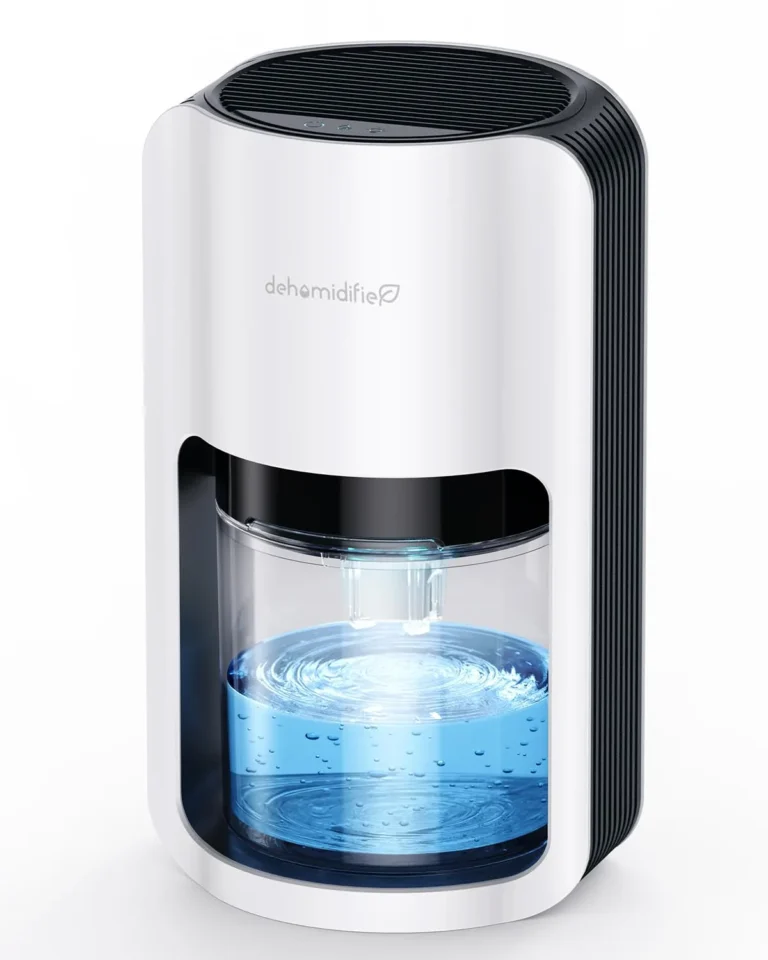
Why Is My Dehumidifier Blowing Hot Air
Your dehumidifier is pumping out heat, and you're wondering if something's broken. The question "why is my dehumidifier blowing hot air" is one of the most common we hear from homeowners. It feels wrong, but it's often completely normal.
Here's the truth: dehumidifiers are supposed to blow warm air. A healthy compressor unit typically raises the air temperature by 10 to 15 degrees Fahrenheit while it runs. That's not a defect, that's physics.
Once you understand how the system works, you'll know exactly when the heat is expected and when it's a red flag.

Image source: Bing (Web (fair-use with source credit))
Quick Answer
Yes, hot air is normal. But only within a specific range. If your dehumidifier's exhaust is 10 to 15°F warmer than the room, that's healthy operation.
If it's 20°F or more above ambient temperature, you've got a problem. Measure the temperature rise first. Then decide if it needs attention.
Is It Normal Or Is Something Wrong?
The heat comes from the compressor and the refrigerant cycle. Think of a dehumidifier as an air conditioner without the separate exhaust. It pulls moisture out of the air, and the energy it uses ends up as heat.
That heat has to go somewhere, so it blows out the top vent.
But there's a difference between normal warmth and excessive heat. A unit that's struggling to cool its coils will run hotter. A blocked fan or dirty coils force the compressor to work harder, producing more heat.
So the first step is to measure, not guess.
If the air feels hot but humidity is dropping steadily, you're fine. If the room feels like a sauna and the unit never shuts off, it's time to dig deeper. For persistent humidity issues, a best dehumidifier with the right capacity for your space makes a big difference.
Why Dehumidifiers Blow Hot Air In The First Place
The science is straightforward. A compressor dehumidifier pulls humid air over cold evaporator coils. Moisture condenses on the coils and drips into the tank.
Then the air passes over the hot condenser coils, which reheat it and blow it back into the room.
That reheating is intentional. If you blew cold air out, you'd be cooling the room, not just dehumidifying it. The design intentionally dumps the captured energy as heat at the top vent.
That's why the exhaust feels warm on any working unit.
Desiccant dehumidifiers work differently. They use a rotating wheel soaked in a moisture-absorbing material. The wheel passes through the air intake, absorbs water, then rotates into a heated zone where that moisture evaporates.
These units produce even hotter air because the regeneration process requires active heating.
So both types blow hot air by design. The difference is how much heat and why.
| Dehumidifier Type | Normal Exhaust Temperature Rise | Primary Mechanism |
|---|---|---|
| Compressor | 10–15°F (5–8°C) | Refrigerant coils |
| Desiccant | 15–25°F (8–14°C) | Heated rotor wheel |
For most homes, the compressor type is more common. The key point is that warmth is a byproduct of removing moisture. The only time you should worry is when the temperature rise exceeds what the manufacturer specifies.
According to the U.S. Department of Energy, this basic heat-transfer principle applies across all standard dehumidifier models.
The Simple Test: Measure Your Temperature Rise
You don't need special tools. A basic household thermometer or a digital meat thermometer works fine. Here's the step-by-step process.
First, let the unit run for at least 15 minutes. That gives the compressor time to stabilize. Then measure the room temperature at a point several feet away from the unit.
Next, hold the thermometer about two inches away from the exhaust vent. Wait for the reading to stabilize.
Subtract the room temperature from the exhaust temperature. That's your temperature rise. Compare that number to the 10 to 15°F baseline we mentioned earlier.
Here's what your results mean:
- Under 10°F rise: The unit might have weak airflow or a failing compressor.
- 10, 15°F rise: Normal operation. Relax.
- 15, 20°F rise: Slightly high, often due to a dirty filter or coils.
- Over 20°F rise: This is the warning zone. Something is obstructing airflow or the refrigerant charge is off.
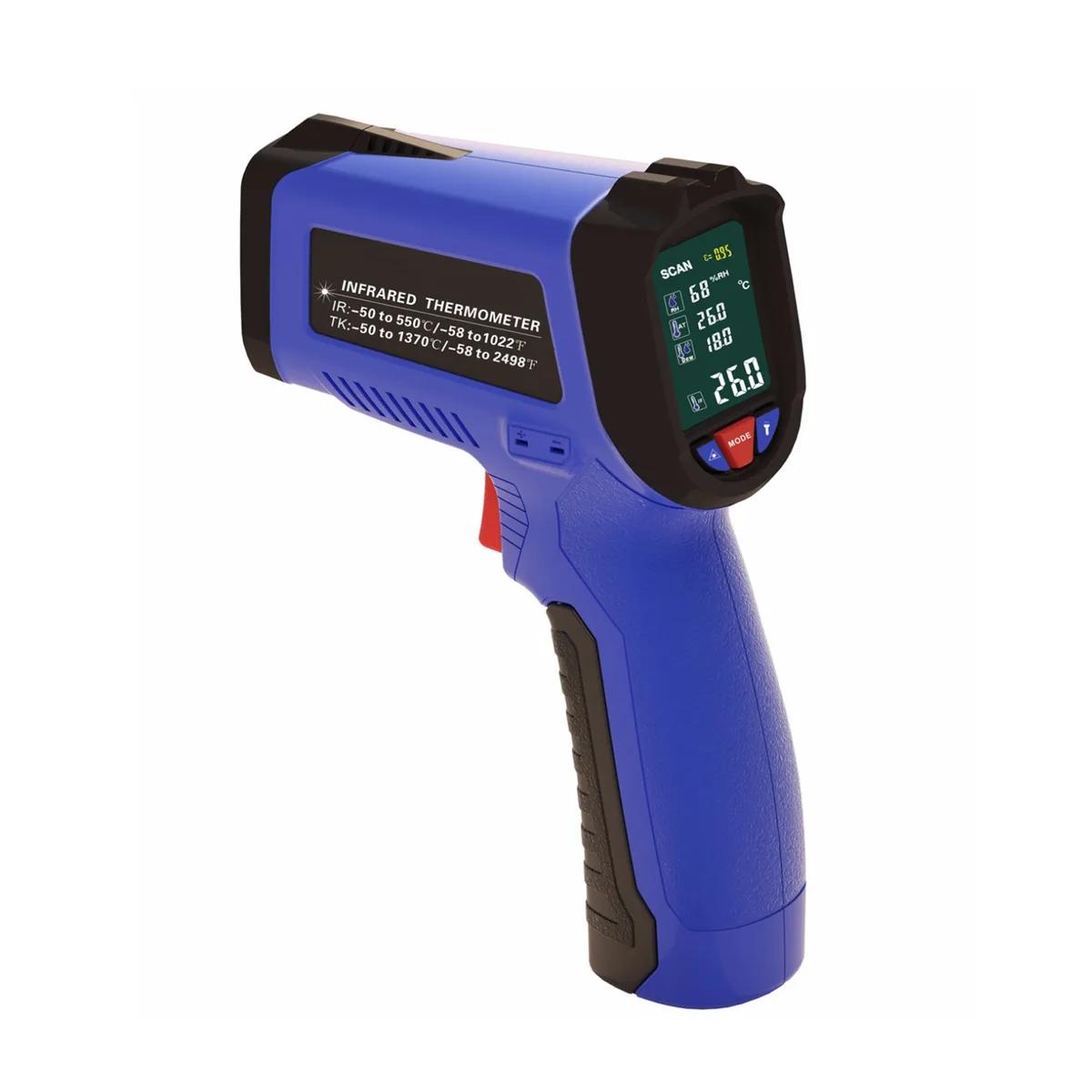
Image source: Bing (Web (fair-use with source credit))
This test takes about five minutes and tells you more than any other single diagnostic. Write down the numbers. If you end up calling technical support, they'll ask for exactly this data.
One important note: test in a warm room. Most dehumidifiers struggle below 60°F. Cold rooms cause the coils to frost over, which changes the heat output and confuses your reading.
If you're testing in a basement, keep in mind that the best basement dehumidifier models are designed to handle cooler temperatures better than standard units.
Diagnosing What's Wrong (When It's Too Hot)
So your temperature rise is over 20°F. Now what? Let's walk through the most common causes in order of likelihood.
If the air filter is clogged, then the heat will rise. A dirty filter severely restricts airflow. The unit still runs, but the heat can't disperse properly. Pull out the filter and hold it up to the light.
If you can't see light through it, it's time to clean or replace it.
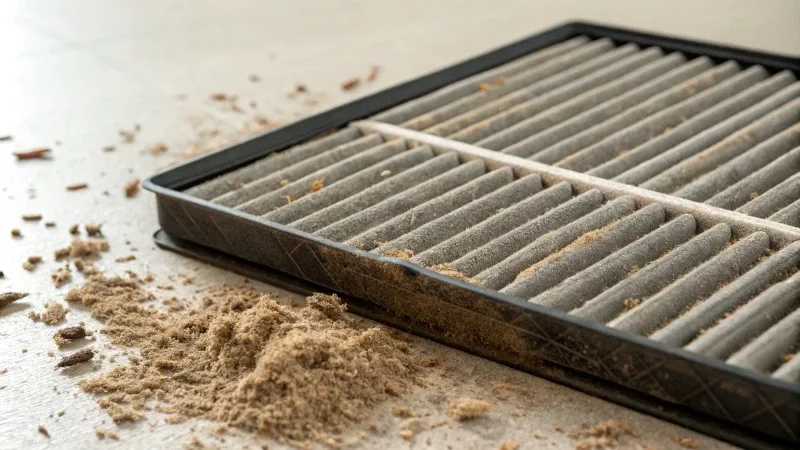
Image source: Bing (Web (fair-use with source credit))
If the condenser coils are dusty, then the heat exchange suffers. The condenser coil is responsible for releasing heat. When it's covered in dust, the heat backs up inside the unit. Vacuum it gently with a soft brush attachment.
If the fan is weak or noisy, then airflow is the problem. Listen to the fan at the exhaust vent. It should sound steady and strong. If it's sputtering or weak, the motor may be dying.
This is a common failure after several years of use.
If the room is too cold, then the defrost cycle is interfering. When a compressor unit runs below 60°F, ice forms on the evaporator coils. The unit periodically switches to defrost mode, which reheats those coils. This can cause spikes in exhaust temperature.
Move the unit to a warmer space if you can.
If the refrigerant is low, then the compressor runs hot. Refrigerant leaks cause the compressor to work overtime. This is a serious issue that requires a technician. The unit will likely also fail to remove humidity properly.
If the compressor is failing, then everything about the unit behaves wrong. A failing compressor may click, hum, or blow inconsistently hot air. This usually happens after 5 to 10 years of heavy use.
Work through these one at a time. Start with the filter, then the coils, then the fan. Those three cover about 80% of all too hot complaints.
What NOT To Do When Troubleshooting
There's a right way and a wrong way to address this. Let's cover the mistakes we see people make all the time.
Don't block the exhaust vent. We get why you'd want to redirect that hot air, but blocking the top vent is a great way to overheat the unit and start a fire. If the heat bothers you, set up a fan to help dissipate it.
Don't poke at the coils. The refrigerant lines are sealed. If you bend or puncture them, you'll cause a refrigerant leak. That's a guaranteed expensive repair and an EPA violation.
If you suspect a leak, call a certified technician.
Don't run the unit in freezing temperatures. Dehumidifiers aren't designed for outdoor sheds or unheated garages. Below 40°F, the coils will ice over repeatedly. This confuses the diagnostics, wastes energy, and shortens the compressor's lifespan.
Don't ignore warning signs. If you notice a burning smell, strange noises, or an unusually high electric bill, stop using the unit immediately. These could indicate an electrical problem. Unplug it and seek professional help.
Don't replace the unit before checking the easy stuff. A $10 filter replacement can fix what feels like a major breakdown. We've seen many people toss a perfectly good dehumidifier because they didn't think to clean the intake grille.
Don't use extension cords. Dehumidifiers pull significant power. An undersized extension cord can overheat and cause a fire hazard. Always plug directly into a grounded wall outlet.
If you're unsure about any step, consult the manufacturer's manual. Most brands also have customer support lines with diagnostic guidance. And if the unit is still under warranty, don't attempt repairs yourself.
You'll void the coverage.
When To Fix It, When To Replace It
At some point you have to decide: repair this thing or buy a new one. The answer depends on the unit's age, the repair cost, and how bad the problem is.
If the unit is under 3 years old and still under warranty, always repair. Contact the manufacturer first. Most brands cover the compressor and sealed system for 5 years. You'll pay nothing for parts if the problem is a refrigerant leak or a failed compressor.
If the fix is a filter or a coil cleaning, just do it. Those are basic maintenance, not repairs. A clean filter costs around $10 and takes 30 seconds. A coil cleaning with a vacuum brush takes 10 minutes.
Neither justifies a new unit.
If the fan motor is dead, compare the repair quote to a new unit. A replacement fan motor typically costs $80 to $150 including labor. If your dehumidifier is more than 5 years old, that's half the price of a new machine. We'd lean toward replacement in that case.
If the compressor is shot, replace the unit. Compressor replacements are expensive, often $200 to $400 for parts and labor. Plus there's no guarantee the rest of the unit won't fail soon after. A new dehumidifier with the same capacity costs $150 to $300 as of 2026.
Here's a quick decision guide:
| Situation | Recommended Action |
|---|---|
| Clogged filter or dirty coils | Clean or replace |
| Fan motor failure (unit under 3 years) | Repair under warranty |
| Fan motor failure (unit over 5 years) | Replace |
| Refrigerant leak (under warranty) | Repair |
| Refrigerant leak (out of warranty) | Replace |
| Compressor failure (any age) | Replace |
| Unit over 8 years old, any major issue | Replace |
One more thing to consider: efficiency. Older units use more electricity. A new Energy Star rated dehumidifier can cut your operating cost by 20 to 30 percent.
If your current unit is blowing hot air and running constantly, you're paying for that wasted energy every month.
Frequently Asked Questions
How hot is too hot for a dehumidifier exhaust?
Anything above a 20°F temperature rise is too hot. Measure the room temperature and the exhaust temperature. If the difference exceeds 20°F, you likely have a dirty filter, blocked coils, a failing fan, or a refrigerant issue.
Address it promptly to avoid damage.
Why does my dehumidifier feel hotter in the basement?
Basements are cooler and have less airflow. A 10°F temperature rise feels much warmer when the room is 55°F compared to a 75°F living room. The heat also has nowhere to disperse quickly.
That's normal. Test the temperature rise to confirm.
Do desiccant dehumidifiers run hotter than compressor models?
Yes. Desiccant units use a heating element to regenerate the moisture-absorbing wheel. They typically produce a 15 to 25°F temperature rise.
That's by design. If you're sensitive to heat, a compressor model is usually the better choice for occupied spaces.
Can a dirty filter cause the dehumidifier to blow hot air?
Absolutely. A dirty filter is the number one cause of excessive heat. It restricts airflow, which traps heat inside the unit.
The compressor works harder and the exhaust temperature climbs. Clean or replace the filter every 2 to 4 weeks during heavy use.
Should I stop using my dehumidifier if it blows hot air?
Not automatically. If the temperature rise is under 15°F and the humidity is dropping, keep running it. If the exhaust is over 20°F above room temperature, or if you smell burning, turn it off.
Unplug the unit and inspect the filter and coils before restarting.
Will a dehumidifier heat up an entire room?
It can, especially in a small enclosed space. A typical unit adds about 500 to 800 BTUs of heat per hour. That's noticeable in a bathroom or closet.
In a large basement, the effect is minimal. If the heat bothers you, run a ceiling fan or open a door to mix the air.