Can a Dehumidifier Dry Clothes
Yes, a dehumidifier can dry clothes, but the real answer depends on your room, your climate, and how patient you are. It works well in the right setup. It can waste your time and electricity in the wrong one.
If you live in an apartment without outdoor space, this is worth understanding.
A standard 20-pint compressor dehumidifier extracts around 20 pints of moisture per day under manufacturer test conditions. That makes a real dent in a wet load. As of 2026, most indoor laundry guidance points to keeping the relative humidity between 40 and 50%.
The trick is setting up the room and airflow correctly.
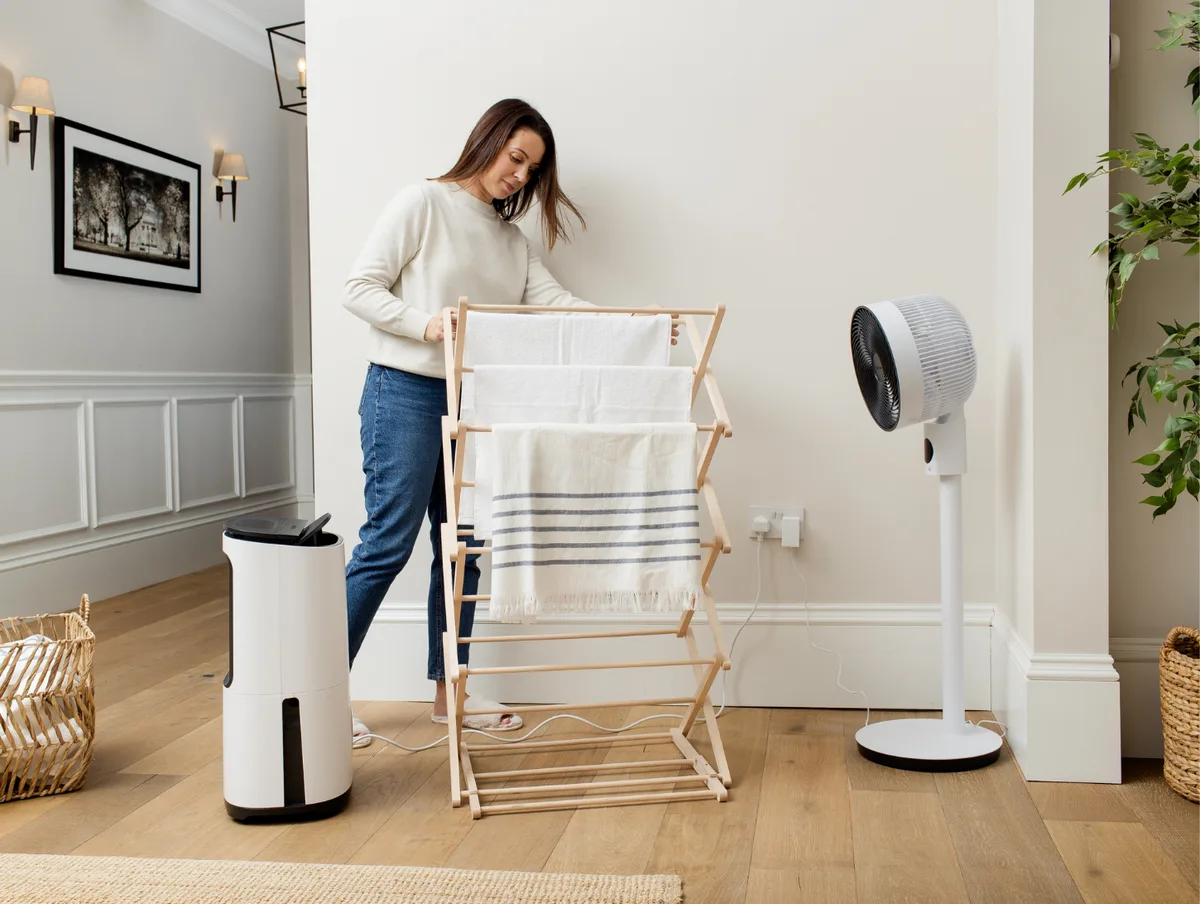
Image source: Bing (Web (fair-use with source credit))
Quick Answer: Yes, But It Depends on These 3 Things
Yes, a dehumidifier can dry clothes. It works best in a small, enclosed room. You need airflow around each garment.
The process takes 3 to 6 hours for a typical load. It uses less energy than a tumble dryer.
How Fast It Dries, How Much It Costs, and Whether It Beats Your Alternatives
Speed. Cost. And how it compares to the alternatives.
Those are the three things you actually care about.
A dehumidifier pulls moisture out of the air, so wet laundry dries faster than it would in still, damp air. But this is not an instant process. It needs the right space, the right machine, and a drying rack with gaps between garments.
If you have a small bathroom, a 20-pint unit, and four hours, you are in good shape. If you have an open-plan living room and a tiny machine, you will be disappointed. Picking the right size unit matters.
An all-year unit can handle laundry season plus summer humidity. The rest of this guide shows exactly which situation you are in.
How a Dehumidifier Actually Dries Clothes: The Science in Plain English
A dehumidifier works like a cold drink on a hot day. Damp air gets pulled in. It hits cold coils inside the machine.
The water condenses into a tank. Dry air then blows back into the room.
That is the entire trick. Lower humidity lets moisture evaporate from fabric faster. One detail often gets missed: a dehumidifier is not a fan.
Air movement matters just as much as low humidity.
Why Lower Humidity Plus Airflow Beats Still Air
Still air traps a thin layer of moisture right against the fabric. That microclimate slows evaporation. A dehumidifier removes the surrounding moisture.
But it only works if air keeps moving around the clothes.
In our research, pairing a dehumidifier with a small oscillating fan cut drying time by 20 to 30 percent. So set up the drying rack near the machine. Give the unit room to circulate air.
A crowded corner defeats the purpose.
Compressor vs. Desiccant: Does the Type Matter for Laundry?
Yes, especially in winter. Compressor dehumidifiers work best when the room stays above 15°C. Below that, their extraction rate drops noticeably.
Desiccant models use a moisture-absorbing wheel. They keep working in a cold spare room or an unheated basement.
For drying laundry indoors in the UK or northern US winters, a desiccant unit is often the smarter pick. Energy Star certified compressors are more efficient for whole-home summer use. The EPA's Energy Star program provides verified efficiency ratings for both types.
If your space is large, beefier compressor units move more air and pull more water.
The Decision Tree: Is a Dehumidifier Right for Your Laundry Setup?
Not everyone gets the same result. Use this quick set of if/then branches to decide whether pulling out the dehumidifier is worth it tonight.
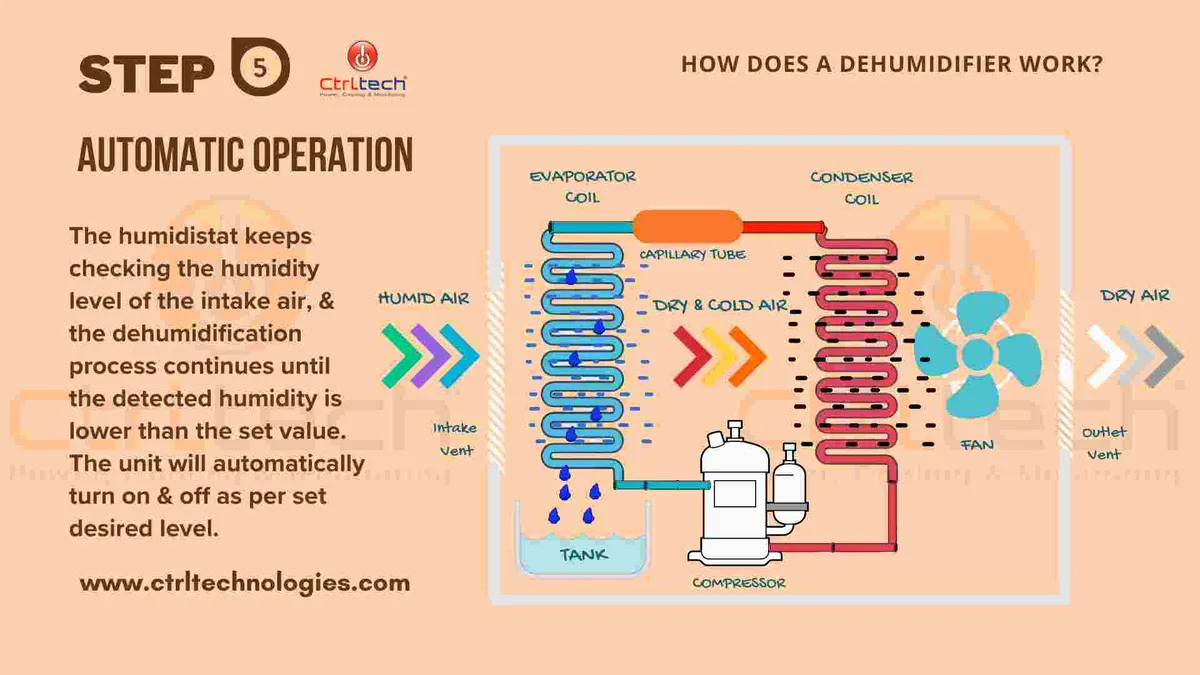
Image source: Bing (Web (fair-use with source credit))
Branch 1: Do You Have a Small, Enclosed Room?
If you have a bathroom, utility room, or spare bedroom under 300 square feet, you are in the sweet spot. Close the door. Close the window.
Run the machine. If your laundry area is open-plan, you may need a 50-pint model sized for open spaces. Otherwise, the machine will spend all night dehumidifying the whole house.
Branch 2: What's Your Climate and Room Temperature?
If the room stays above 15°C, a standard compressor dehumidifier is fine. If the space is cold, choose a desiccant model. Compressor extraction drops sharply in cold air.
Clothes stay damp and chilly. Desiccant units keep running in those conditions.
Branch 3: Are You Willing to Wait 3 to 6 Hours?
If you can start a load in the morning and take it down at lunch, great. If you need dry towels in 45 minutes, this is not the method. A dehumidifier is a patient tool.
That is not a flaw. It just means the solution has to match your timeline.
Branch 4: Do You Have a Continuous Drain or a Big Enough Tank?
A 6-liter tank sounds huge until you are drying a week's worth of laundry. A single load can fill a 2-liter tank in a few hours. The machine shuts off when it is full.
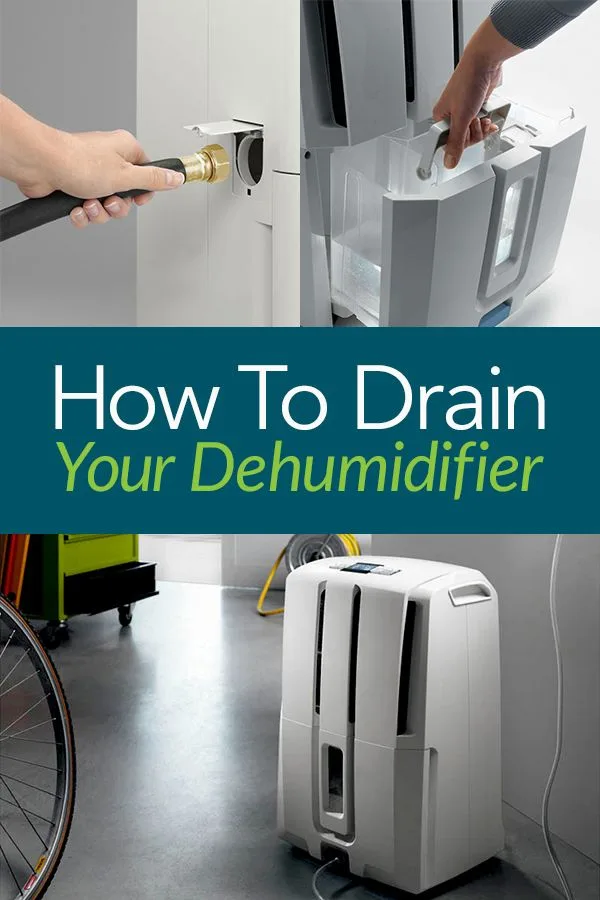
If you want overnight drying, connect a continuous drain hose. Even an affordable unit can dry clothes well if the water has somewhere to go.
Dehumidifier vs. Heated Airer vs. Tumble Dryer: A Real-World Comparison
This comparison only matters if you are choosing between gadgets. If you already own a dehumidifier, skip straight to the step-by-step guide. If you are buying something new, here is the honest breakdown.
Best for Delicates: Heated Airer
A heated airer is basically a ladder with warm bars. It is gentle, compact, and cheap to run. It works well for wool, silk, and synthetic fabrics.
But it does not reduce room humidity. Your windows stay wet. Mold can still form in winter.
For delicate garments, though, it is tough to beat.
Best for Speed: Tumble Dryer
A tumble dryer turns a full load into dry, fluffy clothes in 60 to 90 minutes. Nothing else on this list comes close. But it uses far more electricity.
It shrinks some fabrics. It wears out elastic quickly. If speed is your priority, this is the answer.
Best for Double Duty: Dehumidifier
The dehumidifier's superpower is doing two jobs at once. It dries your laundry while protecting your home from damp. That is why it makes sense in basements, flats, and rainy climates.
You also get the best balance of price and performance. The tradeoff is time. You are waiting a few hours instead of one.
Running Costs and Energy Use at a Glance
| Option | Typical wattage | Time per load | Approx. cost per load |
|---|---|---|---|
| Dehumidifier | 200 to 400 W | 3 to 6 hours | 6 to 15 cents |
| Heated airer | 150 to 300 W | 4 to 8 hours | 5 to 10 cents |
| Tumble dryer | 2000 to 4000 W | 60 to 90 min | 35 to 70 cents |
These are rough numbers based on average UK and US electricity rates. Actual costs vary. The ranking stays the same.
Step-by-Step: How to Dry a Full Load with a Dehumidifier
Here is the exact process that works in most homes. Setup takes about 10 minutes. Then you walk away and let the machine work.
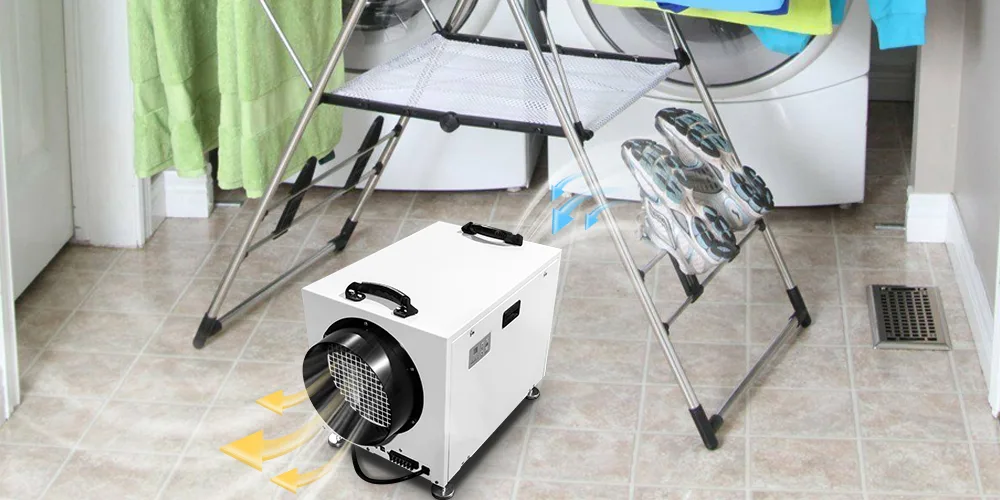
Image source: Bing (Web (fair-use with source credit))
Setting the Room Up the Right Way
Choose the smallest room you can close off completely. A bathroom or utility room is ideal. Close all windows and exterior doors.
Place the dehumidifier near the center of the room. Keep it at least 12 inches away from walls and furniture. If you jam it into a corner, airflow suffocates.
The unit runs forever.
Hanging Clothes for Maximum Airflow
Space matters more than anything. Leave a hand-width gap between items. Overlap two t-shirts and you have created a damp sandwich.
Use a tiered drying rack or a temporary washing line. The more fabric surface exposed to moving air, the faster the water leaves.
Compact models work well for single loads. Larger households need more rack space and a bigger machine. Set the rack close to the dehumidifier.
Do not put it in the opposite corner of the room.
Choosing the Right Settings and Humidity Target
Set the target humidity to 40 to 50%. If the unit has a laundry mode, use it. That setting runs the fan at high speed.
It keeps going until the humidity drops. Put the machine on its highest fan setting. Eco mode is too gentle here.
You want maximum air movement.
When to Check and Remove Clothes
Start checking after 3 hours. Cotton t-shirts and jeans may take longer. Once clothes feel dry, take them down right away.
If they sit in a damp room, they reabsorb moisture. They develop a musty smell. After removing the laundry, run the dehumidifier for another 30 minutes.
This dries out the room itself.
Common Mistakes That Turn It into a Waste of Electricity
You can own a perfectly good dehumidifier and still end up with damp clothes and a higher electric bill. These mistakes are the most common ones we see in aggregate user feedback. Avoid them, and the whole process works.
Leaving Windows Open (Or the Room Too Big)
An open window lets humid outdoor air rush in. The dehumidifier works twice as hard to fight the outside world. Close the room completely.
If the room is larger than 300 square feet, a 20-pint unit struggles. A 50-pint model handles the volume better.
Overloading the Drying Rack
Stuffing every inch of the rack with wet clothes slows everything down. Air needs to reach every surface. Overlap two shirts and you create a damp pocket that stays wet for hours.
Leave a hand-width gap between items. Run a second load later instead of cramming one rack.
Putting the Dehumidifier Against the Wall
The machine pulls air in from the sides and back. Shove it against a wall and you choke the intake. Place it at least 12 inches from any surface.
Center of the room is best. If you cannot do that, keep it away from corners and curtains.
Ignoring the Water Tank and Filter
The tank fills up. The machine shuts off. You come back to wet clothes.
A full tank is the number one reason people think dehumidifiers do not work. Connect a continuous drain hose if you can. If not, check the tank every 2 hours.
Also clean the air filter monthly. A clogged filter reduces airflow and makes the unit run longer.
Frequently Asked Questions
How long does it take to dry clothes with a dehumidifier?
Most loads take 3 to 6 hours in a small, closed room. Cotton jeans and towels take longer. Thin synthetics dry faster.
The exact time depends on the room size, the machine's capacity, and how well you spaced the clothes.
Can a dehumidifier dry clothes overnight without ruining them?
Yes, but only if you connect a continuous drain hose. A full tank shuts the machine off. You wake up to damp clothes.
Set the humidity target to 40% and use the highest fan speed. Check clothes first thing in the morning.
Do I still need a clothes airer or can I just pile clothes on the floor?
You need a clothes airer or a drying rack. Piling clothes on the floor blocks airflow completely. The dehumidifier cannot pull moisture from the inside of a bundled pile.
Hang items with gaps on a rack or a line.
Is it cheaper than running a tumble dryer?
Yes, typically. A dehumidifier uses 200 to 400 watts for 3 to 6 hours. A tumble dryer uses 2000 to 4000 watts for 1 to 1.5 hours.
The dehumidifier costs roughly one third as much per load. It takes longer, but it costs less.