Does a Dehumidifier Dry Clothes Faster
If you have ever hung a load of laundry indoors and watched it stay damp for two days, you have probably wondered: does a dehumidifier dry clothes faster? The short answer is yes, but not all setups work equally well. The real trick is understanding how moisture evaporates and what conditions speed it up.
In our research, we found that a dehumidifier can cut drying time from 24-plus hours down to four to eight hours in the right conditions. That is a huge improvement, but it depends on room size, airflow, and how you position everything. Let us walk through the details so you can decide if this method is right for your home.
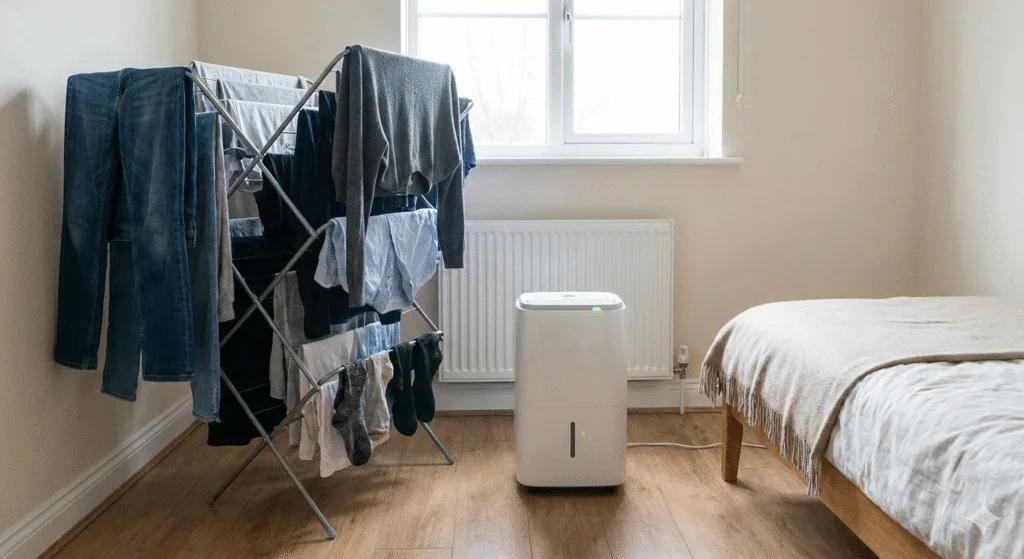
Image source: Bing (Web (fair-use with source credit))
The Real Problem: Why Your Indoor Laundry Takes Forever to Dry
Indoor laundry dries slowly because water evaporates into the air, and air that is already full of moisture cannot absorb more. Your washing machine spins out most of the water, but a typical load still holds about a pint to a quart of liquid. That water has to go somewhere.
In a closed room with no ventilation, the air becomes saturated. The humidity level climbs above 70 percent, and evaporation nearly stops. Your clothes stay cold and damp.
Mold and mildew start to grow after 24 hours. That is the real problem.
The key metric is relative humidity. Per ASHRAE standards, comfortable indoor humidity sits between 30 and 50 percent. When you dry laundry inside, the humidity can spike past 80 percent.
A dehumidifier pulls that moisture out of the air, which drops the humidity and lets evaporation happen again.
But there is a catch. The dehumidifier does not blow air across the clothes. It only treats the air that passes through its intake.
If the room air is still, only the air near the machine gets dry. The rest of the room stays damp. That is why airflow is just as important as the machine itself.
Quick Answer: Does a Dehumidifier Actually Make Clothes Dry Faster?
Yes, a dehumidifier makes clothes dry faster indoors. It removes moisture from the air, which allows water to evaporate from wet fabric. Three factors determine the speed: room size, whether the room is sealed, and airflow.
In the right conditions, jeans dry in five to seven hours. T-shirts dry in three to four hours. Towels dry in six to eight hours.
That is faster than air drying, but slower than a tumble dryer.
How a Dehumidifier Removes Moisture from Wet Clothes
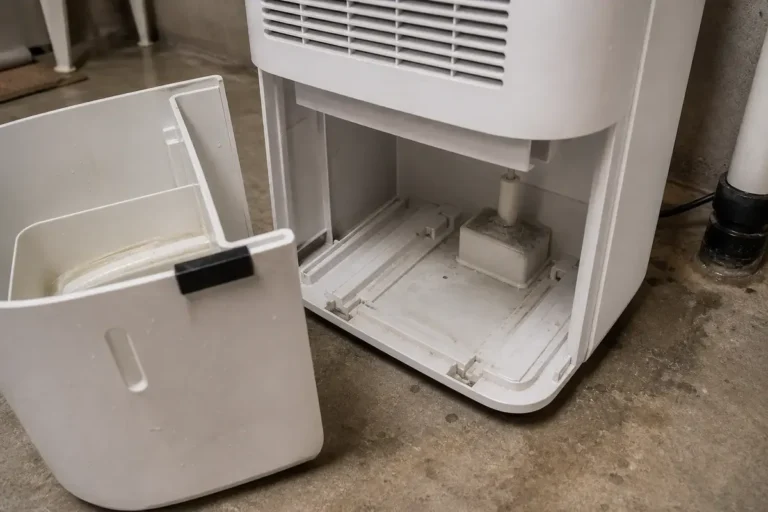
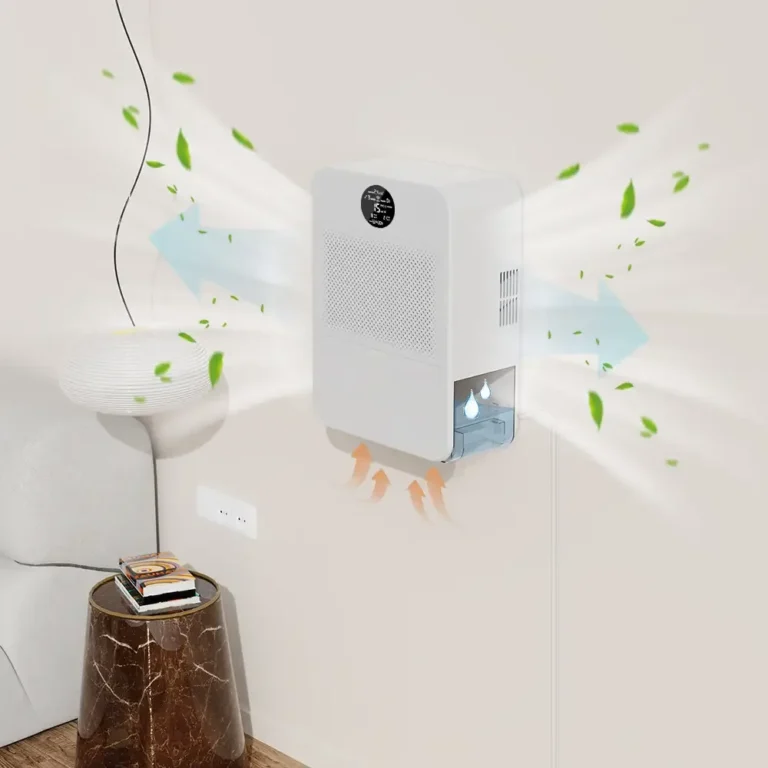
A dehumidifier works by pulling room air through a cold coil. Moisture in the air condenses on the coil, just like water on a cold glass. The water drips into a tank, and the machine blows dry air back into the room.
The drier air then absorbs moisture from your wet clothes. As long as the humidity stays low, evaporation continues. The process repeats until the clothes are dry.
But there is a limit. The dehumidifier can only remove moisture as fast as the air passes through it. If the room is too large, the machine runs constantly and never catches up.
If the room is too humid, the machine struggles to drop the level below 50 percent.
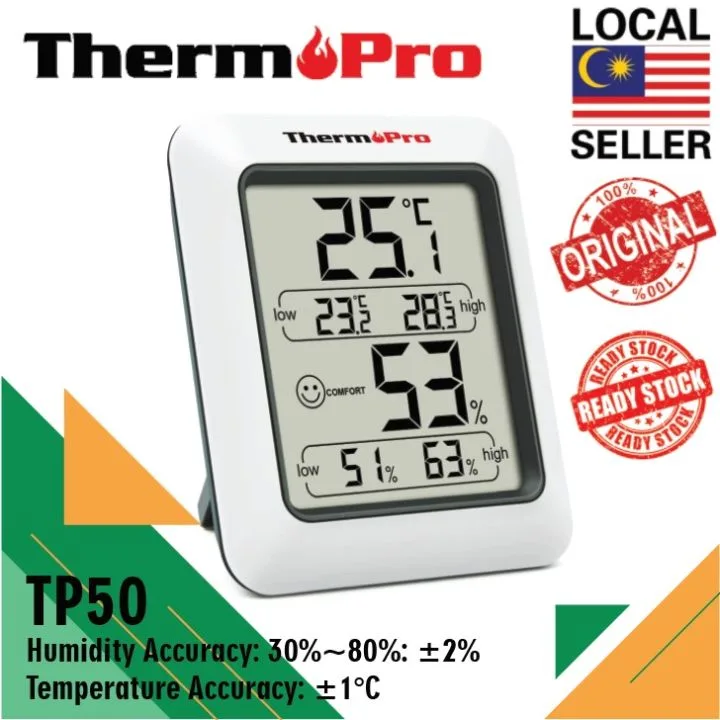
Image source: Bing (Web (fair-use with source credit))
A hygrometer is essential for this process. It tells you the current humidity level. Manufacturer specifications indicate that most dehumidifiers work best when the starting humidity is below 70 percent.
If your room is already at 80 percent, you need to run the machine for an hour or two before hanging the clothes.
You also need the right placement. Put the dehumidifier in the center of the room if possible. Do not push it into a corner or behind furniture.
The unit needs clear airflow on all sides to pull in humid air and push out dry air.
Which Setup Is Right for You? A Quick Decision Tree
Not every situation calls for a dehumidifier. Use this decision tree to figure out your best option.
If you have a tumble dryer available: Use it. A dryer is faster and easier. A dehumidifier is a backup for items you cannot machine dry or for saving energy.
If you do not have a dryer and live in a warm, dry climate: Open a window. A cross breeze dries clothes faster than any machine. A dehumidifier would be a waste of electricity.
If you live in a humid climate or it is winter: A dehumidifier is your best bet. Cold air holds less moisture, so opening a window does not help. A dehumidifier paired with a fan is the fastest indoor method.
If you have a small room: A 20-pint or 30-pint unit works fine. Check our list of compact bedroom dehumidifiers if you need a small model.
If you have a large room or basement: You need a 50-pint or 70-pint unit. A larger machine pulls more water per hour. Our guide to the best 50-pint dehumidifier for large rooms can help you choose the right size.
If you cannot run a fan: The dehumidifier still helps, but it will be slower. Expect drying times to double compared to using a fan.
| Situation | Best Option | Drying Time Estimate |
|---|---|---|
| Tumble dryer available | Dryer | 1–2 hours |
| Warm, dry climate | Open window + fan | 4–6 hours |
| Humid or cold climate | Dehumidifier + fan | 4–8 hours |
| Small room (under 200 sq ft) | 20–30 pint dehumidifier | 4–6 hours |
| Large room or basement | 50–70 pint dehumidifier | 6–8 hours |
How to Set Up Your Dehumidifier for Fastest Results: Step by Step
Getting the setup right matters more than the machine itself. Follow these steps for the fastest drying time.
Step 1: Prepare the room. Close all doors and windows. Seal any gaps under the door with a towel if needed. The room must be as airtight as possible.
Step 2: Check the starting humidity. Use a hygrometer to measure the room. If it is above 70 percent, run the dehumidifier for one hour before hanging the clothes. This gives the machine a head start.
Step 3: Hang the clothes on a single airer. Do not spread them across multiple rooms. Keep the load concentrated so the dehumidifier and fan work together in one space.
Step 4: Place the dehumidifier in the center of the room. Keep it at least 12 inches from walls and furniture. The intake vents need clear air.
Step 5: Position a fan near the clothes. Point the fan directly at the wet fabric. A small oscillating fan or a clip-on fan works well. The moving air strips moisture off the surface faster.
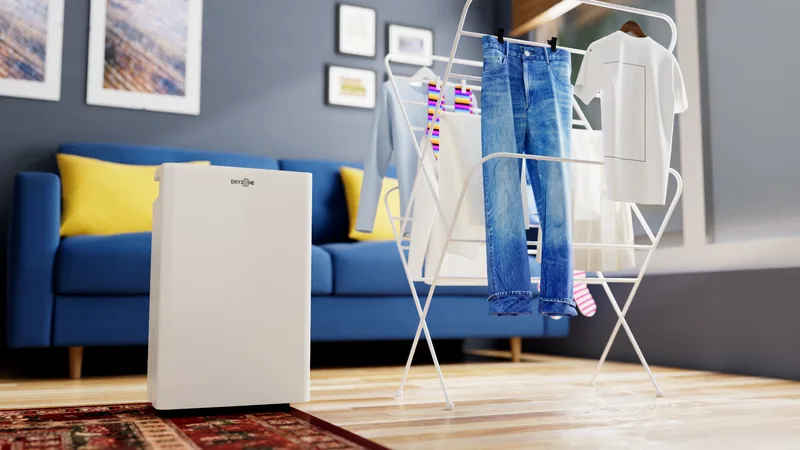
Image source: Bing (Web (fair-use with source credit))
Step 6: Set the dehumidifier to its highest fan speed. Most units have a laundry mode that runs continuously. If yours does not have that setting, just set the target humidity to 40 percent.
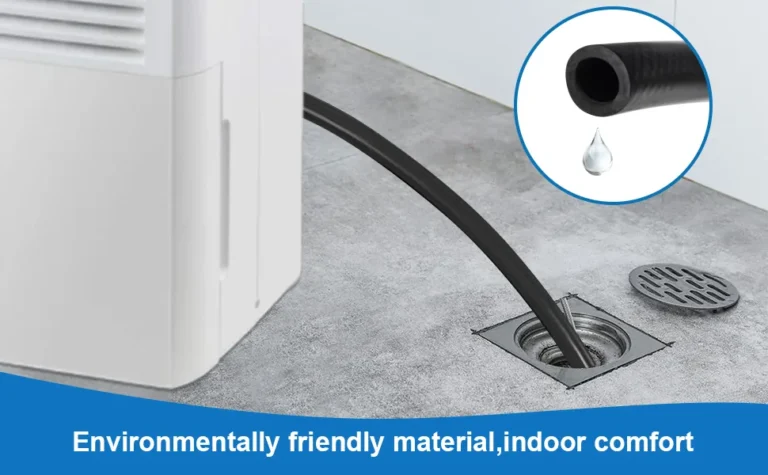
Step 7: Empty the tank every two to three hours. A full load of laundry can fill a 20-pint tank in a few hours. If you have a continuous drain hose, use it. This saves you from checking the tank constantly.
Step 8: Let the clothes hang for four to six hours. Check them after four hours. Thin fabrics like T-shirts dry faster. Thick items like jeans and towels take longer.
Common Mistakes That Slow Down the Process
Even with the right setup, small errors can kill your drying time. Here are the most common mistakes we see in aggregate user feedback.
Overloading the room. Hanging too many wet clothes in one space overwhelms the dehumidifier. Stick to one full load per session. Split large loads into two batches.
Skipping the fan. This is the biggest mistake. Without a fan, the dehumidifier relies on natural air movement. A cheap fan cuts drying time by nearly half.
Opening a window. If the outdoor air is humid, you are working against the machine. Keep the room sealed. The only exception is if the outdoor humidity is below 40 percent.
Placing the dehumidifier in a corner. The unit needs airflow on all sides. Put it in the center of the room or at least 12 inches from any wall.
Using a unit that is too small. A 20-pint dehumidifier in a 500-square-foot basement will run constantly and never dry the clothes. Match the capacity to the room size. For basements, a 50-pint unit is the minimum.
Not emptying the tank. A full tank triggers an auto-shutoff. The machine stops, and the humidity climbs back up. Use a continuous drain hose if you cannot check the tank every few hours.
The Final Decision Guide: When to Use a Dehumidifier vs. Other Options
By now you know the answer. A dehumidifier does dry clothes faster than air drying alone. But it is not the fastest option for every situation.
Here is the final breakdown.
Use a dehumidifier when:
- You have no tumble dryer or outdoor space
- You live in a humid climate or it is winter
- You want to save energy compared to a dryer
- You are drying delicate fabrics that shrink in heat
Skip the dehumidifier when:
- You have a tumble dryer available and need speed
- The outdoor air is warm and dry (below 50 percent humidity)
- You are drying only a few small items (a rack near a sunny window works fine)
Consider a heated airer when:
- Your room is very cold (below 60°F)
- You want to use less electricity than a dehumidifier
- You are drying only lightweight items like shirts and underwear
Heated airers use about 200 to 300 watts, compared to 400 to 600 watts for a dehumidifier. They are slower for thick items but cheaper to run.
Consider a 70-pint dehumidifier when:
- You have a very large basement or open-plan space
- You dry laundry regularly year-round
- You also want to control basement humidity for mold prevention
Our guide to the best 70-pint dehumidifier covers the top models for high-capacity needs.
| Method | Speed | Energy Cost | Best For |
|---|---|---|---|
| Tumble dryer | Fastest (1-2 hrs) | Highest | Any load, any climate |
| Dehumidifier + fan | Fast (4-8 hrs) | Medium | Humid or cold climates |
| Heated airer | Medium (6-12 hrs) | Low | Small loads, cold rooms |
| Air drying (open window) | Slow (12-24 hrs) | Free | Warm, dry climates |
Frequently Asked Questions
How long does it take a dehumidifier to dry clothes?
With a fan and a sealed room, expect four to eight hours for a full load. Thin fabrics dry in three to four hours. Jeans and towels take six to eight hours.
Without a fan, double those times.
Can I leave the dehumidifier running overnight?
Yes, but check the noise level. Most units run at 45 to 55 decibels, which is quieter than a fan but not silent. If the tank is small, it may fill up and shut off before morning.
Does a dehumidifier use a lot of electricity to dry clothes?
A typical dehumidifier uses 400 to 600 watts per hour. Over eight hours, that is about 3.2 to 4.8 kWh. At average US electricity rates, that costs $0.40 to $0.70 per load.
A tumble dryer costs about $0.50 to $1.00 per load. For energy-efficient models, check our value dehumidifier guide.
Do I need a special dehumidifier for laundry?
No. Any portable dehumidifier works. Some models have a laundry mode that runs the fan continuously rather than cycling on and off.
That setting helps, but it is not required. A standard unit set to 40 percent humidity works fine.
Should I put the dehumidifier under the clothes?
No. Cold air sinks, and the dehumidifier pulls air from the floor. The wet clothes are above it.
Place the dehumidifier a few feet away from the rack, not directly underneath. The fan handles moving air across the fabric.
Can a dehumidifier dry clothes in a cold room?
It can, but it is slower. Dehumidifiers work best in rooms above 60°F. Below that temperature, the coils may frost over.
Some units have a defrost mode for colder conditions. For unheated garages, a heated airer is usually a better choice.