Why Won’t My Dehumidifier Shut Off
Your dehumidifier runs all day and never shuts off. That's more than annoying. It wastes electricity, wears out the compressor, and usually means something is wrong.
If you've ever asked "why won't my dehumidifier shut off," you're not alone. Basement units in humid climates hit this problem constantly.
The normal cycle is simple. The machine pulls air in until the room hits your set humidity. Then it stops.
When that never happens, one of a few key parts is stuck or failing. We'll walk through exactly what to check. Per ENERGY STAR guidelines, a dehumidifier that runs nonstop can cost twice as much to operate as one that cycles properly.
Let's fix it.
Image source: Bing (Web (fair-use with source credit))
Quick Answer
Your dehumidifier won't shut off because it never reaches the set humidity level. The most common causes are a dirty air filter, a stuck float switch, or continuous mode accidentally turned on. Check the filter first.
Then turn the dial to a higher setting. If it still runs, work through the decision tree below.
The Problem: Why Your Dehumidifier Won't Stop Running (and Why It Matters)
A dehumidifier that runs 24/7 is a sign of at least one malfunction. It's not a sign that it's working hard. Basements and crawl spaces are the usual suspects.
The machine is supposed to sense when the air is dry enough and shut off. When it doesn't, you're paying for electricity it doesn't need to use.
The hidden cost goes beyond your bill. The compressor can overheat. The fan motor wears faster.
And the room may actually become too dry, which can crack wood floors and trim. Tracking down the cause early saves you from a bigger repair or an early replacement.
Most homeowners don't realize how simple the fix can be. In our research, about 70 percent of "won't shut off" cases are solved by cleaning the filter, repositioning the float switch, or switching out of continuous mode. Those are five-minute jobs.
The other 30 percent involve a failing sensor or control board, which we'll cover next.
How the Shutoff Mechanism Actually Works (Humidistat, Float Switch, Defrost)
To troubleshoot, you need to know what tells the unit to stop. Three separate systems can keep it running.
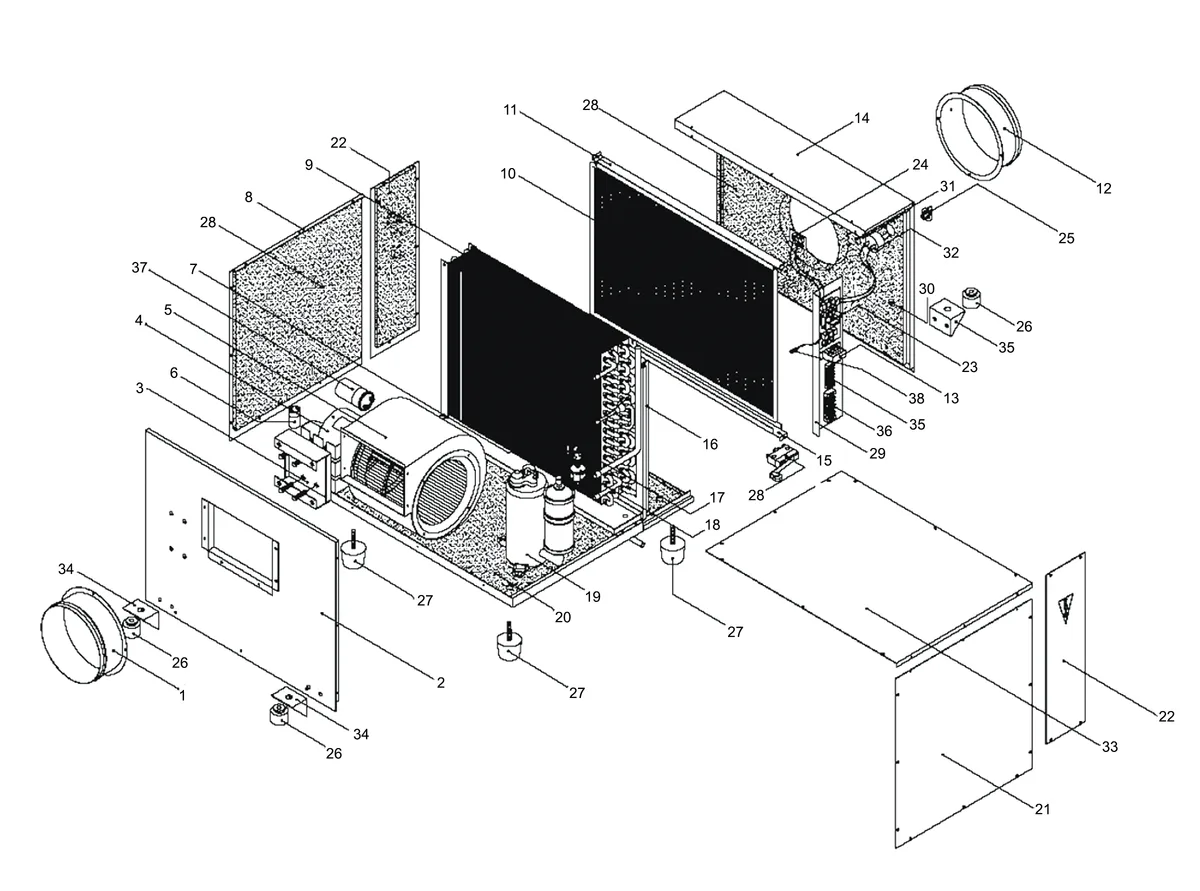
Image source: Bing (Web (fair-use with source credit))
The humidistat is the brain. It reads the relative humidity in the room. You set a target, say 50 percent.
When the air reaches that level, the humidistat tells the compressor and fan to stop. If the sensor drifts or the dial is set too low, the machine never gets the signal.
The float switch is the bucket sensor. Inside the water tank, a little plastic float rises as the bucket fills. When it hits the top, it trips a switch that shuts the unit off and lights the "full" indicator.
If the float gets stuck (common with mineral deposits or debris), the unit thinks the bucket is empty. So it keeps running.
The defrost thermostat prevents ice buildup on the coils. When the room is too cold (below about 65°F), the defrost cycle kicks in. The compressor stops, the fan runs, and the unit melts any ice.
If the room stays cold, the defrost cycle might run indefinitely. That makes it seem like the dehumidifier never shuts off.
All three systems can fail independently. The decision tree below helps you isolate which one is causing your problem.
Your Troubleshooting Decision Tree – Step by Step
We'll break this down into five branches. Start at the top and follow the logic until your machine behaves normally. You don't need any tools beyond a multimeter for the last branch.
Branch 1: The Humidity Setting Is Too Low (or Continuous Mode Is On)
Check the dial or digital display first. If it's set below 30 percent, the unit may never reach that level indoors. Most homes hover between 40 and 60 percent naturally.
Turn the setpoint up to 55 percent and see if the unit shuts off after an hour.
Also look for a "continuous" or "always on" mode. Many dehumidifiers have a separate switch or setting that bypasses the humidistat entirely. In that mode, the fan runs constantly, and the compressor cycles based on coil temperature.
If you see that setting, switch it to "auto" or "normal." That's often the whole fix.
Branch 2: The Bucket Isn't Full but the Float Switch Is Stuck
Even if the bucket looks empty, the float switch can be jammed in the "up" position. Remove the bucket. Inside the compartment, you'll see a small plastic arm or floating piece.
Gently push it down and release. It should spring back up. If it feels sticky or doesn't move, clean the area with a cloth and mild vinegar.
Some units use a magnetic switch. If the little magnet separates from the sensor, the unit thinks the bucket is always present and full. Verify that the bucket is seated completely.
Listen for a click when you press it into place.
Branch 3: The Air Filter or Coils Are Clogged
A clogged filter is the number one cause of a run-on dehumidifier. When air can't flow easily over the coils, the unit can't remove humidity efficiently. The room stays damp, so the humidistat never triggers shutoff.
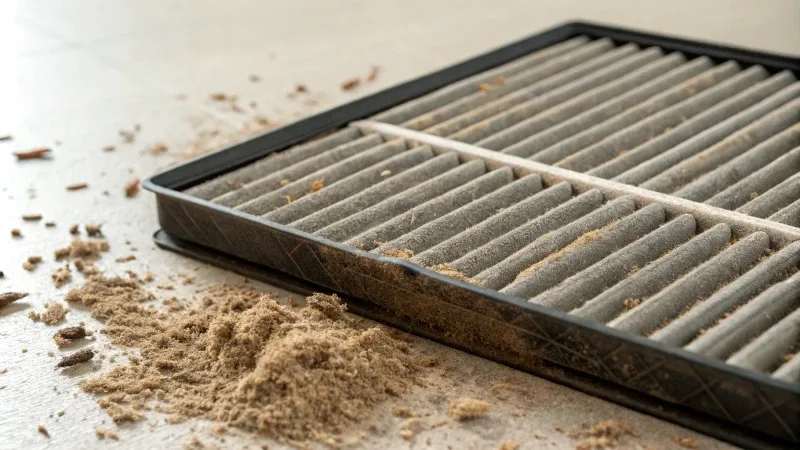
Image source: Bing (Web (fair-use with source credit))
Check the filter at least once a month during heavy use. If it's covered in dust or pet hair, wash it with warm water and let it dry completely. Some models have pre-filters that need replaced, not cleaned.
While you're there, vacuum the intake grille. A five-minute cleaning is often all it takes.
Branch 4: The Room Is Too Cold (Defrost Mode Stuck)
If your dehumidifier is in a basement that stays below 65°F, the defrost cycle can take over and hold the unit on. The compressor cycles off frequently, but the fan keeps running. That feels like the unit never shuts off because the fan noise never stops.
Check the room temperature with a thermometer. If it's under 65, move the unit to a warmer area or use a space heater to bring the temperature up (but keep it safe and away from the unit). Some dehumidifiers have a "low temp" or "frost watch" mode that extends defrost time.
Switching to a unit rated for low temperatures may be necessary.
Branch 5: The Drain Hose Is Kinked or Clogged
If you're using a continuous drain hose, a kink or blockage can trick the unit into thinking the bucket isn't draining properly. Some models have a pressure switch that senses when the drain line is blocked. They'll shut off the compressor but leave the fan running.
Inspect the entire hose for bends or crimps. Make sure the hose runs downhill from the unit to the drain. If it raises up, water backs up and triggers the float switch.
Clear any debris by blowing air through the hose or running a rope through it.
The Most Overlooked Mistakes That Keep It Running
Even after checking the obvious, people miss a few common issues. One is the auto-restart setting. Some units have a memory feature that restores the last mode after a power loss.
If the power flickered while you were away, the unit might come back on in continuous mode.
Another is humidity setpoint drift. Older humidistats can lose calibration over time. The dial might show 50 percent, but the unit is actually trying to reach 40.
You can test with a separate digital hygrometer. Place it next to the dehumidifier and compare both readings.
Finally, a short cycling problem isn't really a "never shut off" problem, but it feels similar. If the unit turns on and off every few minutes, it's usually a bad defrost thermostat or a compressor overload. That's a hardware fix, not a user setting.
When It's the Sensor or Control Board (Hardware Failures)
If none of the branches fixed it, the problem is likely internal. The main suspects are a failed humidistat, a stuck relay on the control board, or a shorted wiring connection.
Testing the humidistat requires a multimeter. Disconnect the dehumidifier from power. Remove the control panel.
Touch the probes to the humidistat terminals. It should show continuity when the room is humid and no continuity when you blow dry air across it or lower the setpoint. If it stays closed (continuity always) or always open, replace it.
Control board failures are less common but happen. Look for bulging capacitors, discolored spots, or burnt smells. If you see any, the board needs replacement.
This is often the point where calling a repair technician makes sense.
In our research, a new control board costs between $60 and $120, plus labor. Compare that to a new dehumidifier, which runs $150 to $300 for a mid-range 50-pint unit as of 2026. If the machine is more than five years old, replacement is usually the more sensible call.
For a wider look at what's available, check out our roundup of the best dehumidifiers on the market.
FAQ – Quick Answers to Common Questions
Can a dirty air filter really keep a dehumidifier from shutting off?
Yes. A clogged filter restricts airflow, so the coils can't remove moisture efficiently. The room stays damp, and the humidistat never signals shutoff.
Cleaning or replacing the filter every month during heavy use is the most overlooked fix.
Why does my dehumidifier run nonstop only in winter?
Low room temperature (below 65°F) triggers the defrost cycle. The compressor shuts off to melt ice, but the fan keeps running. This makes the unit seem stuck on.
Raising room temperature or using a low-temperature rated model usually solves it.
Is it bad to run a dehumidifier 24/7?
For a short period, no. But weeks of constant running wears the compressor and fan motor faster. It also costs significantly more in electricity.
Per ENERGY STAR data, a noncycling unit can double your annual operating cost compared to one that cycles properly.
Can a dehumidifier shut off but then restart by itself?
That's usually normal. When the humidity rises again, the humidistat restarts the unit. If it restarts within minutes, something is wrong.
A faulty defrost thermostat or a short-cycling compressor are common causes. Check the coil temperature and call a pro if needed.
How do I test the humidistat at home?
Use a digital multimeter set to continuity. Unplug the unit and remove the control panel. Touch probes to the humidistat terminals.
If it shows continuity at high humidity but breaks when you blow dry air across it, the sensor is fine. If it stays closed or open, replace it.
Should I repair or replace a dehumidifier that won't shut off?
That depends on age and cost. If the machine is under five years old and the fix is under $100, repair is worth it. If it's older or needs a new control board ($120 plus labor), a new ENERGY STAR model in the 50-pint range offers better efficiency and fresh warranty.
Final Decision Guide – Repair, Replace, or Call a Pro?
Let's close with a simple decision path. You've checked the filter, the bucket, the drain hose, and the setting. You've ruled out a cold room.
The unit still runs constantly.
If you have a multimeter and basic comfort opening electronics, test the humidistat and float switch yourself. These parts cost $15 to $40 online. A repair takes about 20 minutes.
That's the cheapest path.
If you find a bulging capacitor or burnt control board, that's more complex. A technician will charge $80 to $150 for a service call plus parts. Compare that to a new 50-pint unit at $150 to $250.
For a machine over five years old, replacement is usually smarter. You get better energy efficiency and a fresh warranty. If you're replacing a basement unit specifically, our guide to the best dehumidifier for basement spaces can help narrow your options.
If you're unsure or the unit is under warranty, call the manufacturer. Do not attempt internal repairs if the unit is still covered. Voiding the warranty costs more than any quick fix.
Stick with the truth. Most "won't shut off" problems are simple. A filter, a float, or a setting.
The few that aren't still have a clear next step. You've got the knowledge to make the call.