Can Dehumidifier Water Be Used for Plants
What if your dehumidifier tank is full and you are about to pour it down the drain? Can dehumidifier water be used for plants? The honest answer is yes, for most houseplants, but only with some important conditions.
Our research shows condensate is nearly mineral-free. It often measures below 20 parts per million of dissolved solids. That beats most tap water in purity.
The real problem is what it picks up inside the machine. Let us look at how that water is actually made.
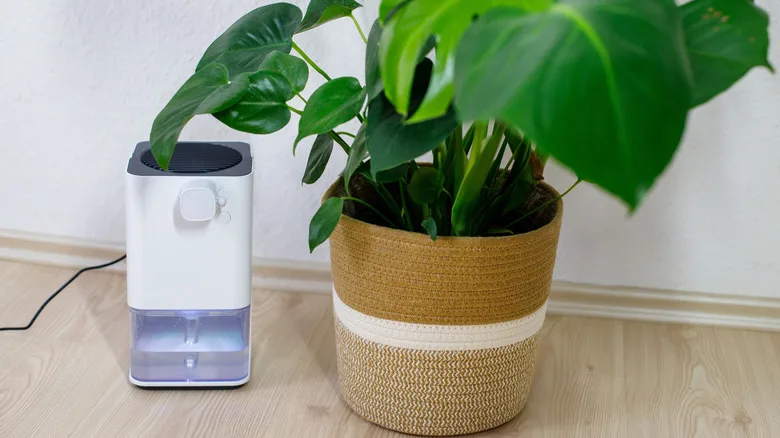
Image source: Bing (Web (fair-use with source credit))
Quick Answer
Yes, you can use dehumidifier water on many houseplants. As of 2026, no official rule says you cannot. Avoid it for edible plants and seedlings.
The water is low in minerals but not sterile.
| Plant situation | Recommendation |
|---|---|
| Ornamental houseplants | Safe if the tank is clean |
| Edible plants | Skip it |
| Seedlings and sensitive types | Use distilled or rain water |
How Dehumidifier Water Is Made (And Why It Is Not Sterile)
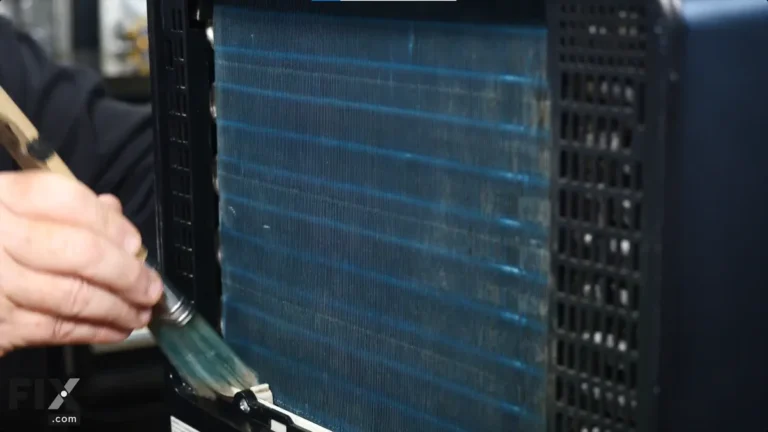
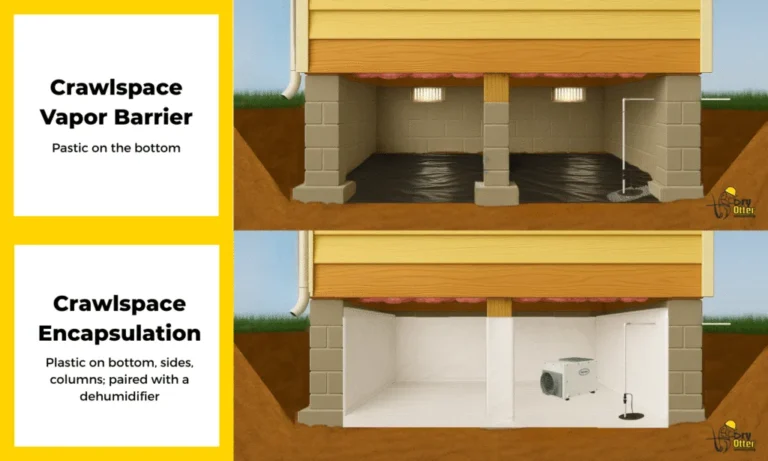
Dehumidifiers pull humid air across cold coils. The air hits the cold surface, moisture condenses into droplets, and gravity sends the water into the tank. It is the same condensation that forms on a glass of iced tea in July.
Because the water vapor condenses out of the air, it loses nearly all minerals. Lab tests show very low TDS numbers. The chemistry of this water is close to distilled water on paper.
The difference is the path it takes before reaching the tank.

Image source: Bing (Web (fair-use with source credit))
The coil, the drain tray, the dust filter, and the reservoir all touch that water. Dust, pollen, skin cells, and airborne mold spores land in the collection tray and wash down into the tank. If the water sits for a day or two, bacteria and mold can multiply.
Older compressor dehumidifiers have copper coils. Condensate can pick up trace amounts of copper. Too much copper is toxic to plants.
Some modern units use antimicrobial-coated coils or aluminum. That lowers the risk. The EPA's water reuse guidance treats condensate as non-potable reuse water.
That is fine for washing things or flushing. It is a clear warning for anything you plan to eat.
The Decision Tree: When It Is Safe vs. When It Is Risky
Here is a simple way to decide in under a minute. Start with the plant itself. Then ask how old the water is and how clean the machine is.
Branch 1: Ornamental Houseplants (Mostly Safe)
For ferns, pothos, spider plants, peace lilies, and most indoor foliage, dehumidifier water works well. The low mineral content prevents white chalky buildup on soil and leaves. Make sure the tank is clean.
Use the water within 24 hours.
These are forgiving plants. A little extra condensation from a clean machine is rarely a problem. If you are nervous, start with your toughest houseplant and watch it for a week.
Branch 2: Edible Plants (Proceed With Caution)
Tomatoes, herbs, and leafy greens can absorb harmful contaminants through their roots. Because condensate is non-potable water, there is a small but real risk of heavy metals or airborne mold spores ending up in your food. Most university extension services recommend skipping it entirely for edibles.
If you eat the leaves, do not use this water.
Branch 3: Sensitive Plants and Seedlings (Skip It)
Seedlings have tiny root systems with no built-in defenses. Carnivorous plants like Venus flytraps and tropical species need exceptionally clean water. Use distilled water or collected rainwater for those.
The risk is small, but the downside is killing a plant you cared for.
| Plant category | Risk | Verdict |
|---|---|---|
| Houseplants like pothos or ferns | Low | Safe if the tank is clean |
| Herbs, tomatoes, leafy greens | Medium to high | Avoid |
| Seedlings, carnivorous plants | High | Use distilled instead |
How to Use Dehumidifier Water Safely (Step-by-Step Guide)
Ready to try it on a houseplant? Follow these five steps.
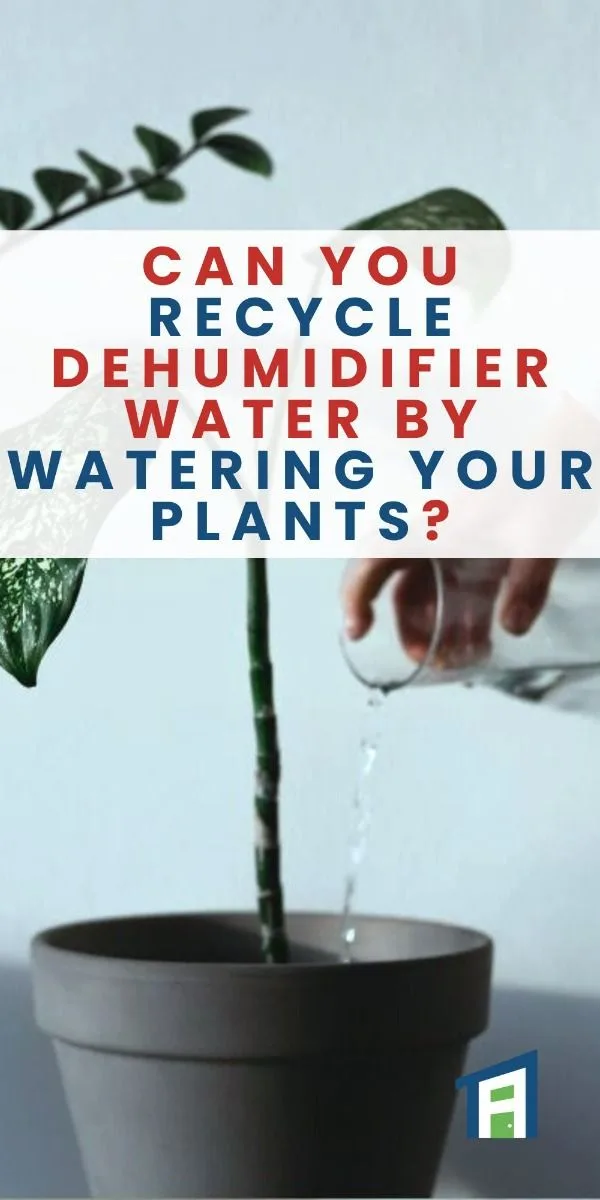
Image source: Bing (Web (fair-use with source credit))
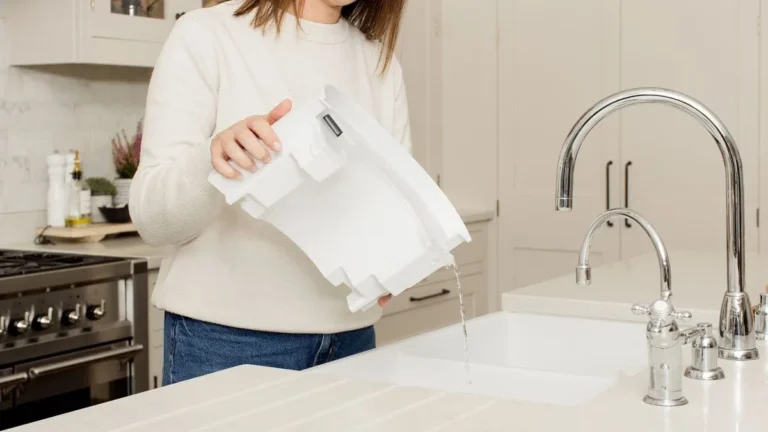
- Clean the tank. Empty it. Wash it with warm water and a few drops of dish soap. Rinse well. A splash of white vinegar breaks down slime.
- Clean the filter. Dust off the intake filter before you collect water. A filthy filter means dust carries straight into the condensate.
- Use it fast. Pour the water into a watering can within 24 hours. Do not store it in a warm, sunny spot.
- Water the soil, not the leaves. A narrow spout keeps water where roots can drink it. Leaving droplets on foliage encourages fungal spots.
- Watch your plants. Yellow leaves, brown tips, or slower growth means something is off. Switch back to tap water and compare.
Some growers mix the condensate 50/50 with tap water for extra safety. That dilutes any traces of copper or bacteria while still saving water.
Common Mistakes That Can Harm Your Plants
People usually hurt their plants without realizing it. These are the biggest missteps we see in gardening forums and aggregate reviews.
- Storing water for days. Stagnant condensate becomes a bacteria soup. Use it the same day.
- Skipping tank cleanings. A slippery film in the reservoir is biofilm. It transfers directly to your soil.
- Using it on seedlings or lettuce. These plants take up lots of water fast and have almost no defense.
- Assuming distilled water means sterile water. It is neither once it leaves a warm, damp tank.
- Cleaning the tank with bleach. Bleach residue can damage roots and soil microbes. Use warm soapy water, vinegar, or hydrogen peroxide.
One more thing. Avoid putting dehumidifier water in a spray bottle for foliar feeding. Misting the leaves spreads any microbes across the plant instead of letting roots filter them out.
Frequently Asked Questions
Is dehumidifier water safe for all houseplants?
No. It is safe for most common houseplants like pothos, spider plants, ferns, and peace lilies. Avoid it for sensitive species like carnivorous plants, calatheas, or any plant that requires distilled water.
The low mineral content is usually fine, but the microbial risk varies by machine.
Can dehumidifier water kill my plants?
It can, yes. Stagnant condensate from a dirty tank can harbor bacteria that cause root rot. Copper toxicity from older coils can also damage roots.
If you notice yellowing leaves, brown tips, or slowed growth after switching, stop using it and flush the soil with clean water.
How long can I store dehumidifier water for plants?
Use it within 24 hours for best results. After that, bacteria and mold begin to multiply in the warm, dark tank. If you cannot use it right away, store it in a clean, sealed container in a cool spot.
Discard any water that smells musty or looks cloudy.
Is dehumidifier water better than tap water for plants?
It depends on your tap water. Dehumidifier water has almost no minerals, so it will not leave white calcium deposits on soil or leaves. That is a real advantage if your tap water is hard.
But tap water is safer in terms of microbial load and is fine for most plants.
Do I need to boil or filter dehumidifier water before using it?
Boiling kills microbes but does not remove heavy metals or copper. A simple carbon filter removes some particles but not dissolved metals. For houseplants, a clean tank and fast use are more practical than boiling.
For edible plants, skip the water entirely rather than trying to treat it.
Can I use dehumidifier water on my vegetable garden?
Our research and guidance from extension services recommend against it. The water is classified as non-potable, and there is no practical way to guarantee it is free of airborne contaminants. Stick to tap water, rainwater, or well water for anything you plan to eat.