Can You Sleep With a Dehumidifier On
Yes, you can sleep with a dehumidifier on, but the real question is whether you'll wake up feeling better for it. Running a dehumidifier overnight in a humid bedroom can improve breathing and reduce that sticky, damp feeling. However, getting the settings wrong can backfire and leave you with a sore throat, dry eyes, or a restless night.
ASHRAE recommends keeping indoor relative humidity between 30 and 50 percent. That range is the sweet spot for sleep comfort, dust mite control, and respiratory health. The challenge is that room size, climate, and the machine's capacity all affect where your actual humidity lands.
So let's break down exactly what happens in your bedroom when that unit runs all night.

Quick Answer
Yes, you can sleep with a dehumidifier on, provided you set it correctly. Keep relative humidity between 30 and 50 percent. Position the unit at least a foot away from the bed.
Use the continuous drain hose if you can. Clean the filter regularly. Empty the tank before sleeping.
Why Accuracy Matters (Especially for Your Health)
This isn't just a comfort question. Getting it wrong can genuinely affect your health overnight. When air gets too dry, your nasal passages lose their natural moisture barrier.
That can lead to nosebleeds, a scratchy throat, and worsened asthma symptoms.
Your body also works harder to humidify dry air as you breathe it in. Over eight hours, that adds up. You might wake up feeling congested, even though your bedroom felt perfectly fine when you drifted off.
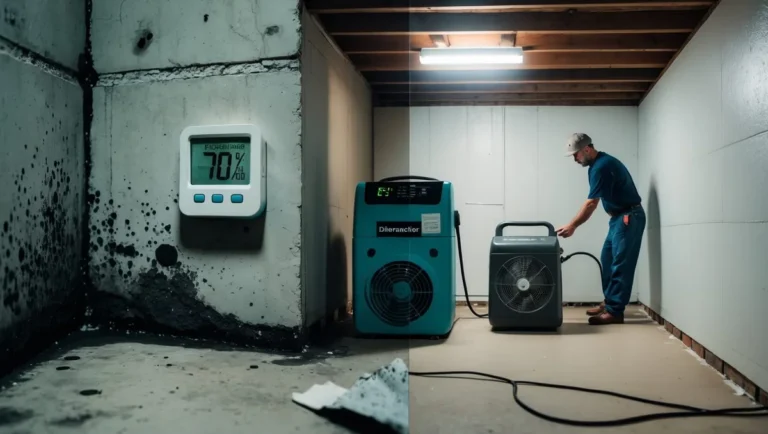
On the flip side, leaving humidity above 60 percent creates a breeding ground for dust mites and mold. Both are major allergy and asthma triggers that can disrupt sleep even if you don't notice them directly.
This is why a one-size-fits-all answer doesn't work. The right choice depends on your current humidity level, your health conditions, and the equipment you own.
The Core Facts: What Happens When You Sleep with a Dehumidifier On
A dehumidifier pulls moisture from the air and collects it in a tank. The effects on your bedroom go deeper than that simple description.
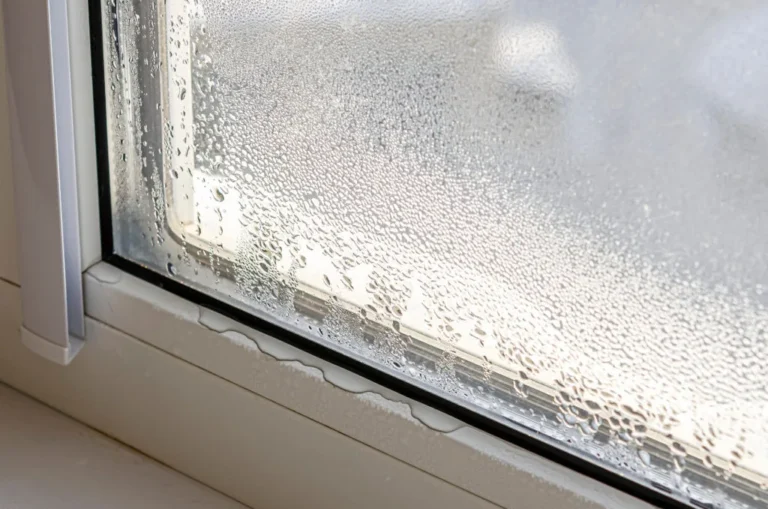
First, reducing humidity lowers the dew point in the room. That means less condensation on your windows, fewer damp spots in the closet, and a mattress that stays drier through the night.
Second, lower humidity changes how your body regulates temperature. Your cooling system relies on sweat evaporating off your skin. In humid air, that evaporation slows down.
That's why you feel sticky and restless on humid nights. A dehumidifier helps your body shed heat more efficiently, which can translate to deeper sleep.
The Ideal Humidity Range for Sleep
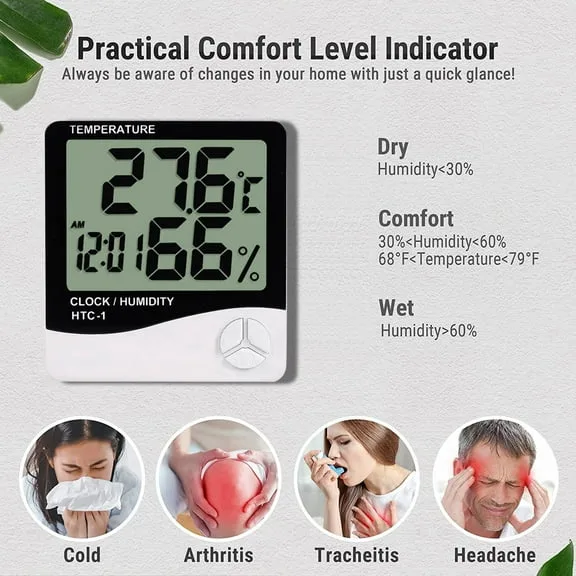
| Relative Humidity | What Happens |
|---|---|
| Below 30% | Dry eyes, nosebleeds, irritated airways |
| 30–50% | Comfortable, dust mites controlled, good breathing |
| Above 60% | Mold risk increases, dust mites thrive, sticky discomfort |
The sweet spot for most sleepers sits between 40 and 50 percent. If you have respiratory issues, staying closer to 50 percent may feel more comfortable. If you're dealing with musty smells or visible moisture, aiming lower toward 35 or 40 percent makes sense.
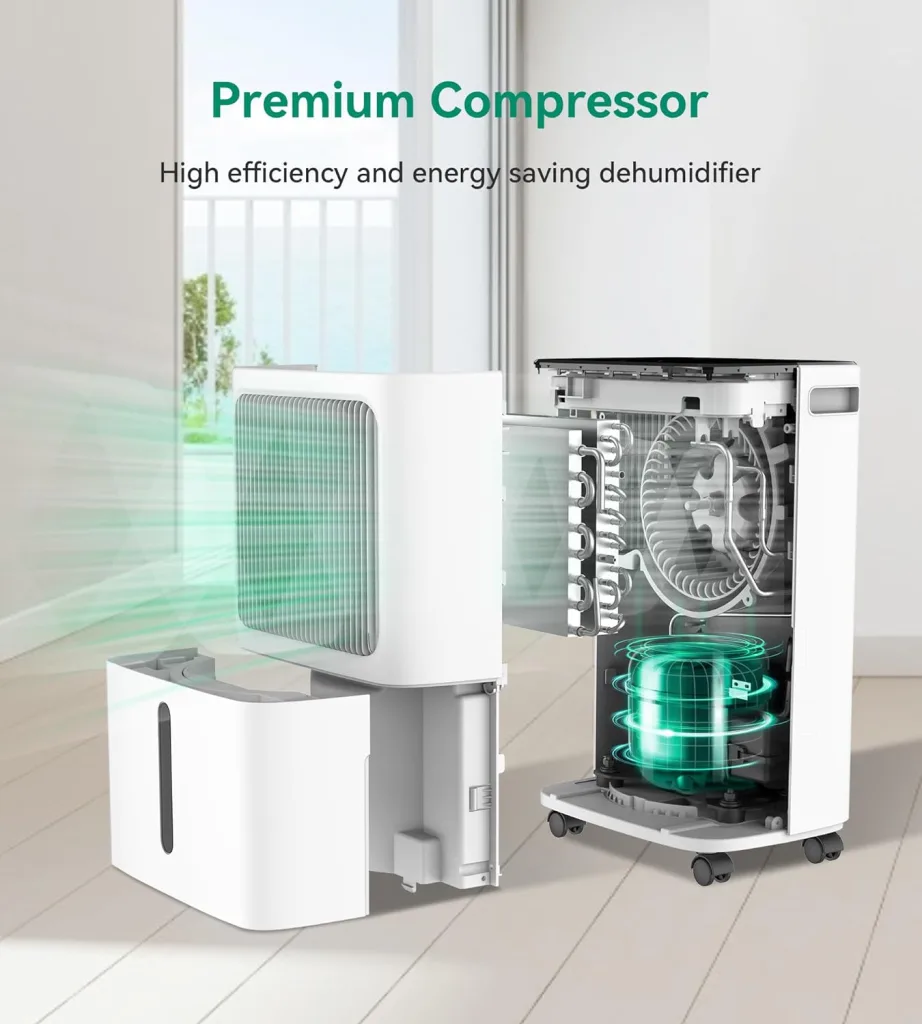
Keep in mind that a dehumidifier won't cool the room like an air conditioner does. In fact, compressor models give off a little heat while they work. In hot weather, you may still want a fan on.
The Risk Factors: When a Dehumidifier Can Actually Hurt Your Sleep
Running a dehumidifier isn't automatically safe or beneficial. There are real downsides you need to respect.
Over-Drying and Respiratory Irritation
This is the most common mistake. People set the humidistat too low or let the machine run unchecked all night. In a small, tight bedroom, a powerful unit can push humidity below 30 percent within a couple of hours.
Your nasal passages and throat don't have time to adjust, and you wake up parched.
The fix is to use the built-in humidistat rather than running the machine on a continuous timer. If your unit doesn't have one, buy a standalone hygrometer to monitor the room.
Noise and Sleep Disruption
Modern units are quieter than older models, but they're not silent. Most portable dehumidifiers run between 40 and 60 decibels. For context, 40 dB is similar to a quiet library, while 60 dB matches a running refrigerator compressor.
Light sleepers often find the cycling noise distracting. The unit kicks on, the compressor hums, then the fan changes speed. That irregular pattern can pull you out of deep sleep more often than constant white noise would.
If that sounds like you, consider a desiccant dehumidifier. These tend to run quieter but cost more upfront. Or use the timer function to run the unit only in the first few hours of sleep.
Equipment Safety and Maintenance Concerns
Any appliance left running overnight carries some risk. Dehumidifiers are no exception. The Consumer Product Safety Commission has issued multiple recalls over the years for units that overheated and caught fire.
Most safety issues trace back to dust buildup on the coils or compressor. That blocked airflow traps heat and creates a fire hazard. Cleaning the filter every few weeks is non-negotiable.
Also, never run a dehumidifier on an extension cord unless absolutely necessary. These units draw significant wattage, especially at startup. A worn extension cord can overheat.
Plug directly into a grounded wall outlet.
Safe Practices: How to Sleep with a Dehumidifier the Right Way
Getting this right mostly comes down to setup and settings. Take a few minutes before bed and you'll be fine.
Setting the Right Humidity Level
Start with the humidistat at 45 percent. That's a safe middle ground for most bedrooms. If you still see moisture on the windows in the morning, lower it to 40 percent.
If you wake up with a dry nose, raise it to 50 percent.
Don't set it below 35 percent for sleep. Your mucus membranes need some moisture.
Positioning and Airflow
Place the unit at least 12 to 24 inches away from walls and furniture. That gives the intake vents room to breathe. Point the exhaust away from your bed so you don't get a cold, dry draft blowing on your face all night.
Elevating the unit slightly off the floor helps it pull air more evenly. A sturdy stool or low table works fine.
Choosing Between Continuous Drain and Tank Mode
If your unit has a continuous drain port, use it. Attach a garden hose and route it to a floor drain or a large bucket. This saves you from waking up at 3 a.m. to the unit shutting off because the tank filled up.
Without a drain option, empty the tank right before bed. Most tanks hold 1 to 3 gallons. At moderate humidity, that's usually enough for 8 to 12 hours, but it varies.
Using Timers and Scheduling
Many units let you program run times. A good strategy is to run the dehumidifier for 2 to 3 hours before sleeping, then let it cycle on and off through the night as needed. This pulls the bulk of the moisture out while you're still winding down.
If you have a smart plug, you can automate this. Set the unit to turn off at 2 a.m. and back on at 6 a.m. By morning, the room feels fresh without ever getting too dry.
Who Should Be Especially Careful (or Avoid It Altogether)
Some people simply shouldn't run a dehumidifier in the bedroom overnight without extra precautions. Let's be clear about who falls into this group.
People with Asthma, Allergies, or Sensitive Airways
If you have asthma, very dry air is a trigger. It can cause airway constriction and worsen nighttime coughing. Keep the humidity closer to 50 percent.
If the room feels too dry, use a fine mist humidifier alongside the dehumidifier. A small bedroom can quickly swing from damp to arid.
CPAP Users
CPAP machines already dry out your airways. Add a dehumidifier on top and your nose and throat take a beating. Many modern CPAP machines have built-in heated humidifiers.
If you use one, set the dehumidifier higher, around 50 percent, and monitor how your nasal passages feel.
Parents of Infants and Young Children
Babies have smaller airways and less ability to regulate body temperature. Their nasal passages dry out faster than adults'. If you run a dehumidifier in a baby's room, keep it on the lowest setting and aim for 50 percent humidity.
Skip the aggressive settings that would feel fresher to an adult.
People in Naturally Dry Climates or Winter Conditions
If you live in a desert climate or are running the heat during winter, indoor humidity often drops below 30 percent on its own. A dehumidifier isn't needed. In this case, a humidifier is usually the better choice for sleep comfort.
If you're unsure where your humidity level sits, check the hygrometer before turning anything on. Guessing wastes energy and leads to the exact problems we've been describing.
The Bottom Line: When to Use It, When to Skip It
Here is a straightforward decision guide. Run a dehumidifier overnight if your bedroom humidity stays above 55 percent, you notice musty smells, or you wake up feeling sticky and uncomfortable. Those are clear signs the air holds too much moisture for quality sleep.
Skip it if your humidity already sits below 40 percent. That happens naturally in winter or in dry climates. Adding a dehumidifier in that scenario would push the air into the irritating dry zone we discussed earlier.
Also skip it if you have a small bedroom under 100 square feet and your unit is oversized. A 50-pint machine in a tiny space will crash the humidity within an hour. You are better off with a smaller unit that matches the room size.
If you are still unsure, run a test night. Set the dehumidifier to 45 percent. Check the hygrometer in the morning.
If the reading stayed between 40 and 50 percent, you are golden. If it dropped below 35 percent, raise the target or use a timer.
| Your Situation | Recommendation |
|---|---|
| Humidity above 55% | Use dehumidifier, set to 45% |
| Humidity between 40-55% | Optional, use timer sparingly |
| Humidity below 40% | Skip it, consider a humidifier |
| Small room, powerful unit | Use a smaller unit or run on low |
| Allergies or asthma | Keep at 50%, monitor closely |
| Baby's room | Use with caution, target 50% |
The bottom line is simple. Your goal is balanced humidity, not maximum dryness. A dehumidifier is a tool to reach that balance, not a set-it-and-forget-it appliance.
Frequently Asked Questions
Can a dehumidifier help with snoring?
It can help indirectly. High humidity causes nasal congestion and throat swelling, both of which worsen snoring. Lowering humidity to 45 percent can reduce congestion for some people.
If your snoring is caused by dry air instead, a humidifier is the better choice.
Is it safe to run a dehumidifier 24 hours a day?
It is safe if the unit is properly maintained and rated for continuous use. Most portable models are designed for 24-hour operation. The biggest practical issues are noise and over-drying.
A timer or humidistat is better than running it nonstop.
Will a dehumidifier cool my room?
No, not in the way an air conditioner does. Compressor-based dehumidifiers actually generate a small amount of heat. They remove moisture, which makes the air feel cooler because your sweat evaporates faster.
But the temperature itself stays the same or rises slightly.
Does a dehumidifier use a lot of electricity?
It depends on the unit size and run time. A typical 30-pint dehumidifier uses about 300 watts per hour. Running it for 8 hours adds roughly 2.4 kilowatt-hours to your bill.
At average US electricity rates, that is about 30 to 40 cents per night.
Can I use a dehumidifier in a baby's room overnight?
Yes, but with caution. Keep the target humidity at 50 percent. Avoid units that cycle loudly or blow air directly on the crib.
Use the continuous drain hose if possible to avoid a full tank shutoff. The EPA provides guidance on maintaining healthy indoor humidity levels for children.
How do I know if my bedroom is too humid?
A hygrometer is the most reliable tool. If you do not have one, look for condensation on windows, a musty smell, or damp feeling in the bedding. These are telltale signs that humidity is above 60 percent.
A reading above 55 percent is a good reason to run the dehumidifier overnight.