When Should You Use a Dehumidifier
Your basement smells musty. Your windows sweat every morning. You're wondering when should you use a dehumidifier.
The short answer is whenever your indoor relative humidity stays above 60 percent.
Per ASHRAE standards, the ideal indoor humidity range for comfort and health is 30 to 50 percent. Anything above 60 percent starts encouraging mold growth, dust mites, and structural damage. Let's walk through the signs that tell you it's time to plug one in.
Quick Answer
Use a dehumidifier when indoor humidity rises above 60 percent. Run it when you see condensation on windows. Stop when humidity drops below 30 percent.
Set it between 30 and 50 percent for best results.
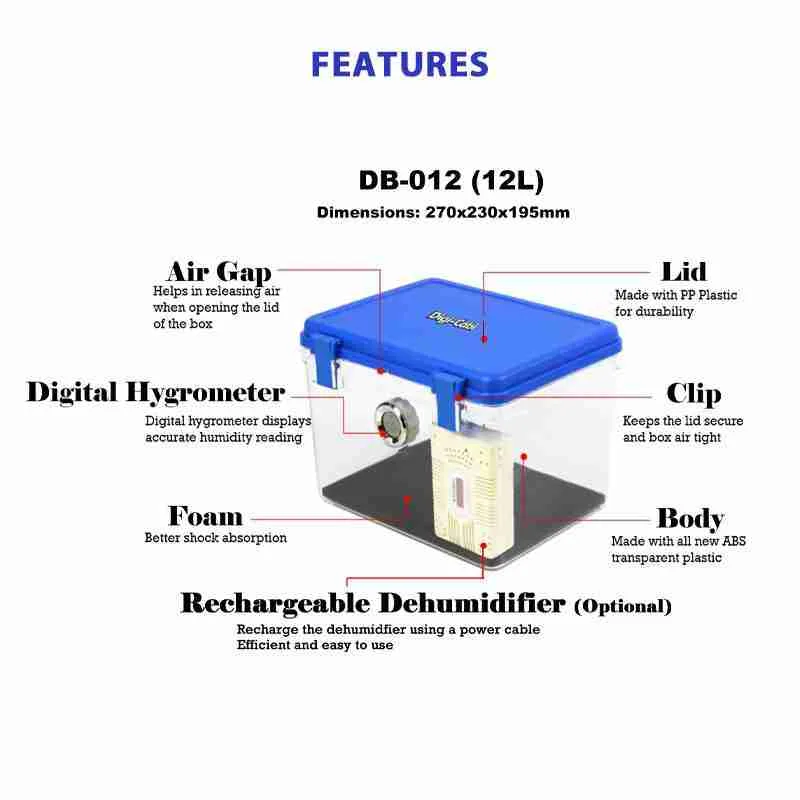
Image source: Bing (Web (fair-use with source credit))
The First Signs You Might Need a Dehumidifier
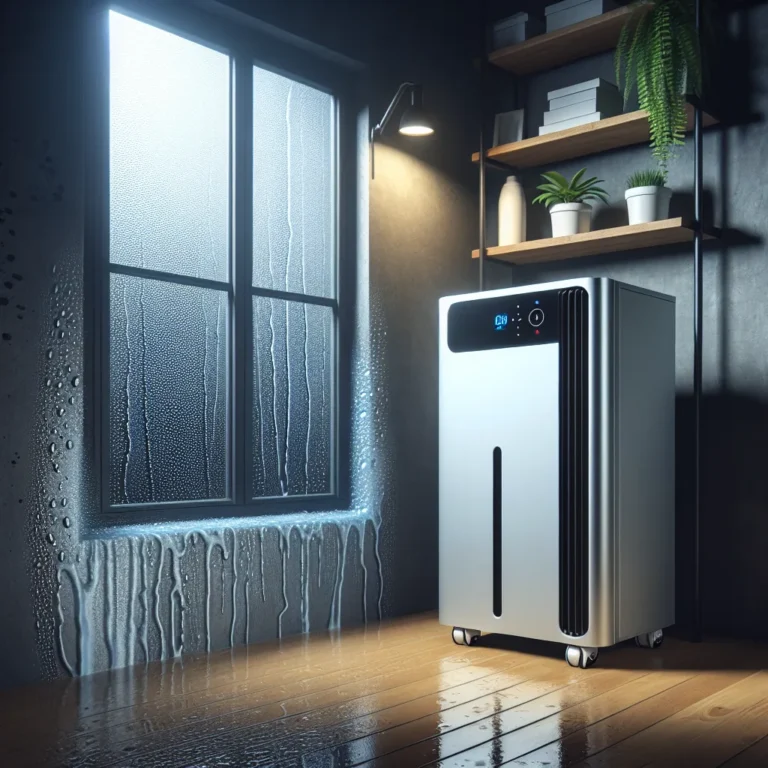
The most obvious clue is condensation on windows. If you wake up to fogged-up glass every morning, especially in cooler weather, you have excess indoor humidity. Damp spots on walls or a persistent clammy feel in the air point to the same problem.
Then there's the smell. A musty, basement-like odor that doesn't fade with cleaning is a classic sign. That smell is active mold and mildew releasing microbial volatile organic compounds.
You might also notice physical signs. Peeling wallpaper, warped baseboards, or doors that stick more than usual. High humidity causes wood to swell and adhesives to fail.
If you have a damp basement, you need a unit that handles larger spaces effectively. Check your closets too. If clothes feel damp or develop mildew spots, you've got a problem.
Health symptoms are another red flag. If you or your family members experience worsening allergies, asthma flare-ups, or frequent sinus congestion at home, high humidity is a likely contributor. Dust mites thrive above 50 to 55 percent relative humidity.
Mold spores spike above 60 percent.
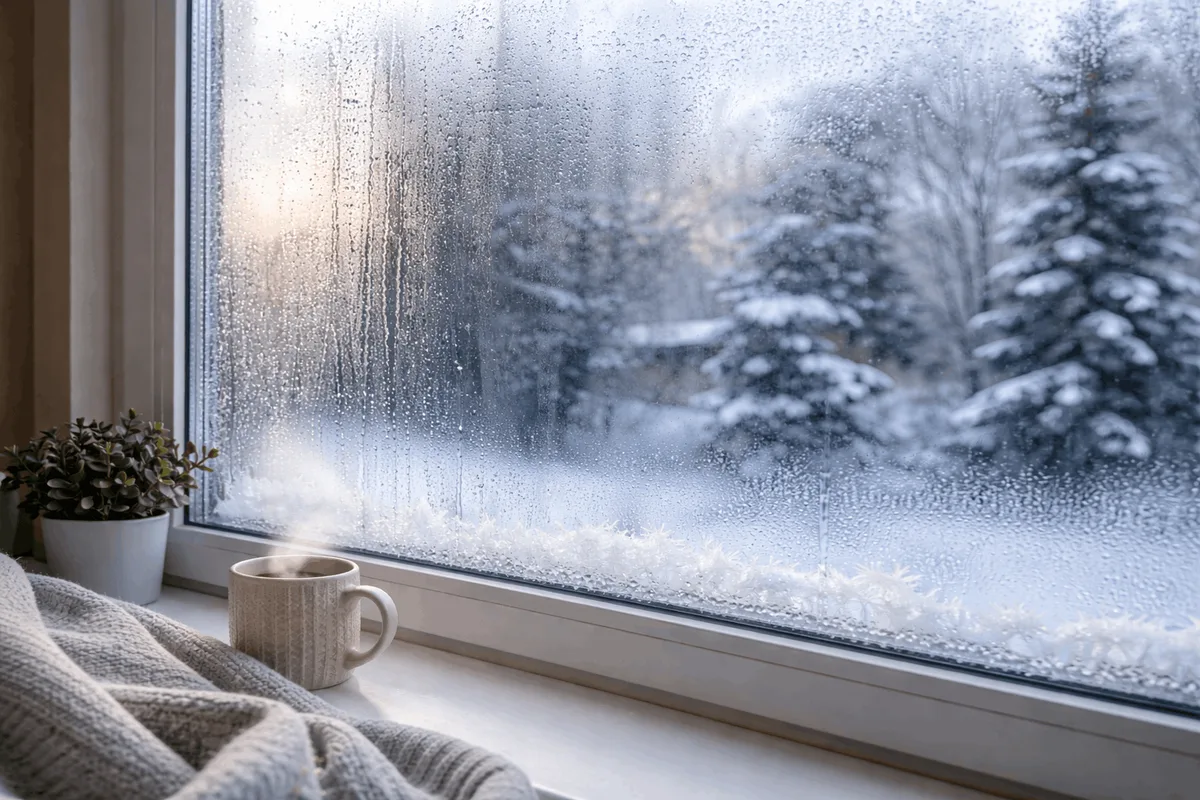
Image source: Bing (Web (fair-use with source credit))
Aggregate reviews from thousands of homeowners confirm these are the top five signs. If you spot two or more, measure your humidity levels. Unnoticed water damage can also cause these symptoms, so rule out leaks first.
What Humidity Level Is Too High?
ASHRAE recommends keeping indoor relative humidity between 30 and 50 percent. Once you cross 60 percent, you enter the danger zone.
At 60 percent and above, mold spores start germinating and growing on surfaces. At 70 percent, you're looking at active mold colonization within 24 to 48 hours. Dust mites, which are a major allergy trigger, stop reproducing below 50 to 55 percent.
The only way to know for sure is to measure. A simple hygrometer costs less than fifteen dollars. Place it in the room you're concerned about, away from direct sunlight and drafts.
Check the reading at different times of day. Humidity fluctuates with cooking, showering, and weather.
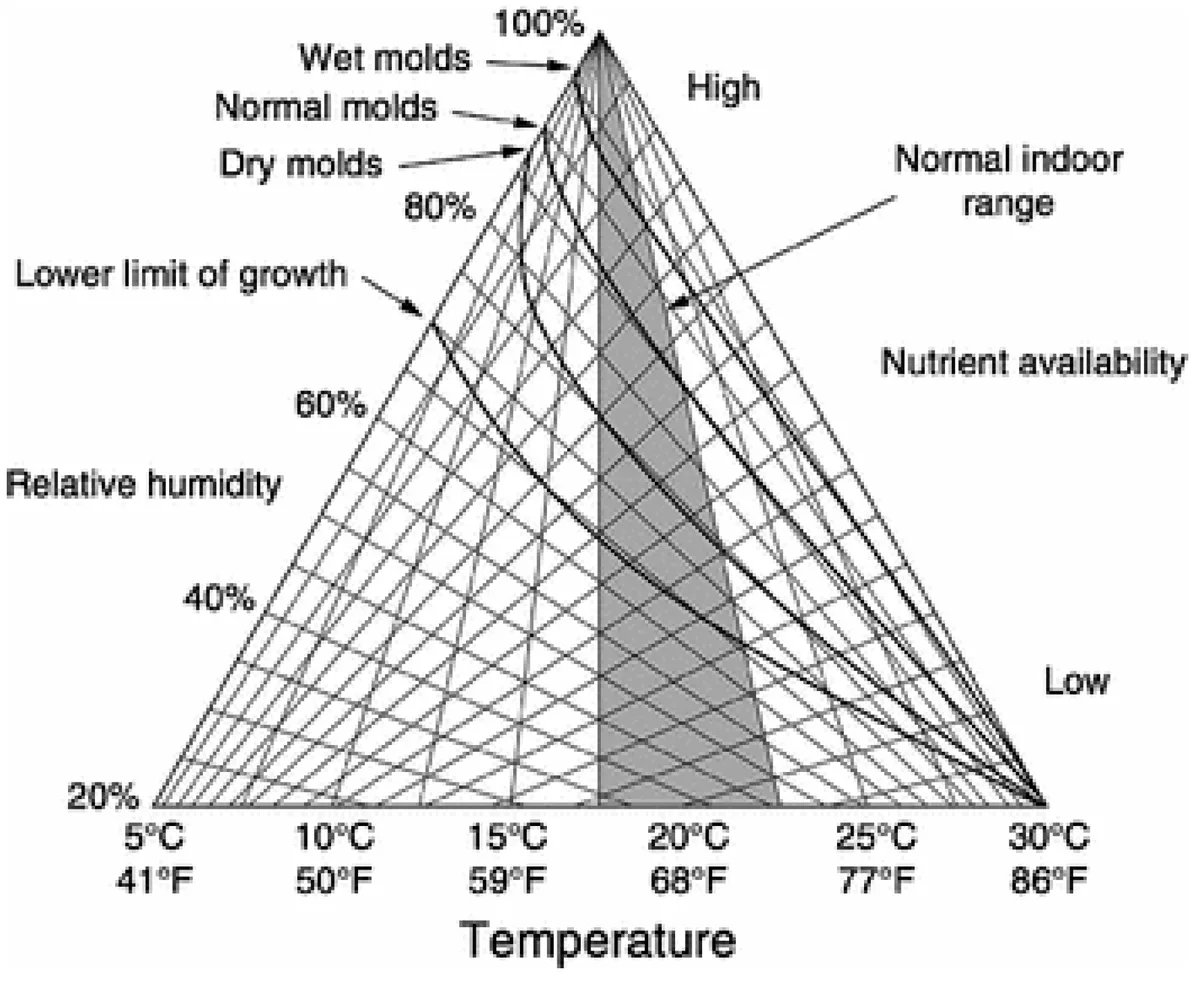
Image source: Bing (Web (fair-use with source credit))
If your hygrometer consistently reads above 60 percent, you have a moisture problem. If it reads above 50 percent and you have allergy sufferers, a dehumidifier is still a good idea. The EPA's mold and moisture guidance confirms these thresholds.
But here's the catch. Low humidity is also a problem. If your home drops below 30 percent, you risk dry skin, irritated sinuses, static shock, and damage to wood furniture.
The goal is balance.
The Decision Tree: Should You Run a Dehumidifier?
Follow these steps to decide.
| Condition | What to Do |
|---|---|
| Humidity above 60% + visible condensation or mold | Run a dehumidifier immediately |
| Humidity above 60% + musty smell but no visible mold | Run a dehumidifier and inspect for hidden moisture |
| Humidity above 60% + no symptoms | Check for leaks, poor drainage, or ventilation issues first |
| Humidity between 50% and 60% + allergy symptoms | Run a dehumidifier seasonally |
| Humidity below 50% + no symptoms | Do not run a dehumidifier |
| Humidity below 30% | Stop running it. Add moisture if needed |
Start by measuring your indoor humidity. If it's above 60 percent, check for symptoms. If you see condensation, mold, or smell musty odors, run a dehumidifier.
If you don't have symptoms, inspect for external moisture sources like leaky pipes, poor grading, or insufficient ventilation.
Fixing the source of moisture is always the first priority. A dehumidifier treats the symptom, not the cause. If you have a standing water leak, repair it before you run the unit.
If your crawl space has no vapor barrier, install one. If your bathroom fan vents into the attic, fix that.
Once you've addressed the source, run the dehumidifier to bring the humidity down to 50 percent. For a typical basement, choose a unit handling the square footage properly. For a large room, find a model that matches your space.
When a Dehumidifier Won't Help (And What to Do Instead)
A dehumidifier is not a magic cure-all. There are situations where it wastes electricity and accomplishes nothing.
If you have a plumbing leak, a dehumidifier won't dry out saturated wood and drywall. Stop the leak first. Then dry the area with fans and a wet vac.
A dehumidifier can help in the drying phase, but only after the source is stopped. If you're dealing with water damage, a dehumidifier is part of the process, not the whole solution.
If your home is not sealed from the outside, you're fighting a losing battle. Open windows, gaps around doors, and unsealed crawl spaces let humid outdoor air pour in. In humid climates, a dehumidifier runs constantly without ever catching up.
Seal the building envelope first.
If the temperature in your space drops below 65 degrees Fahrenheit, a standard compressor dehumidifier loses efficiency and may ice up. Frost on the coils is a sign the unit is struggling. In unheated basements or crawl spaces, a desiccant dehumidifier works better at low temperatures, but it's less energy efficient.
If your humidity problem is caused by poor ventilation, a dehumidifier masks the issue but doesn't solve it. Bathrooms, kitchens, and laundry rooms need exhaust fans that vent outside. If you're drying clothes indoors without proper ventilation, you're adding moisture to the air.
Finally, if your humidity is below 50 percent, running a dehumidifier over-dries the air. This causes dry skin, cracked wood, and increased static electricity. Some people run them year-round out of habit.
It's unnecessary and expensive.
Common Mistakes That Waste Money or Make Things Worse
The biggest mistake is running a dehumidifier without measuring the humidity first. You're guessing. That's how people over-dry their homes and rack up electric bills.
The second mistake is placing the unit against a wall or in a corner. Dehumidifiers need airflow on all sides. Keep them at least six to twelve inches from walls.
Center them in the room if possible.
The third mistake is buying the wrong size. A unit that's too small runs constantly without ever reaching the target humidity. A unit that's too large cycles on and off too quickly, wasting energy and not removing enough moisture.
Use the rated coverage area for your space.
The fourth mistake is ignoring the filter. A clogged filter restricts airflow, reduces efficiency, and can cause the coils to ice up. Clean the filter every two to four weeks during heavy use.
During peak season, check it weekly.
The fifth mistake is emptying the bucket into the sink and forgetting to reconnect the continuous drain hose. If you're using a bucket, it fills up faster than you expect. Set a reminder to check it daily.
If you have a floor drain, use the continuous drain option so you never have to empty it.
The sixth mistake is running the dehumidifier in winter when indoor humidity is already low. In cold climates, heated indoor air is naturally dry. Running a dehumidifier in winter can drop humidity below 20 percent.
That's uncomfortable and unhealthy.
The last mistake is treating the symptom without fixing the source. If you're running a dehumidifier in a basement that has a leaky foundation wall, you're managing a flood with a bucket. Fix the leak first.
Frequently Asked Questions
Should I run a dehumidifier in summer or winter?
Run it in summer when outdoor humidity is high. In winter, heated indoor air is naturally dry. Running a dehumidifier when humidity is already below 30 percent wastes energy and causes dry skin.
Check your hygrometer first. Only run it when the reading exceeds 50 percent.
How long should I run a dehumidifier each day?
Run it until the humidity drops to 50 percent. That might take 24 hours straight in a damp basement. After that, the unit cycles on and off automatically.
Let the humidistat control it. There's no benefit to running it longer than needed.
Can a dehumidifier run all the time?
It can, but it shouldn't need to. If your unit runs constantly without ever reaching the target humidity, it's either too small for the space, or you have a moisture source that hasn't been fixed. Check for leaks or poor sealing first.
Where should I place a dehumidifier for best results?
Place it in the center of the room at least six inches from walls. Keep it away from corners and furniture that block airflow. In basements, put it near the source of moisture.
Make sure doors and windows are closed while it runs.
Does a dehumidifier help with allergies?
Yes, if your allergies are triggered by dust mites or mold. Dust mites stop reproducing below 50 percent humidity. Mold stops growing below 60 percent.
Running a dehumidifier keeps both under control. It won't help with pollen or pet dander.
What humidity level should I set my dehumidifier to?
Set it to 50 percent. That's the sweet spot. It's low enough to prevent mold and dust mites, but high enough to avoid dry skin and static shock.
If you have allergy sufferers, 45 percent is fine. Never go below 30 percent.