What Does a Dehumidifier Do
What does a dehumidifier do? It pulls moisture out of the air and collects the water, bringing indoor humidity back into a healthy range. Ever walked into a basement and felt that heavy, damp air stick to your skin?
That clammy feeling is exactly the problem this machine solves.
The key measurement is relative humidity (RH), which is how much water vapor the air holds compared to its maximum at that temperature. As of 2026, most residential dehumidifiers are rated in pints per day, and a typical basement unit moves 30 to 50 pints every 24 hours. Once you know that number, the rest makes sense.
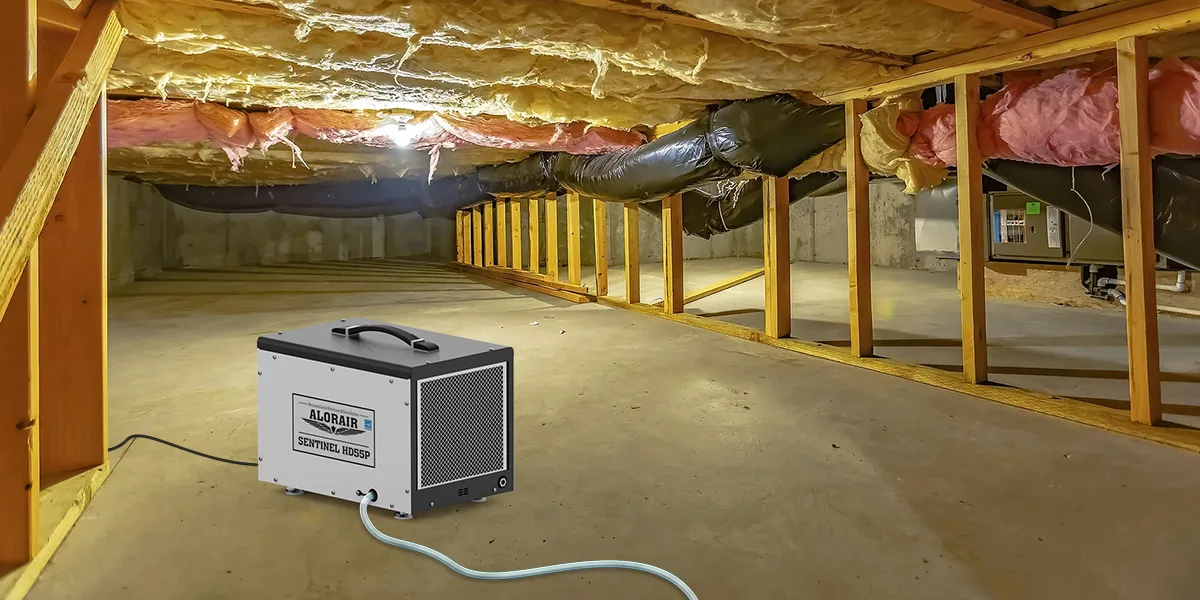
Image source: Bing (Web (fair-use with source credit))
Quick Answer
A dehumidifier removes excess moisture from the air. It pulls air in, cools it, and collects the water. Then it sends drier air back out.
The goal is to keep indoor relative humidity between 30 and 50 percent. That range prevents mold, dust mites, and musty smells.
What a Dehumidifier Actually Does (And the One Thing It Can't Fix)
A dehumidifier's main job is simple: it removes moisture from the air. It doesn't cool a room like an air conditioner. It doesn't purify the air.
It just lowers humidity. That sounds basic, but it changes how a space feels and smells.
Condensation on windows, a stale odor, or that sticky feeling on your skin all mean RH is too high. A dehumidifier pulls that water out, drains it into a bucket, and keeps the air drier over time. The effect compounds daily.
The one thing it can't fix is a direct water source. If your foundation leaks or there's standing water after a flood, no dehumidifier will save you. It can dry things out afterward, but it's not a bandage for an active leak.
Stop the water first.
Sizing matters too. A small unit might handle a bedroom, while a damp basement needs a stronger machine. Most models are rated in pints per day.
If you're trying to match a unit to a large space, a guide to large-capacity basement units is a good starting point.
How It Works: The Simple Science of Moisture Removal

Image source: Bing (Web (fair-use with source credit))
Most residential dehumidifiers work like an air conditioner. A fan pulls warm, humid air over cold evaporator coils. The moisture condenses into water droplets, just like a cold glass on a summer day.
Those drops fall into a collection tray, and the air passes over warm condenser coils before returning to the room.
The drier air comes out slightly warmer. That warmth helps the room feel comfortable instead of clammy. As of 2026, most Energy Star-certified models pull 20 to 50 pints per day while drawing 400 to 600 watts.
AHAM sets the standardized conditions for these ratings, so you can compare units fairly.
There's also a second type: the desiccant dehumidifier. It uses a moisture-absorbing wheel instead of cold coils, which works better in cooler spaces. It's lighter and quieter, but it uses more energy.
| Type | Best For |
|---|---|
| Compressor dehumidifier | Basements and large rooms above 50°F |
| Desiccant dehumidifier | Cold garages, RVs, closets, and small spaces |
The Real Benefits vs. The Risks of Getting It Wrong
The biggest benefit is mold prevention. Mold needs moisture to grow, and keeping humidity below 50 percent makes it much harder for mold and mildew to establish. Dust mites also can't thrive in drier air, which brings real relief for allergy and asthma sufferers.
You'll notice the physical changes quickly. Musty smells fade, window condensation clears, and wooden floors stop warping. Clothes in closets stay fresher, and stored boxes lose that damp paper smell.
Over time, a dehumidifier protects your home's structure, not just the air you breathe.
But there are risks. Running a unit at a very low setting, like 20 percent, dries out your sinuses, irritates your eyes, and leaves skin itchy. Excessively dry air can also crack wood floors and build up static electricity.
Pushing the humidity too low isn't helping anyone.
The EPA recommends keeping indoor relative humidity between 30 and 50 percent. That's the sweet spot. If you're dealing with seasonal humidity swings, steady humidity control can keep you in that range all year long.
Common Mistakes That Waste Your Money or Harm Your Health
The biggest mistake is placement. Setting the unit in a corner or right against the wall blocks the intake. The machine runs longer and collects less water.
Give it at least six inches of clearance on every side.
Another mistake is buying a unit too small for the space. A 20-pint model works for a bedroom but struggles in a 1,000-square-foot basement. That leads to high electricity bills and a still-damp room.
Many affordable picks look appealing, but always check the square footage rating before you buy.
People also set the humidity too low. Dialing the target to 25 percent doesn't dry things faster. It just forces the compressor to run constantly, driving up your energy bill and leaving you with a dry throat.
Stick to the 30 to 50 percent range.
Finally, neglect. A dirty filter or dusty coils make the machine work harder. Aggregate reviews report that many units stop collecting water entirely because the internal coils are coated with dust.
Basic cleaning prevents most breakdowns.
How to Use, Place, and Maintain Your Dehumidifier Safely
Start with placement. Set the dehumidifier in the middle of the room, at least six inches from walls and furniture. Close doors and windows to seal the space, and leave a clear path for airflow.
Next, set the target humidity. If your unit has a built-in humidistat, set it between 40 and 50 percent for normal living spaces. For a basement used for storage, 40 percent is a safe number.
The machine cycles on and off automatically to maintain it.
Then choose how to drain it. Most units come with a removable bucket, but you can connect a garden hose to a continuous drain line instead. If the drain line has to run uphill, you'll need a built-in or add-on condensate pump.
This makes it a truly set-and-forget setup.
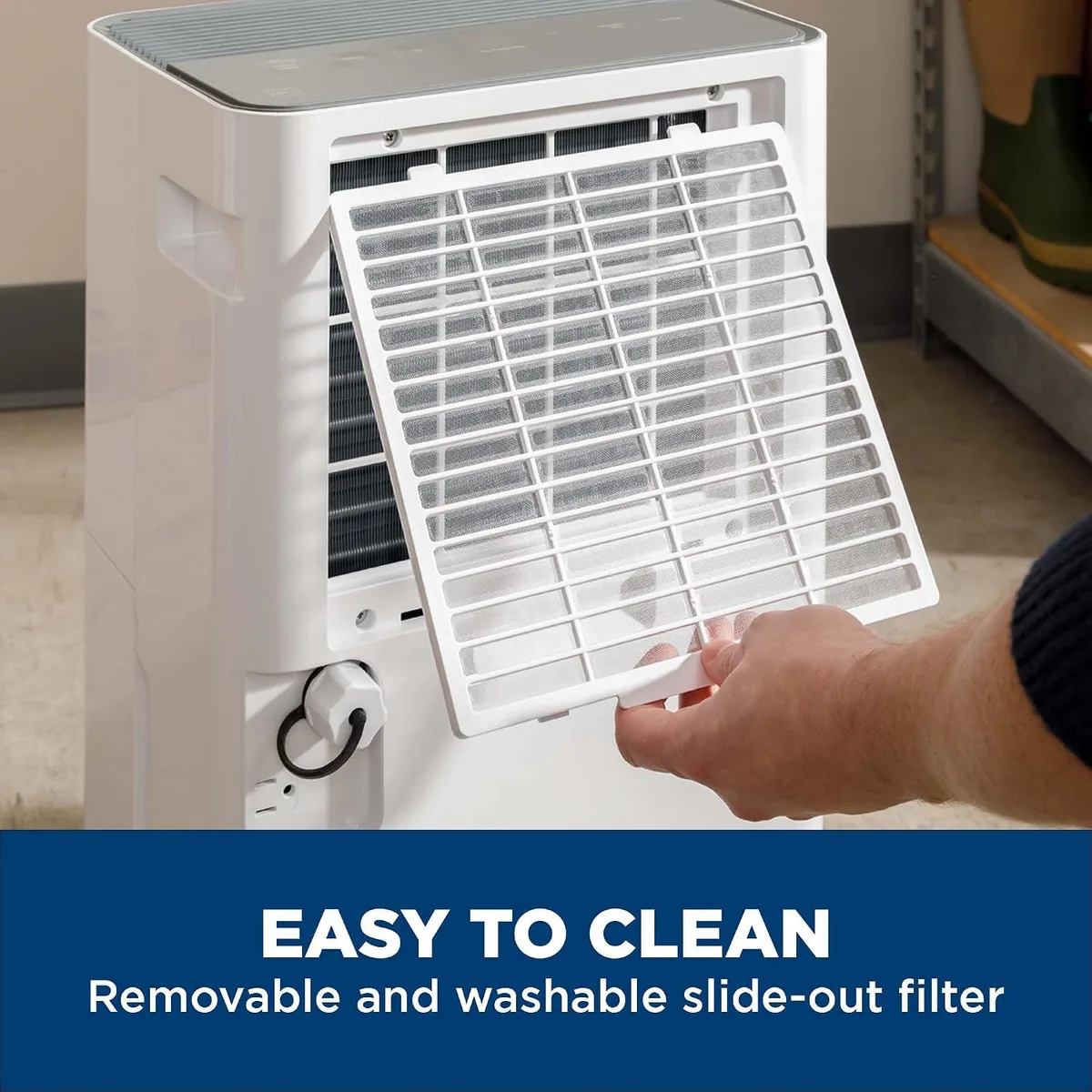
Image source: Bing (Web (fair-use with source credit))
Routine maintenance is simple but easy to skip. Rinse or vacuum the air filter every two to four weeks. Wipe down the coils a few times a year, and empty the bucket until the unit stops smelling.
A clean dehumidifier collects water faster and uses less electricity.
| Task | Frequency |
|---|---|
| Empty and rinse the bucket | Every 1 to 2 days in high humidity |
| Clean the air filter | Every 2 to 4 weeks |
| Check the drain hose | Monthly |
| Wipe the coils | Every 3 to 6 months |
When to Call a Pro (Or Skip the Machine Altogether)
If you spot black mold spreading across drywall, that's a red flag. Visible colonies, musty air in multiple rooms, or health symptoms that fade when you leave all point to a deeper issue. Mold hides inside wall cavities, and only a professional inspection reveals the true scope.
A dehumidifier helps after water damage, but it never replaces extraction. Standing water, sewage backup, or a saturated crawl space needs professional drying gear. Residential models just don't have that capacity.
Industrial units pull several hundred pints per day.
Flood recovery starts with pumps and wet vacuums. A dehumidifier only helps after the standing water is gone. It finishes the job, keeping the space dry while walls and floors cure.
Call a pro if your energy bill jumps and the unit never cycles off. That usually means the machine is undersized or hidden moisture is at work. A contractor can recommend a properly sized system, including ducted or crawl space options.
Sometimes you should skip the machine entirely. If you live in a dry climate, indoor humidity already sits below 50 percent. Running a dehumidifier just burns electricity.
If cooking and showers are the only moisture sources, better exhaust fans solve the problem for a fraction of the cost.
Frequently Asked Questions
Should I run a dehumidifier every day?
Yes, if your space stays above 50 percent relative humidity. Most units have a built-in humidistat, so they cycle on and off automatically. Running one in dry air wastes electricity and over-dries your home.
Set the dial to 45 percent and let the sensor do the rest.
Is a dehumidifier worth it?
For damp basements, absolutely. It prevents mold, protects wood, and removes musty smells. If your indoor air is already dry, the value drops fast.
Annual running costs range from $75 to $200, so budget-friendly options pay off quickly in problem spaces.
Where should I place a dehumidifier?
In the center of the room, at least six inches from walls. Keep it away from clothing, curtains, and furniture that block airflow. Close doors and windows in that space so the unit reaches the target humidity faster.
If you have to choose between a closet and a bedroom, go with the space that smells dampest.
How long does a dehumidifier take to dry a room?
Most rooms feel noticeably drier within 24 to 48 hours. A badly damp basement can take several days. The unit needs to run continuously until the space reaches the target humidity.
Use a hose drain so you don't have to empty the bucket constantly.
Can a dehumidifier cool a room?
No. It actually releases slightly warmer air as a byproduct of moisture removal. That's why it's best in basements and damp coastal rooms, not as an air conditioner replacement.
If you want cool air, you need an AC unit.
The Bottom Line: Your Quick Decision Guide
Here's the simple test. Measure your indoor humidity with a hygrometer. If the relative humidity stays above 50 percent for more than a week, a dehumidifier is worth it.
If it stays below that, skip it.
Watch for obvious signs. Musty odors, condensation on windows, or that sticky feeling on your skin mean the air holds too much moisture. Those are your cues to act.
Sizing matters. Match the pint rating to the room size. An oversized unit wastes electricity.
An undersized unit never catches up. A 20-pint model handles small bedroom spaces, while a large basement needs a bigger 50 to 70 pint machine.
Look for Energy Star certification, a washable filter, and a decent warranty. Those three features separate useful machines from frustrating ones. Choose the right size for your space, set it to 45 percent, and let it work.