Can a Dehumidifier Replace a Tumble Dryer
The question "can a dehumidifier replace a tumble dryer" comes up a lot. The short answer is yes, but only if your specific situation lines up. It's not a one-size-fits-all swap.
A dehumidifier pulls moisture from the air. A tumble dryer blasts hot air through tumbling clothes. Those are two completely different approaches to the same problem.
One is fast and aggressive. The other is slow and gentle.
Here's the real kicker. A dehumidifier uses about one-tenth the power per hour of a dryer. But it runs for six to eight hours instead of one.
The cost per load ends up similar. The real difference is time and fabric care.
Let's walk through exactly how to decide if this works for you.
Quick Answer
A dehumidifier can replace a tumble dryer under specific conditions. You need a contained room, lightweight laundry, and six to eight hours of drying time.
It won't work for heavy items like towels and jeans. It won't work in cold, damp rooms. It won't work if you need clothes dry in under three hours.
If those limitations fit your life, a dehumidifier handles laundry beautifully. If they don't, stick with the dryer or use a hybrid approach.
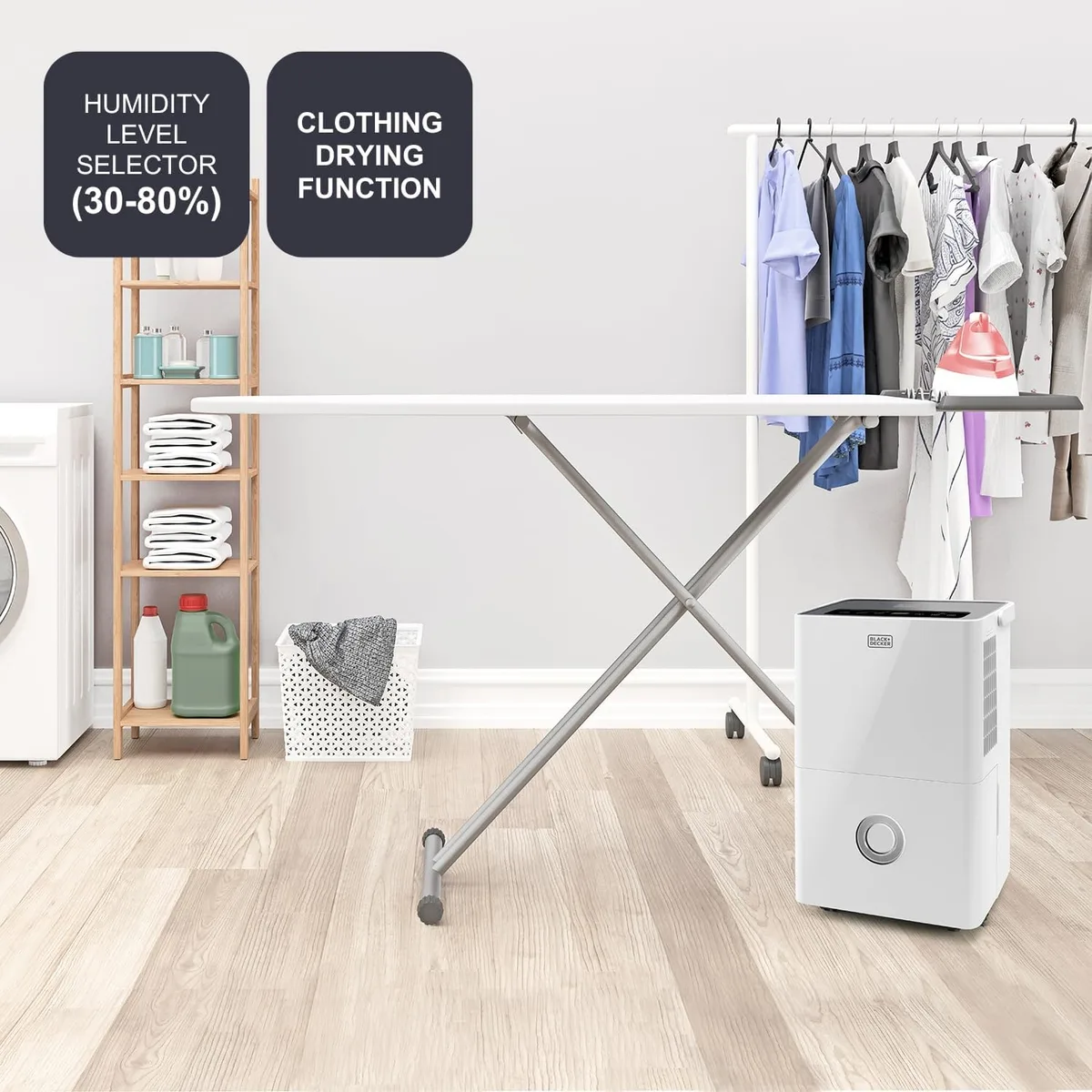
Image source: Bing (Web (fair-use with source credit))
The Real Difference: How Each One Works
A tumble dryer uses heat and tumbling action to evaporate water from fabric. It vents that moisture outside or collects it in a tank. The heat does the heavy lifting.
A typical cycle finishes in 45 to 90 minutes.
A dehumidifier works completely differently. It draws room air across cold coils, condenses the moisture out, and recirculates drier air back into the space. Your clothes sit still on a rack while the air slowly does the work.
That difference matters because drying with a dehumidifier is a passive process. The room becomes your drying chamber. The clothes don't move, so water has to evaporate from the fabric surface naturally.
It works, but it's slower and depends heavily on your environment.
You also need to match the right dehumidifier type for the job. Compressor models work well in warmer rooms. Desiccant models perform better in cold spaces.
They're popular in the UK and northern Europe where laundry rooms often sit unheated.
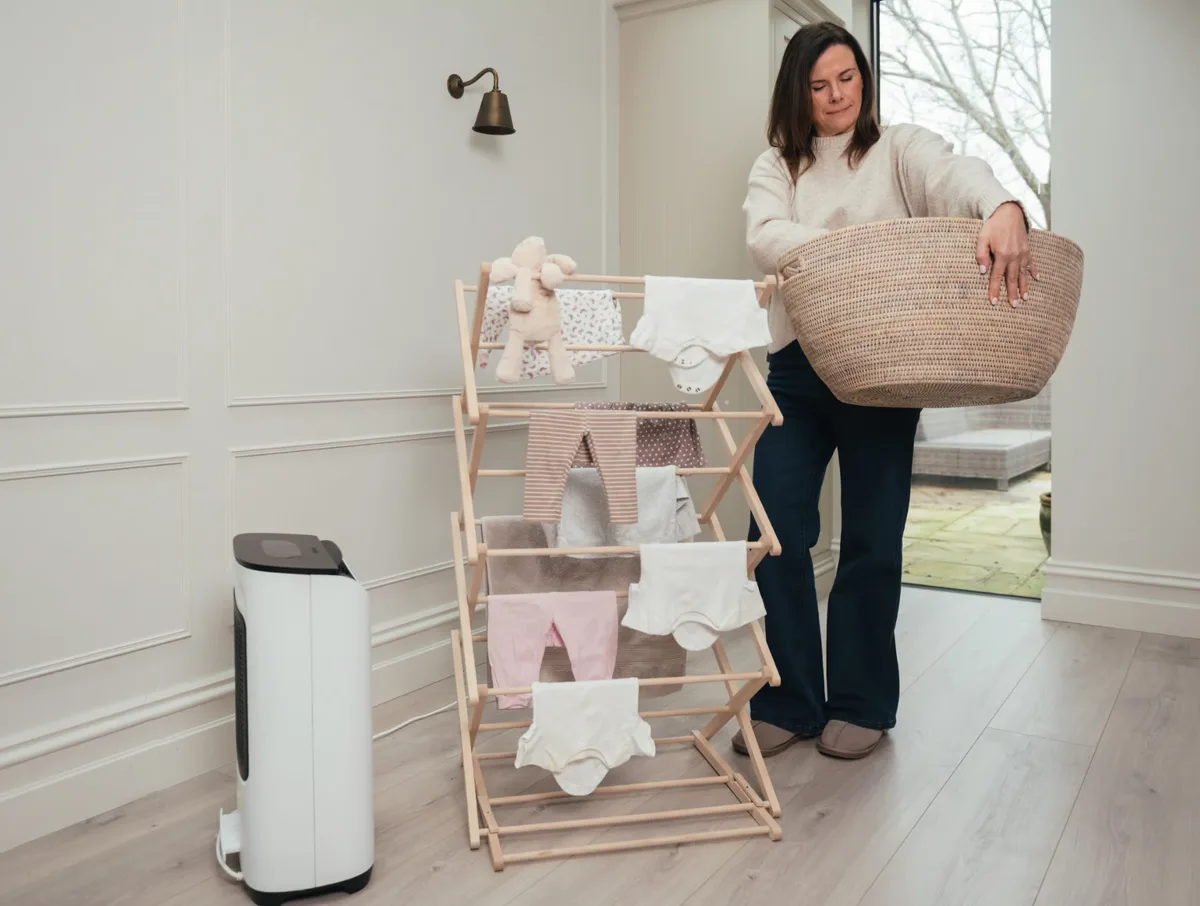
Image source: Bing (Web (fair-use with credit))
The 4 Questions That Decide If It's a Yes or a No
What's Your Climate and Room Temperature?
If your laundry space stays above 15°C (59°F), a compressor dehumidifier can handle the job. Warmer air holds more moisture, so evaporation happens faster.
If your room sits colder than that, desiccant units work better but use more electricity. In genuinely cold, damp conditions, a tumble dryer becomes the practical choice. The air simply can't absorb water fast enough.
How Much Time Do You Have?
Time is the biggest deciding factor. A full load of cotton towels on a rack with a dehumidifier running takes roughly six to eight hours. A tumble dryer finishes the same load in under two.
If you wash daily and need clothes ready for the school run or your work shift, the dehumidifier route will frustrate you. If you can wash in the evening and let everything dry overnight, it works brilliantly.
What Kind of Laundry Do You Dry?
Heavy items like jeans, thick hoodies, towels, and bedding are the problem cases. They hold a lot of water and take a long time to shed it. Lightweight fabrics like shirts, delicates, and synthetics dry quickly and easily.
For households that mostly wash everyday clothing and some linens, the dehumidifier approach is genuinely workable. For sports kits, denim, and heavy cottons, you'll need the dryer.
Do You Have a Dedicated Drying Space?
This one is non-negotiable. The room must be a contained space where you can close the door and let the dehumidifier do its job. Bathrooms, spare bedrooms, and utility rooms work well.
Open-plan living spaces are a problem. The dehumidifier has to manage the whole house, which reduces its effectiveness on your laundry. You'll also need space for a drying rack that gives decent airflow between items.
The Decision Tree: Should You Try It?
Branch A: Go for It
You're a strong candidate if your answers point toward these conditions:
- The room stays above 15°C year-round
- You can dry laundry overnight or during work hours
- Most of your laundry is lightweight fabric
- You have a closed room with a door you can shut
- You already own a dehumidifier or need one for damp control anyway
If that's you, set up a drying rack, run your washing machine's highest spin cycle, and place the dehumidifier nearby. Expect a full load to dry in six to eight hours with the tank needing emptying once or twice.
Branch B: Skip It
You need a tumble dryer if any of these apply:
- You need laundry dry in under three hours
- You regularly wash towels, jeans, and heavy bedding
- You live in a cold, damp climate with no heated drying space
- Your living arrangement is open-plan with no contained room
Using a dehumidifier in this scenario is a recipe for disappointment. Clothes will feel damp after eight hours, a musty smell will build up, and you'll run the unit for hours while your energy bill climbs.
Branch C: Try a Hybrid Setup
A hybrid approach works better than going all-in on one method. Use the tumble dryer for heavy items and the dehumidifier for everything else. Or run the dryer for 20 minutes to get clothes warm and partially dry, then finish them on a rack with the dehumidifier.
This cuts your dryer use significantly. It also protects delicate fabrics from unnecessary heat damage. Many households find this balances convenience with energy savings.
Costs and Energy Use: Real Numbers
Let's talk money. A standard condenser tumble dryer uses between 1,500 and 2,500 watts per hour. A typical drying cycle runs for about 90 minutes.
That works out to roughly 2.25 to 3.75 kWh per load.
A dehumidifier is far more modest. Compressor models draw between 150 and 400 watts. Desiccant units run higher, around 400 to 700 watts.
In eight hours of operation, even a powerful dehumidifier only consumes 1.6 to 5.6 kWh.
As of 2026, the average US electricity price sits around 18 cents per kWh. Here's a practical comparison:
| Appliance | Power Draw | Time per Load | Cost per Load |
|---|---|---|---|
| Tumble dryer | 1,500–2,500W | 45–90 minutes | 20–55 cents |
| Dehumidifier | 200–700W | 6–8 hours | 25–65 cents |
The savings aren't automatic. You'll only break even if the dehumidifier also replaces other moisture-control work, like running it to prevent damp in a spare room or a small bedroom. If you're drying purely to replace the dryer, the cost difference is slim.
But there's a hidden benefit. A dehumidifier that dries your clothes is also reducing your home's humidity. That can protect your woodwork, reduce condensation on windows, and keep a storage room from smelling musty.
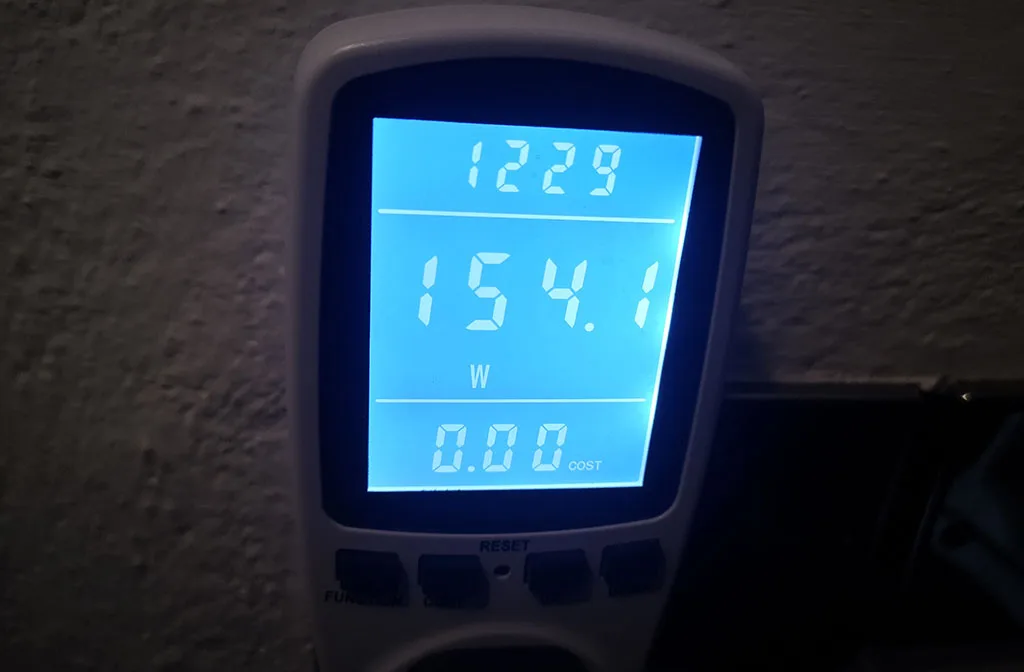
Image source: Bing (Web (fair-use with credit))
For household energy efficiency standards, the Energy Star program provides verified consumption data on both appliances. Their certified dehumidifiers typically use 15 to 30 percent less energy than standard models.
Here's the other angle. A dehumidifier handles damp in your home, protects your walls from condensation, and keeps things fresher. The dryer only dries clothes.
That dual purpose matters, especially for off-grid homes and vans where every watt counts.
If you need a unit that keeps up with regular laundry days, look for a model rated for year-round use. It maintains efficiency across seasons, unlike budget picks with smaller tanks and weaker airflow that demand extra emptying.
At the end of the day, the cost difference is small. The real trade-off isn't money, it's time. A dryer is fast but power-hungry.
A dehumidifier is slow but gentle on fabrics and your electricity bill. Choose based on what you value more.
Common Mistakes and What to Do Instead
Cramming the Rack Too Tight
This is the most common mistake. People load the drying rack like a tumble dryer drum. Every item overlaps with the next.
Air can't circulate when clothes are packed tight. The dehumidifier pulls moisture from the air, but if the air can't reach the fabric, nothing dries. You end up with damp patches and a musty smell after eight hours.
Fix it: Leave a finger's width between each item. Hang shirts on hangers from a rail. Drape trousers over the rack bars with space between each leg.
Less on the rack means faster drying.
Using the Wrong Spin Cycle
Your washing machine's spin cycle is the most important step in dehumidifier drying. A low spin speed leaves clothes soaked. A 1200 RPM or higher spin extracts far more water.
Here's the difference. A 600 RPM spin leaves roughly 80 percent water weight in the fabric. A 1400 RPM spin drops that to around 50 percent.
That's a massive head start for your dehumidifier.
Fix it: Always run the highest spin cycle your machine offers. For delicates, use a mesh bag and spin at 800 RPM minimum. Every drop of water removed by the machine is time saved on the rack.
Choosing the Wrong Room
Open-plan living rooms, hallways, and kitchens are terrible drying spaces. The dehumidifier tries to dehumidify the whole house while your clothes sit in a corner. It never catches up.
Fix it: Use a small, enclosed room. Bathrooms, spare bedrooms, and utility rooms are ideal. Close the door.
The dehumidifier creates a microclimate that pulls moisture from the clothes efficiently.
If you don't have a room you can close off, consider a wardrobe drying system. Some dehumidifiers come with a cabinet attachment that creates a contained drying space. It's not as effective as a room, but it's better than nothing.
Ignoring the Water Tank
A dehumidifier's tank fills up fast when drying laundry. A 20-pint unit can fill its tank in four to six hours with a full load. If it shuts off because the tank is full, drying stops.
Fix it: Use the continuous drain option if your unit has one. Run a hose to a floor drain or sink. If you don't have a drain, set a timer to check the tank every three hours.
Or buy a model with a larger tank that can handle a full drying cycle.
Not Preheating the Room
Cold rooms slow evaporation dramatically. If your laundry space sits at 10°C (50°F), a compressor dehumidifier struggles. The air holds very little moisture, so the process crawls.
Fix it: Run a small space heater for 20 minutes before you start drying. Bring the room temperature to 18°C (65°F) or higher. The dehumidifier works much more efficiently in warm air.
Just don't leave the heater running unattended.
Real Scenarios: What Works and What Doesn't
The Single Person in a Flat
Sarah lives in a one-bedroom flat with no balcony. She washes three loads a week. Mostly shirts, dresses, and gym wear.
She uses a 20-pint compressor dehumidifier in her bathroom. Clothes go on a folding rack after the highest spin cycle. She runs the unit overnight.
By morning, everything is dry. No damp smell. No issues.
Verdict: Works well. Lightweight laundry and a contained space make this setup reliable.
The Family of Four
The Thompson family washes daily. Towels, jeans, school uniforms, bedding. They tried switching to a dehumidifier for a month.
Heavy items took over ten hours. Towels still felt damp in the morning. The 50-pint unit filled its tank twice per load.
They switched back to the tumble dryer for towels and bedding. They kept the dehumidifier for everything else.
Verdict: Hybrid approach wins. Use the dryer for heavy items. Use the dehumidifier for delicates and everyday clothing.
The Van Lifer
Mark lives in a converted van. No space for a tumble dryer. He uses a small desiccant dehumidifier that runs off his solar setup.
He washes clothes at a laundromat, spins them on the highest cycle, and dries them on a foldable rack inside the van. The dehumidifier keeps moisture from condensing on the windows. Clothes dry in about six hours.
Verdict: Essential setup. The dehumidifier does double duty as a moisture controller and clothes dryer.
Maintenance and Long-Term Optimization
Keep the Filter Clean
A clogged filter cuts airflow by half. The dehumidifier works harder and dries slower. Clean the filter every two weeks if you dry laundry regularly.
Most filters pop out and rinse under a tap. Let it dry completely before reinserting. A dirty filter also wastes electricity.
The unit runs longer to pull the same amount of moisture.
Check the Drain Connection
If you use continuous drainage, check the hose monthly. Kinks, blockages, and algae growth can stop the flow. A blocked drain means the tank fills up and the unit shuts off mid-cycle.
Run a cup of white vinegar through the drain line every three months. It prevents algae and mineral buildup. This is especially important in hard water areas.
Position the Unit Correctly
Place the dehumidifier at least six inches from the wall. Air needs to flow freely into the intake. Don't tuck it behind furniture or curtains.
Point the airflow toward the drying rack. Direct airflow speeds evaporation. If you can, place the unit on a low table or chair so the air stream hits the clothes at waist height.
Monitor Room Humidity
A hygrometer costs about ten dollars and tells you exactly when the room is dry enough. Target 50 to 55 percent relative humidity for efficient drying.
If the room stays above 60 percent after six hours, your dehumidifier is undersized. Step up to a larger capacity model that can handle the moisture load.
When to Give Up and Buy a Dryer
You Can't Get Clothes Dry in 8 Hours
If your setup consistently needs more than eight hours, something is wrong. Either the room is too cold, the dehumidifier is too small, or the airflow is poor.
Fix those issues first. If you've tried everything and clothes still feel damp, accept that a dehumidifier won't work for your situation. A tumble dryer is the right tool.
You Have No Contained Space
Open-plan living is the biggest obstacle. The dehumidifier tries to dry the whole house while your clothes sit in one corner. It never catches up.
Without a room you can close off, the dehumidifier approach will frustrate you. A vented tumble dryer or a heat pump model is the practical solution.
You Wash Heavy Items Daily
Sportswear, towels, jeans, and bedding are the toughest loads. If these make up most of your laundry, a dehumidifier will take too long.
Use the dehumidifier for your lightweight clothes. Keep the dryer for the heavy stuff. That's the most practical compromise for most households.
Frequently Asked Questions
Can a dehumidifier dry clothes as fast as a tumble dryer?
No. A tumble dryer finishes a load in 45 to 90 minutes. A dehumidifier takes six to eight hours for the same load.
The trade-off is gentler fabric care and lower energy consumption per hour.
Do I need a special dehumidifier for drying clothes?
Not necessarily. Any compressor or desiccant dehumidifier will work. But models with a laundry mode, continuous drain, and a higher pint capacity perform better.
Look for units rated for at least 30 pints per day for regular laundry use.
Is it cheaper to run a dehumidifier than a tumble dryer?
It depends. A dehumidifier uses less power per hour, but runs for many more hours. The total cost per load is roughly similar.
The real savings come if you already need the dehumidifier for damp control anyway.
Will a dehumidifier make my clothes smell musty?
Only if you make mistakes. Cramming the rack, using a low spin cycle, or drying in a cold room all lead to slow drying. Slow drying means bacteria growth and musty odors.
Follow the steps above and your clothes will smell fresh.
Can I use a dehumidifier in a small apartment?
Yes, and it's often ideal. Small apartments rarely have space for a tumble dryer. A dehumidifier fits in a bathroom or closet.
Just make sure the room is enclosed and you have a drying rack that fits.
What size dehumidifier do I need for laundry?
For a single load, a 20-pint unit works in a small room. For regular laundry or larger rooms, step up to a 30-pint or 40-pint model. A 50-pint unit handles multiple loads and larger spaces without breaking a sweat.
The Verdict: Make the Call That Fits Your Life
Here's the honest answer. A dehumidifier can replace a tumble dryer if you have the right conditions. It's slower, gentler, and cheaper per hour.
It's not a perfect swap, but it works well for many households.
If you have a contained drying space, lightweight laundry, and can wait six to eight hours, go for it. You'll save energy, protect your clothes, and get the bonus of a drier home.
If you need speed, dry heavy items regularly, or live in a cold climate, keep the tumble dryer. Consider a hybrid approach to cut your dryer use by half.
The best solution is the one that fits your actual life. Not the one that sounds good on paper.