Can You Put a Dehumidifier Near a Shower
Yes, you can put a dehumidifier near a shower, but three safety rules are non-negotiable. You need enough distance from the water source, a GFCI-protected outlet, and a unit designed for damp spaces.
Manufacturer specifications consistently recommend at least 3 to 4 feet between the unit and direct shower spray. The National Electrical Code requires GFCI protection for all bathroom outlets. That's the baseline for a safe setup.
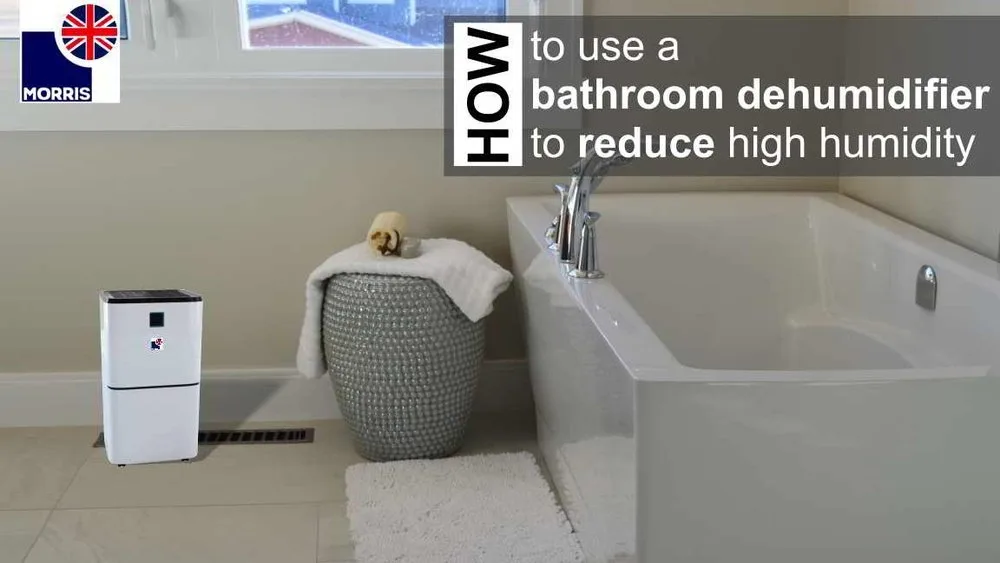
Image source: Bing (Web (fair-use with source credit))
Quick Answer
Yes, with conditions. Keep the unit at least 3 feet from the shower. Plug it into a GFCI outlet only.
Never use an extension cord. Place it on a flat, dry surface. That's the safe setup.
The Splash Zone: Mapping Distance and Dry Space
What counts as "near" the shower?
The term "near" is vague, so let's get specific. You want the dehumidifier outside the splash zone. That's the area where water droplets land during a normal shower.
The splash zone typically extends about 3 feet from the shower head and 2 feet from the sides of the tub or shower pan.
Why distance matters
Water and electricity don't mix. Even a small amount of splashed water can cause a short circuit or electrical shock. That's why the distance guideline exists.
Steam and condensation can also accumulate on the unit's exterior over time, especially in a small bathroom with poor ventilation.
IPX splash-resistance ratings explained
Some dehumidifiers come with an IPX rating that indicates water resistance. An IPX4 rating means the unit handles splashing water from any direction. That's the minimum you should look for in a bathroom model.
However, even an IPX4-rated unit should not go inside the direct spray zone. The rating covers incidental splashes, not direct exposure.
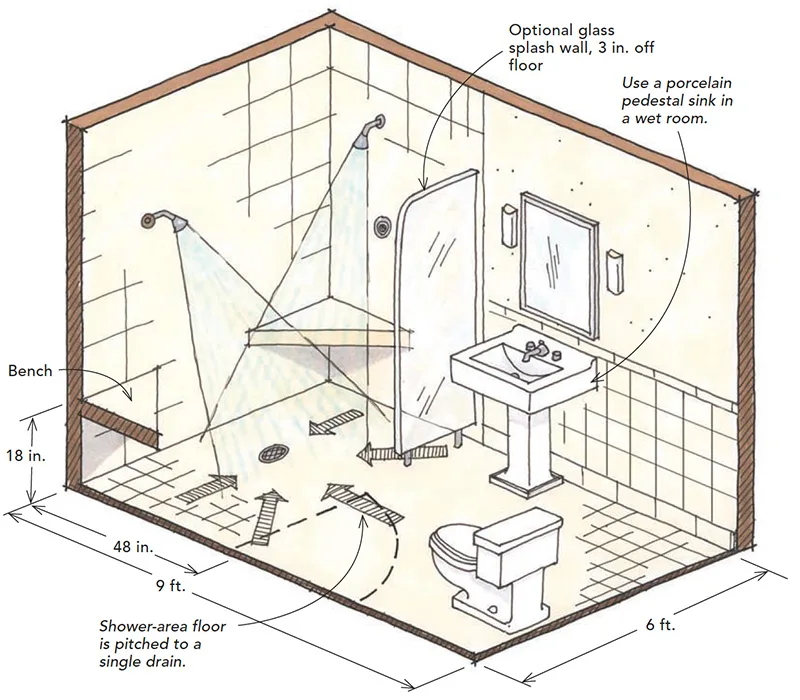
Image source: Bing (Web (fair-use with source credit))
The surface matters just as much
The dehumidifier needs a flat, level, dry surface. If the floor is wet or uneven, the unit could tip over or draw in moisture from the ground. That's especially important in bathrooms with tile floors that stay damp after a shower.
A small rubber mat or plastic tray underneath keeps the unit dry and stable.
Electrical Safety: The GFCI Outlet Requirement
What is a GFCI outlet and why does your bathroom need one?
A GFCI (Ground Fault Circuit Interrupter) outlet shuts off power instantly if it detects a ground fault. It stops the flow of electricity if water creates a dangerous path. The National Electrical Code requires GFCI protection in all bathrooms.
Water and electricity are a deadly combination.
How to check if your outlet is GFCI-protected
Look for the "Test" and "Reset" buttons on the outlet face. Those are the telltale signs of a GFCI outlet. If your bathroom outlet lacks those buttons, it's likely not GFCI-protected.
Do not plug a dehumidifier into it. You can replace the outlet yourself or call an electrician. It's a relatively inexpensive fix.
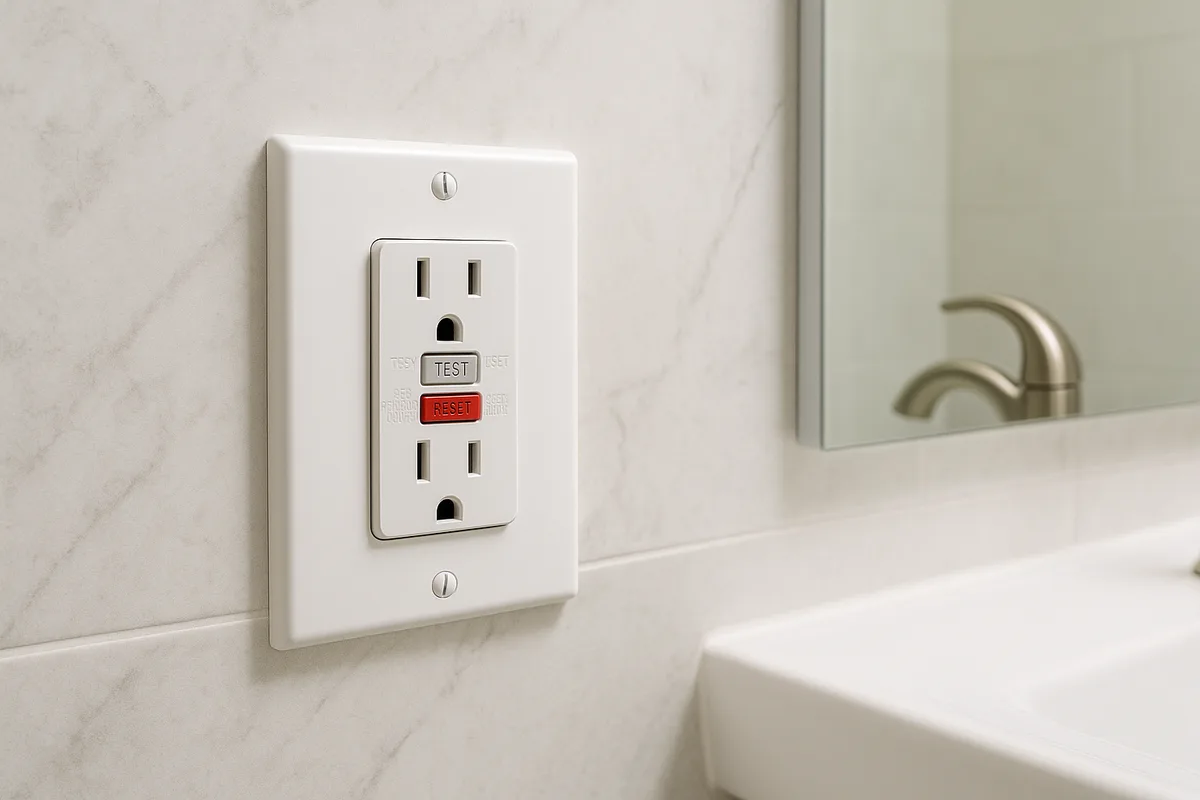
Image source: Bing (Web (fair-use with source credit))
The extension cord rule is absolute
Never use an extension cord or power strip in a bathroom. Extension cords are not designed for damp environments. They can overheat or short circuit.
The dehumidifier must plug directly into the wall outlet. If the cord is too short, move the unit closer to the outlet.
What to do if your bathroom doesn't have a suitable outlet
If your bathroom outlet is not GFCI-protected or is too far away, you have options. You can run a dedicated circuit from another room, but that's a job for a licensed electrician. You can use a portable GFCI adapter that plugs into the outlet.
Or you can place the dehumidifier outside the bathroom and run it with the door open. That's not ideal, but it's safer than an unsafe electrical setup.
Compressor vs. Desiccant Units: Which One Belongs in a Bathroom?
How compressor dehumidifiers work in a bathroom
Compressor dehumidifiers work like a small air conditioner. They pull in warm, humid air, cool it down on a cold coil, and collect the condensation. These units are efficient in warm environments, which is good for a bathroom after a hot shower.
But they struggle in cooler temperatures, typically below 60°F. If your bathroom stays cold, especially in winter, a compressor unit may not keep up.
Why desiccant units work better in cool, damp bathrooms
Desiccant dehumidifiers use a rotating wheel coated with a moisture-absorbing material. They don't rely on temperature to work. That makes them ideal for cooler bathrooms or spaces without direct sunlight.
They also tend to be quieter. The trade-off is higher energy use because they generate heat for the desiccant process.
Tank capacity and continuous drain options
Tank size matters when you run a dehumidifier in a bathroom. After a shower, the unit can fill up quickly. Small portable units often hold only 0.5 to 1 gallon.
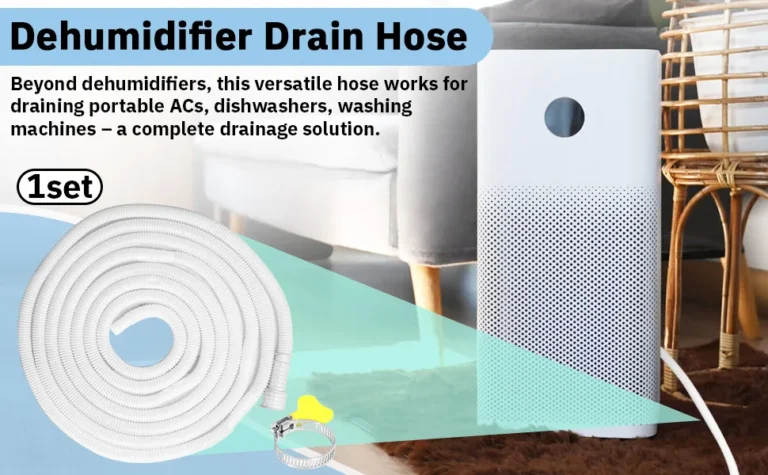
If you run it regularly, you'll empty the tank often. Many units offer a continuous drain option with a hose that runs to a floor drain or sink. That's a great feature for a bathroom with a convenient drain nearby.
Noise, energy use, and size trade-offs
Bathrooms are small, so noise is a real consideration. Compressor units can be louder because of the compressor and fan. Desiccant units are generally quieter.
As of 2026, most models in the 20 to 30 pint range produce around 40 to 50 decibels. That's about the level of a quiet conversation. Energy use is another factor.
Compressor units are more efficient in warm conditions. Desiccant units use more power but work in a wider temperature range.
| Feature | Compressor Dehumidifier | Desiccant Dehumidifier |
|---|---|---|
| Best for warm bathrooms | Yes | No |
| Works in cold bathrooms | No | Yes |
| Noise level | Moderate (40-50 dB) | Low (35-45 dB) |
| Energy efficiency | Higher in warm conditions | Lower, uses more power |
| Tank capacity | Varies, often 1-2 gallons | Varies, often 1-2 gallons |
| Continuous drain | Usually available | Usually available |
| Price range | $80-$200 | $100-$250 |
The Bathroom Dehumidifier Decision Tree: Step-by-Step Setup
Step 1: Measure your bathroom's humidity baseline
Before you buy or place a dehumidifier, know what you're dealing with. Use a hygrometer to measure the humidity in your bathroom. A reading above 60% after a shower is common.
The ideal range is 40% to 50%. If your bathroom is consistently above 60%, a dehumidifier will help. If it's below 60%, you might not need one at all.
Step 2: Verify your outlet and splash-zone safety
Check that your bathroom outlet has GFCI protection. If it doesn't, don't plug anything in until you fix that. Then measure the distance from the outlet to your planned placement spot.
The unit must be at least 3 feet from the shower head and 2 feet from the sides of the tub or shower pan. If the cord is too short, move the unit closer to the outlet.
Step 3: Choose the right position for airflow and water clearance
Place the dehumidifier on a flat, dry surface. Make sure there's at least 6 inches of clearance on all sides for air intake and exhaust. Don't block the unit with towels, shower curtains, or walls.
Unobstructed airflow is essential for pulling moisture from the room. A unit in a corner wastes its capacity.
Step 4: Set your target humidity range
Most dehumidifiers have a built-in humidistat. Set it to 45% for a good balance between comfort and mold prevention. If you set it too low, like 30%, the unit runs constantly and wastes energy.
If you set it too high, like 60%, it won't do much good. The sweet spot is 40% to 50%.
Step 5: Observe, adjust, and fine-tune over a few days
After setup, run the dehumidifier for a few days. Check the tank regularly to see how much water it collects. If the tank fills up quickly, you might need to run it on a timer or use the continuous drain.
If the humidity stays high, move the unit closer to the shower or increase the run time. Adjust the humidity setpoint based on what you see.
Common Mistakes to Avoid with Bathroom Dehumidifiers
The most common problems come from simple placement errors. Avoid these five mistakes and your bathroom dehumidifier will work safely for years.
- Putting the unit inside the splash zone. That includes anything within 3 feet of the shower head or tub sides. Direct water spray can short-circuit the electronics, even with an IPX4 rating.
- Running it 24/7 with no humidistat. Over-drying wastes energy and makes the room feel sharp and dry. Set it to 45% and let the humidistat cycle the unit.
- Blocking the airflow. Walls, towels, and shower curtains all obstruct intake. Give the unit at least 6 inches of space on each side.
- Using an extension cord. Extension cords are a shock hazard in damp rooms. Plug straight into a GFCI outlet. If the cord won't reach, move the unit closer.
- Ignoring the full tank. A full tank triggers an auto shut-off, which stops drying when you need it most. Empty it after every shower, or run a continuous drain hose if your model supports one.
Maintenance and Long-Term Optimization
Empty the tank or set up a continuous drain
Empty the tank after each shower, or use a continuous drain hose. A full tank triggers auto shut-off and stops the drying. The hose setup is the better call if your sink is close by.
Clean the air filter every few weeks
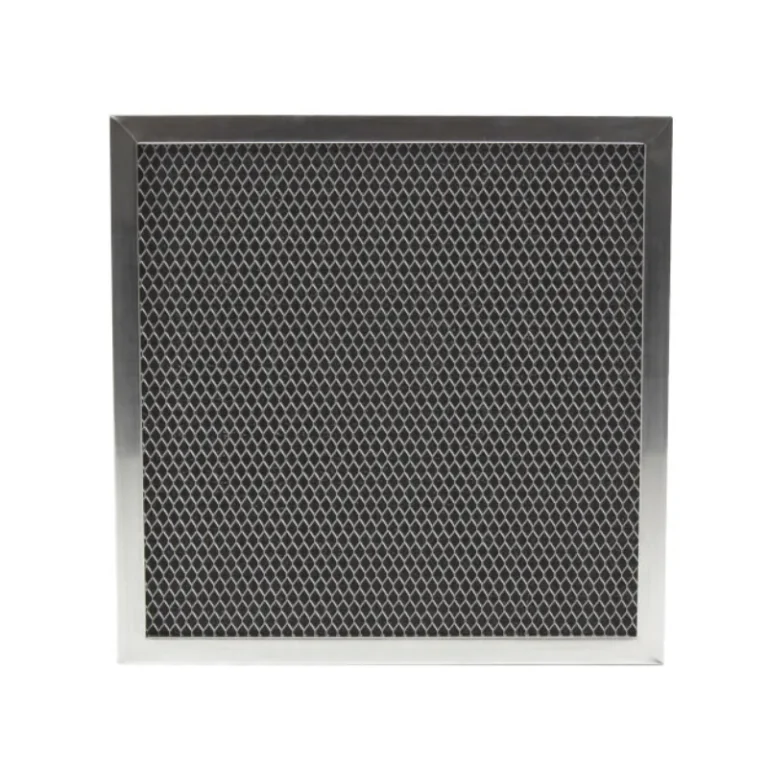
Bathroom dust and hair clog filters fast. A dirty filter cuts airflow and makes the unit run longer. Rinse the filter with water, let it dry, and slide it back in.
Check your manual, since some manufacturers recommend cleaning every two weeks.
Wipe down the exterior and check the floor
Condensation collects on the unit's shell, especially in a steamy bathroom. Wipe it down with a dry cloth after you shower. Also check the floor underneath for leaks.
If the unit sits on a damp tile floor, condensation can track back into the housing.
Adjust for the seasons
Bathroom humidity varies with the weather. In summer, the unit cycles more often. In winter, it may barely run.
As of 2026, most humidistats manage this automatically. Just keep an eye on the readings and clean the filter when needed. The EPA recommends keeping indoor humidity below 60% to prevent mold.
Good airflow also helps, so keep the bathroom door cracked while the unit runs.
Frequently Asked Questions
Should I run the dehumidifier while I'm showering?
No. Starting the unit mid-shower puts it in the line of spray and overwhelms the fan. Wait until you step out and the room is fully humid.
That's when it extracts the most moisture. You'll also keep the unit dry and safe.
Can I leave it plugged in and running all the time?
Yes, if it has a built-in humidistat. The unit cycles on and off to hold your setpoint. If your bathroom naturally stays below 50% humidity, you don't need it constantly.
Check the readings over a few days to see if continuous running makes sense.
How do I know if my bathroom actually needs one?
Measure humidity after a hot shower. If it stays above 60% for more than 30 minutes, you need one. Persistent condensation on windows or walls is another clear sign.
A simple hygrometer costs under $15 and gives you a definitive answer.
What's the minimum distance from the shower?
At least 3 feet from the shower head and 2 feet from the sides of the tub or shower pan. This keeps the unit outside the splash zone. If you have a small bathroom, a compact unit designed for tight spaces can help you maintain that distance.
Can I use a dehumidifier in a bathroom without a window?
Yes. In fact, a dehumidifier is especially useful in windowless bathrooms where steam has no place to go. An exhaust fan helps, but a dehumidifier pulls moisture directly from the air.
Just make sure your outlet is GFCI-protected and the unit is placed safely.