Do I Need a Dehumidifier or Air Conditioner
You live in a sticky house. The air feels thick, your skin stays damp, and you wake up with that musty smell. So the question hits you: do I need a dehumidifier or air conditioner?
It's a common spot to be in, and the answer depends on more than just the temperature.
Here's the quick truth: an air conditioner cools the air and removes some humidity as a side effect. A dehumidifier only removes humidity, with almost no cooling effect. Per the EPA, keep indoor humidity between 30 and 50 percent to stop mold and feel your best.
Figure out if your main problem is heat, humidity, or both. Then the right choice gets obvious.
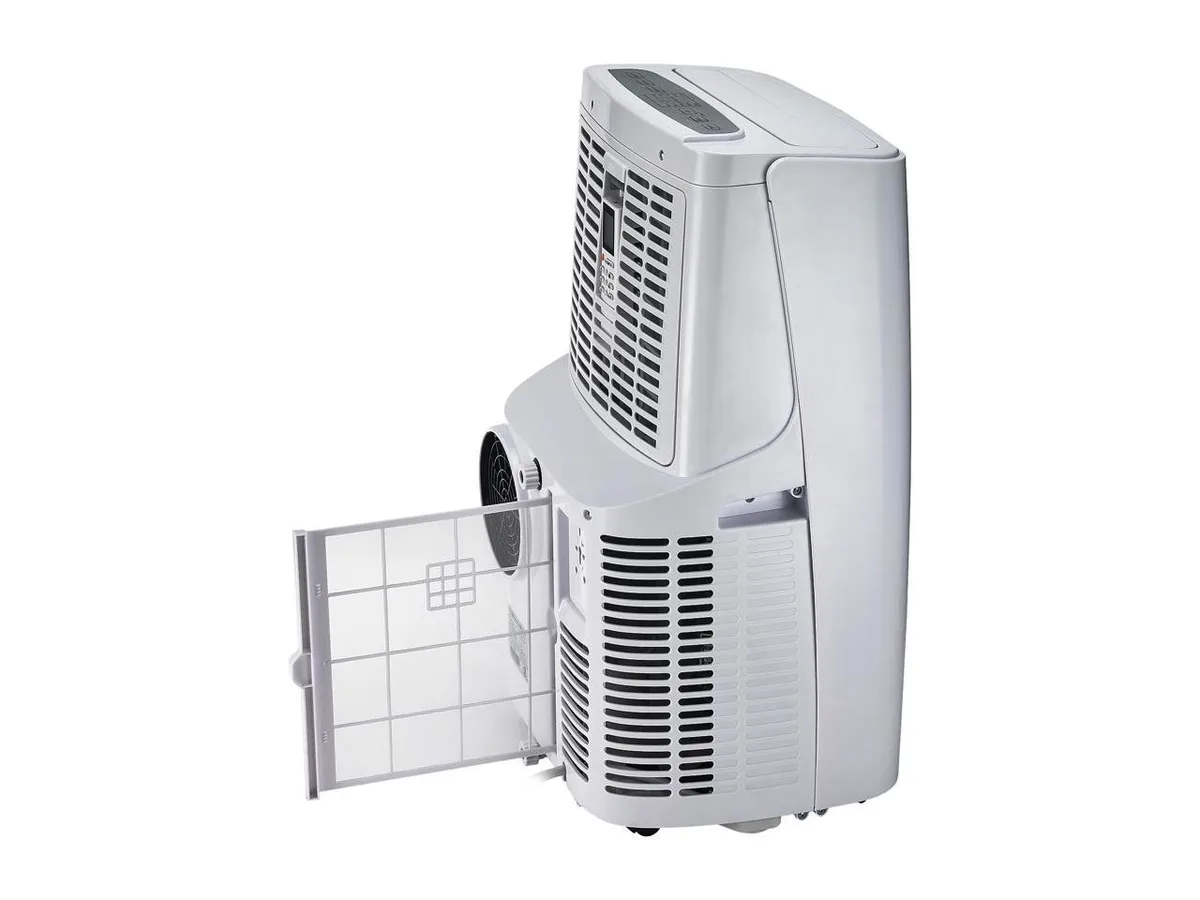
Image source: Bing (Web (fair-use with source credit))
Quick Answer
If your room is hot and humid, get an air conditioner. If it's cool but damp, get a dehumidifier. If it's sweltering and sticky, you need both or a strong AC with a dedicated dehumidifier mode.
Measure your humidity first with a cheap hygrometer. That simple test tells you everything.
Why You're Asking This Question
Most people ask because the air feels "heavy" or "sticky," but they can't tell if cooling alone will fix it. You might have a great central AC system yet still feel clammy in the basement. That's because ACs treat humidity as a side gig.
In mild weather, they don't run long enough to wring the air dry.
The real culprit is relative humidity. When it's above 60 percent, mold spores, dust mites, and bacteria thrive. Your home can feel cool at 72°F but still be uncomfortable because the air holds too much water.
That's the classic sign you need a dehumidifier, not a colder AC.
On the flip side, if your room is 85°F and dry, a dehumidifier won't help. You need an AC to lower the temperature. So the question boils down to one thing: what's making you uncomfortable, temperature or moisture?
Manufacturer specs reveal that a typical 8,000 BTU window AC removes about 2 to 3 pints of moisture per hour while running. A dedicated 30-pint dehumidifier pulls 30 pints per day. That's a huge difference in moisture removal for mild days.
In basements or rooms below 70°F, the AC barely runs. You're better off with a dehumidifier alone.
How Each Unit Actually Works (and Where They Overlap)
Both appliances use a compressor, refrigerant, and a fan. But they do different things:
| Feature | Air Conditioner | Dehumidifier |
|---|---|---|
| Primary job | Lower room temperature | Lower room humidity |
| How it works | Cools air, condenses water, exhausts heat outside | Condenses water, recirculates warm air back into room |
| Heat output | Exhausts heat outside | Adds heat to the room (it warms up slightly) |
| Humidity removal | Byproduct, moderate | Primary function, high |
| Best for | Hot rooms (above 78°F) | Damp rooms (above 60% RH) |
| Running cost (per hour) | $0.15 to $0.50 | $0.10 to $0.30 |
The overlap happens when you have a moderately warm room with high humidity. An AC will cool and dehumidify at the same time. But below about 70°F, most ACs won't run long enough to remove meaningful moisture.
That's when you need a dehumidifier to finish the job.
Take a real basement: 500 square feet, 68°F, 70% humidity. An AC set to 68°F barely cycles. A dehumidifier runs steady and hits 50% in hours.
That's why basements need a dedicated unit.
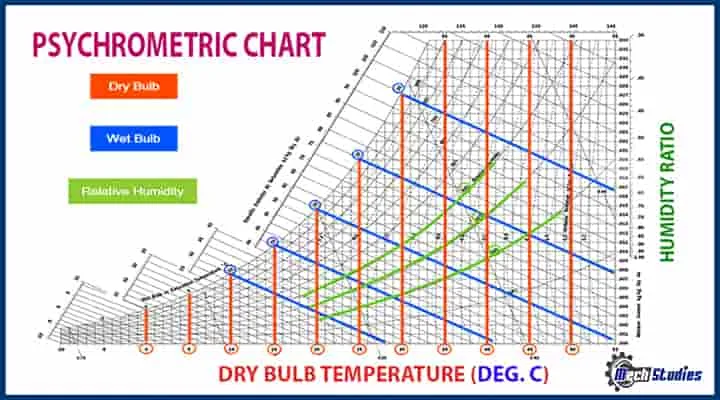
Image source: Bing (Web (fair-use with source credit))
Your Decision Tree: Three Questions That Tell You What You Need
Ignore the marketing noise. You only need three answers:
Question 1: How hot is the room during peak hours?
If the room temperature is consistently above 78°F, you need cooling. An AC is the right tool. If it stays below 76°F, skip the AC and focus on humidity.
Question 2: What's the relative humidity?
Measure it with a $10 hygrometer. Above 60%? You need a dehumidifier.
Below 50%? Humidity is fine, your discomfort is purely temperature. Between 50% and 60%?
You're in the comfortable zone. Either a fan or a small AC might be enough.
Question 3: Does the room have a source of moisture?
If the room is underground, a basement, or has poor ventilation, moisture is likely the root cause. A dehumidifier is almost always the right first step. In a bedroom with no moisture source, heat is the bigger problem.
Decision path:
- Hot (above 78°F) and humid (above 60%) -> Get a portable or window AC with strong dehumidification, or run both a dehumidifier and an AC.
- Hot but dry (below 50% RH) -> Just an AC.
- Cool (below 76°F) and humid -> Dehumidifier only.
- Cool and dry -> You might not need either. Try a fan.
The Most Common Mistakes People Make
Biggest mistake: thinking bigger is better. Many people buy a 70-pint dehumidifier for a 200-square-foot bedroom. That's overkill. It will short-cycle, pull humidity too fast, and the compressor may fail early.
Match the unit size to your room's square footage and dampness level. A 30-pint unit covers up to 1,500 square feet in a moderately damp basement. A 50-pint covers the same area in very damp conditions.
Another mistake: placing the unit behind furniture. Both ACs and dehumidifiers need airflow to work. Leave at least six inches of clearance around the unit. The dehumidifier's intake is usually on the side.
Block it and it struggles.
People also forget to clean the filter. A clogged filter reduces efficiency by up to 30 percent. Wash it every two weeks during heavy use. Don't run the AC in dehumidifier mode for days on end.
Most units lock the fan on low, which freezes the coils in mild weather.
Finally, don't ignore the drain. If you empty a 50-pint bucket every day, you're removing serious water. That's a sign your home has a moisture problem that needs addressing. If you leave the bucket overflowing, you'll get water damage.
Use a continuous drain hose instead, especially in basements.
The EPA recommends using a dehumidifier only when humidity is above 60% and sealing your home to keep moisture out. Check the EPA's indoor air quality guidelines for more details on humidity control.
Real-Life Scenarios: Basements, Bedrooms, and Humid Climates
Let's apply the decision tree to three common situations. Each one acts differently, and the right answer changes.
Basement (cool, damp, musty)
Basements sit below grade, so they stay cooler than the rest of the house. In summer, warm humid air from upstairs sinks down and condenses on cold concrete walls. Result: 70% humidity at 65°F.
An AC won't help here because it's too cold for the compressor to cycle. A 50-pint dehumidifier with a continuous drain hose is the right answer. Set it to 50% and let it run.
As of 2026, Energy Star models use about half the electricity of older units.
Bedroom (warm in summer, stuffy at night)
Your bedroom gets sun during the day and traps body heat at night. If humidity stays under 60%, a window AC or portable AC will handle both cooling and moisture removal. But if you live in a humid climate and your room is 74°F with 70% humidity, the AC alone might not pull enough water.
You'll wake up sticky. In that case, add a small 20-pint dehumidifier or get a portable AC with a stronger dehumidification rating (check the pints per hour spec).
Coastal or Gulf Coast home (hot and humid year-round)
This one is tough. Summer temps hit 90°F with 80% humidity. You need serious cooling and serious moisture removal.
A central AC with a whole-house dehumidifier is the gold standard. But if you're in an apartment or rental, a high-BTU portable AC (12,000 BTU or more) that pulls at least 3 pints per hour is your best bet. Run the AC during the day and let the dehumidifier take over at night when temps drop.

Image source: Bing (Web (fair-use with source credit))
Frequently Asked Questions
Can I use a dehumidifier instead of an air conditioner?
Only if you don't mind a warm room. A dehumidifier removes moisture but adds heat. It's great for cool damp spaces like basements, but in a hot room it will make things worse.
You need an AC for cooling.
Is it better to run the AC or a dehumidifier for humidity?
In hot weather, an AC does both jobs. In mild weather below 75°F, a dehumidifier is more efficient at pulling moisture without overcooling the room. Run the AC when it's hot, the dehumidifier when it's cool and damp.
How do I measure humidity in my home?
Get a digital hygrometer for $10 to $15. Place it in the middle of the room, away from windows and vents. Read the number.
Below 50% is dry, 50 to 60% is comfortable, above 60% means you need dehumidification.
Will a dehumidifier cool a room like an AC?
No. It actually warms the air slightly from the compressor and fan heat. It might feel cooler if the air was sticky before, but the temperature will stay the same or rise a degree or two.
Can I run both a dehumidifier and an air conditioner at the same time?
Yes. The AC cools and removes some moisture. The dehumidifier handles the rest.
Watch your electricity bill. Energy Star models help keep costs down.
Final Verdict: Which One (or Both) Should You Buy?
Measure your room temperature and humidity first. A simple $15 hygrometer ends the guesswork. If the problem is purely heat above 78°F, buy an air conditioner.
If the problem is humidity above 60% with temperatures below 76°F, buy a dehumidifier. If both are high, get an AC with a strong dehumidifier mode or run both units separately.
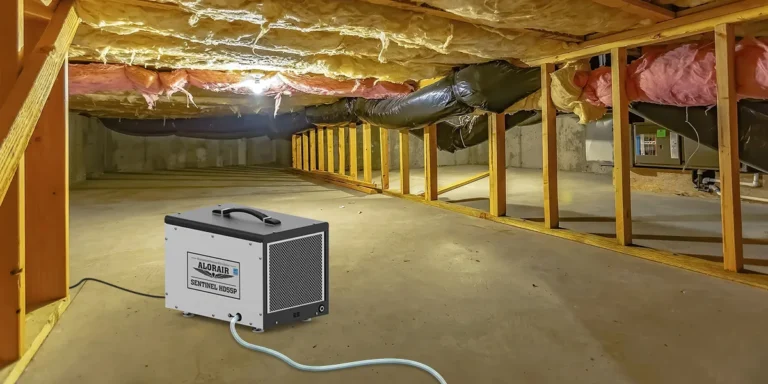
For basements and crawlspaces, always start with a dehumidifier. For bedrooms and living areas in hot climates, the AC is your primary tool. Run the dehumidifier during spring and fall when the AC isn't needed.
That combo keeps your home comfortable, dry, and energy-efficient year-round.