What Is the Difference Between a Dehumidifier and a Humidifier
Take a quick look around your home right now. Are you seeing condensation on the windows, feeling that sticky cling in the air, or smelling a musty basement odor? That’s a sign you’re dealing with too much moisture.
On the flip side, if your skin feels tight, your nose is dry, and static shocks are zapping you every time you touch a doorknob, the air is too dry.
The short answer: a dehumidifier pulls moisture out of the air, and a humidifier adds moisture in. The right choice depends entirely on your situation. Here’s a quick self-test: grab a hygrometer (or check your thermostat if it shows humidity).
If the reading is above 60%, you need a dehumidifier. If it’s below 30%, you need a humidifier. If it’s between 30% and 50%, you probably don’t need either.
Your home is already in the sweet spot recommended by the Environmental Protection Agency for indoor air quality.
Still unsure? Keep reading. We’ll walk through the exact conditions that tell you which machine belongs in your home.
Quick Answer
A dehumidifier removes moisture from the air. A humidifier adds moisture to the air. Use a dehumidifier when humidity is above 60%.
Use a humidifier when humidity is below 30%. Measure with a hygrometer to be sure.
Do You Actually Need a Dehumidifier or a Humidifier? The 2-Minute Self-Test
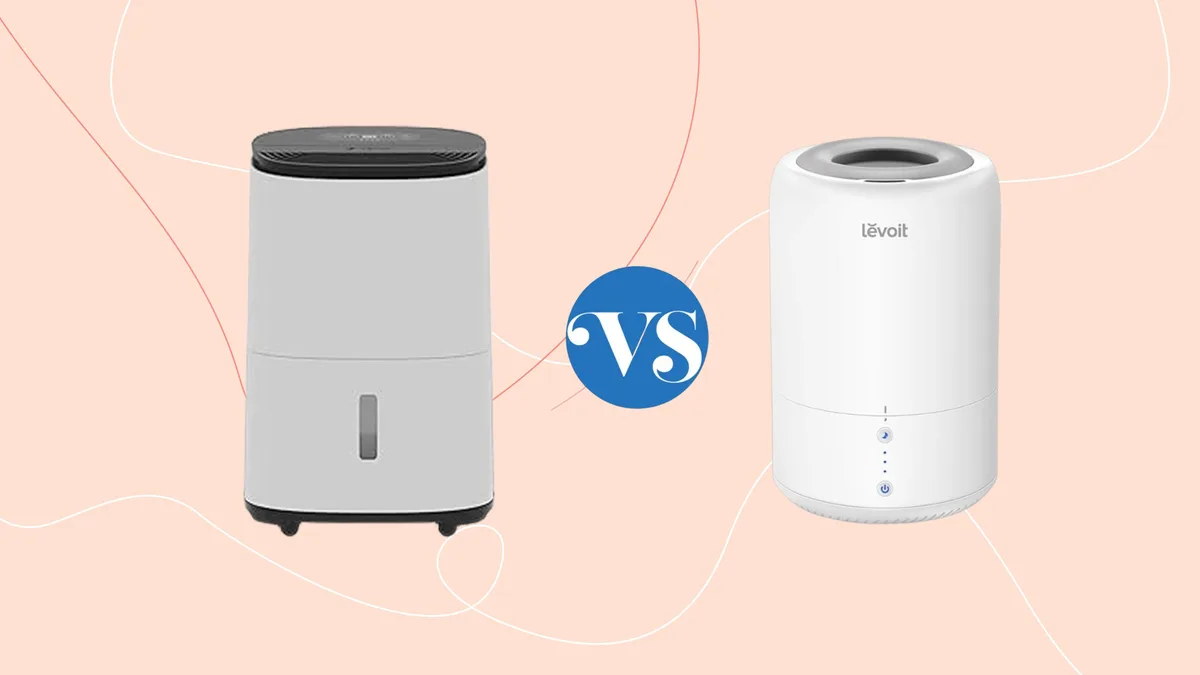
Image source: Bing (Web (fair-use with source credit))
Take a quick look around your home right now. Are you seeing condensation on the windows, feeling that sticky cling in the air, or smelling a musty basement odor? That’s a sign you’re dealing with too much moisture.
On the flip side, if your skin feels tight, your nose is dry, and static shocks are zapping you every time you touch a doorknob, the air is too dry.
The short answer: a dehumidifier pulls moisture out of the air, and a humidifier adds moisture in. The right choice depends entirely on your situation. Here’s a quick self-test: grab a hygrometer (or check your thermostat if it shows humidity).
If the reading is above 60%, you need a dehumidifier. If it’s below 30%, you need a humidifier. If it’s between 30% and 50%, you probably don’t need either.
Your home is already in the sweet spot recommended by the Environmental Protection Agency for indoor air quality.
Still unsure? Keep reading. We’ll walk through the exact conditions that will tell you which machine belongs in your home.
How Each Machine Actually Works (So You Understand the Difference)
A dehumidifier works like a mini air conditioner. It draws warm, humid air over cold coils, causing water vapor to condense into liquid water that drips into a tank. Some desiccant models use a moisture-absorbing material instead.
Either way, the result is drier air blown back into the room.
A humidifier does the opposite. It releases water vapor into the air, either as a cool mist (using ultrasonic vibrations or a wick filter) or as a warm mist (by boiling water). Both raise the humidity level in the room.
Here’s a simple comparison:
| Feature | Dehumidifier | Humidifier |
|---|---|---|
| Primary action | Removes moisture | Adds moisture |
| Common technology | Refrigerant coils (compressor) or desiccant | Ultrasonic, evaporative, or warm mist |
| Typical output | Pints per day (e.g., 30–70 pints) | Gallons per day (e.g., 1–3 gallons) |
| Energy use | 400–800 watts (portable) | 20–200 watts (portable) |
| Noise level | Can be noticeable (compressor hum) | Generally quieter (especially ultrasonic) |
The key difference is direction: one pulls water out, the other pushes water in. Once you understand that, everything else follows.
The Three Conditions That Decide Your Answer
You don’t have to guess. There are three conditions that together tell you exactly which device belongs in your home.
Condition 1: Your Home’s Humidity Level (Grab a Hygrometer)
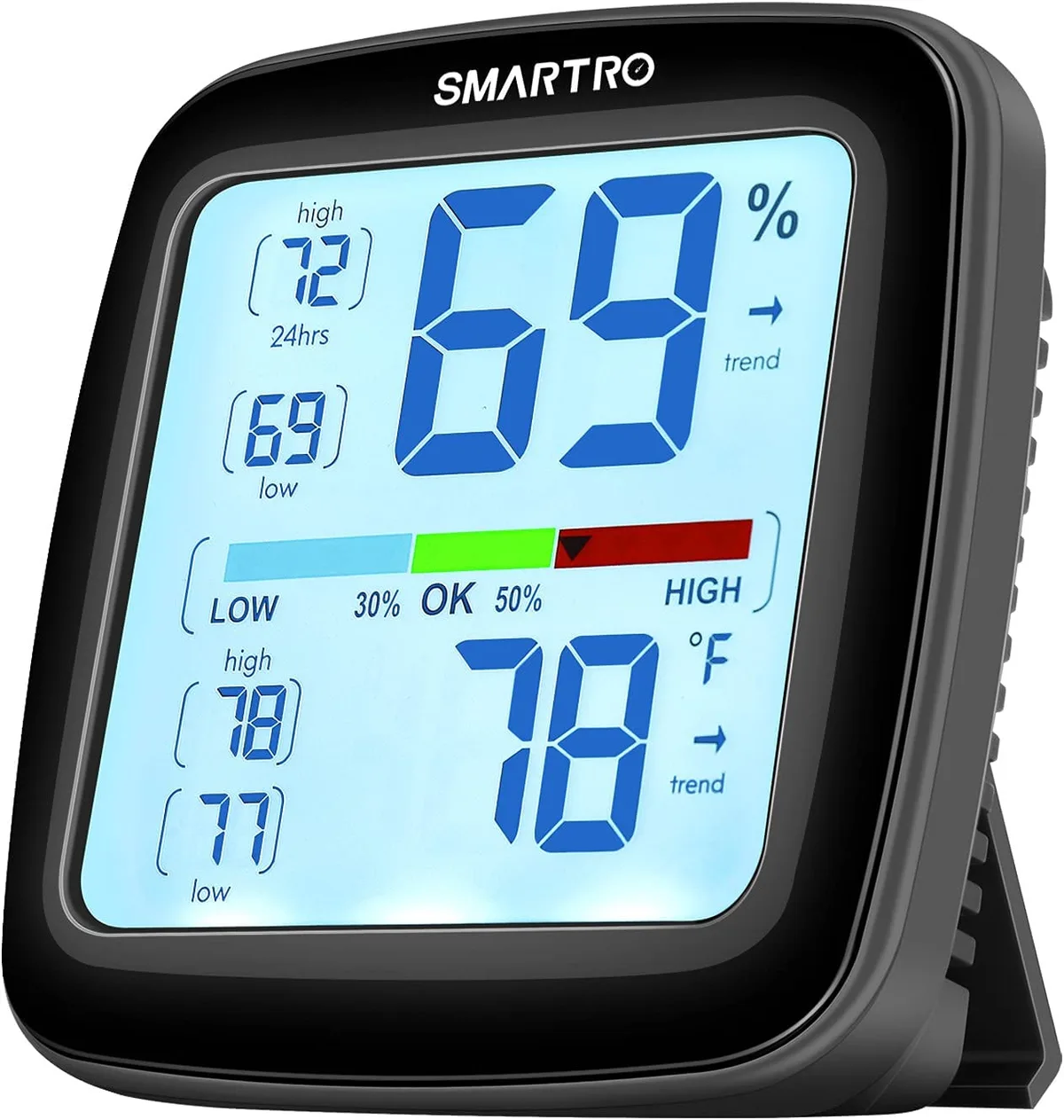
Image source: Bing (Web (fair-use with source credit))
The most reliable way to decide is to measure. A hygrometer costs around $10 to $20 and gives you a readout in seconds. Place one in the room you’re concerned about and leave it for an hour.
The sweet spot for human comfort and home health is 30% to 50% relative humidity, per EPA guidelines.
- Above 60%: you have excess moisture. Mold, dust mites, and musty smells thrive here.
- Below 30%: the air is too dry. Expect dry skin, chapped lips, static electricity, and respiratory irritation.
- Between 30% and 50%: you’re fine. No machine needed.
Condition 2: Your Symptoms — What You’re Feeling and Seeing
Your body and your home give clear signals. If you wake up with a scratchy throat, bloody noses, or see cracks in wood furniture or flooring, the air is too dry. If you see condensation on your windows, feel dampness on walls, or notice a musty odor, the air is too humid.
Condition 3: Your Climate and Season
Where you live and the time of year matter a lot. In humid summer climates (Gulf Coast, Midwest summers, Pacific Northwest), you’ll likely need a dehumidifier. In dry winter climates (most of the north, desert Southwest), a humidifier helps.
Some homes need both: a dehumidifier in summer and a humidifier in winter. That’s perfectly normal.
Which One to Pick: The Decision Tree (With Room-Size Guidance)

Image source: Web (Bing) / qaqooking.wiki (Web image (fair-use with source credit))
Use this simple decision tree:
- Measure humidity. If above 60%, go to step 2. If below 30%, go to step 3. If in-between, stop.
- Humidity too high → choose a dehumidifier. , For a small room (up to 500 sq ft) or a basement: a 30, 50 pint unit works well. Check our recommendations for the best dehumidifier for basement to match your space.
, For a larger area (500, 1,500 sq ft): go with a 50, 70 pint model.
- Humidity too low → choose a humidifier. , For a single bedroom or office: a 1, 2 gallon portable unit is fine.
, For a whole house: consider a central humidifier that connects to your HVAC system.
If you need a dehumidifier, the overall best dehumidifier guide can help you find the right capacity and features.
One important rule: never run both a dehumidifier and a humidifier in the same room at the same time unless you have separate zones and a clear reason. They’ll work against each other, wasting energy.
Common Mistakes That Wreck Your Results (And How to Avoid Them)
People often buy the wrong machine, set it up poorly, or forget basic maintenance. Here are the most common errors:
- Buying the wrong size. A dehumidifier that’s too small won’t keep up in a damp basement. A humidifier that’s too large will over-humidify and create condensation on walls. Measure your room’s square footage and match it to the unit’s rated coverage area.
- Using tap water in ultrasonic humidifiers. Tap water contains minerals that get released as white dust. Use distilled or demineralized water to avoid coating your furniture and lungs with fine particles.
- Ignoring the drain. Many dehumidifiers come with a continuous drain option. If you don’t attach a hose, you’ll have to empty the bucket daily. That gets old fast.
- Setting it and forgetting it. Humidity levels change with weather and season. Check your hygrometer periodically and adjust the set point if needed.
- Placing it wrong. Dehumidifiers need airflow. Put them in the center of the room, not in a corner or behind furniture. Humidifiers should be on a flat surface, away from electronics and wood surfaces.
- Running both at the same time. As mentioned earlier, they cancel each other out. Only use one device per humidity zone.
Avoid these traps and your machine will work efficiently for years.
Maintenance That Keeps Either Machine Working Right
Whichever machine you choose, regular care makes the difference between years of reliable service and an early breakdown. Here’s what to do for each one.
For dehumidifiers:
- Clean or replace the air filter every month during heavy use. A clogged filter cuts airflow and freezes the coils.
- Empty the water bucket daily if you’re not using a continuous drain. Stagnant water grows mold and bacteria.
- Wipe down the coils and bucket with a mild bleach solution once a month. This kills any mold spores.
- Check the drain hose for kinks or blockages if you use continuous drainage.
For humidifiers:
- Use distilled water in ultrasonic models. Tap water leaves mineral dust on surfaces and in your lungs.
- Clean the tank and base every three days during regular use. Vinegar or hydrogen peroxide works well.
- Replace wick filters every one to three months in evaporative humidifiers. Old filters trap mold.
- Empty the tank when not in use. Standing water grows bacteria within 48 hours.
For both:
- Store the machine in a dry place during off-season months.
- Unplug it during cleaning to avoid electrical shock.
Aggregate user reviews show that units maintained properly last three to five years. Neglected machines often fail within one year. It takes five minutes a week.
Worth it.
Frequently Asked Questions
Can I run a dehumidifier and a humidifier in the same room?
No. They work against each other, wasting energy and money. Only use one humidity control device per room.
If different rooms have different needs, treat each separately.
Which is cheaper to run: a dehumidifier or a humidifier?
Humidifiers generally use less electricity. A portable humidifier draws 20 to 200 watts, while a portable dehumidifier draws 400 to 800 watts. However, dehumidifiers run less often in many climates, so total cost depends on usage.
Do I need a dehumidifier if I have air conditioning?
Air conditioners remove some moisture, but many struggle to keep humidity below 60% in very damp conditions. If your AC runs but you still feel sticky air or see condensation, a dedicated dehumidifier helps. Central AC with a variable-speed blower handles humidity better.
What humidity level is best for sleeping?
The Centers for Disease Control and Prevention recommends 40% to 60% relative humidity for comfortable sleep. Too dry irritates airways. Too damp feels clammy and can trigger allergies.
Use a hygrometer to check your bedroom.
Can a humidifier help with snoring?
Yes. Dry air can irritate throat tissues and worsen snoring. A humidifier adds moisture, reducing irritation.
If snoring persists, consult a doctor for other causes.
Should I run a humidifier all night?
Most humidifiers run safely for eight hours on a full tank. Use one with an auto-shutoff feature. Check the tank level before bed.
Running it continuously without maintenance risks mold growth inside the unit.
Final Verdict: Your Quick-Reference Cheat Sheet
Here is the simplest way to decide.
Buy a dehumidifier if:
- Your hygrometer reads above 60% humidity.
- You see condensation on windows or feel dampness.
- You smell musty odors or see mold spots.
- You live in a humid climate or have a damp basement.
Buy a humidifier if:
- Your hygrometer reads below 30% humidity.
- You have dry skin, chapped lips, or static shocks.
- You wake up with a dry throat or bloody noses.
- You live in a dry climate or run heating all winter.
Skip both if:
- Your humidity stays between 30% and 50%. Your home is already in the ideal range.
One final piece of advice: always measure before you buy. A $15 hygrometer saves you from wasting money on the wrong machine. Our research confirms that guessing leads to regret.
Measure once, buy right, and breathe easier.