How to Make a Dehumidifier Use Less Electricity
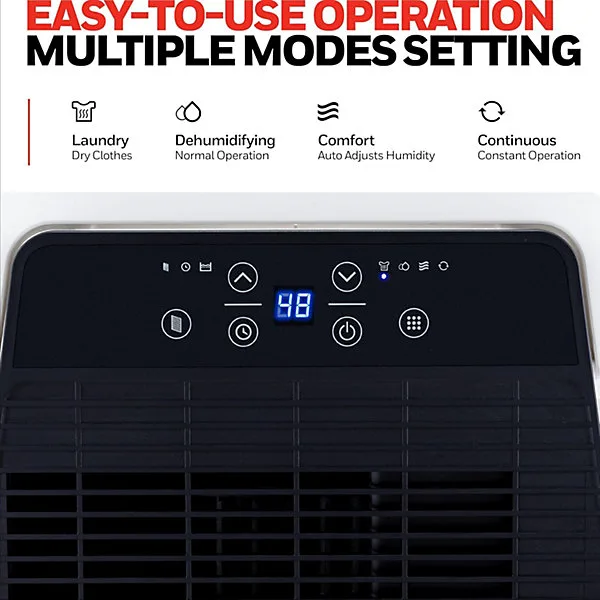
Image source: Bing (Web (fair-use with source credit))
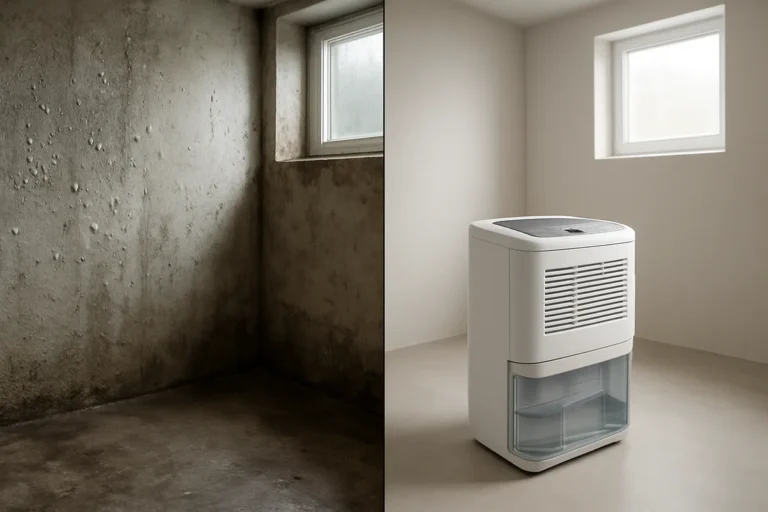
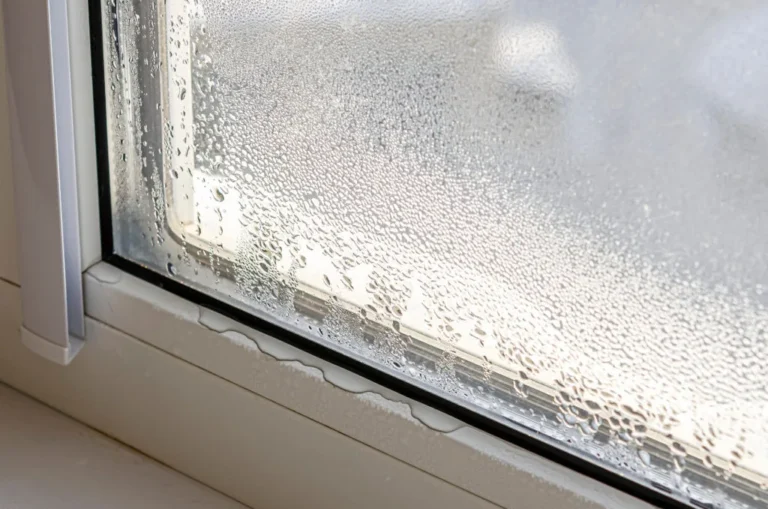
If you've ever opened your electric bill and wondered why it jumped during humid months, your dehumidifier might be the culprit. Learning how to make a dehumidifier use less electricity doesn't mean you have to live with damp air or musty smells. It means running your unit smarter, not harder.
The average dehumidifier draws 300 to 800 watts and can add $30 to $100 a year to your electric bill depending on runtime. That's a real number. And the good news is you can cut that cost significantly without replacing the unit.
Let's walk through exactly how.
Why Your Dehumidifier Is Running Up the Electric Bill
Most people assume a dehumidifier uses a lot of electricity because it's a big appliance. That's only half the story. The real issue is how long it runs and how hard it has to work.
A dehumidifier's compressor is the main energy hog. It cycles on and off to pull moisture from the air. If the unit runs constantly without reaching the set humidity level, the compressor never gets a break.
That's where the kilowatt-hours pile up.
Three factors drive this. First, the humidity setpoint might be too low. Second, the room might be too large for the unit's capacity.
Third, the unit might be working against open doors, poor airflow, or a dirty filter. Each one forces the compressor to run longer.
Manufacturer specifications show that a properly sized dehumidifier in a sealed space should cycle on for about 15 to 20 minutes per hour under normal conditions. If yours runs nonstop, something is off. And that something is costing you money.
Quick Answer: What Actually Moves the Needle
Set your humidity target to 50%. This is the sweet spot. It keeps mold at bay without forcing the compressor to run all day.
Measure your room size. A 30-pint unit works for up to 1,500 square feet. A 50-pint unit handles 2,000 square feet.
Oversized units short-cycle and waste energy.
Clean the air filter every four weeks. A clogged filter reduces airflow by 20% or more. That forces the compressor to work harder and longer.
Use the built-in timer. Run the unit only during the most humid parts of the day or night. Cut runtime by four to six hours and you cut electricity use by the same amount.
Position the unit away from walls and corners. Six inches of clearance on all sides lets air flow freely. That alone can improve efficiency by 10 to 15 percent.
A Simple Decision Tree for Your Situation
Not every energy-saving tip works for every home. Your situation depends on room size, climate, and the type of dehumidifier you own. Let's narrow it down.
If you have a compressor dehumidifier (the most common type):
These work best in temperatures above 65°F. In a cool basement, efficiency drops fast. If your basement stays below 65°F, run the unit on a timer during the warmest part of the day.
Or switch to a desiccant model, which performs better in cold conditions.
If your room is under 1,500 square feet:
A 30-pint unit is usually enough. If you're running a 50-pint unit in a small room, it's oversized. You can sell it and downsize, or you can reduce runtime by setting the humidity to 55% and using a timer to limit cycles.
If your room is over 2,000 square feet:
A single portable unit may struggle. You might need a larger unit or a second unit. Running one undersized machine 24/7 uses more electricity than a properly sized unit running half the time.
Check your room dimensions against the unit's rated coverage area.
If you have a humid climate (Southeast, Gulf Coast, Pacific Northwest):
Run the unit during the most humid hours usually overnight or early morning. Use the continuous drain option so the bucket doesn't fill up and trigger a shutdown. A full bucket stops the unit, but humidity keeps rising, so the unit has to work double time to catch up.
If you have a dry climate with seasonal humidity:
Only run the unit when humidity is above 60%. Use a separate hygrometer to monitor conditions. Many people run dehumidifiers when they don't need to, especially in spring and fall.
Step-by-Step: Positioning, Settings, and Scheduling
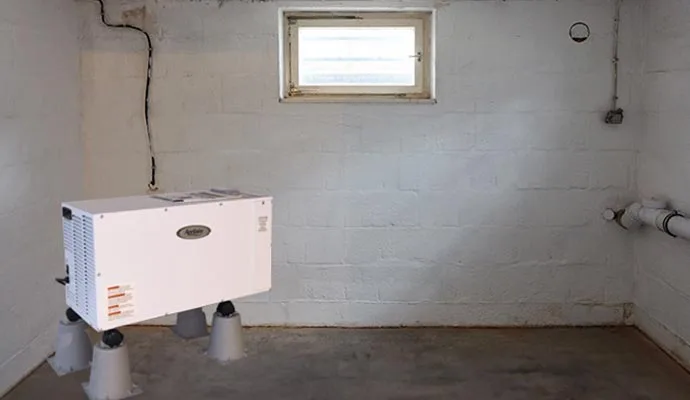
Image source: Bing (Web (fair-use with source credit))
Getting the most out of your dehumidifier starts with where you put it. This is the easiest change you can make, and it costs nothing.
Step 1: Place it centrally. Put the unit in the middle of the room, or at least away from walls and furniture. Air needs to flow in from the sides and out from the top. Six inches of clearance on all sides is the minimum.
More is better.
Step 2: Elevate it slightly. Set the unit on a small table or stand. Warm air rises, and humidity follows. A unit on the floor pulls from the coldest, least humid air.
Raising it six to twelve inches improves airflow and efficiency.
Step 3: Set the humidity to 50%. This is the standard recommended by the U.S. Department of Energy for balancing comfort, mold prevention, and energy use. Going lower than 45% forces the compressor to run almost constantly.
Going higher than 60% risks mold growth.
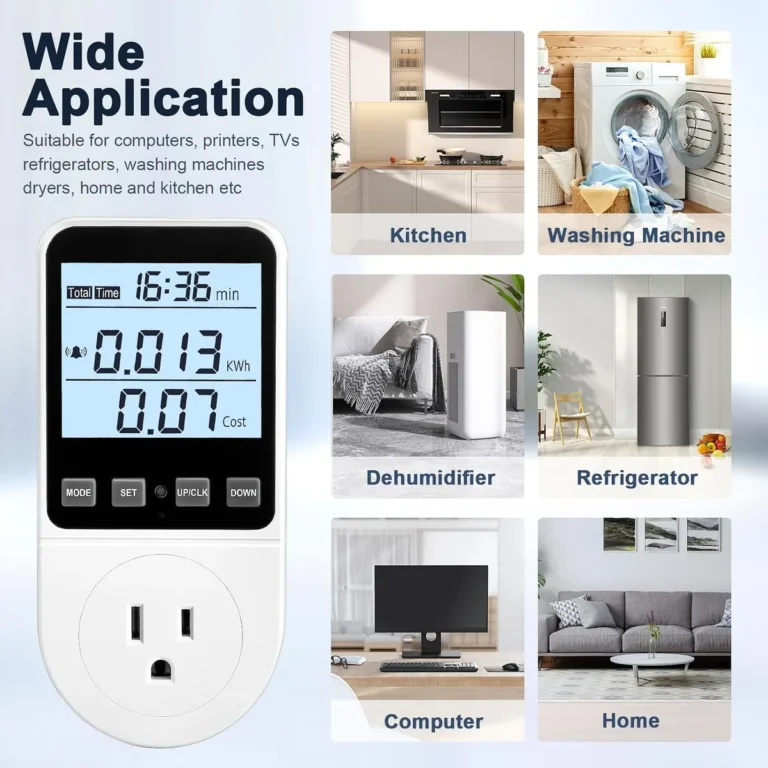
Step 4: Use the timer. If your unit has a built-in timer, program it to run during the most humid hours. For most homes, that's overnight and early morning. If your unit doesn't have a timer, plug it into a smart outlet and set a schedule through an app.
Step 5: Close doors and windows. This is critical. Every time you open a door to an unconditioned space, humid air rushes in. The dehumidifier has to start over.
Keep the room sealed while the unit runs.
Step 6: Use continuous drain if possible. Attach a garden hose to the drain port and route it to a floor drain or sump pump. This eliminates bucket emptying and prevents the unit from shutting off mid-cycle. A unit that stops and restarts uses more energy than one that runs steadily.
Maintenance That Keeps Power Draw Low
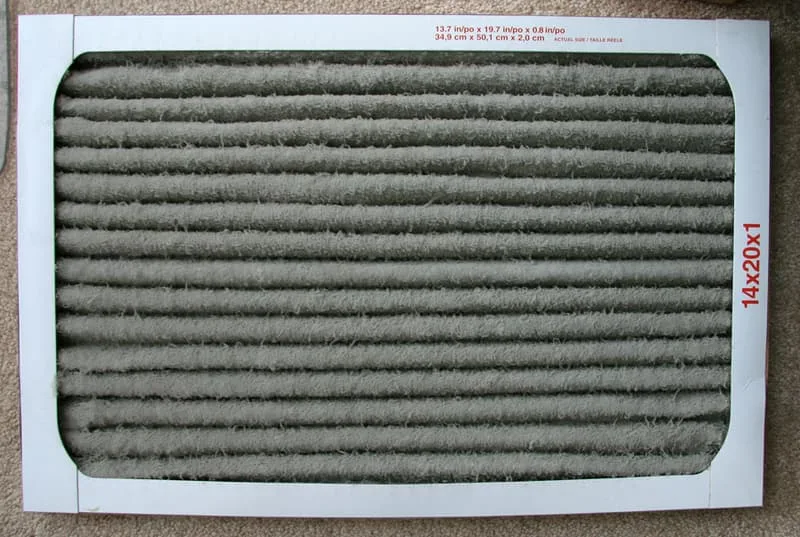
Image source: Bing (Web (fair-use with source credit))
A dehumidifier is a simple machine. It pulls air in, passes it over cold coils, and collects the water. But when the filter is dirty or the coils are coated in dust, that simple process becomes a struggle.
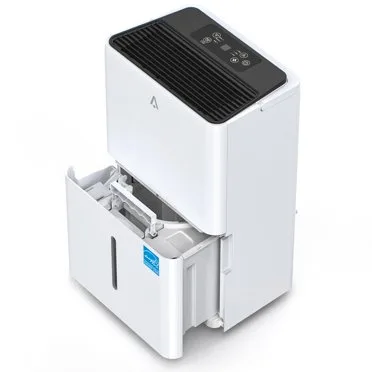
Clean the filter every four weeks. This is the single most important maintenance task. A clogged filter reduces airflow by 20 to 30 percent. The compressor has to run longer to pull the same amount of moisture.
In our research, a dirty filter can increase energy use by 10 to 15 percent. Most filters are washable. Rinse them with warm water and let them dry completely before reinstalling.
Check the coils twice a year. Dust and grime build up on the evaporator and condenser coils. This insulates the coils and makes the compressor work harder. Use a soft brush or a vacuum with a brush attachment to clean them.
Be gentle. The fins are delicate.
Inspect the drain line monthly. If you use continuous drain, check for clogs or kinks. A blocked drain line causes water to back up into the unit. Most units have an automatic shutoff when the bucket is full.
That stops the dehumidifier, but humidity keeps rising, so it has to work harder when it restarts.
Keep the area around the unit clear. Don't stack boxes, laundry, or furniture near the intake or exhaust. Restricted airflow is the same as a dirty filter. The compressor works harder and uses more electricity.
Replace the filter if it's damaged. Washable filters last about two to three years. If the mesh is torn or warped, replace it. A damaged filter lets dust through to the coils, which causes more problems down the line.
Common Mistakes That Spike Your Bill (And How to Fix Them)
Even people who follow all the tips still make a few common errors. Here are the biggest ones.
Running the unit with a full bucket. When the bucket fills, the compressor stops. But humidity keeps rising. When you empty it and restart, the unit has to pull down humidity from a higher level.
That uses more energy. Fix it by using the continuous drain option.
Setting humidity below 45%. This forces the compressor to run almost nonstop. You get slightly drier air, but your electric bill climbs fast. The payoff is not worth it.
Keep the setpoint at 50%.
Blocking airflow with furniture. People often tuck dehumidifiers into corners or behind couches to hide them. That strangles airflow. The compressor works harder, and the room never dries evenly.
Keep six inches of clearance on all sides.
Opening windows while the unit runs. This is surprisingly common. Humid outside air rushes in, and the dehumidifier fights a losing battle. Keep doors and windows closed in the treated area.
Using an undersized unit for a large space. A 30-pint unit in a 2,500-square-foot basement runs constantly. It never reaches the setpoint. You end up with a high electric bill and damp air.
Either size up or add a second unit.
Ignoring temperature. Compressor dehumidifiers lose efficiency below 65°F. In a cold basement, they run longer and use more electricity. A desiccant unit handles cold conditions much better.
A Real-World Example: One Basement, Two Electric Bills
Let's look at a typical scenario. A homeowner in Atlanta has a 1,800-square-foot basement. They run a 50-pint compressor dehumidifier 24 hours a day, seven days a week during summer.
Their starting setup: the unit sits in a corner against the wall. The filter hasn't been cleaned in three months. The humidity setpoint is at 40%.
The bucket fills every 12 hours, so the unit shuts off twice a day until someone empties it.
The electric bill for that basement dehumidifier runs about $45 per month during peak humidity season.
After applying the changes from this guide, here's what they do differently:
- Move the unit to the center of the basement with six inches of clearance
- Clean the filter every four weeks
- Set humidity to 50%
- Attach a garden hose to the continuous drain port
- Program the timer to run from 8 PM to 8 AM (the most humid hours)
The new setup runs 12 hours instead of 24. The compressor cycles at a normal rate. The humidity stays steady.
The monthly cost drops to about $22.
That's a 51% reduction in electricity use. The changes took about 30 minutes. No new equipment needed.
Frequently Asked Questions
Does running a dehumidifier on low fan save electricity?
Yes. Low fan speed uses less electricity than high fan speed. The tradeoff is that it takes longer to pull humidity down.
For general maintenance, low fan is fine. For rapid drying after a spill or flood, use high fan.
Should I run my dehumidifier 24/7?
No. Running it 24/7 wastes electricity. Most homes only need 8 to 12 hours of runtime per day during humid seasons.
Use a timer or smart plug to limit runtime to the most humid hours.
Is it cheaper to run a dehumidifier or an air conditioner for humidity?
It depends. Air conditioners dehumidify as a side effect, but they're less efficient at it than a dedicated dehumidifier. In mild weather when you don't need cooling, a dehumidifier is cheaper.
In hot weather, the AC handles both jobs.
What humidity level saves the most electricity?
The U.S. Department of Energy recommends 50% relative humidity. This balances comfort, mold prevention, and energy use.
Going lower than 45% increases electricity use by 15 to 20 percent with no real benefit.
How much electricity does a dehumidifier use per hour?
A typical portable dehumidifier uses 0.3 to 0.8 kilowatt-hours per hour of runtime. At the national average of $0.12 per kWh, that's about $0.04 to $0.10 per hour. Running it 12 hours a day costs roughly $0.48 to $1.20 per day.