Why Does My Dehumidifier Smell Like Mildew
So you've plugged in your dehumidifier, let it run for a few hours, and instead of fresher air you're getting a musty, almost swampy smell. You're wondering why does my dehumidifier smell like mildew, and more importantly, how to fix it. That smell is a sign that something inside the unit has become a breeding ground for mold or bacteria.
Manufacturer guidelines from Energy Star recommend cleaning the removable bucket and air filter every two weeks during peak use. But many users skip that routine, and the result is a microbial buildup that produces that unmistakable odor. Let's walk through the most common causes and how to track down the source.
The Quick Answer: Why That Mildew Smell Happens in the First Place
Moisture trapped inside the unit is the culprit. Mold and bacteria grow on dust, dirt, and biofilm in the water tank. The smell means the unit needs a thorough cleaning.
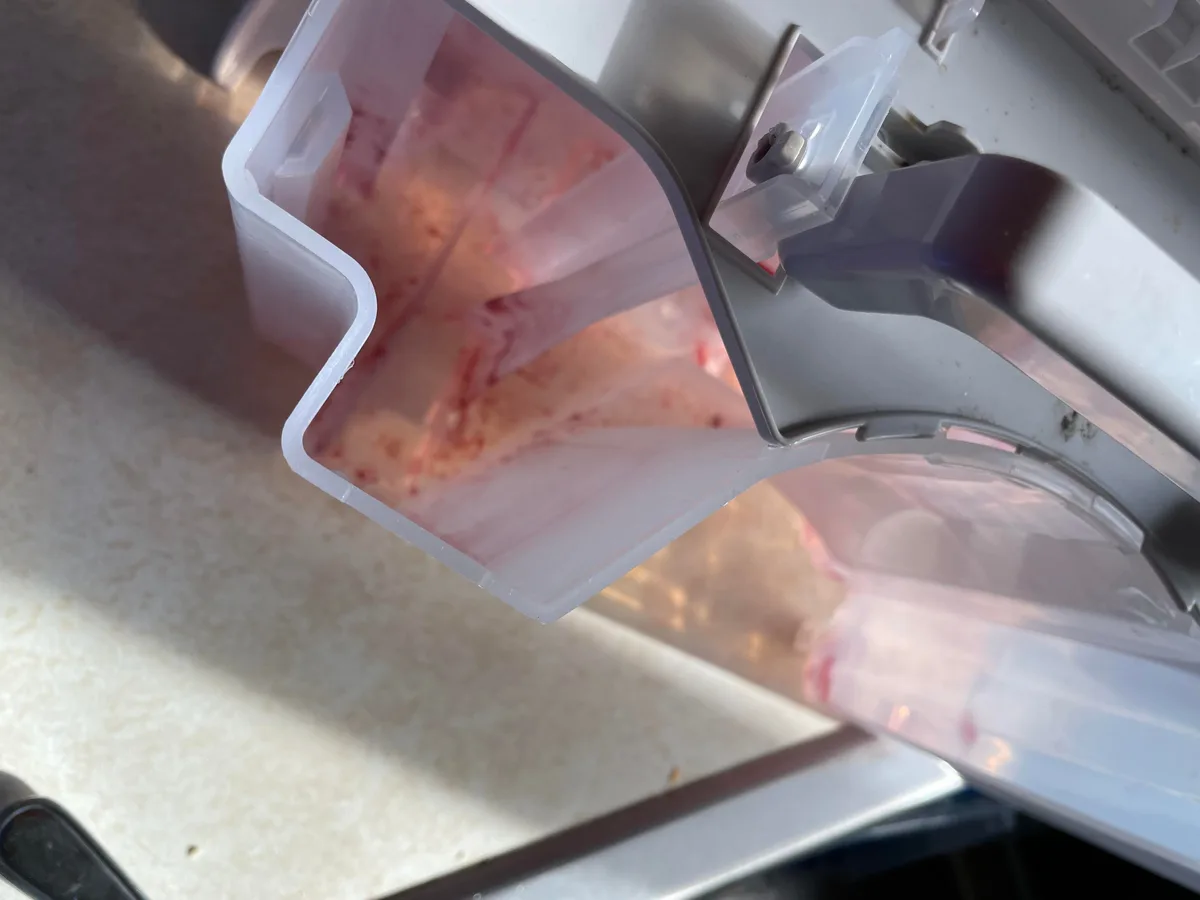
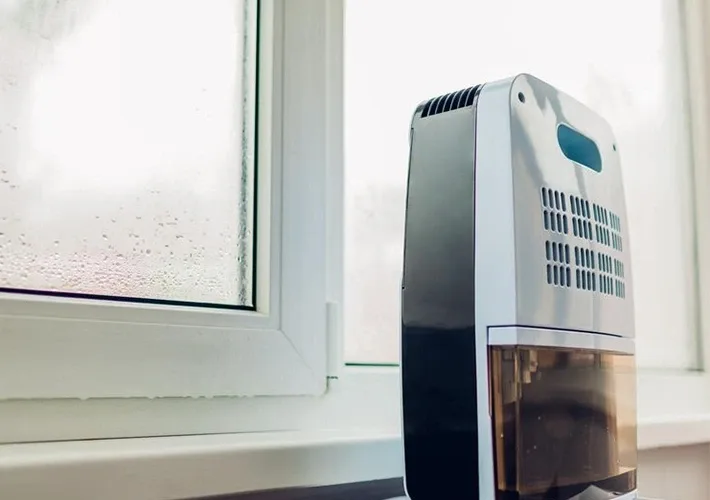
Image source: Bing (Web (fair-use with source credit))
Is It the Water Tank, the Filter, or the Coils? A Quick Decision Tree
The source of the smell tells you where to start cleaning. Here's a simple way to narrow it down.

Image source: Bing (Web (fair-use with source credit))
| If the smell is… | The likely cause is… | First thing to check… |
|---|---|---|
| Musty, like damp basement | Dirty air filter or standing water in the bucket | Remove and inspect the filter. Empty the bucket. |
| Sour, like rotten eggs | Biofilm in the water tank or drain hose | Clean the tank with vinegar and water. |
| Sharp, chemical-like | Possible electrical issue | Check for burning smell. Unplug if concerned. |
Most of the time, the smell comes from the water tank. Stagnant water grows bacteria fast. If you have a continuous drain hose, check that too.
It can trap water and grow slime inside.
If the filter is clogged with dust and pet hair, air can't flow properly. That trapped moisture creates the perfect environment for mold on the filter itself. Rinse the filter and let it dry completely.
How to Diagnose Each Cause (And Fix It Right)
Let's look at each cause in detail and what to do about it.
Dirty air filter. This is the easiest fix. Turn off the unit and locate the filter. Most filters slide out from the front or back.
Rinse it with warm water and mild detergent. Let it air dry completely before reinstalling. A dirty filter not only smells but also reduces the unit's efficiency.
Energy Star guidelines recommend cleaning it every two weeks.
Stagnant water in the bucket. If you don't empty the bucket regularly, bacteria grow in the leftover water. Empty the bucket and wash it with a solution of white vinegar and water. Rinse thoroughly and dry.
Use a soft brush to scrub the inside corners.
Biofilm in the drain hose or continuous drain. If you use a hose for continuous drainage, it can develop a slimy biofilm inside. Disconnect the hose and flush it with a vinegar solution. Run clean water through it afterward.
Let it dry before reconnecting.
Mold on the evaporator coils. This is harder to reach. The coils are inside the unit behind the filter. If the smell persists after cleaning the filter and bucket, the coils may have mold.
Use a coil cleaning spray designed for HVAC systems. Spray it on the coils and let it sit for the recommended time before running the unit.
Step-by-Step: Deep Cleaning Your Dehumidifier Like a Pro
If the smell is stubborn, a deep clean is in order. Here's how to do it right.
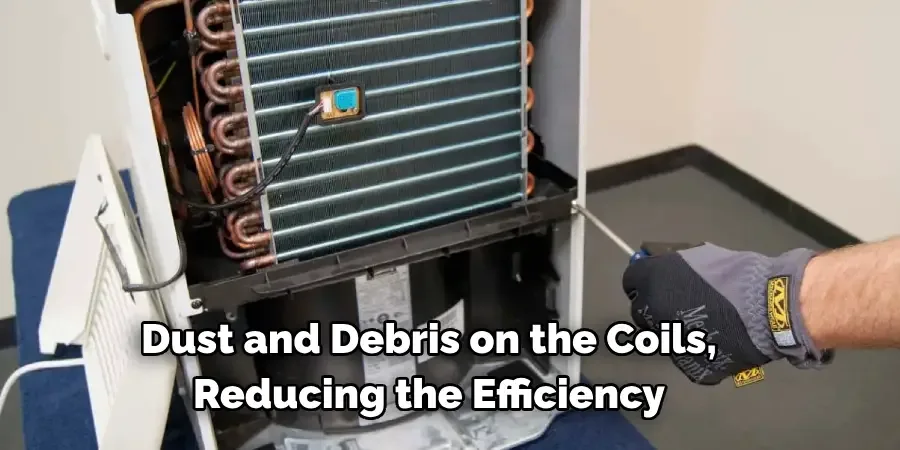
Image source: Bing (Web (fair-use with source credit))
Tools and materials you'll need:
| Tool / Material | Purpose |
|---|---|
| Soft brush or vacuum attachment | Cleaning dust from coils and filter |
| White vinegar | Disinfecting bucket and tank |
| Warm water and mild detergent | General cleaning |
| Microfiber cloth | Drying components |
| Coil cleaning spray (optional) | For deep mold on coils |
Step 1: Unplug the dehumidifier. Always start with the unit disconnected from power.
Step 2: Remove the water bucket and air filter. Empty the bucket. Rinse the filter with warm water and mild detergent.
Set both aside to dry.
Step 3: Clean the bucket. Mix equal parts white vinegar and warm water. Scrub the inside of the bucket with a soft cloth or brush.
Pay attention to corners and crevices where biofilm hides. Rinse well and dry with a microfiber cloth.
Step 4: Clean the coils. Use a soft brush or vacuum with a brush attachment to remove dust from the evaporator coils. If you see visible mold, use a coil cleaning spray.
Follow the product instructions. Let it sit for 10 to 15 minutes.
Step 5: Clean the drain hose. If your unit has a continuous drain, disconnect the hose. Flush it with a vinegar solution.
Run clean water through it. Let it dry.
Step 6: Wipe down the interior. Use a damp cloth with a little vinegar to wipe the inside of the unit where the bucket sits. This area often collects dirt and moisture.
Step 7: Let everything dry completely. Reassemble the unit. Plug it back in and run it on a low setting for a few hours.
Check for any remaining smell.
Common Mistakes That Make the Smell Come Back
Even after a deep clean, the smell can return if you make these common mistakes.
Not drying components completely. Moisture is the enemy. If you put a wet filter or bucket back in, mold will return quickly. Let everything air dry for at least a few hours.
Using bleach on plastic parts. Bleach can damage the plastic in your dehumidifier. It also doesn't kill all types of mold on porous surfaces. White vinegar is safer and just as effective.
Skipping the drain hose. If you have a continuous drain, the hose is a hidden source of smell. Many people clean the bucket but forget the hose. Clean it every time you deep clean the unit.
Not cleaning the filter often enough. This is the most common mistake. A dirty filter traps moisture and dust, creating a breeding ground for mold. Set a reminder to check it every two weeks.
Letting the bucket sit too long. If you empty the bucket only when it's full, the water has been sitting for days. Empty it more frequently, especially in humid weather.
Ignoring the humidity setting. If your dehumidifier is set too low (below 30% humidity), it runs less often. Water can stagnate in the bucket. Keep the humidity set between 30% and 50% for optimal performance.
The EPA recommends keeping indoor humidity between 30% and 50% to prevent mold growth.
If you're still struggling with persistent humidity issues after cleaning, a larger unit might be needed. Check out our guide on the best dehumidifier for basement for recommendations.
Long-Term Prevention: Keeping Your Dehumidifier Fresh
Once you've eliminated the smell, the goal is to keep it from coming back. A regular maintenance routine makes all the difference.
Set a schedule for filter cleaning. Mark your calendar for every two weeks. Pull the filter, rinse it, and let it dry. A clean filter stops dust from building up on the coils.
Empty the bucket more often. Don't wait until it's full. Empty it daily during humid months. Stagnant water is the number one cause of that mildew smell.
Use the continuous drain option if you can. A hose connected to a floor drain keeps water moving. It never sits in the bucket long enough to grow bacteria. Just remember to clean the hose every few months.
Keep the area around the unit clean. Dust and pet hair get pulled into the dehumidifier. Vacuum around the unit weekly. That reduces the organic matter that mold feeds on.
Check the humidity setting. Keep it between 30% and 50%. Running the unit too dry (below 30%) makes it cycle less often. Water sits longer in the bucket.
The EPA indoor humidity guidelines are a good reference point.
Do a seasonal deep clean. Once at the start of humid season and once at the end, run through the full cleaning steps. That prevents buildup before it becomes a problem.
FAQs About Dehumidifier Mildew Smells
Can I use bleach to clean my dehumidifier?
You can, but we don't recommend it. Bleach can damage plastic components over time. It's also harsh on the seals and gaskets.
White vinegar and water works just as well for killing mold. Rinse thoroughly after cleaning.
Why does my dehumidifier smell even after cleaning?
The smell might be trapped in the evaporator coils. If you only cleaned the bucket and filter, the coils could still have mold. Use a coil cleaning spray or call a professional.
Another possibility is mold inside the unit's housing.
How often should I clean my dehumidifier?
Clean the filter every two weeks. Deep clean the bucket and coils every one to two months during heavy use. If you use a continuous drain, flush the hose every three months.
Stick to this schedule and the smell stays away.
Is a mildew smell dangerous?
The smell itself is not dangerous, but it signals mold growth. Mold spores can irritate your lungs and trigger allergies. If you or your family have asthma or respiratory issues, address the smell quickly.
Prolonged exposure is not ideal.
Can a dehumidifier spread mold?
Yes, it can. If the unit has mold inside, it blows spores into the room. That's why the smell is a warning sign.
Clean the unit thoroughly to stop the spread. A properly maintained dehumidifier actually prevents mold.
When should I call a professional?
If you've cleaned everything and the smell persists, call an HVAC technician. They can access the internal components. Some units have a buildup inside the refrigerant lines.
That's not a DIY job.
Final Verdict: When to Clean vs. When to Call It Quits
Most dehumidifier smell problems are fixable with a thorough cleaning. Start with the filter and bucket. Work your way to the coils and drain hose.
Nine times out of ten, that solves it.
But there are situations where cleaning isn't enough.
Replace the unit if: the plastic bucket is cracked and holds water, the fan is noisy or won't spin, the compressor won't start, or the unit is more than 10 years old. Older units lose efficiency. The cost of repairs can exceed the price of a new one.
Call a professional if: you've cleaned everything twice and the smell remains, you see mold inside the sealed refrigerant lines, or the unit is still under warranty. Warranty repairs are usually free.
Upgrade if: your current unit is too small for the space. A unit that runs constantly to keep up will develop problems faster. If you're in a large basement, check our guide on the best dehumidifier for basement for a properly sized option.
The bottom line is simple. That mildew smell is a sign that your dehumidifier needs attention. Catch it early, clean it properly, and it will serve you well for years.
Ignore it, and you'll be shopping for a replacement sooner than you'd like.