Why Is My Dehumidifier Always Running
If you have ever asked yourself "why is my dehumidifier always running," you are not alone. It is one of the most common frustrations with these machines. And honestly, it can be maddening when your energy bill keeps climbing and the unit never seems to take a break.
According to ASHRAE Standard 55, comfortable indoor humidity sits between 30 and 50 percent relative humidity. If your dehumidifier is running constantly, something is keeping it from reaching that target. The good news is that most causes are easy to diagnose and fix yourself.
Here is how to figure out what is going on.
Quick Answer
Your dehumidifier runs constantly because the humidity never drops below your setpoint. The unit cannot reach the target level. Common causes include a dirty filter or incorrect settings.
The unit may also be too small for your space. Check the filter first, then verify your humidistat setting.
What "Always Running" Really Means (and When It's Normal)
Image source: Bing (Web (fair-use with source credit))
Some dehumidifiers are built to run almost continuously. That does not always mean something is broken.
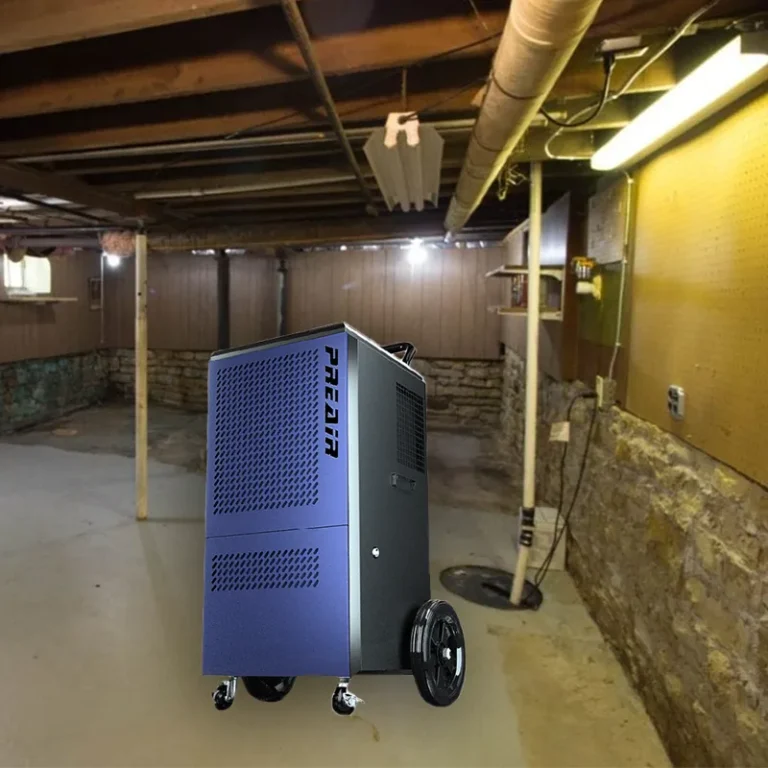
If your space is extremely damp, like a basement after several days of rain, the unit may run for 24 to 48 hours straight. That is actually normal. The compressor needs time to pull moisture out of the air and the porous surfaces in the room.
But there is a big difference between running a lot and never shutting off. A properly working dehumidifier cycles on and off. It runs until the humidity hits your target, then it stops.
If it runs for days without a single break, something is wrong.
Manufacturer specifications indicate that most portable dehumidifiers should cycle off at least once every 24 hours under normal conditions. If yours has not stopped in two days, you have a problem worth investigating.
So when is constant running normal? Three scenarios come up often.
You just set up the unit in a very damp space. Expect 24 to 48 hours of continuous run time while the unit catches up. Give it that time before you start troubleshooting.
The room is unusually large for the unit's pint rating. A 30-pint unit in a 1,000-square-foot basement will run constantly. It simply cannot keep up. You may need a larger unit to match the space.
Outside humidity is extremely high and the space is not sealed well. If you have air leaks, the dehumidifier is fighting an endless battle. It will run until you seal those gaps.
Otherwise, constant running is a clear sign you need to troubleshoot.
The 5 Most Common Reasons Your Dehumidifier Won't Shut Off
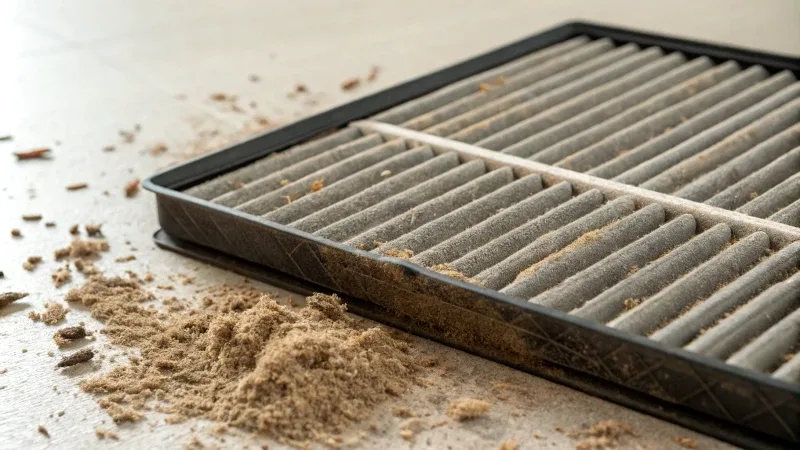
Image source: Bing (Web (fair-use with source credit))
Our research shows five main causes come up again and again. Let's go through each one.
1. A dirty air filter. This is the number one culprit by a wide margin. When the filter is clogged with dust and pet hair, airflow drops dramatically.
The coils cannot remove moisture efficiently, so the unit runs and runs without making progress. Clean or replace the filter every two to four weeks during heavy use. It takes two minutes.
2. The humidistat is set too low. If you set your dehumidifier to 20 percent relative humidity, it will likely run forever. Most home dehumidifiers physically cannot reach below 30 percent.
Set your target between 40 and 50 percent. That is the sweet spot for comfort, energy savings, and preventing mold growth.
3. The unit is too small for the space. A dehumidifier's pint rating tells you how much moisture it can remove in 24 hours. If the room needs 50 pints per day and your unit is rated for 30, it will run constantly.
It simply cannot catch up. Check the manufacturer's coverage chart for your model.
4. The room temperature is too low. Compressor-based dehumidifiers struggle below 65 degrees Fahrenheit. At lower temperatures, the coils ice up.
The unit then spends more time defrosting than actually removing moisture. This leads to constant running with very little water collected. A desiccant dehumidifier works better in cold spaces.
5. A continuous drain issue. If you use the continuous drain feature, the hose may be clogged or kinked. The unit thinks the bucket is full and keeps running but never collects water.
Check the drain line for blockages. Make sure the hose runs downhill without any low spots.
How to Diagnose the Problem Yourself (Step-by-Step Workflow)
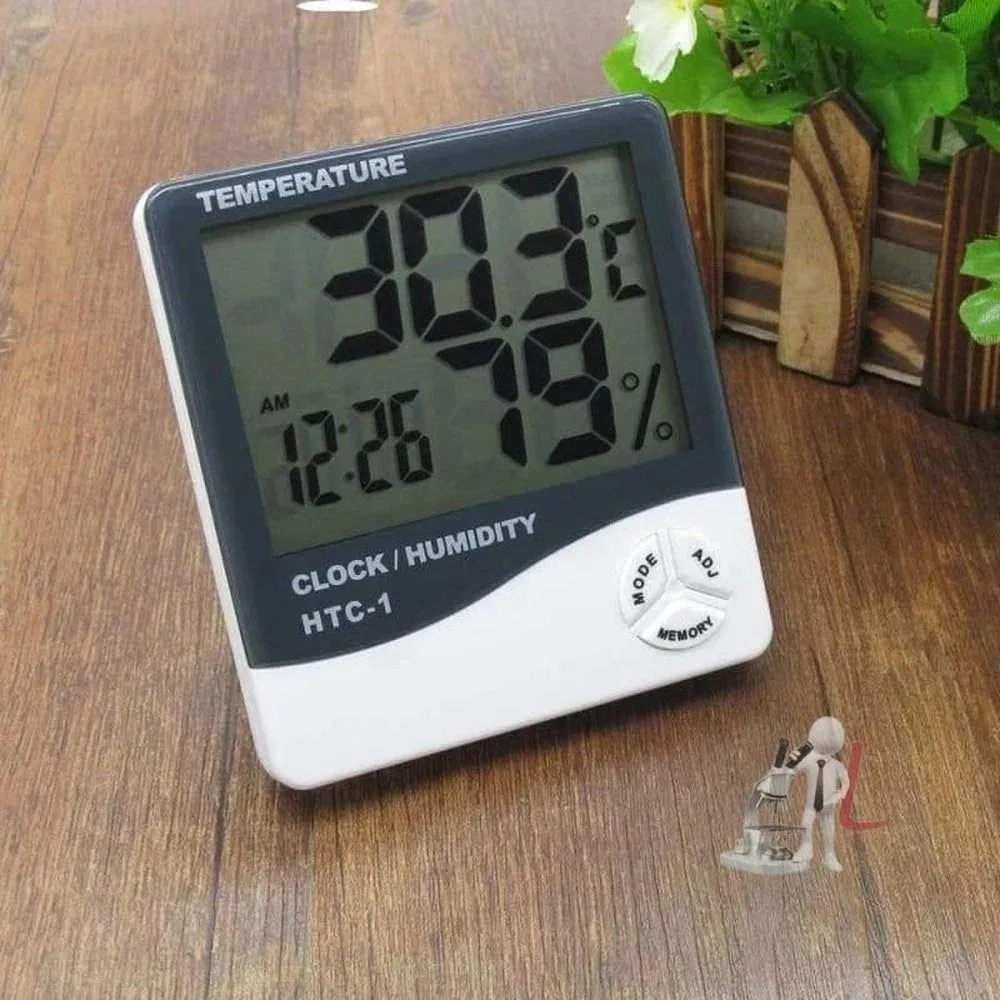
Image source: Bing (Web (fair-use with source credit))
Grab a separate hygrometer, or humidity meter, if you have one. The sensor built into your dehumidifier can be inaccurate. Follow these steps in order.
Step 1: Check the air filter. If it is dirty, clean it. Then wait 12 hours. If the unit cycles off, you solved it.
If not, move to step 2.
Step 2: Measure the actual room humidity. Place your hygrometer several feet away from the dehumidifier. Wait 30 minutes. If the reading is 50 percent or below, your humidistat may be faulty.
If the reading is above 60 percent, the unit is working correctly but the space is too humid.
Step 3: Check the humidistat setting. If you have it set below 35 percent, raise it to 45 percent. Wait 12 hours. If the unit cycles off, the setting was too low.
If it still runs constantly, move to step 4.
Step 4: Evaluate the room size and conditions. Measure the square footage of the space. Compare it to your unit's rated coverage. If the room is larger than the unit can handle, you need a bigger dehumidifier.
If the room is damp or has water issues, those need to be addressed first.
Step 5: Check the drain system. If you are using continuous drain, disconnect the hose and see if water flows freely. If the bucket is filling up normally, the drain system is fine. If the bucket is empty but the unit is running, the drain line is likely blocked.
Step 6: Listen for the compressor. The compressor should cycle on and off as the room humidity changes. If you hear it running constantly without stopping, the humidistat or control board may be faulty.
If you complete all six steps and the unit still runs constantly, the humidistat sensor or control board may need professional repair.
Mistakes That Keep Your Dehumidifier Running Forever
Even smart homeowners make these mistakes. Here is what to avoid.
Placing the unit too close to a wall. Dehumidifiers need airflow on all sides. If you push it against a wall, the intake or exhaust gets blocked. The unit cannot circulate air properly, so it runs constantly.
Keep it at least six inches from any wall.
Using the wrong drain setup. Gravity drains need the hose to run downhill. If the hose goes uphill at any point, water pools and the unit thinks the bucket is full. It keeps running but stops collecting.
Run the hose to a floor drain or use a condensate pump.
Ignoring the defrost cycle. If your dehumidifier is in a cold basement, it may be spending most of its time defrosting. You see the fan running but little water in the bucket. Move the unit to a warmer location or switch to a desiccant model.
Setting and forgetting the humidistat. Many people set the dial once and never check it again. But the dial can get bumped or drift over time. Check the setting every few weeks.
Running the unit in an open space. If you are trying to dehumidify a basement that is open to the rest of the house, you are fighting a losing battle. Close doors to the space you want to treat. Otherwise, the unit runs constantly trying to dry the whole house.
Not addressing the source of moisture. A dehumidifier is a band-aid, not a cure. If you have a leaky pipe, a cracked foundation, or poor drainage outside, the unit will run forever. Fix the source first.
Your Quick Decision Guide: Fix It Yourself or Call a Pro?
Not every problem requires a service call. Here is how to decide based on what you find during your diagnosis.
Fix it yourself if:
- The filter is dirty. Clean it. Takes two minutes.
- The humidistat setting is too low. Adjust it to 45 percent.
- The drain hose is kinked or clogged. Clear the blockage.
- The unit is in a cold room. Move it to a warmer spot or add a small space heater.
- The room is too large for the unit. Buy a larger unit or add a second one.
Call a professional if:
- The humidistat sensor is faulty. You verified with a separate hygrometer that the humidity is below 50 percent, but the unit still runs. The sensor needs replacement.
- The compressor runs but no water collects. This could mean a refrigerant leak. That requires a licensed technician.
- The control board is damaged. Look for burn marks, a burning smell, or unresponsive buttons. The board needs replacement.
- The unit is still under warranty. Let the manufacturer handle repairs. Opening the unit yourself may void the warranty.
- You have tried all six diagnostic steps and nothing changed. The problem is likely internal.
When to replace the unit:
- It is more than five years old and has a refrigerant leak. Repair costs often exceed the value.
- Repair costs are more than half the price of a new unit. Put that money toward a new Energy Star model. As of 2026, certified units offer significant efficiency improvements over older models.
- The compressor is noisy or failing. Compressor replacement is rarely worth it on portable units.
A quick rule of thumb: if the fix takes less than 15 minutes and costs nothing, do it yourself. If it involves opening the sealed refrigeration system or replacing electronic components, call a pro.
Simple Maintenance to Keep It Cycling Properly
Regular maintenance is the best way to keep your dehumidifier cycling on and off normally. These steps take about 10 minutes every month.
Clean the air filter. This is the single most important task. A dirty filter restricts airflow, which forces the compressor to run longer. Wash reusable filters with warm water and mild soap.
Let them dry completely before reinstalling. Replace disposable filters according to the manufacturer's schedule.
Check the condensate drain. If you use a gravity drain, inspect the hose monthly. Look for kinks, clogs, or algae buildup. Flush the line with a mixture of white vinegar and water every three months.
This prevents slime from blocking the flow.
Clean the coils. Dust and grime build up on the evaporator and condenser coils over time. This reduces heat transfer efficiency. Use a soft brush or compressed air to clean them gently.
Do not use harsh chemicals that could damage the refrigerant lines.
Inspect the bucket and float switch. If your unit has a bucket, check the float mechanism. It should move freely. A stuck float switch can trick the unit into thinking the bucket is full, keeping the compressor running.
Vacuum the intake and exhaust vents. Dust accumulates on the grilles. This also restricts airflow. A quick pass with a brush attachment keeps things moving.
Keep the area around the unit clear. Do not stack boxes, laundry, or storage bins against the dehumidifier. It needs at least six inches of clearance on all sides.
Test the humidistat seasonally. About twice a year, compare the unit's reading to a separate hygrometer. If they differ by more than 5 percent, the built-in sensor may be drifting. Some units allow calibration.
Check your manual.
Frequently Asked Questions
How long should a dehumidifier run before it shuts off?
In a normal room with moderate humidity, the unit should cycle on and off every 30 to 60 minutes. It may run for 20 to 30 minutes at a time, then shut off for 15 to 20 minutes. If it runs for hours without stopping, something is wrong.
Is it bad if my dehumidifier runs all the time?
Yes, it is usually a sign of a problem. Constant running wears out the compressor faster and increases your electricity bill. It also indicates that the unit is not reaching the target humidity level.
Address the root cause to extend the life of the machine.
Can a dehumidifier be too big for a room?
Yes, surprisingly. An oversized unit can remove moisture too quickly and cycle on and off too frequently. This short-cycling wears out the compressor.
It can also leave the room feeling damp because the unit does not run long enough to pull moisture from porous surfaces.
What temperature is too cold for a dehumidifier?
Most compressor-based units stop working efficiently below 65 degrees Fahrenheit. Below 60 degrees, the coils can freeze. If you need to dehumidify a cold basement, consider a desiccant dehumidifier.
It works in temperatures as low as 40 degrees.
Should I run my dehumidifier 24 hours a day?
You do not need to. Set the humidistat to 45 or 50 percent relative humidity. The unit will run only when needed.
This saves energy and extends the lifespan of the compressor. Continuous operation is only necessary during extreme humidity events.
How do I know if my dehumidifier humidistat is broken?
Place a separate hygrometer three feet away from the unit. Wait 30 minutes. If the hygrometer reads 50 percent but the dehumidifier shows 70 percent and keeps running, the sensor is likely faulty.
If the unit runs when the humidity is clearly below the setpoint, the control board may be the issue.