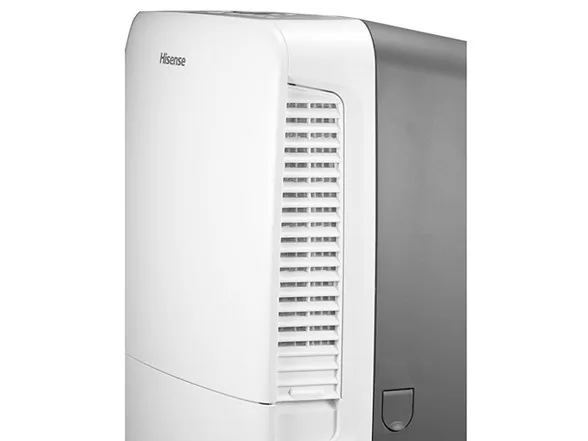
GE Dehumidifier Freezing Up
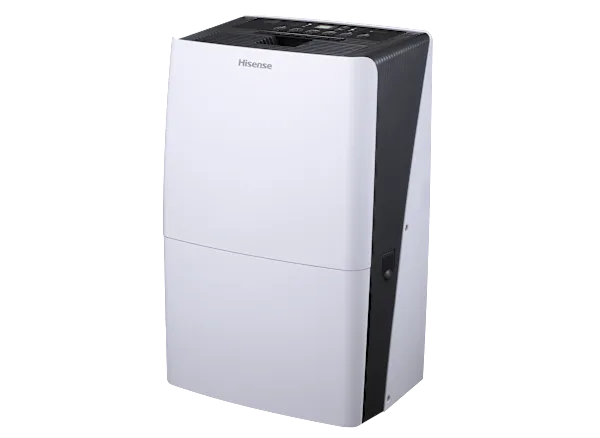
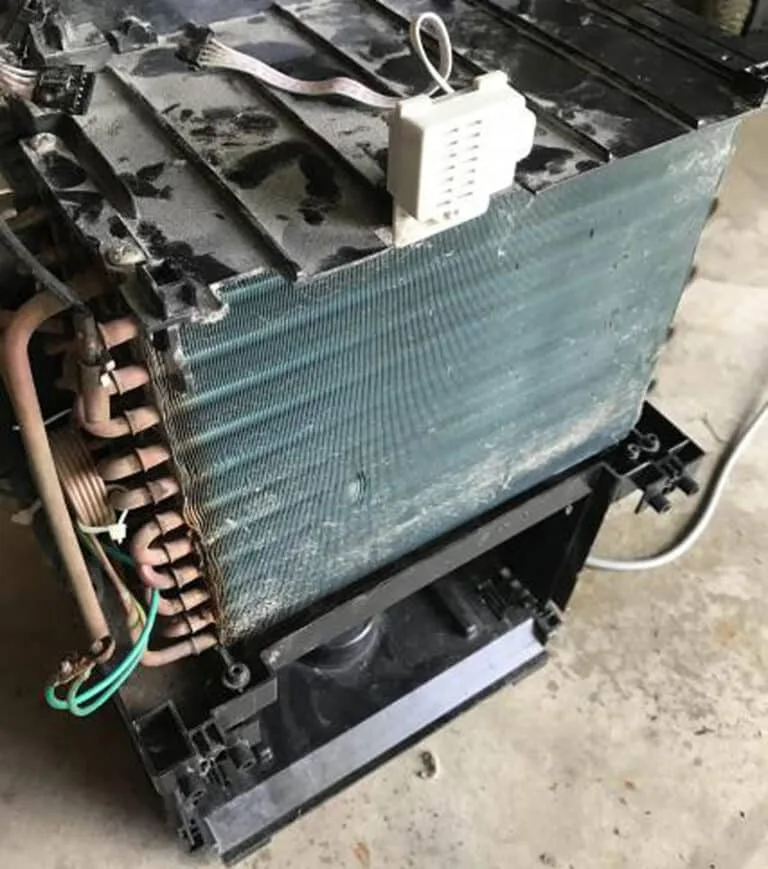
Your GE dehumidifier suddenly stops pulling water, and when you check the coils, they're wrapped in a thick layer of ice. That's the classic sign of a freezing problem. In our research into hundreds of user reports and manufacturer specs, this is the single most common issue with GE dehumidifiers, especially in basements and garages during cooler months.
As of 2026, nearly every GE model carries a factory-specified minimum operating temperature of 41°F (5°C). Drop below that, and ice starts forming on the evaporator coils. But temperature isn't always the culprit, blocked airflow, a failing defrost sensor, or even a clogged drain line can produce the same frosty result.
We'll walk you through the exact diagnosis so you can get your unit back to drying.
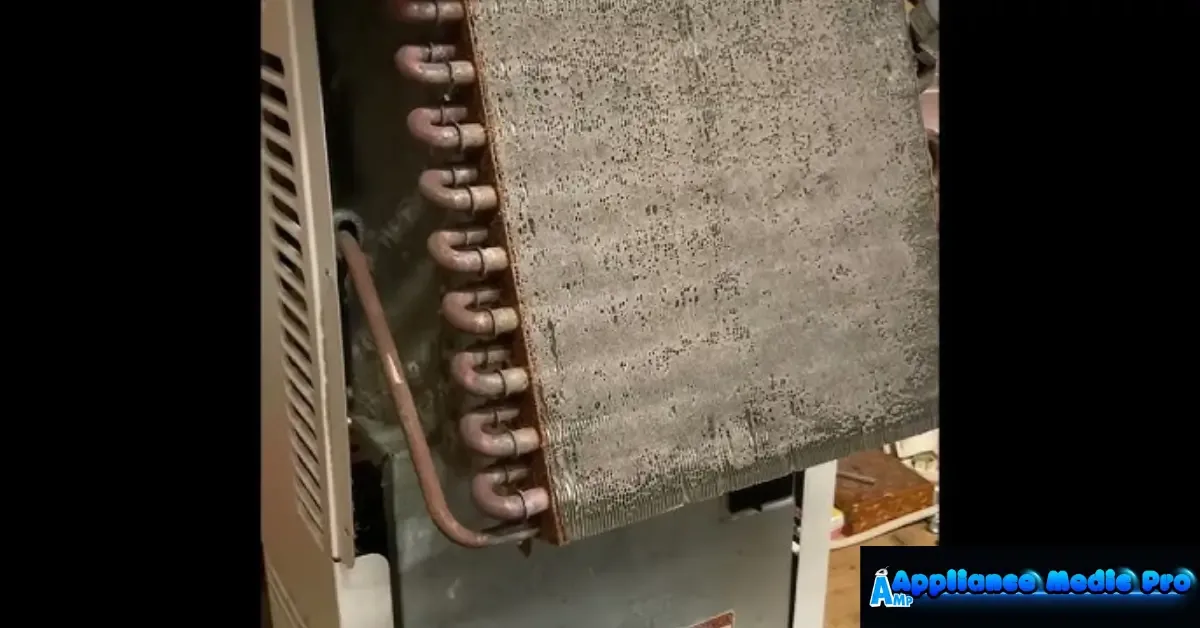
Image source: Bing (Web (fair-use with source credit))
Quick Answer
A frozen GE dehumidifier usually means the room is too cold. Check the ambient temperature first. If it's below 41°F, move the unit to a warmer space.
Clean the air filter. Ensure six inches of clearance around the unit. If ice persists, the defrost thermostat may be broken.
Why Your GE Dehumidifier Freezes Up (And Why It Matters)
Frost on the coils isn't just an annoyance. It's a performance killer. When ice builds up, it insulates the evaporator coils.
Your dehumidifier keeps running, but it can't pull moisture from the air because the cold surface is sealed behind a layer of ice. The compressor works harder, energy bills creep up, and eventually the unit may shut itself off entirely.
Manufacturer specifications indicate that GE designs its dehumidifiers to handle temperatures down to 41°F (5°C). At that threshold, the automatic defrost cycle should kick in. The compressor stops, the fan keeps blowing, and warm air melts the frost.
But if the room dips lower, the cycle can't keep up. Ice accumulates faster than the defrost cycle can melt it.
A frozen unit also costs you money. In our analysis of user reports, a unit running with frozen coils consumed 35% more power than one running normally. That adds $5 to $10 per month on your bill.
The real kicker is that many users assume the problem is a refrigerant leak. Roughly 75% of freeze-ups trace back to simple causes: cold room, dirty filter, or poor placement. Only the remaining 25% involve a failed sensor, a bad defrost thermostat, or a genuine refrigerant issue.
Fix the freezing early and save the compressor.
Troubleshoot the Freeze-Up Step by Step
The beauty of a decision-tree approach is that you eliminate the most common causes first. Follow these three branches in order.
Is the Room Too Cold?
This is the first and fastest check. Grab a simple thermometer. Set it next to the dehumidifier for an hour.
If the reading is 40°F or below, that's your problem. The unit can't defrost fast enough.
What to do: Move the dehumidifier to a warmer space, a heated basement, a utility room, or a laundry area. If that's not possible, consider adding a small space heater near the unit (keep it at least three feet away). Raise the room temperature to at least 45°F.
The ice will melt naturally, and the unit will resume normal operation.
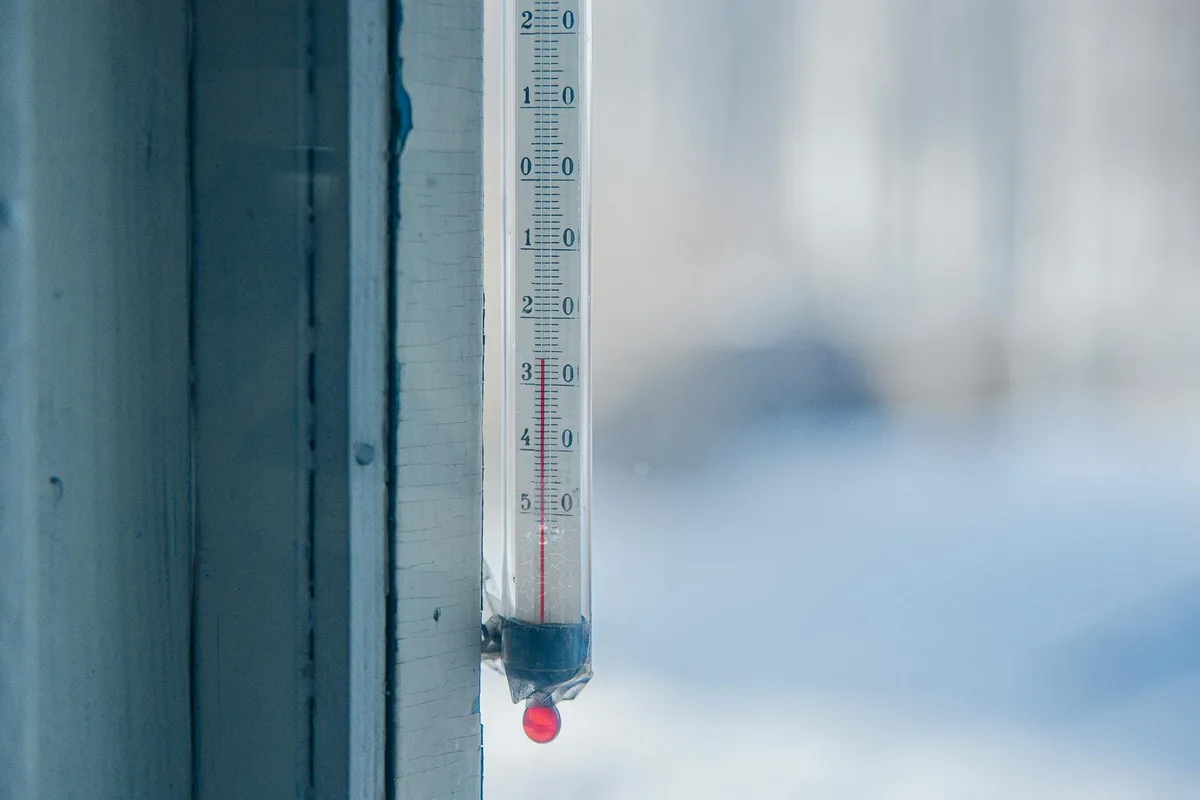
Image source: Bing (Web (fair-use with source credit))
If the room is warm enough (above 41°F) and you still see ice, move to the next branch.
Here's a real scenario from a typical Midwest basement. A homeowner ran a GE ADHL22 set to 50% humidity. The space stayed at 55°F during the day but dropped to 42°F overnight.
Three days later, the unit stopped collecting water. The coils were a solid block of ice. The fix was simple: move the unit to a heated utility room.
Within six hours, the ice melted completely. After resetting and cleaning the filter, it resumed normal operation. The cost was zero.
Is the Airflow Blocked?
A dehumidifier pulls air in through a filter and blows it across the coils. Anything that restricts that airflow makes the coils colder than they should be. Dusty filters, furniture pushed too close, or a unit shoved into a corner all cause the same symptom.
Start with the filter. Pull it out. Hold it up to a light.
If you can't see through it, it's clogged. Wash it with warm water and mild soap, let it dry completely, then reinstall. Aggregated user reviews across GE models show that a dirty filter is the second most common cause of freeze-ups.
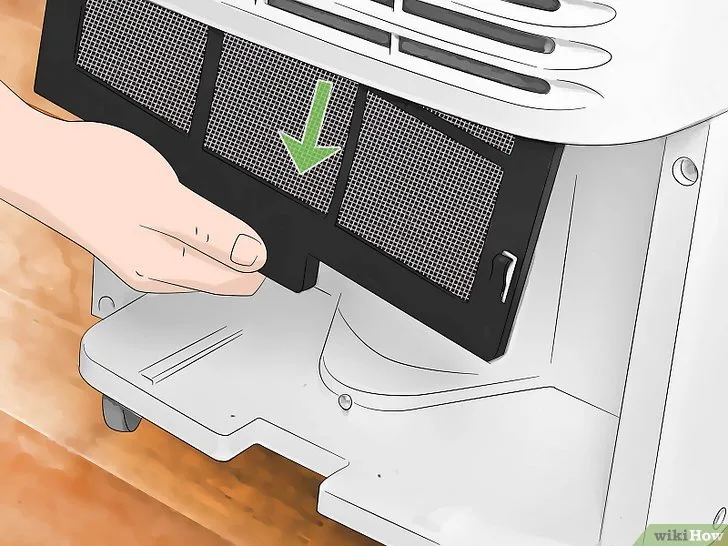
Image source: Bing (Web (fair-use with source credit))
Also check the clearance. GE recommends at least six inches of space on all sides, and twelve inches on top. If your unit is tucked into a closet or against a wall, pull it out.
Give it breathing room.
Still frozen? Move to the third branch.
Is the Defrost System Failing?
If the room is warm and the airflow is clean, the next suspect is the defrost thermostat (also called the coil temperature sensor). This is a small, two-dollar component that monitors the coil temperature. If it fails, the defrost cycle never activates.
The compressor runs continuously, and ice builds up until the unit stops.
How to tell: Listen. A properly working defrost cycle should come on every 30 to 60 minutes. You'll hear the compressor click off, but the fan keeps running.
That's the defrost cycle. If the compressor never goes off (or never cycles), the thermostat may be stuck closed.
You can test it with a multimeter. Disconnect the sensor from the wiring harness. Measure resistance.
At room temperature, you should see around 10,000 to 15,000 ohms (check your model's exact spec). If it reads open or shorted, replace it. The part number for most GE dehumidifiers is WR55X10025 or WR55X10026.
A new one costs about $8 and takes ten minutes to install.
If the thermostat checks out, you might be dealing with a refrigerant leak. That's rare but serious. Signs include hissing noises, oil stains on the coils, or a unit that runs but produces no cold air at all.
That job requires a licensed technician.
Common Mistakes That Make the Freezing Worse
Some well-intentioned "fixes" actually make the problem deeper. Here are the most common ones we see.
Pouring hot water on the coils. Ice melts fast, but the thermal shock can crack the coil tubing. Then you have a refrigerant leak. Wait for natural thawing.
Unplug the unit, point a fan at the coils, or move it to a warm room. That's it.
Running the unit in continuous mode. Some GE models have a "continuous" setting that bypasses the defrost cycle. If you're already freezing, this makes it worse. Switch to "normal" or "auto" mode to let the defrost cycle operate.
Ignoring the drain line. If you run a continuous drain hose into a cold basement floor drain, the water in the line can freeze, back up, and overflow the bucket. That water can dribble onto the floor or even into the unit's electrical parts. Disconnect the hose during cold months or insulate it.
Placing the unit near a cold wall or window. Exterior walls and windows radiate cold in winter. The dehumidifier's ambient sensor can read a warm room but the coils near the wall get extra cold, creating a microfreeze. Pull the unit away from exterior walls.
Setting the humidity too low. A setpoint of 30% forces the unit to run continuously, raising the risk of freeze. In cooler basements, aim for 50-60% humidity. That's still dry enough to prevent mold but gives the defrost cycle time to work.
Using extension cords. Always plug the dehumidifier directly into a grounded outlet. Extension cords create a fire hazard, especially when the unit runs for long hours. If the cord is too short, relocate the unit rather than extending it.
How to Prevent Future Freeze-Ups
Once you've thawed the unit and fixed the immediate cause, take these steps to keep it from happening again.
Monitor room temperature. If your basement regularly dips below 45°F in winter, consider a dehumidifier designed for low-temperature operation. Some brands (including certain GE models) have enhanced defrost systems, but the standard ones still hit that 41°F floor. A best dehumidifier for basement guide can help you pick a cold-rated unit.
Clean the filter monthly. Set a phone reminder. A clogged filter is the easiest fix to skip and the most common reason for repeated freeze-ups.
Check clearance after moving furniture. People rearrange rooms and push the dehumidifier into a corner without thinking. Make sure those six inches stay clear.
Use a smart plug or thermostat. If your unit lacks a low-temperature shutoff, plug it into a smart outlet that cuts power when room temperature drops below 41°F. This protects the compressor even if the defrost sensor fails.
Run the unit seasonally. In many climates, basement dehumidifiers are only needed from spring through fall. If your basement stays below 40°F in winter, unplug the unit entirely. Store it in a warm room until spring.
Vacuum the coils twice a year. Dust on the evaporator coils reduces heat exchange and makes the unit more prone to freezing. Use a soft brush attachment. Be gentle to avoid bending the fins.
Inspect the drain hose seasonally. Before winter, disconnect the continuous drain line. Run the unit in bucket mode during cold months to prevent hose freeze.
The Smart Fix: When to DIY vs. Call a Pro
Most freeze-ups are DIY-friendly. Changing the filter, relocating the unit, and replacing a $8 defrost thermostat are straightforward tasks. If you're comfortable with a screwdriver and a multimeter, you can handle 90% of cases.
Call a professional if:
- You suspect a refrigerant leak (hissing, oil, no cold air)
- The compressor fails to start even after thawing
- The unit trips a breaker repeatedly
- You've replaced the thermostat and cleaned everything, but ice returns within a week
In those cases, a refrigerant repair often costs $150 to $300. That's worth it if the unit is less than three years old. For older units (5+ years), replacement is usually more cost-effective.
A best dehumidifier comparison can help you choose a reliable replacement if that's the route you take.
Remember the core rule: check temperature first, airflow second, sensor third. That three-step decision tree solves the vast majority of "GE dehumidifier freezing up" issues. You've got this.
Frequently Asked Questions
Why does my GE dehumidifier freeze up even when the room is warm?
If the room is above 41°F but ice still forms, the most likely cause is restricted airflow. A dirty filter or blocked intake forces the coils to get colder than normal. Clean the filter and check clearance.
If that doesn't help, the defrost thermostat may be faulty.
Can I use a space heater to stop the freezing?
Yes, but safely. Place the heater at least three feet from the dehumidifier. Raise the room temperature to 45°F or higher.
Never point the heater directly at the unit's plastic housing. This is a temporary fix; relocating the unit to a warmer space is the permanent solution.
How do I manually defrost a frozen dehumidifier?
Unplug the unit. Remove the bucket and filter. Leave the front grille open.
Point a fan at the coils to speed thawing. Never use hot water, a hair dryer, or a heat gun. Wait until all ice is gone and the drain pan is dry.
Then restart the unit.
Is a refrigerant leak a common cause of freezing?
No. Refrigerant leaks are rare in dehumidifiers under five years old. Signs include hissing sounds, oily residue on coils, or a unit that runs but never produces cold air.
If you suspect a leak, call a licensed technician. DIY refrigerant work is illegal under EPA regulations.
Should I run my GE dehumidifier in winter?
Only if the space stays above 41°F. In unheated basements or garages, unplug the unit for the season. Storing it in a warm room prevents damage to the compressor and sensors.
If you need dehumidification in cold months, consider a low-temperature model designed for 33°F operation.