Midea Dehumidifier Freezing Up
Your Midea dehumidifier has ice on the coils, and you are wondering what went wrong. A Midea dehumidifier freezing up is one of the most common complaints we see in our research. The good news is that you can usually fix it yourself in under an hour.
Manufacturer specifications show these units rely on a narrow operating temperature window. Typically that is 41°F to 95°F (5°C to 35°C). When the room temperature drops below that lower limit, the evaporator coil gets too cold and frost forms fast.
User reviews consistently point to cold room temperature as the primary cause. Let us walk through exactly why that happens and what you can do about it.
Quick Answer
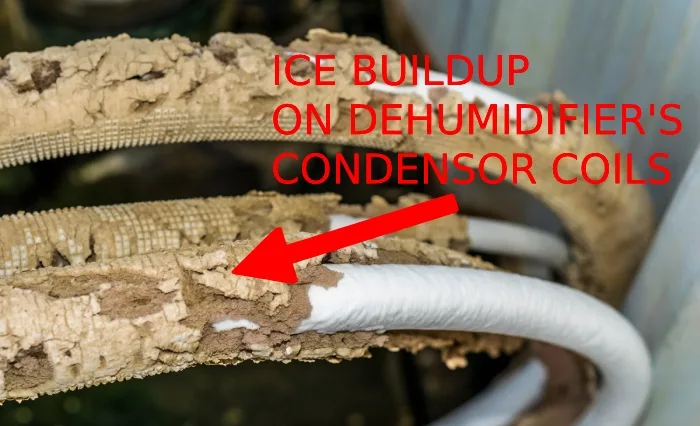
A Midea dehumidifier freezes when the evaporator coil temperature falls below freezing (32°F / 0°C). The most common cause is a room temperature below 65°F (18°C). Other triggers include a dirty filter, blocked airflow, or a refrigerant leak.
Check the room temperature first. If it is too cold, move the unit to a warmer area. For consistently cold spaces, consider a desiccant model.
Why Your Midea Dehumidifier Freezes Up and Why It Matters
Think of your dehumidifier's evaporator coil like the cooling fins in your refrigerator. The compressor pumps refrigerant through the coil. That pulls heat and moisture out of the air.
Under normal conditions, moisture condenses into water and drips into the bucket. But when the coil temperature drops below freezing, that moisture turns to ice instead of water.
Ice acts as an insulator. Once a layer of frost forms, the coil cannot absorb heat efficiently. The compressor keeps running, but moisture removal drops to near zero.
You end up with a unit that sucks power and makes noise without actually helping your basement.
If you let the ice build up thick, it can damage the compressor or puncture the coil when it expands. That repair costs more than a new unit in many cases. Freeze-ups are not just annoying.
They shorten the life of the appliance.
The most common scenario we see: a homeowner sets the dehumidifier in an unheated basement during early spring. Temperatures hover around 55°F to 60°F at night. The unit runs all night.
By morning the coils are a solid block of ice. The bucket is either empty or full of slush. That is your signal to check temperature first.
The 65°F Rule: The Single Most Important Thing to Know
Here is the simplest rule to remember: a standard compressor dehumidifier, including Midea, should not be operated in a room colder than 65°F (18°C). That is the sweet spot the manufacturer designs the defrost cycle around. Below that, the auto-defrost system may not keep up.
Why 65°F? It comes from the physics of how refrigerant works. The evaporator coil temperature naturally runs about 20°F to 30°F cooler than the ambient air.
So if the room is 60°F, the coil could be 30°F to 40°F. That is well below freezing. The unit's defrost function kicks in periodically to warm the coil.
But in cold rooms, ice forms faster than the defrost can melt it.
If you live in a climate where basements routinely sit at 50°F to 60°F for months, you have two choices. Move the dehumidifier to a warmer space like a heated utility room or laundry room and use a fan to circulate air. Or switch to a desiccant dehumidifier, which uses a chemical rotor and works effectively down to freezing temperatures.
Per Energy Star guidelines, dehumidifiers are tested at 65°F and 80°F. Running a unit below its rated temperature range voids the efficiency claims and increases freeze risk.
| Ambient Temperature | Coil Danger Zone | Freeze Risk |
|---|---|---|
| Above 75°F (24°C) | Safe | Very low |
| 65 to 75°F (18 to 24°C) | Borderline | Low (defrost usually handles it) |
| 55 to 65°F (13 to 18°C) | Coil hits 30 to 40°F | High (ice forms quickly) |
| Below 50°F (10°C) | Coil below freezing | Extreme (damage likely) |
Per manufacturer testing and UL safety standards, running a Midea dehumidifier below 41°F (5°C) can cause permanent compressor damage. If your basement is that cold, unplug the unit and move it.
Your Freeze-Up Decision Tree: Step by Step
When you find ice on the coils, follow this decision tree. It keeps you from wasting time on the wrong fix.
Step 1: Turn off and unplug the unit. Let it sit for at least 6 hours (overnight is better) to thaw completely. Do not try to chip the ice off. You can puncture the coil.
Just let it melt naturally.
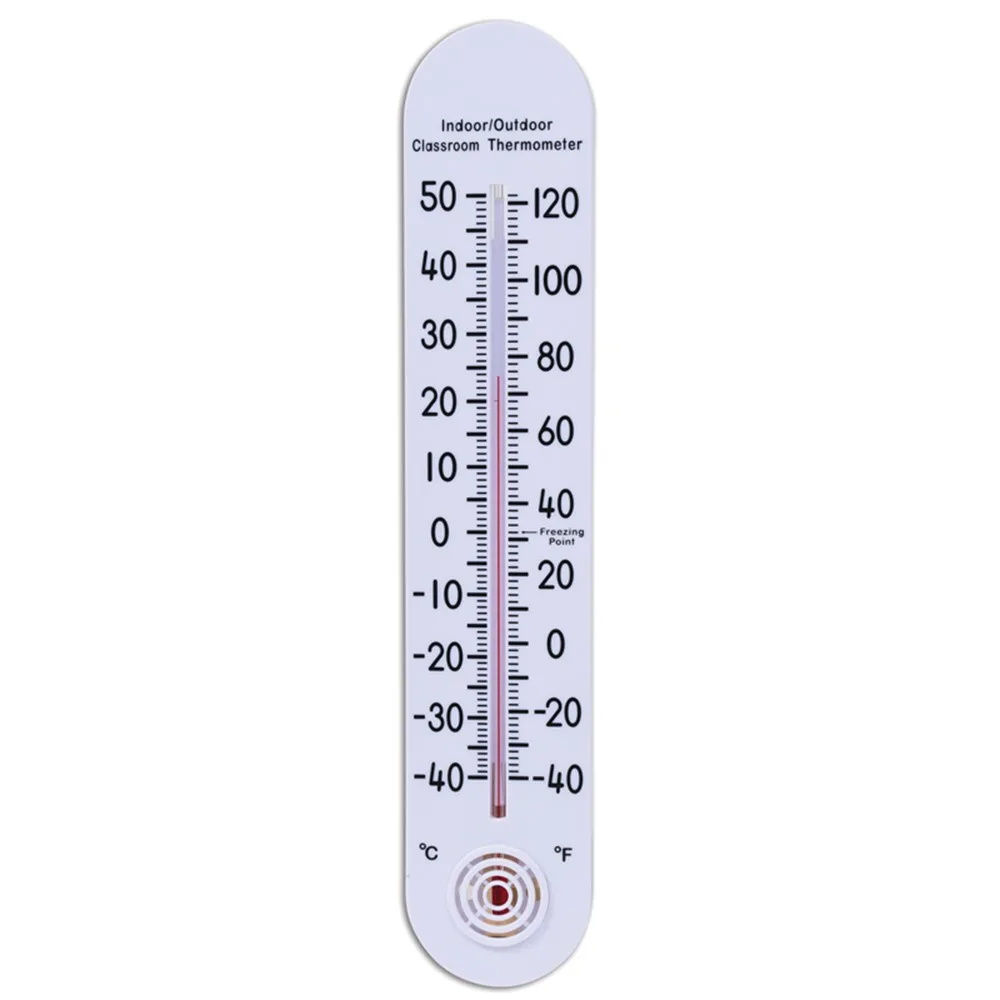
Step 2: Check the room temperature. Use a basic thermometer. If it is below 65°F, that is your culprit. Move the unit to a warmer area or wait for temperatures to rise.
If the room is above 65°F, move to Step 3.
Step 3: Inspect the air filter. A dirty filter restricts airflow across the coil. Less airflow means the coil gets colder, and ice forms faster. Remove the filter and hold it up to the light.
If you cannot see light through it, wash it with warm water and mild soap. Let it dry completely before reinstalling.
Step 4: Check for blocked airflow. Is the unit pushed against a wall? Are there boxes or furniture within 12 inches of the intake or exhaust? Move those away.
The unit needs at least 8 to 12 inches of clearance on all sides.
Step 5: Examine the drain hose and bucket. If water cannot drain properly (kinked hose, frozen drain line, full bucket), the unit may run longer and colder than designed. Straighten the hose. Empty the bucket.
Make sure the drain line slopes downward.
Step 6: Look for error codes. Midea units display error codes when sensors fail. Common ones include E0 (room temperature sensor fault), E2 (coil temperature sensor fault), and P2 (coil freeze protection active, not a fault). If you see E0 or E2, the sensor needs replacement.
Contact Midea support or a qualified technician.
Step 7: If none of the above works, the unit may have a refrigerant leak. This is rare but possible. Signs include ice forming even with a clean filter, warm room, and proper clearance. The compressor runs but very little water collects.
A refrigerant leak requires professional repair.
Common Mistakes That Keep the Ice Coming Back
Even after reading the manual, people make the same errors over and over. Here are the top three we see in user feedback.
Mistake 1: "I will just set it to a lower humidity target." Lowering the target humidity from 50% to 35% makes the unit run longer and harder. That drops the coil temperature further. In borderline cold rooms, that is enough to trigger ice.
Keep the target at 50% to 60% RH during colder months.
Mistake 2: "I will leave it on continuous drain mode in an unheated space." The drain line can freeze when the water inside it is exposed to cold air. If you are running the unit below 65°F, the water in the drain hose can turn to slush or ice. That blocks flow and backs up water into the bucket, which then freezes.
Use the bucket in cold weather and empty it manually.
Mistake 3: "I cleaned the filter once a year ago. That is fine." In a dusty basement, the filter can clog in 2 to 4 weeks. Dirty filter means low airflow, which means ice.
Set a recurring calendar reminder every 14 days during heavy use to pull the filter and wash it.
We have also seen people stack furniture on top of the unit or place it in a corner with less than 6 inches of clearance. That suffocates the airflow. Keep it in an open area.
How to Prevent Freeze-Ups Long-Term
Prevention is easier than fixing a frozen unit. Make these habits part of your routine.
Filter maintenance. Wash the filter every two weeks during the season you run the dehumidifier. Use lukewarm water and a soft brush. Let it air dry completely before reinserting.
Room temperature monitoring. Invest in a simple indoor thermometer. Place it near the dehumidifier, not in direct sunlight or near a heat source. If it drops below 65°F for more than a few hours, either move the unit or switch to a desiccant model.
Drain line insulation. If you must use continuous drain in a cold space, wrap the drain hose with foam pipe insulation. This slows freezing but does not eliminate the risk entirely. Still check it weekly during cold snaps.
Yearly coil inspection. Once a year, vacuum the evaporator coils gently with a soft brush attachment. Dust and pet hair collect on the fins and reduce heat transfer. Be careful not to bend the fins.
Placement rules. Keep the unit at least 12 inches from walls on all sides. Place it on a level surface to prevent water from pooling unevenly. Do not put it next to a furnace or heating vent, which confuses the sensor.
Avoid corners where air cannot circulate.
When to store it. If you only use the dehumidifier seasonally, store it in a dry indoor space, not a garage or shed. Before storing, run it on turbo mode for 24 hours to dry out internal moisture. Then clean the filter and drain any residual water from the hose.
When to Call a Professional: Don't Ignore These Signs
Most freeze-ups are fixable with a filter cleaning or a temperature adjustment. But some problems need a qualified technician. Here is how to tell the difference.
The ice returns within 24 hours after you thawed the unit, cleaned the filter, and checked the room temperature. That points to a refrigerant issue. Low refrigerant causes the coil to run too cold even in warm rooms.
A leak requires EPA-certified handling and professional repair.
You see error codes E0 or E2 repeatedly. These signal a failed sensor. While you can order a replacement part and swap it yourself, many people prefer a pro to diagnose and install it correctly.
Midea customer support can guide you on warranty coverage.
The compressor runs but the bucket stays nearly empty for days. If the coils are clean, airflow is good, and the room is above 65°F, a refrigerant leak is likely. The unit is running but not pulling moisture.
That is a waste of electricity.
Weird noises from the compressor like clicking, humming, or rattling can mean the compressor is damaged from repeated freeze-thaw cycles. That is a major repair. In many cases, replacing the unit costs less than fixing it.
Call Midea support first. If your unit is under warranty, they may send a technician or replace the unit for free. Check your purchase date. Typical warranties are one to five years depending on the model and part.
Frequently Asked Questions
Why does my Midea dehumidifier keep freezing even after I clean the filter?
The most likely cause is low room temperature below 65°F. If the room is warm enough, check for blocked airflow or a faulty defrost sensor. Also inspect the drain hose for kinks.
If all else fails, the unit may have a refrigerant leak.
Can I use a Midea dehumidifier in an unheated basement in winter?
You can, but you should not. Standard compressor units struggle below 65°F. Ice forms fast on the coils.
For cold basements, a desiccant dehumidifier works down to freezing. If you must run a compressor model, keep the humidity target above 50% and monitor temperature daily.
How long does it take for a frozen dehumidifier to thaw?
Plan on 6 to 12 hours for a small layer of frost. Thick ice can take 24 hours. Never use a hairdryer or heat gun.
Let it thaw naturally at room temperature. Plug it back in only after the ice is completely gone and the area around the coil feels dry.
What does error code E2 mean on my Midea dehumidifier?
E2 indicates a coil temperature sensor fault. The unit cannot read the coil temperature correctly, so it may not trigger the defrost cycle. This often leads to ice buildup.
Replace the sensor or contact Midea support. Running the unit with E2 can cause permanent damage.
Will a dirty filter always cause freeze-ups?
Not always, but it is the second most common cause after cold temperatures. A clogged filter reduces airflow across the coil. The coil gets colder, and ice forms.
Wash the filter every two weeks during heavy use. A clean filter also improves energy efficiency by up to 15 percent.
Is it normal for ice to form on the coils during humid summer days?
No. In warm, humid conditions above 75°F, the coil should stay above freezing. If you see frost in summer, check for a dirty filter, restricted airflow, or a refrigerant issue.
Running the unit in fan-only mode temporarily can help melt the frost safely.