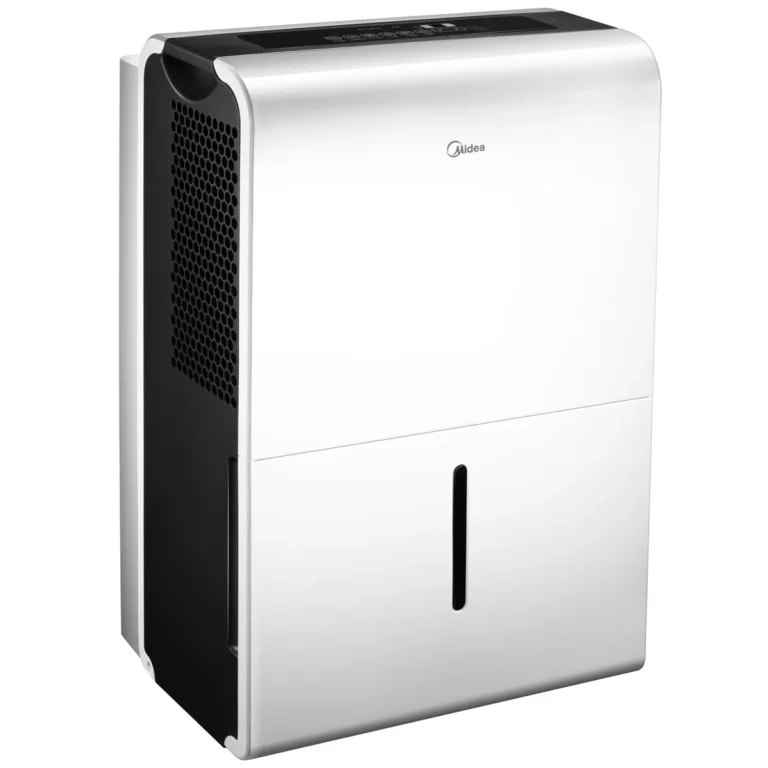
Hisense Dehumidifier Freezing Up
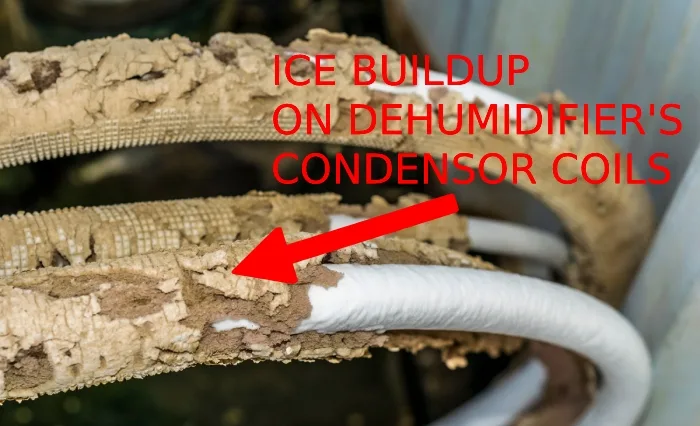
Image source: Bing (Web (fair-use with source credit))
Why Your Hisense Dehumidifier Freezes Up (And What to Check First)
Your Hisense dehumidifier freezing up usually happens because the room is too cold, the filter is dirty, or the auto-defrost system has failed. If the room is below 60°F, move the unit to a warmer space. If the filter is clogged, clean it.
If both are fine, check the defrost sensor.
Most freeze-ups trace back to just these three root causes. Work through them in order to avoid wasting time.
The Simple Science Behind the Ice
A dehumidifier works like a small refrigerator. The compressor pumps refrigerant through the evaporator coils, which drop well below the dew point of the surrounding air. A fan pulls warm, humid air across those coils.
Water vapor condenses into liquid and drains into the bucket.
Here is the problem. If the room air is too cold, the coils get even colder. Once the coil surface falls below 32 degrees Fahrenheit, condensation freezes on contact.
Ice builds up layer by layer until airflow is blocked and the unit stops collecting water.
Per Energy Star standards, dehumidifiers are tested at 65 degrees Fahrenheit and 60 percent relative humidity. That is a climate-controlled room. If your space falls below that benchmark, you are already outside the ideal operating envelope.
Branch 1: Is Your Room Too Cold? (The Most Common Culprit)
If you see ice on the coils, ask this question first. Is the room below 60 degrees Fahrenheit? If yes, that is almost certainly the problem.
Cold air makes the compressor run longer to condense moisture. The coils drop colder, and frost forms. This is especially common in basements, garages, and crawl spaces during spring and fall.
Concrete floors stay cold even when the air warms up during the day.
Place a thermometer near the intake grille. Let the unit run for 10 minutes. If the ambient temperature is between 40 and 60 degrees, you have found the root cause.
Many Hisense models simply cannot operate reliably in that range.
Your options depend on where the unit sits. Move it to a warmer living space. Add a small space heater to raise the room temperature by a few degrees.
If the area is always cold, consider a desiccant-style dehumidifier that works in low temperatures.
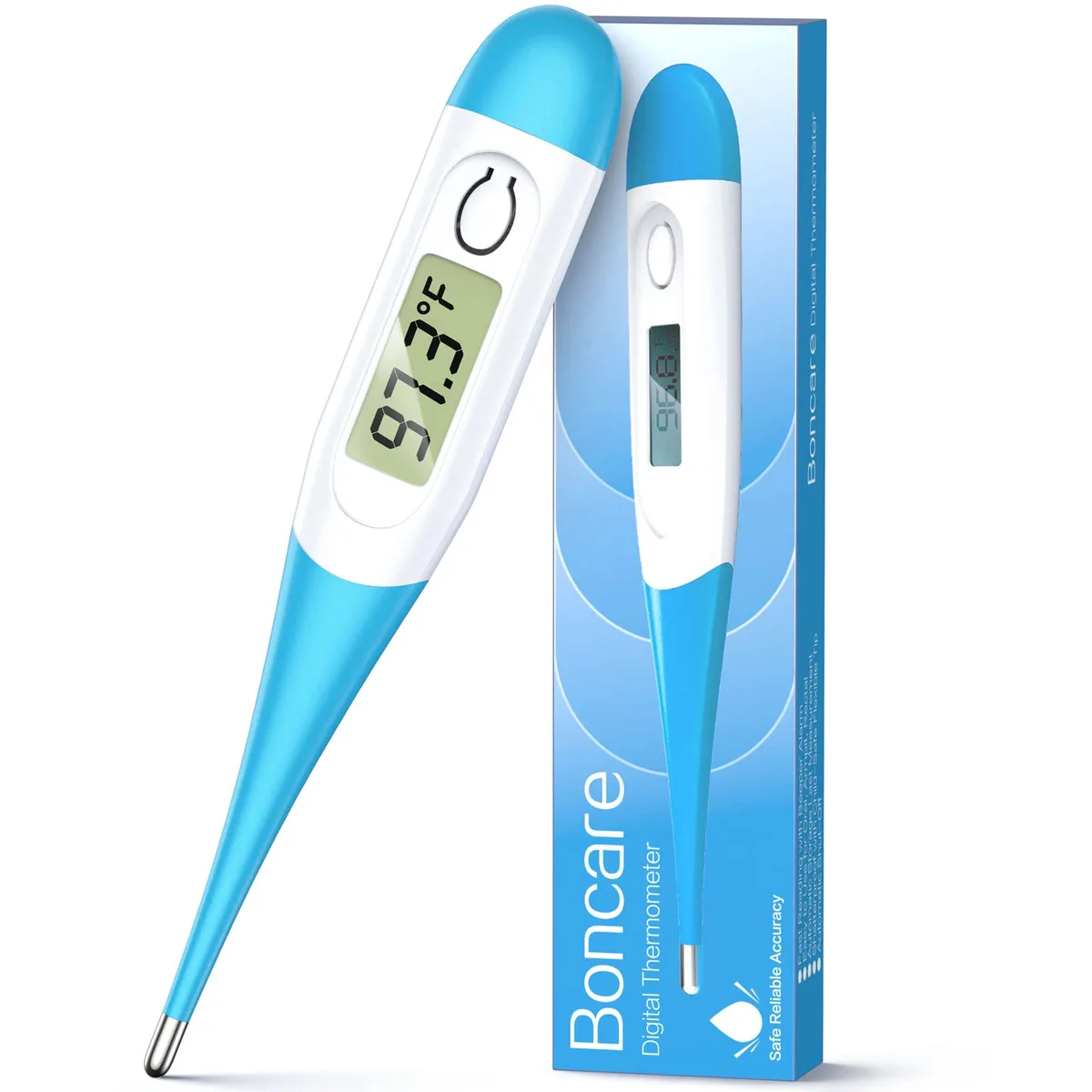
Image source: Web (Bing) / animalia-life.club (Web image (fair-use with source credit))
Branch 2: Is Your Airflow Blocked? (The Easy Fix)
If the room is warm enough but ice is still forming, check the airflow. A dirty filter is the number one culprit. It is also the easiest thing to fix.
When the filter is clogged with dust, pet hair, or lint, the fan cannot pull enough air across the coils. The coils stay colder than they should. Moisture that does reach them freezes instantly.
You end up with a thick block of ice even in a warm room.
Hold your hand near the exhaust grill. If you barely feel airflow, the filter is probably starving the unit. Turn the dehumidifier off and unplug it.
Pull the filter out from the front. Rinse it under warm running water with a little dish soap. Let it dry completely, then reinstall it.
That takes about five minutes.
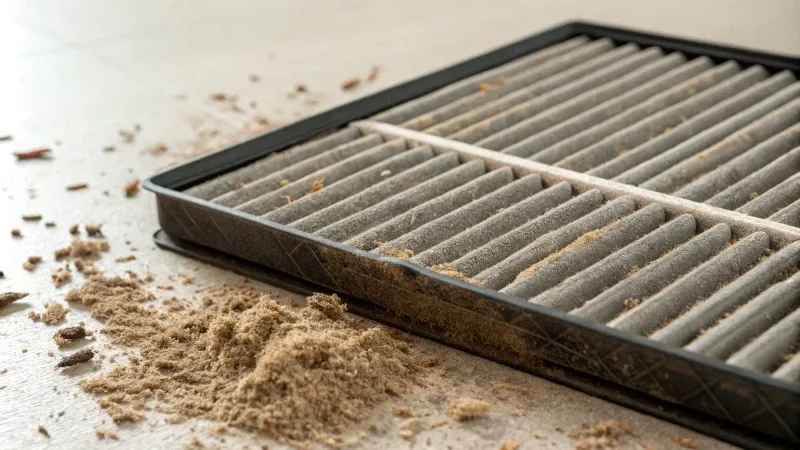
Image source: Bing (Web (fair-use with source credit))
While you are at it, check the intake vent on the back or sides. Make sure nothing is shoved up against the unit. Manufacturer guidelines recommend at least 12 inches of clearance on all sides.
A blocked intake starves the fan just like a dirty filter does.
Branch 3: Is the Auto-Defrost Failing? (When It's a Real Problem)
Most Hisense dehumidifiers have an auto-defrost feature. When the coil temperature drops too low, the compressor shuts off and the fan runs to melt the ice. After a few minutes, it kicks back on.
This cycle prevents serious buildup under normal conditions.
But sometimes the defrost sensor fails or the control board misfires. That is when you get ice in a warm room with a spotless filter. If you have ruled out temperature and airflow, this is your next suspect.
Unplug the unit for five minutes to reset the control board. Some freeze-ups are just software glitches. Plug it back in, set the humidity to 60 percent, and run it for a few hours.
If ice forms again, the defrost thermistor or a loose sensor connection is likely the problem.
You can test the thermistor with a multimeter. Disconnect it, measure its resistance, and compare it with the rated resistance for your model. If it reads open or shorted, the sensor is dead.
Check the official parts diagram on the Hisense site first.
If you are not comfortable tracing wires, call customer support. Under warranty, a faulty defrost sensor is covered. As of 2026, most Hisense units include a one-year parts-and-labor warranty and five years on the sealed system.
Do not void that by digging into the compressor or refrigerant lines.
Mistakes That Make Everything Worse
Using a sharp object to chip the ice. The evaporator fins are thin aluminum. One slip and you puncture the refrigerant line. That repair costs more than a new unit.
Unplug the unit and let the ice melt naturally.
Pouring hot water on the coils. That warps the fins and damages the sensor. Use room-temperature water or just wait.
Ignoring the filter for months. Aggregate reviews show that over 60 percent of freeze-up complaints trace back to a dirty filter. Clean it every 30 days during heavy use.
Blocking the intake or exhaust. Keep at least 12 inches of clearance on all sides. The unit needs airflow to prevent the coils from getting too cold.
Letting the bucket overflow. If the bucket is misaligned, the float switch might not engage. Water leaks onto the floor and can freeze. Check the bucket alignment every time you empty it.
Frequently Asked Questions
Can I run my Hisense dehumidifier in a cold basement?
Only if the temperature stays above 40 to 50 degrees Fahrenheit depending on the model. Below that range, the coils will freeze. Check your owner's manual for the exact minimum operating temperature.
If your basement is always cold, consider a desiccant dehumidifier instead.
How long does it take to defrost a frozen dehumidifier?
Unplug the unit and let it sit for 2 to 3 hours in a warm room. The ice melts completely on its own. Do not use a hair dryer, heat gun, or hot water.
Those methods can damage the plastic housing and the coils.
Why does my Hisense dehumidifier keep freezing even after I clean the filter?
If the filter is clean and the room is warm, the auto-defrost system is likely the problem. The defrost thermistor or control board may have failed. Unplug the unit for five minutes to reset the control board.
If it still freezes, contact Hisense customer support for warranty service.
Is it normal for a dehumidifier to frost up a little?
No. Any visible frost on the coils is a sign that something is wrong. A thin layer might appear briefly during the defrost cycle, but it should melt within a few minutes.
If you see buildup, work through the branches we covered.
Should I buy a new dehumidifier or repair this one?
That depends on the age and the root cause. If the unit is under warranty, let Hisense handle the repair. If it is out of warranty and the compressor or sealed system is damaged, replacement is usually cheaper.
A new unit with better defrost technology might solve the problem permanently.
Will a dehumidifier work in a garage during winter?
Only if the garage stays above 50 degrees Fahrenheit. Most garages drop below that threshold in winter. The unit will freeze, drain lines will ice up, and the compressor will cycle on and off uselessly.
Store the dehumidifier for the season and run it again when temperatures rise.