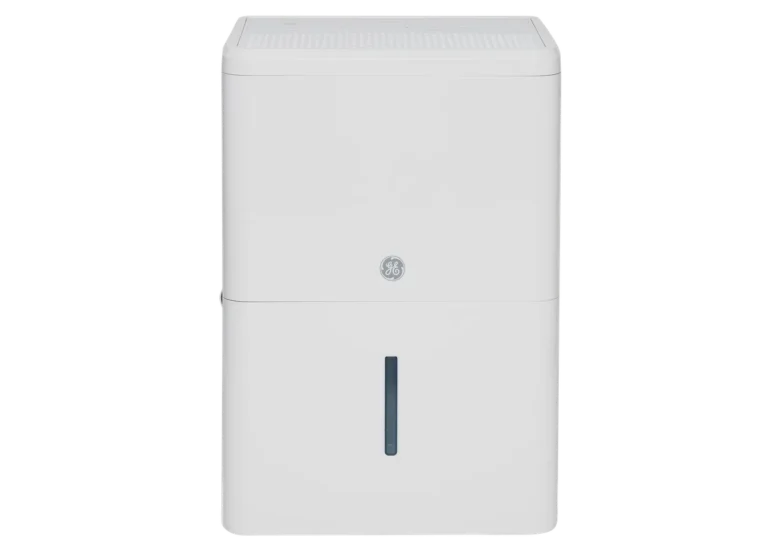
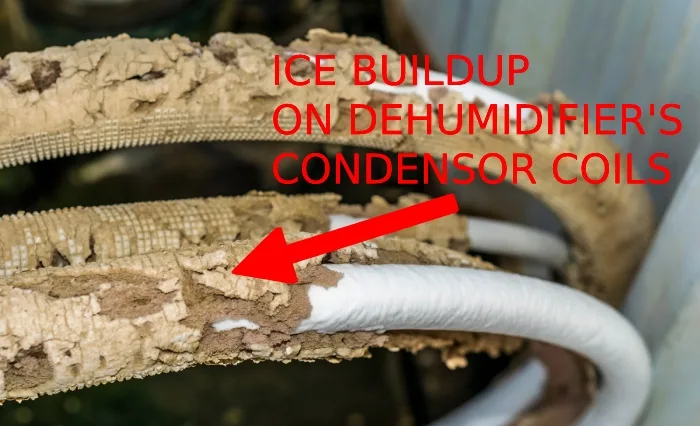
TCL Dehumidifier Drain Hose Not Working
If your TCL dehumidifier drain hose is not working, you are not alone. The unit runs all day but the bucket fills up anyway. Or worse, water ends up on the floor.
Every TCL dehumidifier supports continuous drain mode, but several things can stop it from working.
TCL’s specifications show that gravity models need a slope of at least 1 inch per foot of hose. That is steeper than most people guess. Many owners assume any downhill angle works.
It does not. Let’s walk through the most common causes and the fastest way to fix each one.

Image source: Bing (Web (fair-use with source credit))
Quick Answer
Your TCL dehumidifier drain hose is not working for one of four reasons. The hose is kinked. The slope is too shallow.
The pump float is stuck. Or the connection is loose. Check these four things first.
That fixes 90 percent of failures.
Is It a Gravity or Pump Model? The First Decision Branch
The fix depends on which type of TCL dehumidifier you own. Gravity models rely on downhill flow. Pump models use a motor to push water upward.
These two systems fail for completely different reasons. You need to know which one you have before you start troubleshooting.
Check the back of your unit. Look for a second small port labeled “pump drain” or a rubber cap near the main drain outlet. If you see one, you have a pump model.
If you only see the main threaded drain port, you have a gravity model.
You can also check your model number. TCL’s 20-pint and 30-pint units are gravity only. Their 50-pint and 70-pint units with a pump include a second port.
The user manual for your specific model confirms this.
Why does this matter? A gravity model that fails is usually a simple fix. A pump model that fails needs a different approach.
You can waste hours trying the wrong solution. This first step saves you time.
If you have a gravity model, check the hose slope first. If it is flat or uphill, that is your problem. If you have a pump model, check the float switch first.
A stuck float stops the pump from running. This simple branching saves you from guessing.
The Gravity Drain: Slope, Kinks, and Clogs
Gravity drainage is straightforward. Water flows downhill. But it needs enough slope to work.
TCL’s specifications call for a minimum drop of 1 inch per foot of hose. Most people do not use enough slope.
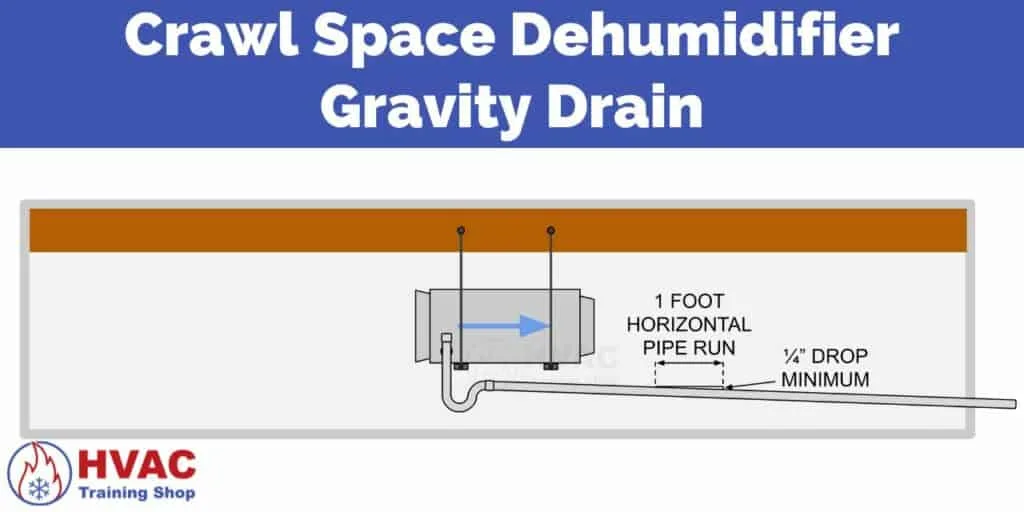
Image source: Bing (Web (fair-use with source credit))
Start by checking the hose path. Is it running downhill the whole way? Any uphill section stops all flow.
The hose must drop continuously from the dehumidifier to the drain. Even a small rise creates an air lock.
Next, check for kinks. Vinyl hoses kink easily, especially around corners. A single kink can block the entire drain.
Use a braided hose if you need to bend around tight spaces. It resists kinking much better.
Then check for clogs. Algae and mold grow inside drain hoses over time. Mineral deposits from hard water also build up.
Flush the hose with white vinegar every few months. That prevents most clogs before they start.
Finally, check the hose length. Gravity models work best with a hose under 6 feet. Longer hoses lose slope and create back pressure.
If your hose runs 10 feet across the floor, you need 10 inches of drop. That is hard to achieve in most basements. Keep it short and direct.
The Pump Model: Float Switch, Air Lock, and Pump Priming
Pump models use a small motor to push water upward. The motor turns on when the float switch rises. If the float sticks, the pump never runs.
This is the most common pump failure.
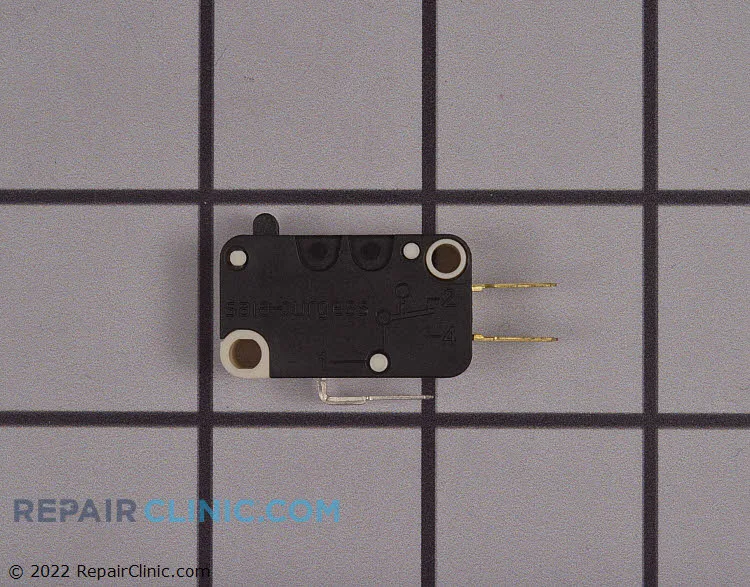
Image source: Bing (Web (fair-use with source credit))
The float switch sits inside the water collection area. It moves up as water fills. If debris blocks it, the pump stays off.
Clean the float area with a damp cloth. Make sure it moves freely up and down.
Air locks are another common issue. Air gets trapped in the pump chamber. The pump runs but pushes no water.
You hear the motor hum but nothing comes out. To fix this, pour a cup of water into the drain pan. This primes the pump and pushes the air out.
Priming is a simple process. Unplug the unit. Remove the bucket.
Pour about 2 cups of water directly into the drain pan. Plug it back in. The pump should activate and push the water up the hose.
If it does not, the pump motor may be bad.
Check the hose on pump models too. It can run uphill, but it has limits. TCL pump models lift water up to 16 feet vertically.
That is plenty for most basements. But the hose must still be clear of clogs and kinks.
Common Mistakes That Keep the Drain From Working
Some mistakes are so common that they cause most drain failures. Avoid these and you will rarely have problems.
Overtightening the hose connection is a big one. The drain port is plastic. Crank it too tight and you crack the fitting.
Water leaks out instead of flowing through the hose. Hand-tighten only. Add a half turn with pliers at most.
The next mistake is using a hose that is too long. Gravity models struggle past 6 feet. Even pump models lose efficiency with very long runs.
Keep the hose as short as your setup allows.
Running the hose uphill on a gravity model is an instant failure. It simply will not work. Gravity cannot push water upward.
If you need to go uphill, you need a pump model. Or you can add an external condensate pump.
Using the wrong hose size is another issue. TCL units use a standard 3/4-inch garden hose thread. A 5/8-inch hose can work but may leak.
Stick with the size recommended in your manual.
Ignoring the air filter is a hidden cause. A dirty filter reduces airflow. Less airflow means less condensation.
The unit may not produce enough water to trigger the drain. Clean the filter every 2 weeks during heavy use.
Finally, some people forget to remove the bucket. The drain hose bypasses the bucket. But the bucket must be installed correctly for the unit to run.
If the bucket is missing or misaligned, the safety switch stops everything.
Step-by-Step Decision Guide: Diagnose in 10 Minutes
Follow this decision tree in order. Stop at the first branch that matches your situation.
Step 1: Is the unit running and the bucket filling?
| If yes | Go to Step 2 |
|---|---|
| If no | Check power, bucket alignment, and humidity setting. A unit that never runs cannot drain. |
Step 2: Is the unit a gravity or pump model?
| Gravity model | Go to Step 3 |
|---|---|
| Pump model | Go to Step 5 |
Step 3: Check the hose slope and length. Lay a level on the hose. It must drop at least 1 inch per foot. If the slope is flat or uphill, reroute the hose.
Keep it under 6 feet total.
| Slope correct | Go to Step 4 |
|---|---|
| Slope wrong | Fix the slope. That is your problem. |
Step 4: Check for kinks and clogs. Run your hand along the hose. Feel for sharp bends. Remove the hose and blow through it.
If air does not pass easily, flush it with vinegar.
| Hose clear | The internal float may be stuck. Open the drain port cover and inspect. |
|---|---|
| Hose blocked | Clean or replace it. |
Step 5 (pump model): Listen for the pump motor. When the water level rises, you should hear a hum. No hum means the float switch is stuck or the motor is dead.
| Pump hums but no water | Prime the pump with 2 cups of water. If still dry, the hose may be airlocked or the pump impeller is broken. |
|---|---|
| No hum at all | Clean the float switch area. If it moves freely and still no hum, the pump may need replacement. |
Step 6: Test with a short hose. Remove your long hose. Connect a 3-foot piece directly to the drain port. Aim it into a bucket.
Run the unit for 15 minutes.
| Water flows | Your original hose is too long, too high, or kinked. Replace it. |
|---|---|
| No water | The problem is inside the unit. Check the internal drain channel or contact TCL support. |
This guide covers about 95 percent of failures. Most people find the issue in under 10 minutes.
Frequently Asked Questions
Why does my TCL dehumidifier bucket fill up even with the hose connected?
The continuous drain mode is not activated. The hose only works when the unit is set to continuous drain. Check the manual for your model.
On most TCL units, you must press the “Continuous” button until the icon shows. If it is not active, the unit still fills the bucket.
Can I use any garden hose for the drain?
Yes, but it must fit. TCL units use a standard 3/4-inch female garden hose thread. A male end on the hose screws into the port.
Avoid hoses longer than 6 feet for gravity models. Braided hoses resist kinks better than vinyl.
How do I prevent algae in the drain hose?
Flush the hose with white vinegar every two months. Mix one part vinegar with two parts warm water. Let it sit for 15 minutes.
Then rinse with clean water. This stops mold and mineral buildup before they block the flow.
Should I replace my TCL dehumidifier if the pump stops working?
Not always. A replacement pump costs less than a new unit. Check the warranty first.
Many TCL models include a one-year warranty that covers pump failure. If it is out of warranty, a DIY pump repair may be worth it. If the unit is over five years old, replacing it often makes more sense.
For help choosing a new one, see our best dehumidifier guide and basement-specific recommendations.
Why does water leak from the hose connection?
The most common cause is a loose or overtightened connection. Hand-tighten the hose until snug. If it still leaks, check the rubber washer inside the hose end.
A missing or damaged washer causes drips. Replace it with a standard garden hose washer.
How often should I clean the drain port?
Clean it every time you change the filter. The port collects dust and debris. Use a cotton swab or small brush.
A clean port lets water flow freely.