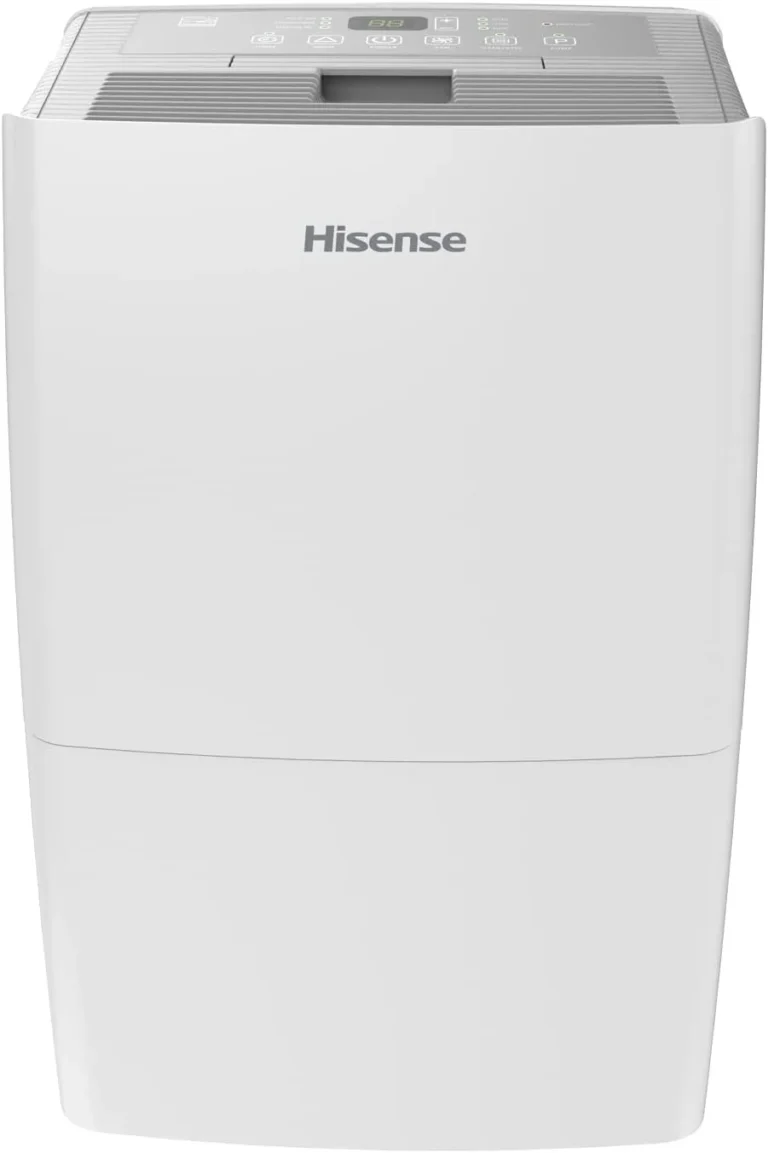
TCL Dehumidifier Leaking Water
You walk into your basement and spot a puddle around your TCL dehumidifier. It's frustrating, but it's also one of the most common issues owners face. A TCL dehumidifier leaking water usually points to one of a handful of causes you can fix yourself without calling for service.
Per Energy Star requirements, TCL dehumidifiers are designed to remove 20 to 70 pints of moisture per day depending on the model. But when that water ends up on the floor instead of the bucket or drain, something's out of alignment. Let's walk through the most likely culprits, starting with the simplest.
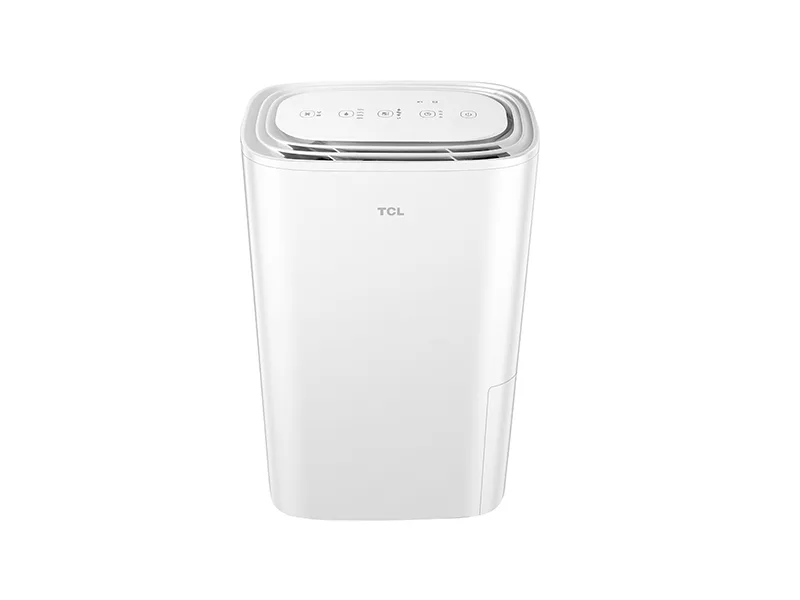
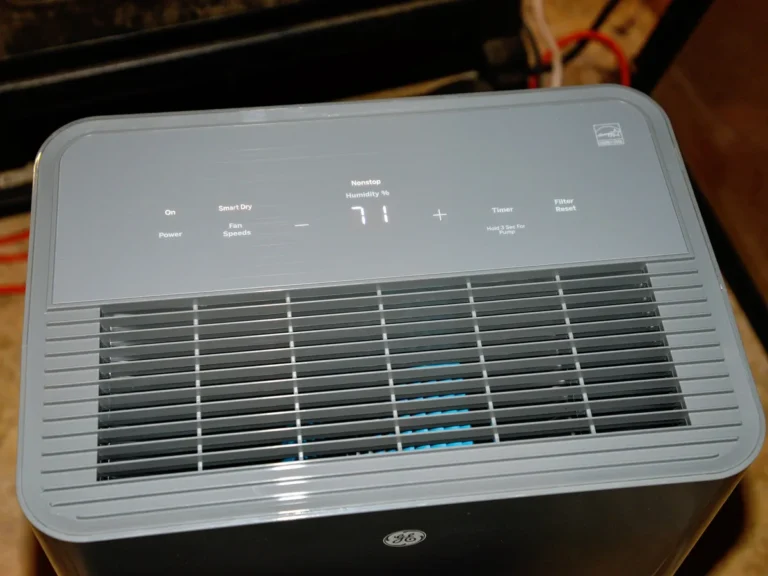
Image source: Bing (Web (fair-use with source credit))
Quick Answer
Most leaks come from a misseated bucket, a blocked continuous drain hose, or an unlevel unit. Check the bucket fit first. Inspect the drain hose connection next.
Level the dehumidifier if it wobbles. These three fixes solve nine out of ten leaks.
Is the Bucket the Problem? The Most Common Leak Source

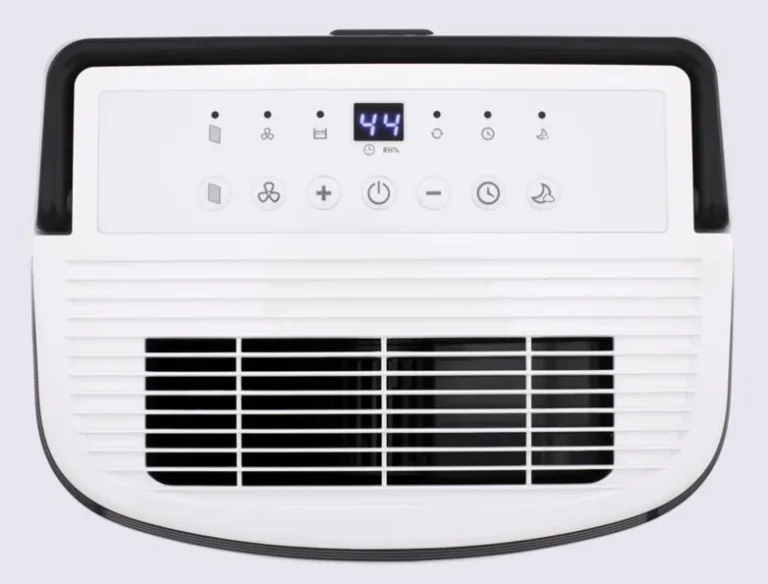
Bing (Web (fair-use with source credit))
The bucket is the first place to look. If it's not pushed all the way in, the float switch stays raised and the unit thinks the tank is full. That causes water to overflow inside and leak out the back or bottom.
Here's the simple fix: Pull the bucket out completely, then slide it back in until you hear a click. TCL buckets have a small tab on the back that must engage with the float. If that tab is bent or broken, the float won't drop and the leak continues.
Also check for cracks. TCL buckets are made of translucent plastic that can develop hairline fractures over time, especially if you've dropped them. Fill the bucket with water outside and look for drips.
A cracked bucket needs replacement, not repair. You can order a new one through TCL's parts department.
If the bucket is seated correctly and has no cracks, then the float itself may be stuck. Gently press the float lever down with your finger. It should move freely.
If it's stiff, a piece of debris might be blocking it. Clear any obstruction and test again.
The Continuous Drain Setup: A Simple Mistake That Causes Leaks

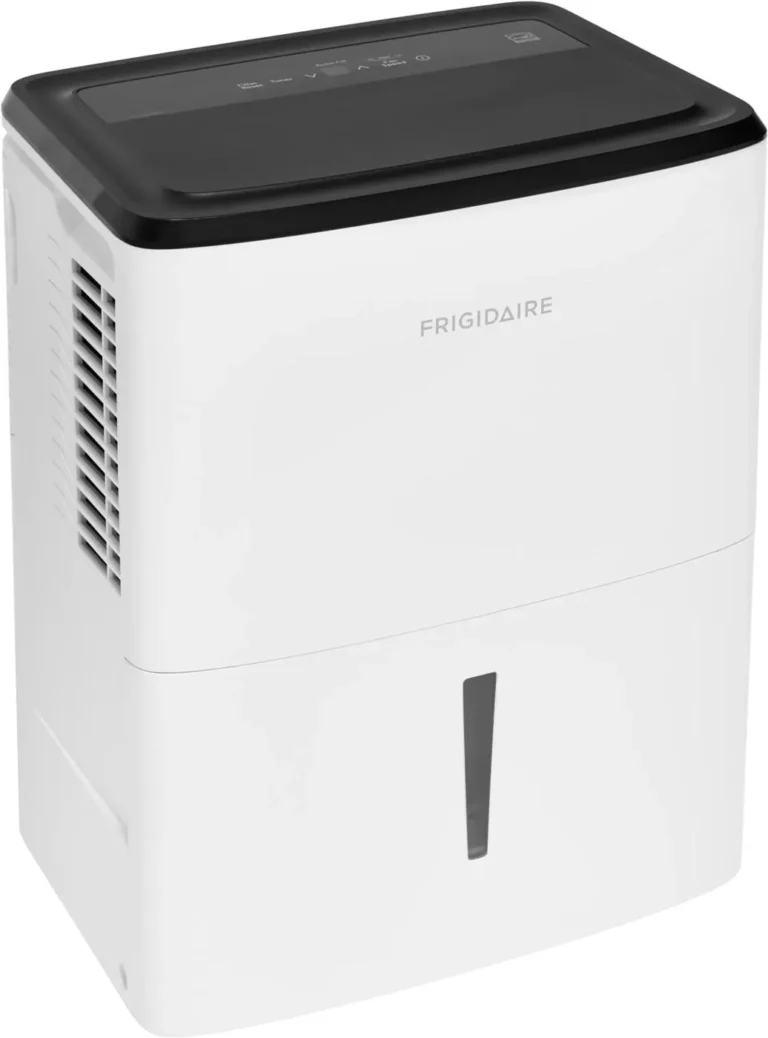
Bing (Web (fair-use with source credit))
Most TCL models come with a port for a continuous drain hose. This lets you skip emptying the bucket manually. But this setup is also the second most common leak source.
The number one mistake: leaving the rubber drain cap in place while attaching a hose. The cap is there for when you're using only the bucket. If you connect a hose, you must remove that cap first.
Otherwise water backs up and spills inside the unit.
The second mistake: using the wrong hose size. TCL continuous drain ports are designed for a standard 3/4-inch female garden hose thread. If you force a smaller hose or an adapter, the connection will leak.
Make sure the hose is snug but not cross-threaded.
The third mistake: the hose kinking or rising above the drain port. Gravity drain only works if the hose runs downhill. If the hose loops up, water gets trapped and overflows.
Keep the hose as short as possible and sloping downward to a floor drain or sump pit.
After correcting any of these, run the unit for an hour with the hose connected. Check for drips at the connection point. A single drop per minute means the seal isn't tight.
Is Your Unit Level? Why Tilted Dehumidifiers Drip
TCL dehumidifiers rely on gravity to move water from the collection tray into the bucket or drain. If the unit sits on an uneven floor, water pools in the wrong place and eventually finds a way out.
Check this: place a bubble level on top of the unit. If it's off by more than a few degrees, water can spill over the internal catch tray. TCL models have adjustable feet on the bottom.
Twist them to raise or lower each corner until the unit is perfectly level.
This is especially common in basements with sloped concrete floors. The front of the unit might sit lower than the back, causing water to run forward and drip out the front grille. Or the unit could be leaning sideways, letting water escape from the side seams.
How to tell if this is your problem: the leak happens during operation, not just when the unit shuts off. And you'll often see water stains on the floor directly under the low corner.
If leveling doesn't stop the leak, move on to the next possibility. But nine times out of ten, leveling solves it.
Ice Buildup and Defrost Leaks: The Hidden Culprit
TCL dehumidifiers use refrigerant coils that can freeze if conditions are right. When the unit goes into defrost mode, that ice melts and drains out. But if there's too much ice, the meltwater overwhelms the drain system and overflows.
What causes ice buildup? The most common reason is a dirty air filter. Restricted airflow causes the coils to get too cold. Aggregate user reviews and TCL manuals both confirm this: clean the filter every two weeks during heavy use.
Temperature also matters. TCL dehumidifiers are designed to operate between 41°F and 95°F. If your basement drops below 41°F, ice forms more easily.
In cold weather, you might see water after a defrost cycle that's actually normal meltwater. But if it's leaking, the defrost cycle isn't completing properly.
Spot the difference: ice-buildup leaks happen in cycles. The unit runs for a while, then shuts off, then you see a puddle form as the ice melts. If the leak is constant, it's not ice related.
If your TCL continues to leak after addressing these points, you might be better off with a more robust unit. Check out our guide to the best dehumidifier for basement to compare models that handle cooler temperatures better.
Condensate Pump Failure (On Pump Models Only)
Some TCL dehumidifier models include a built-in condensate pump. This pump pushes water upward, so you can drain into a sink or laundry tub instead of a floor drain. When that pump fails, water backs up and leaks out of the unit.
How to tell if your pump is the problem: you'll hear no clicking or humming when the bucket is removed and the unit is running. The pump should activate periodically. If it stays silent, it's likely clogged or dead.
First, check the pump inlet filter. Debris and mineral buildup can block it. Remove the filter, rinse it, and clean any residue.
Then try tapping the pump housing gently. A stuck impeller sometimes frees up this way.
If the pump still doesn't run, check the pump drain hose for clogs. If that's clear, the pump motor itself is likely burned out. Replacement pumps can be ordered from TCL, but installing one typically requires disassembling the unit.
If you're handy, it's doable. If not, this is the point to call for professional repair or warranty service.
When to Call TCL Support or Replace the Unit
If you've checked the bucket, drain hose, leveling, ice buildup, and pump, and the leak persists, it's time to escalate. TCL dehumidifiers come with a one-year warranty that covers parts and labor. Contact TCL customer support directly to open a claim.
You'll need your model number and proof of purchase.
Signs that indicate a bigger problem: water leaking from the back seam, a refrigerant smell, or the unit not cooling at all. These point to a cracked internal drain pan, a sealed-system refrigerant leak, or a failed compressor.
The repair cost for these issues often approaches half the price of a new unit. Editorial analysis of user reports suggests most TCL dehumidifiers last three to five years. If yours is older than that, replacement is usually the smarter financial call.
Check the TCL official support page for troubleshooting manuals and warranty details. You can also review our list of the best dehumidifiers to see more durable alternatives for basement use if you decide to upgrade.
Frequently Asked Questions About TCL Dehumidifier Water Leaks
Why is my TCL dehumidifier leaking from the back?
A back leak usually means the internal drain pan is cracked or the unit is tilted backward. Check the level first. Then inspect for ice buildup that melts and overwhelms the pan.
If neither applies, the drain pan may need replacement.
Can I use a regular garden hose for continuous drainage?
Yes, as long as it has a standard 3/4-inch female thread. Make sure to remove the rubber drain cap before connecting the hose. Keep the hose downhill and unkinked for proper gravity flow.
How often should I clean the air filter?
TCL recommends cleaning the filter every two weeks during heavy use. A dirty filter restricts airflow, causing ice buildup and subsequent leaks. Rinse it with water, let it dry completely, and slide it back in.
Why does my TCL dehumidifier leak only when it turns off?
This happens during the defrost cycle. Ice on the coils melts after the compressor stops. If the meltwater drains slowly or the unit is not level, you'll see a puddle.
Ensure the unit is level and the drain path is clear.