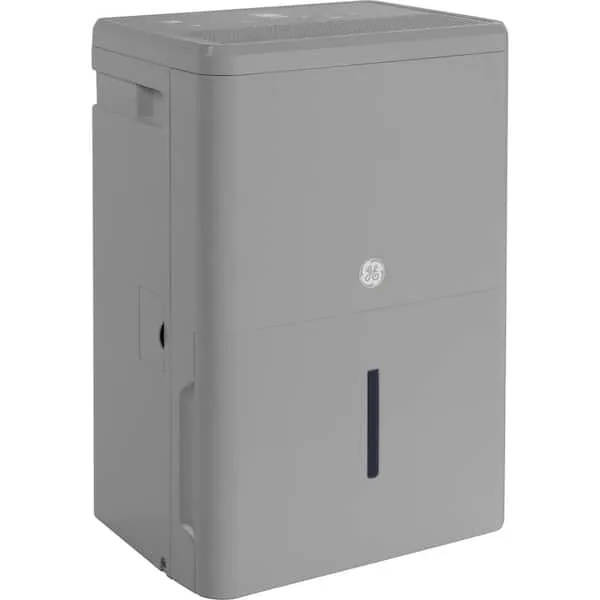
Frigidaire Dehumidifier Not Removing Humidity
You set up your Frigidaire dehumidifier, it hums along, the fan blows, the bucket light comes on. But the tank stays mostly empty, and the room still feels damp. If that sounds familiar, you are dealing with a Frigidaire dehumidifier not removing humidity, and it is rarely a sign that the unit is broken.
In most cases, the fix takes less than fifteen minutes.
What makes this tricky is that a dehumidifier can sound like it is working perfectly when it is not pulling any moisture at all. Manufacturer specifications indicate that a properly functioning unit should collect water any time the relative humidity in the room is above the setpoint and the temperature is above 41°F. As of 2026, Frigidaire models are tested under AHAM standards at 80°F and 60% relative humidity.
If your room is colder or the humidity is low, the unit can run all day without collecting a drop.
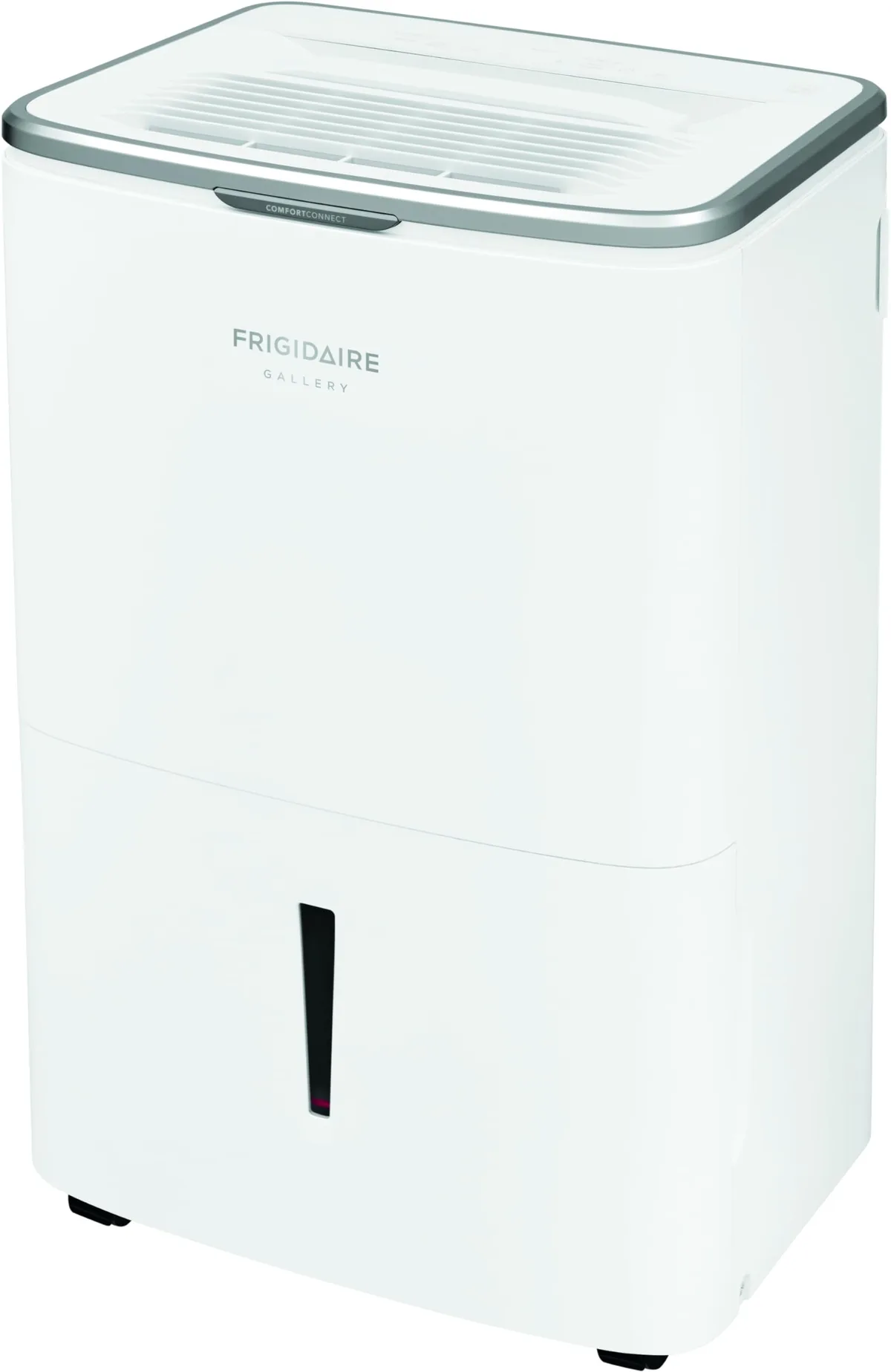
Image source: Bing (Web (fair-use with source credit))
Quick Answer
A Frigidaire dehumidifier stops removing humidity when the room is below 65°F. Cold air prevents the compressor from condensing moisture. Check the temperature first.
Then inspect the float switch. A stuck float fools the unit into thinking the bucket is full. Clean the filter every two weeks.
Use a separate hygrometer to confirm the humidity setpoint is lower than actual room humidity.
Why Your Frigidaire Dehumidifier Isn't Pulling Water
The most common reason a Frigidaire dehumidifier runs but collects nothing is low room temperature. Every refrigeration‑based dehumidifier needs warm air to work. The compressor cools the evaporator coils below the dew point.
If the air is already cool, the coils cannot get cold enough to make water condense. Frigidaire's own manuals state that the operating range starts at 41°F, but the real action starts at about 65°F.
If you have the unit in a basement or garage that stays below 65°F, the compressor will cycle on and off. The fan will blow. But you will see little to no water.
The unit is not broken. It is fighting physics. The solution is either to warm the space or switch to a desiccant dehumidifier designed for cooler environments.
The second invisible culprit is a humidity setpoint that is too high. Say you set the dial to 55%. If the room is already at 50%, the unit will never turn on.
Check your setpoint against a separate hygrometer. Built‑in humidistats on Frigidaire units can drift by 5 to 10 percent as they age. A cheap standalone hygrometer costs under ten dollars and eliminates this variable instantly.
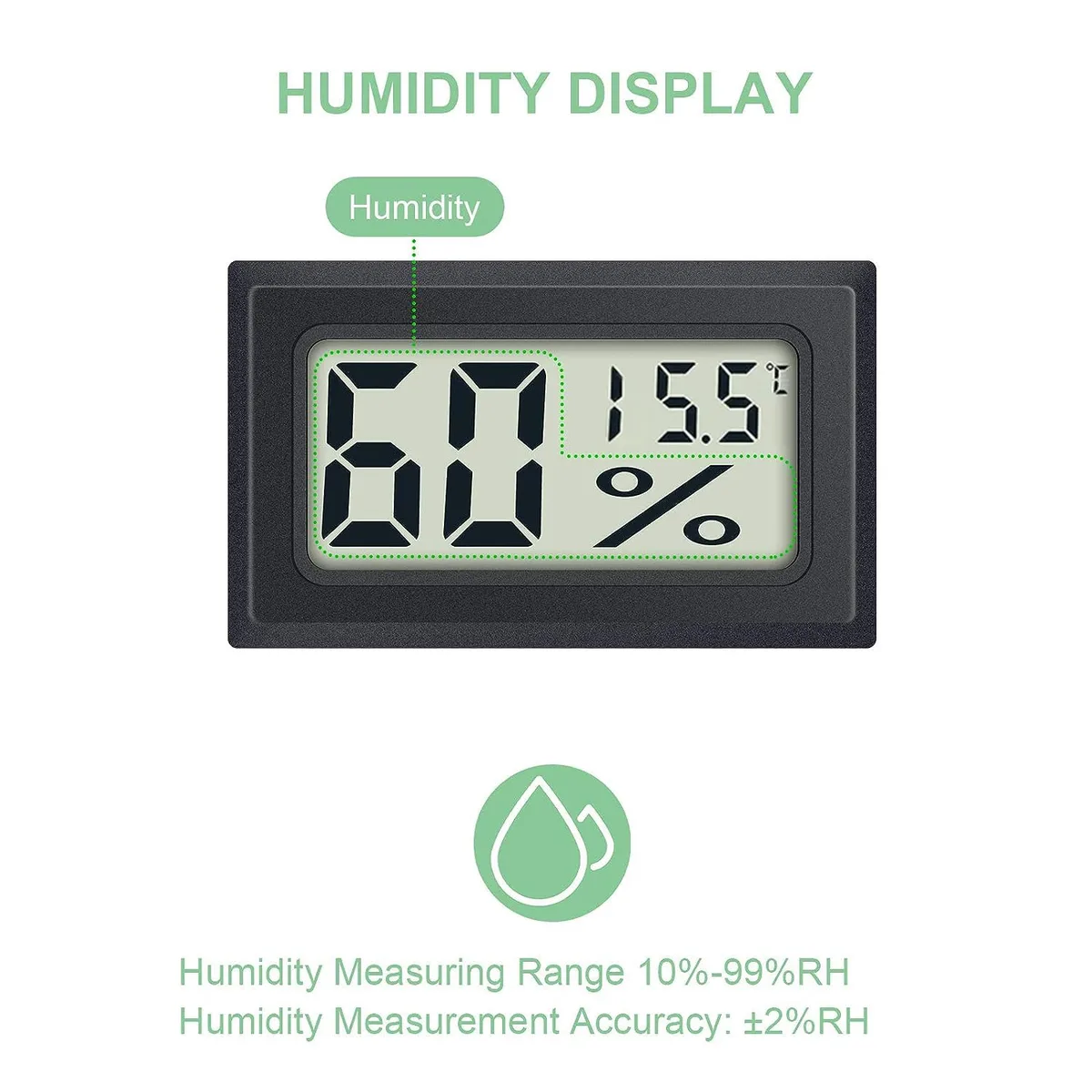
Image source: Bing (Web (fair-use with source credit))
Temperature, Humidity, and the 65°F Rule
Let me pull that apart further because it matters so much. Your Frigidaire dehumidifier removes the most moisture when the room is warm and humid. At 80°F and 60% relative humidity, a 50‑pint unit pulls close to 50 pints per day.
Drop the temperature to 55°F and the same unit struggles to collect 10 pints. The compressor simply cannot get the evaporator coils cold enough to condense water from cool air.
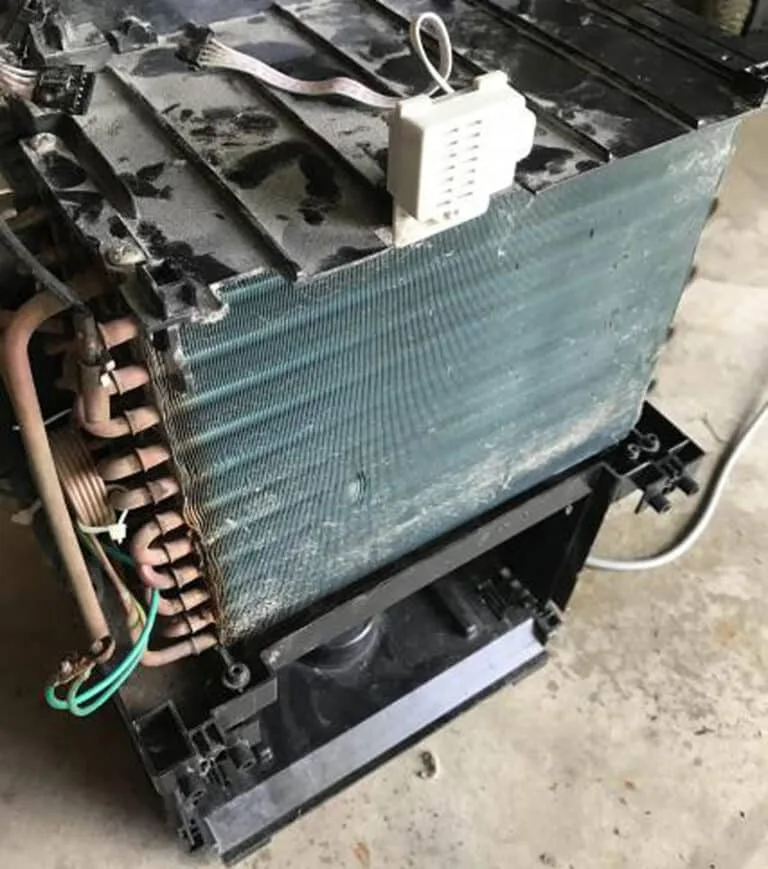
Here is what happens inside the unit. The compressor compresses refrigerant, which cools the evaporator coils to about 40°F. Warm air blows over those coils.
Water vapor condenses. If the air entering the unit is already 55°F, the difference between coil temperature and air temperature is only 15°F. That is not enough for efficient condensation.
The coils can also frost over in these conditions. That stops water production entirely while the unit runs a defrost cycle.
The 65°F rule is a good practical threshold. Below that, expect less water removal. Below 55°F, the unit may stop altogether.
If your space is consistently cold, a desiccant dehumidifier might work better. But for typical basements in temperate climates, warming the room a little helps. Even a small space heater placed nearby can make a difference.
Keep it away from the dehumidifier itself for safety.
For most homeowners, the best solution to persistent basement humidity is a properly sized unit. If you are shopping for a replacement or a second unit, check out our guide to the best dehumidifier for basement conditions.
The Decision Tree: Diagnose Step by Step
This is where the decision‑tree logic really helps. Here is how to work through the problem in order. Skip steps that do not apply.
Step 1, Is the fan running?
If the fan does not spin, the unit may have a blown capacitor, a bad control board, or a tripped GFCI. Test the outlet with a lamp. If the lamp works but the fan does not, you have a power or control problem.
Try unplugging the unit for ten minutes to reset the board. If that does not fix it, you are looking at a capacitor replacement or a service call.
Step 2, Fan runs, but no water in the bucket after 24 hours.
Check the bucket float. Stick your finger in the bucket well and push the float up and down. It should move freely.
If it is stuck in the "full" position, the compressor will not run. This is one of the most common issues and an easy fix. Also check that the bucket is seated correctly.
A misaligned bucket can push the float down.
Step 3, Float is free, but still no water.
Now check the humidity setpoint and the room temperature using a separate hygrometer. If the room is below 65°F, warm it up or accept low performance. If it is warm enough but the setpoint is higher than the actual humidity, lower the setpoint.
Step 4, Temperature and setpoint are correct, yet no water.
Inspect the filter. A clogged filter restricts airflow over the coils. Frigidaire recommends cleaning the washable filter every two weeks in heavy use.
A dirty filter is the second most common cause of reduced moisture removal.
Step 5, Filter is clean, but still no water.
Check the drain hose if you are using continuous drainage. A kinked or uphill hose can create an airlock that stops water from flowing. If the hose end is submerged in a drain, it can create a siphon that prevents water from dripping out.
The hose should slope downward and end in open air.
Step 6, Everything checks out, but the unit still does not collect.
This narrows it to a slow refrigerant leak or a failing compressor. A unit older than 5 years may not be worth repairing. Check the manufacturer warranty.
Many Frigidaire units have a one‑year warranty on labor and five years on the sealed system.
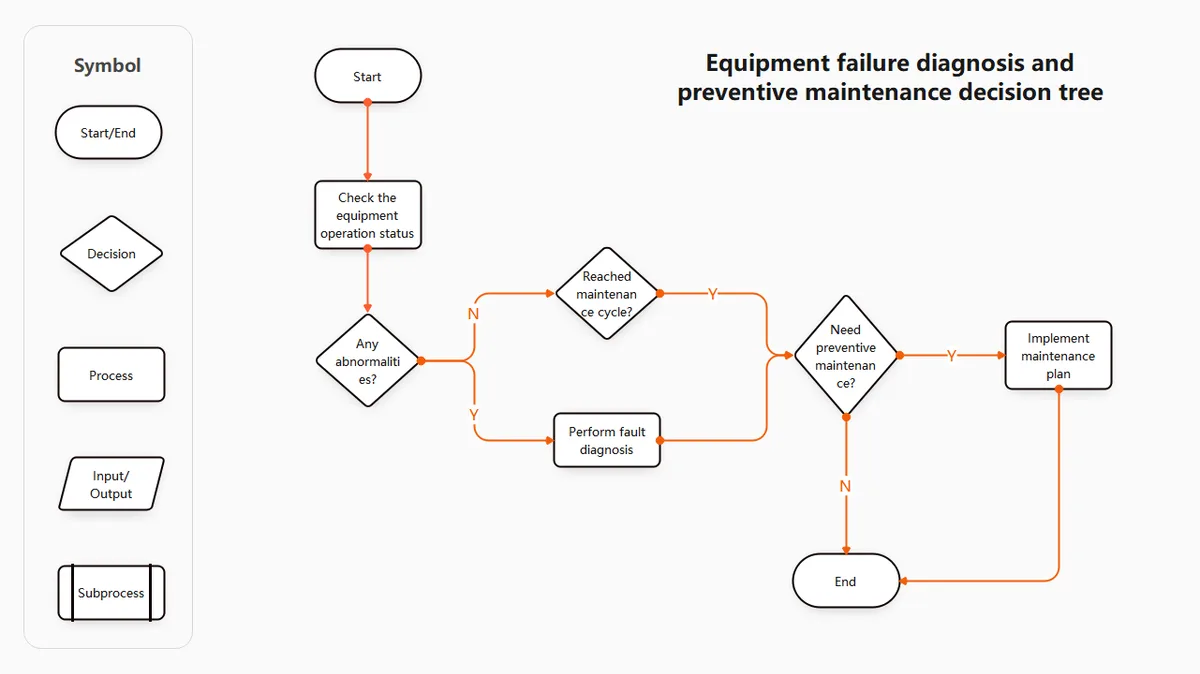
Image source: Bing (Web (fair-use with source credit))
Three Common Mistakes That Fool Almost Everyone
These are the traps I see in aggregate reviews and forum threads all the time. Avoiding them saves hours of wasted time.
Mistake #1, Ignoring the float. The float switch is a simple plastic piece that rises as the bucket fills. If it gets stuck in the raised position, the unit thinks the bucket is full and stops the compressor. You hear the fan, but no cooling happens.
A lot of people assume the float is fine because they emptied the bucket. But debris like a piece of lint or a dead bug can wedge under the float. Push it up and down by hand to confirm it moves.
Mistake #2, Using continuous drain with an uphill slope. Frigidaire's continuous drain works by gravity. Water drips from the bucket well down a hose. If the hose goes uphill anywhere, or if the end is pinched between the wall and the floor, water will not flow.
The bucket will fill, the float will rise, and the unit will stop. You will see the "bucket full" light even though you are using the hose. Run the hose in a straight downgrade to a floor drain or a sump hole.
Mistake #3, Setting the humidity too high because the room feels damp. Your body feels humidity differently than a sensor does. The unit's hygrometer measures absolute relative humidity. If you set it to 60% but the room is actually 65%, the unit will never kick on.
A separate hygrometer is the only way to know for sure. Place it next to the dehumidifier, wait 15 minutes, and compare readings. If they differ by more than 10%, your unit's sensor may be off.
Compensate by lowering the setpoint.
Bucket and Drain Problems: The Float, the Hose, and the Pump
If the unit is creating condensation (you can feel cold coils and see moisture on them), but the water is not reaching the bucket or the drain, the problem is in the drainage path. Here are the specific checks.
Bucket float stuck. Already covered. Make sure the float moves freely. Also check that the bucket is fully inserted.
Some models have a small tab on the bucket that pushes the float down. If the bucket is not completely in, that tab misses.
Bucket crack or leak. Look for water pooling under the unit. If you see a puddle but the bucket is empty, the bucket may have a hairline crack. Frigidaire sells replacement buckets for most models.
Check the part number on the back of the bucket.
Continuous drain hose. Remove the hose and test with a small amount of water poured into the bucket well. It should flow freely out of the hose. If it does not, the hose is clogged or kinked.
Blow through it or flush it with a garden hose.
Pumped models. If your Frigidaire has a built‑in condensate pump (check the model number for a "P" in the suffix), the pump can fail or the drain line can get blocked. You will hear the pump hum, but no water comes out. Listen for pump activation.
It should run every few minutes when water is present. If the pump runs but no water exits, the pump is likely dead. If it does not run at all, check the float switch in the pump reservoir.
That is a smaller float inside the unit. Debris can jam that too.
Frozen coils. If you see ice on the coils, the unit will defrost automatically. During the defrost cycle, water production stops. After defrost, the water should drain to the bucket.
If the drain pan under the coils is cracked or blocked, water can leak inside the unit. Let the unit fully thaw. Check the drain path under the coils for debris.
Most bucket and drain issues resolve without any tools. The most common fix is cleaning the float and realigning the hose. That takes five minutes.
When to Clean or Replace the Filter
A dirty filter is the second most common reason for a Frigidaire dehumidifier not removing humidity. Restricted airflow means less air passes over the cold coils. Less air means less condensation.
Less condensation means an empty bucket.
Frigidaire units use a washable foam filter. It slides out from the front or top depending on your model. Rinse it under warm running water.
Squeeze out the excess. Let it dry completely before putting it back. Do not use soap or detergent.
The residues can clog the foam pores.
Clean the filter every two weeks during heavy use. If you run the unit in a dusty basement or a workshop, check it weekly. A clean filter can restore water collection by 30 to 50 percent in some cases.
It is the cheapest and fastest fix there is.
If the filter is torn, stiff, or falling apart, replace it. Frigidaire sells replacement filters by model number. They cost around ten to fifteen dollars.
A damaged filter lets dust bypass into the unit and build up on the coils. That hurts performance over time.
Frequently Asked Questions
Why is my Frigidaire dehumidifier running but not collecting water?
The most likely cause is low room temperature. If the room is below 65°F, the compressor cannot condense moisture efficiently. Check the temperature first.
Then inspect the float switch and clean the filter. A separate hygrometer helps confirm the issue.
What does the 65°F rule mean for dehumidifiers?
Below 65°F, refrigeration‑based dehumidifiers lose efficiency. The compressor cannot get the coils cold enough relative to the air temperature. Below 55°F, the unit may stop collecting water entirely.
Desiccant dehumidifiers work better in cold conditions.
How do I reset my Frigidaire dehumidifier?
Unplug the unit for ten minutes. Plug it back in. This resets the control board and clears any temporary error states.
If the unit still does not work after a reset, check the float, filter, and temperature before calling for service.
What do Frigidaire error codes mean?
EH means the humidity sensor is faulty. EF means the fan motor is not working. AO means the unit is in continuous drain mode and the pump has an issue.
Check the float and drain hose first. If the error persists, contact Frigidaire support.
Should I repair or replace my Frigidaire dehumidifier?
If the unit is under 5 years old and the sealed system is under warranty, repair makes sense. If it is older than 7 years or has a refrigerant leak, replacement is usually cheaper. Compare the repair cost to the price of a new unit before deciding.
Can I use an extension cord with my Frigidaire dehumidifier?
No. Frigidaire warns against extension cords. They cause voltage drops that can damage the compressor.
Plug the unit directly into a grounded GFCI outlet. If you need more reach, use a heavy‑duty appliance extension cord rated for 15 amps as a temporary solution only.
Final Verdict: Should You Repair or Replace?
Most Frigidaire dehumidifier problems are simple to fix. A stuck float, a dirty filter, or cold room air account for about 80 percent of cases. You can solve all of those in under fifteen minutes with no tools.
That is where you should start.
If the unit is less than five years old and the compressor or sealed system is failing, check the warranty. Frigidaire covers the sealed system for five years. Labor is covered for one year.
A warranty repair is worth pursuing.
If the unit is older than seven years, replacement is usually the better call. A new unit will be more efficient, quieter, and covered by a fresh warranty. Look for Energy Star certified models with a pint rating that matches your space.
The general rule is a 50‑pint unit for a 1500 to 2000 square foot basement.
For a full roundup of top‑rated options across different price points and capacities, take a look at our guide to the best dehumidifier choices for 2026. The right unit makes the difference between a damp basement and a comfortable home.