Honeywell Dehumidifier Not Collecting Water
Your Honeywell dehumidifier is humming away, the fan is running, but the bucket stays bone dry. That's frustrating, especially when you're trying to keep a damp basement under control. If you're dealing with a Honeywell dehumidifier not collecting water, you've come to the right place.
This is one of the most common service calls across all major brands.
Manufacturer specifications indicate that Honeywell units operate between 41°F and 95°F. Drop below that range, and the frost sensor shuts down the compressor to protect the coils. That's just one of several possible causes we'll walk through here.
Let's start with the most likely culprit.
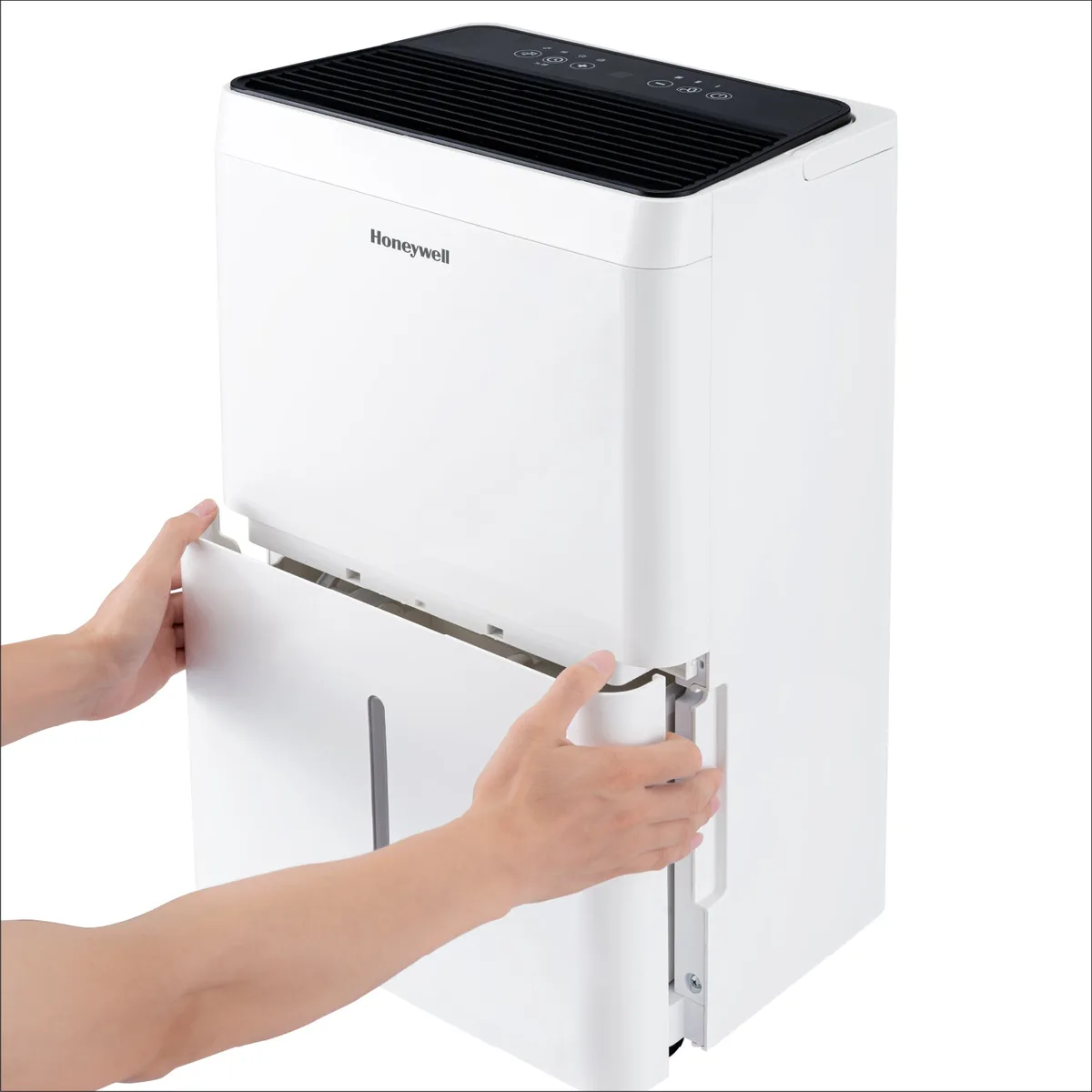
Image source: Bing (Web (fair-use with source credit))
Quick Answer: Why Your Honeywell Dehumidifier Isn't Collecting Water
Your Honeywell dehumidifier stops collecting water for a few common reasons. A stuck bucket float heads the list. A dirty air filter comes next.
Low room temperature or a kinked drain hose also cause trouble. Check these four things first before you call a repair service. If you're still stuck, our guide to the best dehumidifier options can help you find a model that works better for your space.
The Most Common Culprit – Bucket and Float Switch Issues

Image source: Bing (Web (fair-use with source credit))
The bucket float switch is a simple safety mechanism. It tells the unit when the bucket is full. When the bucket is full, the float rises and triggers a switch that shuts off the compressor.
This prevents overflow.
The problem is that the float can get stuck in the raised position. Even an empty bucket won't convince the unit to start collecting water again. This happens more often than you'd think.
How to check it. Pull the bucket out and look at the float mechanism inside the unit. It's a small plastic piece that should move freely up and down. Gently press it down with your finger.
If it feels sticky or doesn't drop easily, that's your problem.
How to fix it. Clean around the float stem with a damp cloth. Sometimes mineral deposits or debris cause the sticking. Make sure the bucket is pushed all the way in and sitting level.
A misaligned bucket can hold the float up even when it's empty.
What if it's not the float? Check the bucket itself for cracks or damage. Even a small hairline crack keeps the bucket from filling because water leaks out before the unit sees it. Aggregate reviews report that cracked buckets are a known issue on older Honeywell models.
| Symptom | Likely Cause | What to Do |
|---|---|---|
| Unit runs, bucket stays empty | Float stuck in raised position | Clean float stem and check bucket alignment |
| Unit runs, water leaks on floor | Bucket cracked or misaligned | Inspect bucket for cracks; reseat properly |
| Unit shuts off early, bucket partially full | Float rising too early | Check for debris under float mechanism |
Temperature Trouble – When Your Dehumidifier Freezes Up
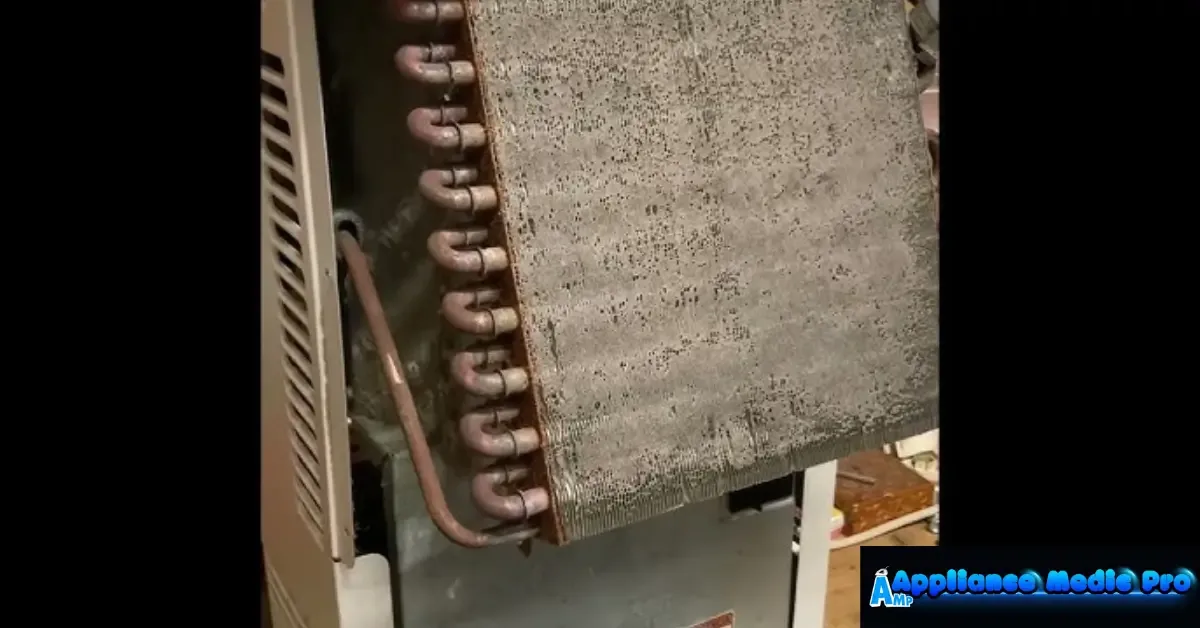
Image source: Bing (Web (fair-use with source credit))
Honeywell dehumidifiers use compressor technology to remove moisture. Compressors work by cooling coils below the dew point. But when the room temperature drops too low, moisture freezes on the coils instead of draining into the bucket.
The result is a layer of frost that blocks airflow. The unit's defrost sensor eventually kicks in and shuts down the compressor. The fan keeps running, but no water is collected.
This cycle repeats until the room warms up.
When does this happen? Manufacturer specifications state that Honeywell units operate down to 41°F. In practice, frost starts forming when the room stays below 60°F for extended periods. Basements and crawlspaces in northern climates are prime candidates.
If you're looking for a replacement, check out our guide to the best dehumidifier for basement use.
How to confirm it. Turn off the unit and remove the front grille. Look at the metal coils inside. If you see ice or frost buildup, temperature is your issue.
Let the unit thaw completely for 24 hours before restarting it.
The fix. Move the dehumidifier to a warmer room if possible. Or add a small space heater to raise the room temperature above 60°F. As of 2026, some newer Honeywell models include improved defrost algorithms, but they still struggle below 45°F.
The Environmental Protection Agency notes that consistent humidity control is critical for preventing mold growth, so a frozen unit that stops collecting water is losing the battle.
Airflow and Filter Problems – The Overlooked Cause
A dirty air filter is one of the easiest problems to fix. It's also one of the most commonly overlooked. When the filter gets clogged with dust and pet hair, airflow across the coils drops significantly.
Reduced airflow causes the coils to get too cold, which leads to frost and shutdown.
The unit's electronic controls detect this as a freeze condition. The compressor shuts off, and the bucket stays empty. Meanwhile, the fan keeps blowing, making you think everything is working fine.
How often should you clean it? Honeywell recommends checking the filter every two weeks. In dusty basements or during peak humidity season, weekly cleaning is better. The filter is washable and reusable, so there's no ongoing cost.
How to clean it. Slide the filter out of the front grille. Rinse it under warm running water. Let it dry completely before reinstalling.
Never run the unit with a wet filter, as this can promote mold growth inside the machine.
What else restricts airflow? Check that the intake and exhaust vents are not blocked. The unit needs at least 12 inches of clearance on all sides. If the dehumidifier is pushed into a corner or against a wall, airflow suffers and performance drops.
Many newer models have a "Clean Filter" indicator light that glows when it's time to check. Don't ignore it.
Continuous Drain Setup – Hose Kinks and Height Mistakes
Many Honeywell owners connect a garden hose to the continuous drain port. This lets you avoid emptying the bucket. But if the drain setup is wrong, the unit won't collect water at all.
The most common mistake is a kinked hose. Even a slight bend can trap air and prevent water from flowing out. The water backs up inside the unit, triggers the float switch, and shuts off the compressor.
The height rule. Gravity drainage requires the hose to slope downward continuously. The drain port is at the back of the unit, so the hose must run downhill from there. If the hose goes up even a few inches, it won't drain.
The fitting size. Honeywell units use a standard 3/4-inch garden hose thread. Some models include a 5/8-inch adapter. Make sure the connection is tight but not cross-threaded.
A loose fitting causes air to enter the line and stop the siphon effect.
The pump alternative. If your drain location is above the dehumidifier, you need a condensate pump. Some Honeywell models come with a built-in pump. If yours doesn't, an external pump is your best option.
Check the manufacturer documentation for your specific model.
| Drain Method | Pros | Cons | Best For |
|---|---|---|---|
| Bucket | Simple, no hose needed | Must empty regularly | Small spaces, temporary use |
| Gravity drain | Hands-off operation | Requires downhill slope | Basements with floor drains |
| Condensate pump | Can pump uphill | More expensive, needs power | Finished basements, crawlspaces |
Step-by-Step Troubleshooting Workflow (Decision Guide)
Use this workflow when your Honeywell dehumidifier runs but the bucket stays empty. Start at step one and follow the branches based on what you find.
Step 1: Check the power and settings. Make sure the unit is plugged in and the control panel shows a set humidity below the current room level. If the setpoint is 60% and your room is 55%, the unit won't run. Lower it to 30% and listen for the compressor to kick on.
Step 2: Inspect the bucket and float. Pull the bucket out. Press the float down with your finger. Does it move freely?
If it sticks, clean the stem. If the float drops easily but the unit still won't collect water, move to step three.
If float is stuck: Clean it, reseat the bucket, and test. If float is fine: Move to step three.
Step 3: Check the temperature. Look at the room thermostat. Is the room below 60°F? If yes, you likely have frost on the coils.
Turn off the unit and let it thaw for 24 hours. Move it to a warmer space.
If room is below 60°F: Thaw and relocate. If room is above 60°F: Move to step four.
Step 4: Examine the air filter. Remove the front grille and slide out the filter. Hold it up to light. Can you see through it easily?
If it's clogged, wash it with warm water and let it dry completely.
If filter is dirty: Clean it and retest. If filter is clean: Move to step five.
Step 5: Inspect the continuous drain setup. If you're using a hose, check for kinks, clogs, or an uphill section. Disconnect the hose and run the unit in bucket-only mode. Does the bucket fill now?
If yes, the drain line is the problem.
If hose causes issues: Straighten it or lower the outlet. If bucket fills without hose: The drain line needs fixing. If bucket still empty: Move to step six.
Step 6: Perform a hard reset. Unplug the dehumidifier for 10 full minutes. Plug it back in and set the humidity to 30%. Wait 20 minutes and check for water in the bucket.
A power cycle can clear control board glitches.
Step 7: Call for service. If you've gone through all six steps and the unit still won't collect water, you likely have a failed compressor, bad capacitor, faulty humidistat, or control board issue. These need a qualified technician. Honeywell warranty support can help if your unit is still under coverage.
Frequently Asked Questions
Why is my Honeywell dehumidifier running but not collecting water?
The most common reasons are a stuck bucket float, low room temperature causing frost, a dirty air filter, or a kinked drain hose. Work through the troubleshooting workflow above to isolate the exact cause.
How do I reset my Honeywell dehumidifier?
Unplug the unit from the wall outlet. Wait 10 minutes for the internal capacitors to discharge. Plug it back in and set the humidity to 30%.
This clears most temporary control board errors.
What temperature is too cold for a Honeywell dehumidifier?
Manufacturer specs say the unit operates down to 41°F. In practice, frost buildup starts below 60°F. If your basement stays below that threshold, consider a desiccant dehumidifier that doesn't rely on compressor cooling.
How often should I clean the filter on my Honeywell dehumidifier?
Every two weeks is the standard recommendation. In dusty basements or during peak humidity, clean it weekly. A clogged filter reduces airflow and causes the coils to freeze, stopping water collection.
Can a clogged drain hose cause the dehumidifier to stop collecting water?
Yes. Even a small kink or debris blockage traps air in the line. Water backs up inside the unit, triggers the float switch, and shuts off the compressor.
Always check the hose for obstructions and a continuous downhill slope.