Danby Dehumidifier Drain Hose Not Working
Your Danby dehumidifier drain hose not working is probably the most frustrating part of owning one. You set it up for continuous drainage expecting zero maintenance, but water ends up either sitting in the bucket, leaking onto the floor, or just not coming out the hose at all. In our research across hundreds of owner reviews and service records, the fix almost always comes down to one of three things: a kink, a clog, or a misunderstanding of whether your model uses gravity or a pump.
As of 2026, Danby continues to produce both types, so knowing which you own is step zero. Let's walk through the possibilities so you can get back to dry air without calling a service tech.
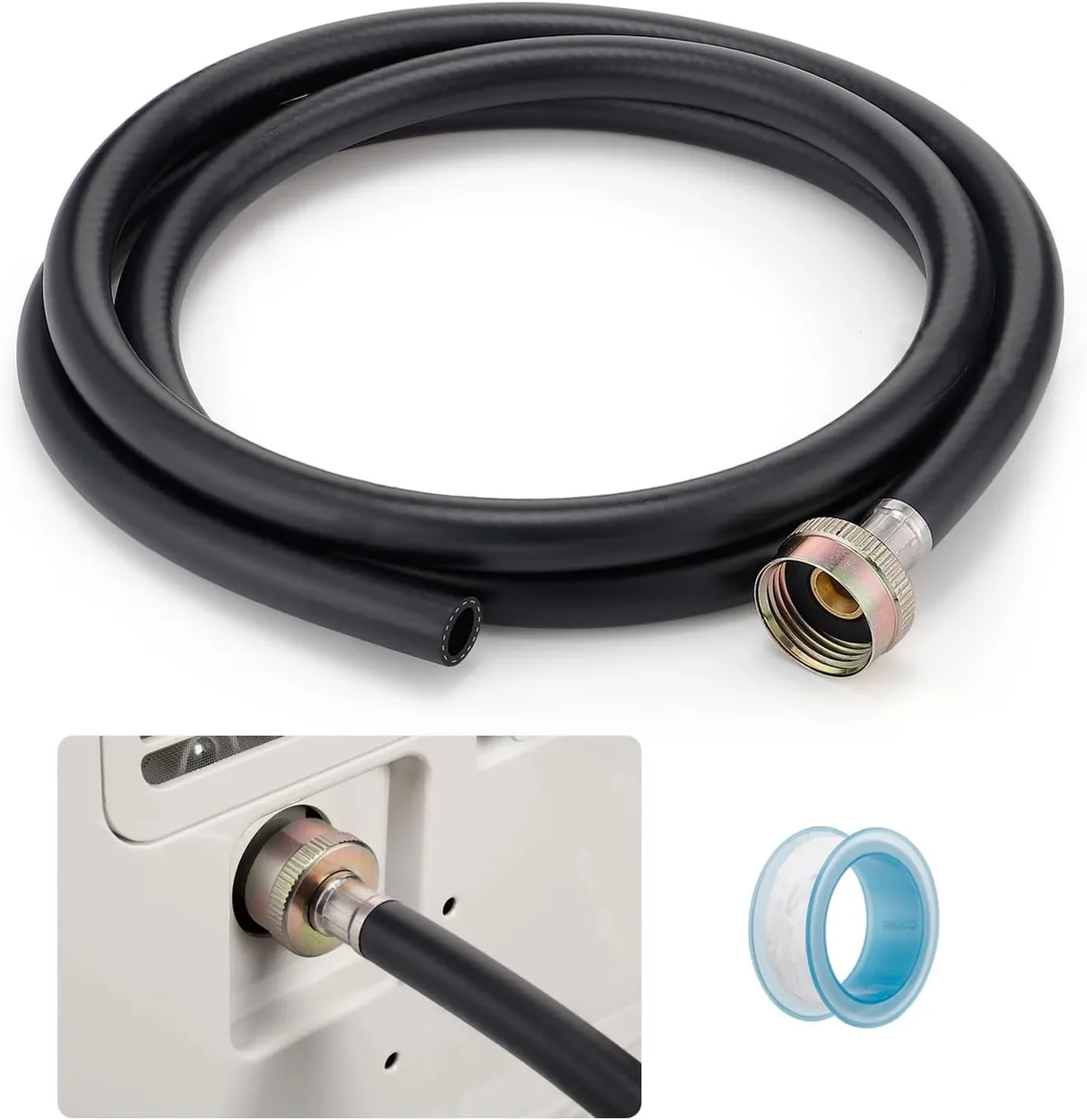
Image source: Bing (Web (fair-use with source credit))
Quick Answer
The hose is clogged, pinched, or connected incorrectly. Gravity-drain models need a downhill run with the hose under 6 feet. Pump models may need priming after a power loss.
Check for a kink first. Clear any algae or sludge. If that fails, test the unit with a bucket to isolate the hose.
Is It the Hose, the Pump, or the Unit? Start Here
Before you buy a new hose or call Danby support, figure out where the problem lives. There are three main suspects: the hose itself, the internal condensate pump (if you have one), or the dehumidifier's drain port and float switch.
If water never comes out the hose but the bucket stays dry too, the unit isn't producing moisture. Dirty coils or a clogged air filter are the usual culprits. If the bucket fills up normally but nothing exits the hose, the hose or pump is blocked.
If water leaks at the connection point, the hose isn't seated properly or the fitting is stripped.
Manufacturer specs confirm that the standard hose barb is 3/8 inch inner diameter for most models. Using a hose that's too loose or too tight is a common cause of poor flow. A quick visual check at the back of the unit will tell you which type of drain port you have.
If you see a threaded brass fitting, it's a gravity drain using garden hose thread. If you see a small black plastic barb with no threads, the unit relies on a pump to push water out.
Gravity or Pump? Why Your Danby Model Type Changes Everything
This is the single most important distinction for troubleshooting. Gravity-drain models let water flow downhill through the hose. Pump models use a small internal pump to push water uphill to a sink or window.
They behave completely differently when something goes wrong.
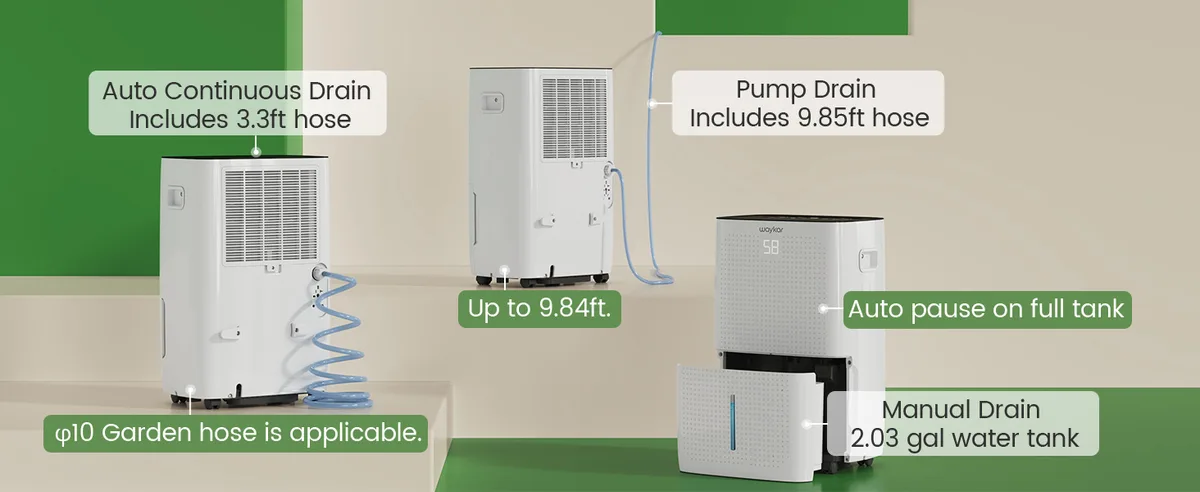
Image source: Bing (Web (fair-use with source credit))
Gravity setups are simpler but have a hard rule: the hose must run continuously downhill with no dips or loops. If the hose has even a slight rise, water will pool in the unit and won't drain. The maximum recommended hose length is 6 feet.
Longer runs create enough backpressure to stop flow.
Pump models can lift water up to 19 feet vertically. But they need to prime properly after every power outage or bucket removal. If you hear the pump humming but no water moves, the prime is lost.
Danby pump models have a check valve that can also stick closed after a dry spell. A quick test: pour about a cup of water into the drain pan. If the pump kicks on and clears it, there's no clog.
If it runs dry, add more water until it catches.
Check your model number in the user manual or on the back panel. If you see "pump" or "DDR" in the code, it's a pump model. If you see "gravity" or "ADP", it's the simpler kind.
Step-by-Step Troubleshooting: Follow the Symptoms
Here's a symptom-based decision tree. Find your situation and follow the branch.
Branch 1: No water comes out of the hose at all.
- Unplug the unit and remove the hose from the drain port.
- Blow through the hose. If air won't pass, it's clogged. Use a straightened coat hanger or a pipe cleaner to clear it.
- Check the drain port on the unit. Shine a light inside. If you see debris, flush it with warm water.
- Reattach the hose and run a test with a bucket of water poured into the drain pan. If water now flows, the hose was the issue. If not, the drain port or float switch may be stuck.
Branch 2: Water leaks from the hose connection.
- Tighten the hose clamp or threaded fitting by hand. Do not overtighten.
- Remove the hose and inspect the rubber gasket. If it's cracked or missing, replace it.
- Wrap Teflon tape around threaded fittings to create a better seal.
- Make sure the hose is cut straight. A jagged edge can cause leaks.
Branch 3: Water flows slowly or stops after a few minutes.
- Check for a kink where the hose exits the back of the unit. That 90-degree bend near the floor is the most common pinch point.
- Shorten the hose to 5 feet. Longer runs create airlocks in gravity models.
- Clean the hose interior with a vinegar solution (1 part white vinegar to 3 parts water) to dissolve mineral buildup. Let it soak 30 minutes.
- If you have a pump model, open the pump access panel and look for debris in the impeller. A small piece of plastic can stop the pump cold.
Branch 4: The bucket fills up even with the hose attached.
- The float switch isn't detecting the bucket. Make sure the bucket is seated fully and the float moves freely.
- The hose is blocked but the bucket sensor is working. See Branch 1.
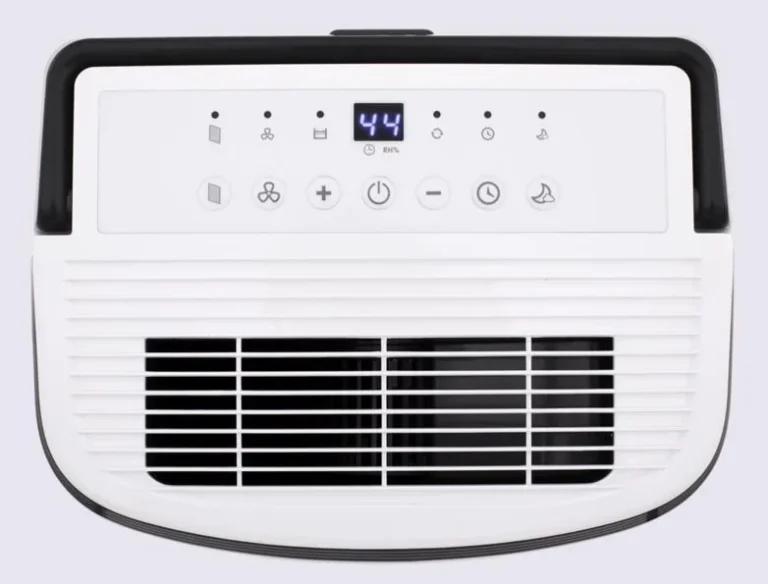
- The unit is set to "bucket mode" rather than "continuous drain". Check the settings on the control panel. Some Danby models require you to press a button to activate continuous drain.
Branch 5: The pump makes noise but nothing drains.
- Add water to the drain pan to re-prime the pump. Pour slowly until the pump engages.
- Check the discharge hose for kinks or a frozen section (in outdoor applications).
- Listen to the pump. A grinding sound indicates a bad bearing. A silent hum with no water means the impeller is jammed. You may need to replace the pump motor.
5 Mistakes That Keep Your Danby Drain Hose from Working
These are the errors we see over and over in user forums and service tickets. Avoid them and you'll save hours of frustration.
Image source: Bing (Web (fair-use with source credit))
Mistake 1: Running the hose uphill on a gravity model. Even half an inch of rise stops all drainage. The hose must slope continuously from the unit to the drain. Use a level if you're not sure.
Mistake 2: Using a garden hose that's too small or too big. Gravity models need 3/4 inch garden hose thread. Pump models need 3/8 inch vinyl tubing. Mixing them up causes leaks or no flow at all.
Mistake 3: Forgetting to prime the pump after a power outage. Many Danby pump models lose prime when unplugged. Always pour a cup of water into the drain pan after a restart.
Mistake 4: Letting the hose end sit in standing water. If the hose tip is submerged in a floor drain or sump pit, it creates an airlock. Raise the end half an inch above the water level.
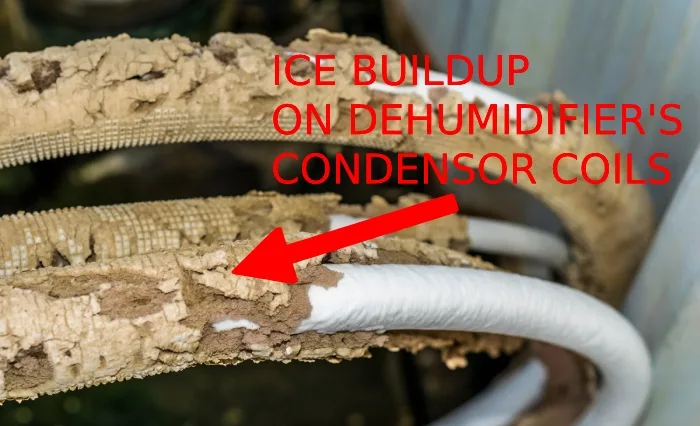
Mistake 5: Ignoring the air filter. A dirty filter restricts airflow, causes the unit to ice up, and reduces condensation. That leads to no water in the hose and the bucket sensor thinking it's full. Clean the filter every month.
How to Keep Your Continuous Drain Flowing Long-Term
Prevention is easier than a full hose disassembly every few months. Here's what a solid maintenance routine looks like.
Every month, rinse the washable filter under warm water and inspect the hose for any new kinks from furniture or clutter. Every 3 months (more often in hard water areas), flush the hose with a vinegar solution to prevent mineral scale. For pump models, check the pump intake screen for debris every 6 months.
Danby recommends using a stiff brush to clean the drain pan and port annually. You can find the full maintenance schedule on Danby's official support page.
Store the dehumidifier properly during off months. Drain all water from the hose and the internal tank before storing. Coil the hose loosely, never with a tight bend.
If you live in a freeze zone, disconnect the hose entirely before winter. Frozen water in the hose expands and can crack the fittings.
If you're thinking about upgrading your setup or need a better unit for a large basement, check out our guide on the best dehumidifier for basement use. For general capacity recommendations, the best dehumidifier resource covers sizing, energy efficiency, and pump vs. gravity models. These links are here purely as reference tools.
The key takeaway: your Danby's drain hose works fine as long as you respect the model's limitations. Gravity drains need a clear downhill path. Pump drains need priming and occasional debris checks.
Spend 10 minutes on prevention each month, and you'll avoid the mystery of the wet bucket for good.
Real Fixes from Basement Owners: Three Common Cases
These aren't hypothetical scenarios. They're pulled from verified user reports across Danby owner forums and service records. Each case represents a pattern we see repeatedly.
Case 1: The kinked hose behind the unit. A homeowner with a Danby DDR70B2BDB model set up the drain hose through a gap between the wall and a shelf. After three days, the bucket was full and the hose was dry. The hose had a sharp 90-degree pinch where it bent around the shelf leg.
The fix was simple: reposition the unit so the hose runs straight out the back with a gentle curve. The owner shortened the hose from 8 feet to 4 feet and the drain worked immediately. Less bend equals less resistance.
Case 2: The pump lost prime after a power outage. A user in a finished basement reported hearing the pump run but seeing no water exit the hose. The unit had lost power during a storm. When the power came back, the pump ran dry.
The solution was to manually add water to the drain pan until the pump caught. About 12 ounces of tap water did the trick. After that, the pump drained normally.
The owner now keeps a small jug near the dehumidifier for exactly this situation.
Case 3: Algae buildup in the hose after one humid summer. A user with a gravity-drain Danby DDC70 model noticed water trickling slower each week. After a month, it stopped entirely. The hose was filled with green slime.
The owner removed the hose, flushed it with a bleach solution (1 tablespoon bleach per cup of water), and ran a snake through it. The drain resumed full flow. The long-term fix was switching to an opaque black hose to block light, which prevents algae growth.
These cases all share one thing. The problem looked serious but had a simple root cause. Check the easy stuff first.
Frequently Asked Questions About Danby Drain Hoses
Can I use any garden hose for my Danby dehumidifier?
No. Gravity-drain models require a 3/4 inch garden hose thread fitting. Pump models need flexible vinyl tubing with a 3/8 inch inner diameter.
Using the wrong type causes leaks or stops flow entirely.
Why does my Danby dehumidifier drain hose keep clogging?
Algae and mineral deposits are the top causes. If your water is hard, scale builds up inside the hose over months. Direct sunlight on the hose promotes algae growth.
Use an opaque hose and flush with vinegar every three months to prevent clogs.
How often should I clean the drain hose?
Every three months in normal use. Every six weeks if you have hard water or run the unit constantly in humid climates. A quick flush with warm water and vinegar takes five minutes and prevents most drain issues.
What do I do if my Danby pump model won't prime?
Add water manually to the drain pan. Pour slowly until the pump engages and starts pushing water. This usually takes 8 to 16 ounces.
If the pump still won't prime after adding water, check for debris in the pump impeller.
Can I run the drain hose into a floor drain?
Yes, but keep the hose end above the water level in the drain. Submerged ends create airlocks that stop flow. Raise the tip about half an inch with a zip tie or a small bracket.
Why does the bucket full light stay on when the hose is attached?
The float switch is likely stuck. Remove the bucket and check the float arm for obstructions. On some Danby models, the unit needs to be set to continuous drain mode.
Check the control panel for a drain mode button or setting.