How to Measure Humidity in a Reptile Enclosure
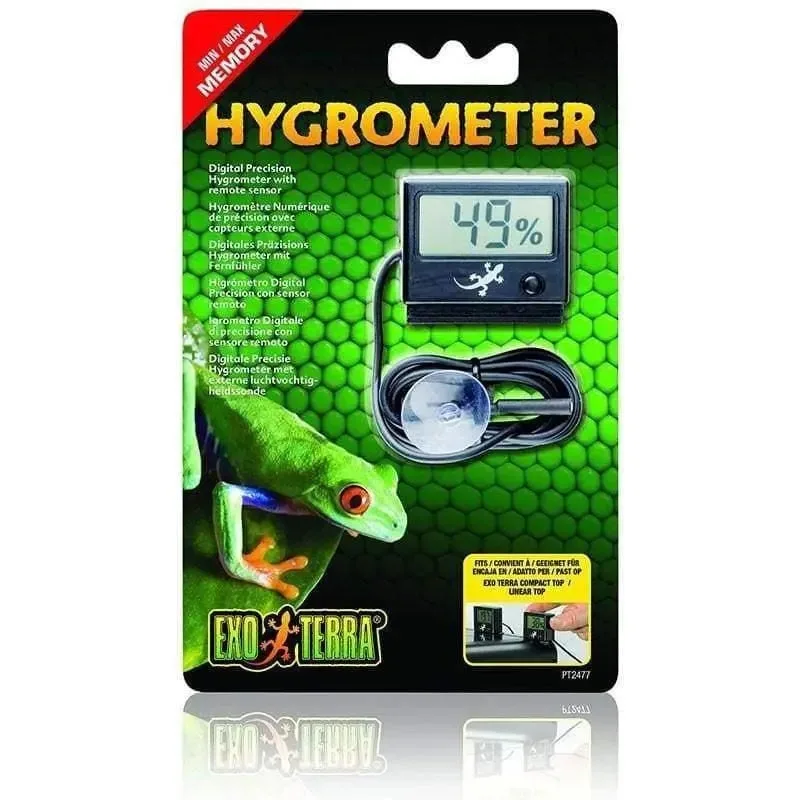
Image source: Bing (Web (fair-use with source credit))
How to Measure Humidity in a Reptile Enclosure
If you're wondering how to measure humidity in a reptile enclosure, the short answer is this: use a digital hygrometer with a probe, place it at the animal's level, and calibrate it regularly. Guessing at humidity levels is a gamble your reptile's health ultimately pays for.
The stakes are real. Reptile respiratory infections, stuck shed, and dehydration are frequently linked to humidity that's either too high or too low. Manufacturer specifications for most enclosure hygrometers claim an accuracy of ±5 percent relative humidity.
But in our research, that's only true if you calibrate the device and place it in the right spot. Let's walk through exactly how to do that.
Quick Answer
Use a digital hygrometer with a remote probe. Place the probe at the reptile's height inside the enclosure. Avoid direct contact with water bowls or misting nozzles.
Calibrate the device every two to four weeks using the salt test. Check readings at both the warm and cool ends of the tank.
Why Accurate Humidity Matters More Than You Think
Humidity seems simple until it's not. You can feel the air is damp or dry, but your reptile's skin is more sensitive than your fingertips. Species like crested geckos and chameleons need humidity at 60 to 80 percent to shed properly.
Desert species like bearded dragons and leopard geckos thrive at 30 to 50 percent. Get it wrong on either side, and problems start.
Respiratory infections are the most serious risk. Chronic low humidity dries out the mucous membranes, making it easier for bacteria to take hold. Chronic high humidity encourages mold and bacterial growth in the substrate.
Both scenarios are avoidable with a single $15 tool that you maintain properly.
The problem is that most people set up their hygrometer once and never check it again. Over time, the sensor drifts. Cheap analog models can be off by 15 to 20 percent after a few months.
That's not a minor error. That's the difference between a healthy tropical setup and a breeding ground for scale rot.
Choosing a Hygrometer You Can Actually Trust
Not all hygrometers are created equal. The market is full of affordable options, but some are genuinely worthless for reptile setups. Here is what you need to know.
Digital vs. Analog Hygrometers
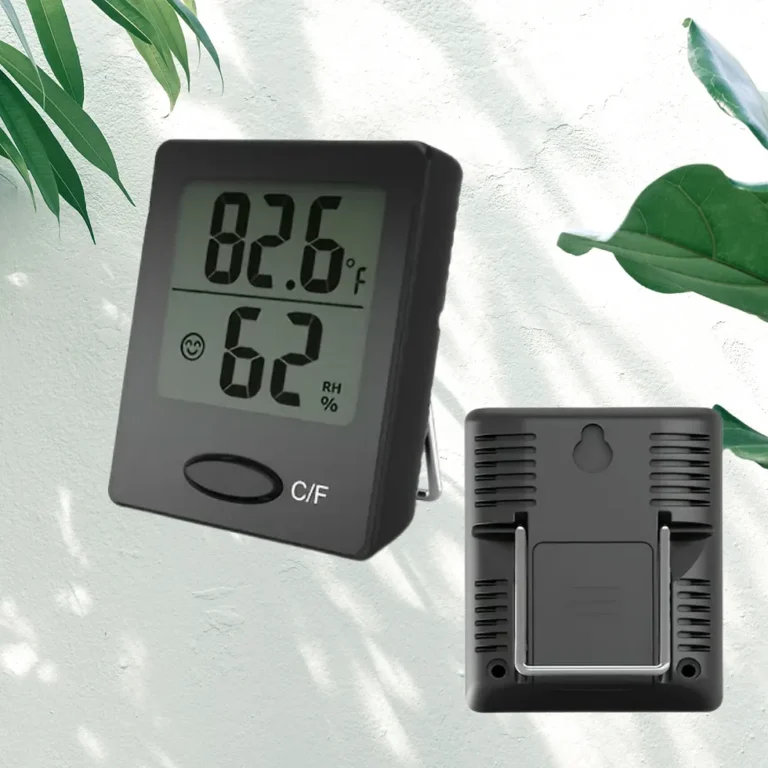
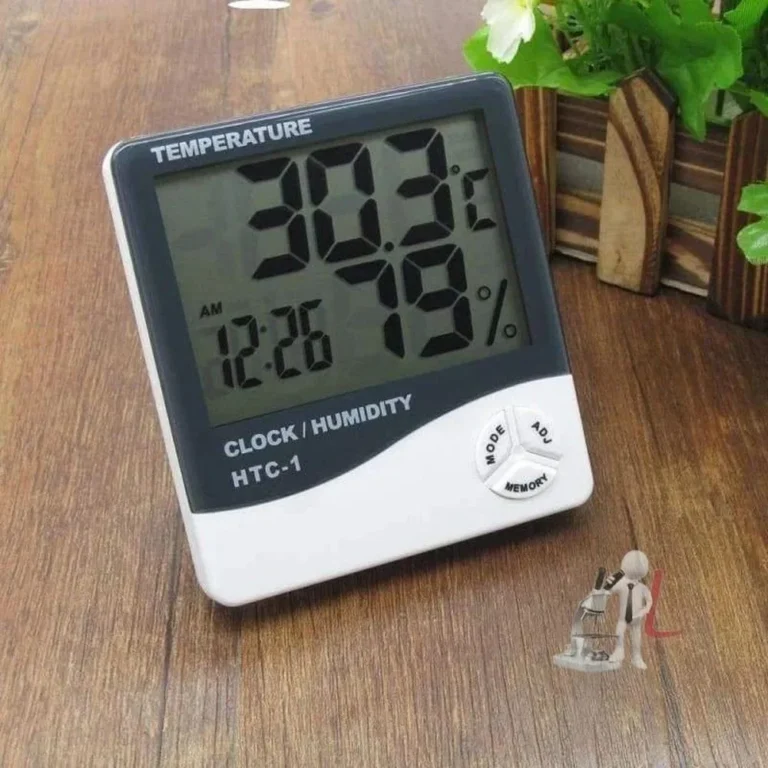
Digital hygrometers use an electronic sensor to measure relative humidity. Analog hygrometers rely on a mechanical coil or hair that expands and contracts with moisture. In our research, digital models consistently outperform analog ones in accuracy and consistency.
| Feature | Digital Hygrometer | Analog Hygrometer |
|---|---|---|
| Accuracy | ±3 to ±5% RH when calibrated | ±10 to ±20% RH common |
| Calibration | Possible with salt test | Rarely adjustable |
| Response time | Seconds to minutes | 10 to 30 minutes |
| Long-term drift | Gradual, predictable | Unpredictable |
| Cost | $8 to $25 | $5 to $15 |
| Best for | Any serious keeper | Quick visual reference only |
The honest truth? We would not recommend relying on an analog hygrometer as your primary tool. Use one as a secondary reference if you already own it, but budget for a digital upgrade.
Probe vs. All-in-One Sensors
A probe hygrometer has a small sensor on the end of a wire. The main unit sits outside the enclosure, and the probe goes inside. An all-in-one unit sits entirely inside the tank.
We prefer probe models for reptile enclosures. The reason is simple. The display unit stays outside, safe from humidity, heat, and curious reptiles.
The probe can be placed exactly where your animal spends most of its time. All-in-one units are fine for smaller enclosures, but the sensor can be damaged by misting or direct contact with the substrate.
What Accuracy Specs Actually Mean
Manufacturers list accuracy as a percentage, like ±5% RH. That means if the real humidity is 60 percent, the device might read anywhere from 55 to 65 percent. That's acceptable for general husbandry.
But anything beyond ±5 percent starts to introduce real risk.
When you see a hygrometer pack for $10 that includes two analog units, you are buying a gamble. Aggregate reviews of these packs report that individual units can vary by 20 percent or more from each other. You are better off spending $15 on a single digital hygrometer than $10 on a pack that is unreliable.
How to Measure Humidity Correctly in Your Enclosure
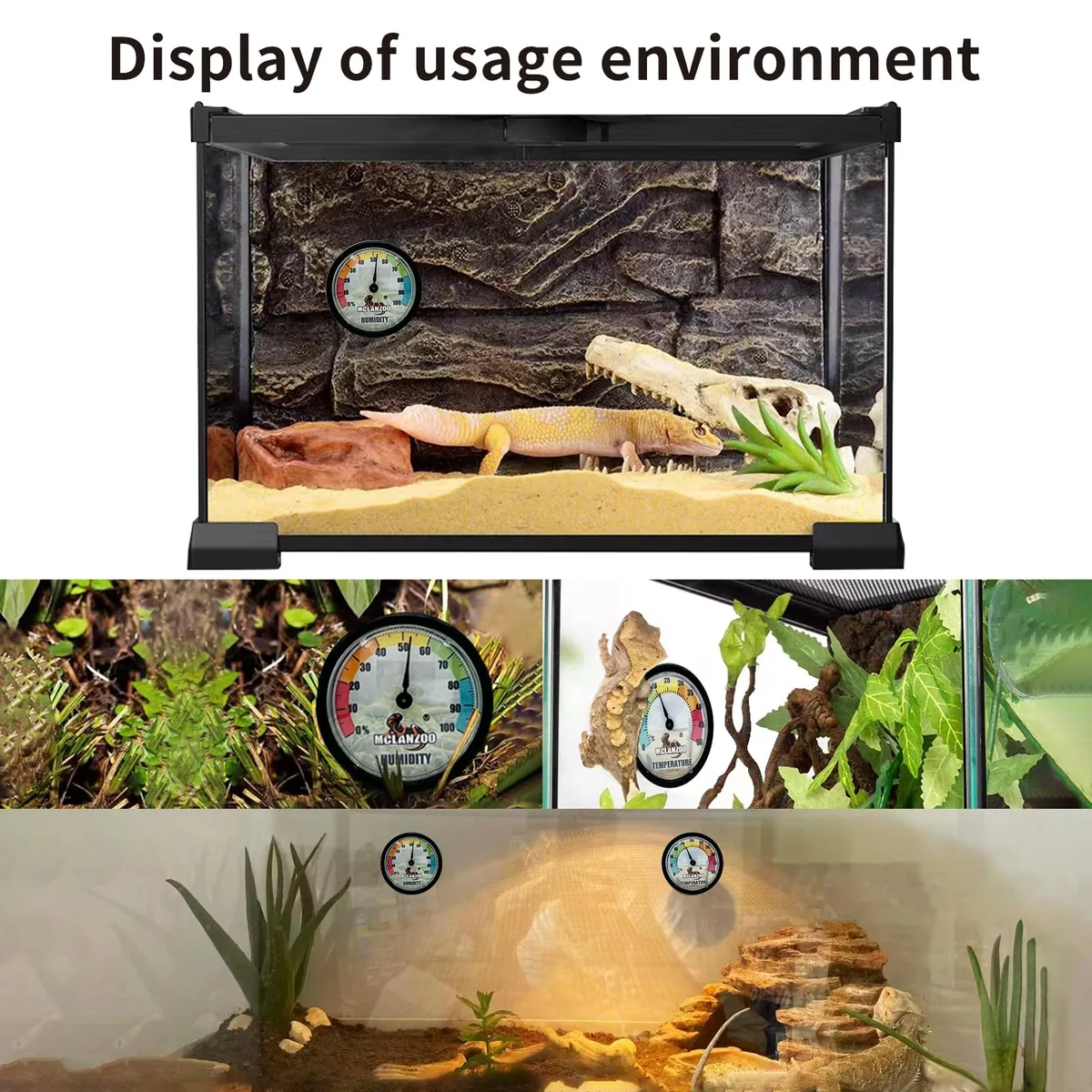
Image source: Bing (Web (fair-use with source credit))
Getting an accurate reading is not just about the tool. It is about where you put it and how you interpret the numbers. Here is the step-by-step process.
Step 1: Place the Sensor at the Right Height
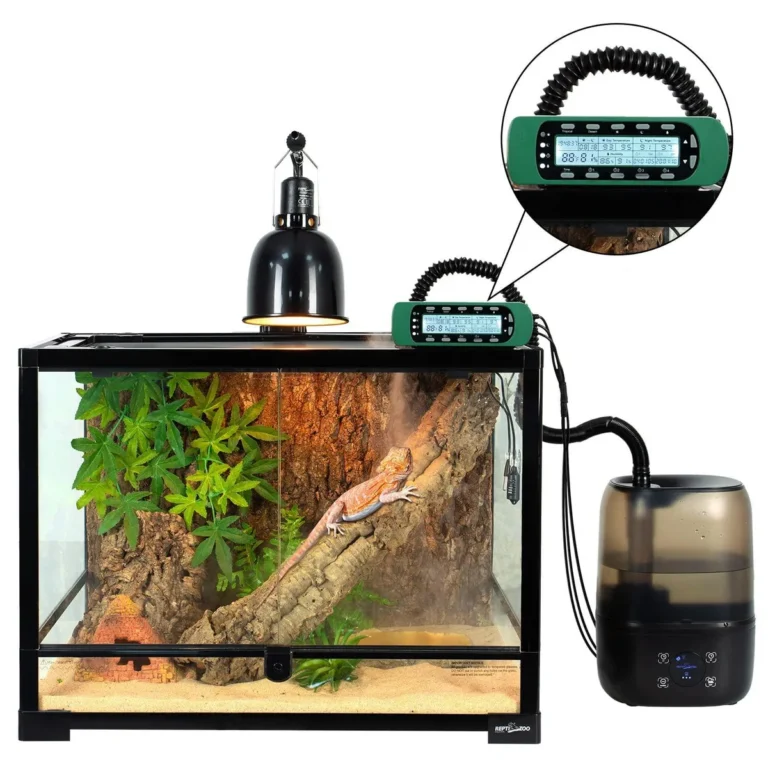
Place the probe or sensor at the height where your reptile lives. If you have a terrestrial species like a leopard gecko, place it an inch or two above the substrate. For arboreal species like a crested gecko, position it at the middle or upper third of the enclosure.
A reading taken at the top of the tank can be 10 to 15 percent lower than the reading at the bottom.
Step 2: Avoid Common Placement Mistakes
Never put the hygrometer directly under a heat lamp or near a water bowl. Heat lamps dry out the air around them, giving a false low reading. Water bowls create a localized high-humidity zone, giving a false high reading.
Place the sensor at least four inches away from any water source and away from direct airflow from vents.
Step 3: Measure the Humidity Gradient
Reptile enclosures have a humidity gradient, just like a temperature gradient. The warm end is usually drier. The cool end holds more moisture.
Measure both ends separately. Write down the readings. Your target range should apply to the area where your reptile chooses to spend most of its time.
Step 4: Check at the Right Time of Day
Humidity fluctuates naturally. It rises after misting and drops during the day as the heat lamp runs. Take a reading at the same time each day for consistency.
Also note the nighttime reading. Many tropical species need a significant humidity spike overnight to stay healthy.
Calibrating and Maintaining Your Hygrometer
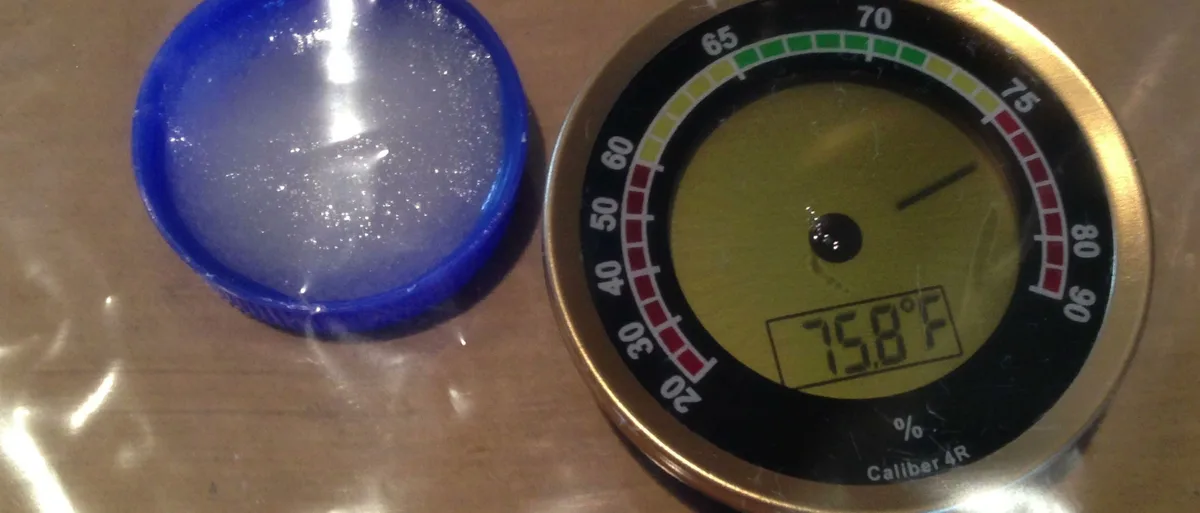
Image source: Bing (Web (fair-use with source credit))
Here is the thing most people skip. Calibration. A digital hygrometer is only as good as its last calibration.
Over weeks and months, the sensor drifts. Temperature changes, humidity exposure, and general wear all contribute. The fix is simple and costs nothing.
The Salt Test Calibration Method
This is the standard method used by reptile keepers and hobbyists. It works because table salt creates a stable 75 percent relative humidity environment when sealed in a container.
Here is what you need:
- A small, airtight container (a jar or ziplock bag)
- Table salt (not iodized salt with anti-caking agents)
- A few drops of distilled water
- Your hygrometer
Steps:
- Add a tablespoon of salt to the container.
- Add a few drops of distilled water. The salt should be damp, not dissolved.
- Place the hygrometer sensor inside the container. Do not let the sensor touch the salt directly.
- Seal the container tightly.
- Wait 6 to 12 hours.
- Check the reading. It should be exactly 75 percent.
If your hygrometer reads 75 percent, it is calibrated correctly. If it reads 72 percent, your device is reading 3 percent low. Adjust your future readings accordingly.
Some digital hygrometers have a calibration button. If yours does not, just note the offset and apply it mentally.
How Often to Calibrate
Calibrate every two to four weeks. If you notice your readings drifting between calibrations, increase the frequency. If you have a smart hygrometer with a calibration feature, follow the manufacturer's specific instructions.
Signs Your Sensor Needs Replacement
Even with calibration, sensors eventually fail. Signs include:
- Readings that jump wildly between checks
- A reading that stays stuck at one number no matter what you do
- Visible corrosion or damage to the probe
- Consistent drift of more than 8 percent from calibration
A sensor that fails the salt test by more than 10 percent is probably not worth keeping. Replace it. The cost of a new hygrometer is far less than a vet visit for a respiratory infection.
Matching Humidity to Your Reptile Species
You cannot measure humidity effectively without knowing what target you are aiming for. The numbers vary significantly by species. Here is a quick reference for the most common pet reptiles.
| Species | Daytime Humidity Range | Nighttime Spike | Notes |
|---|---|---|---|
| Bearded dragon | 30 to 40 percent | Up to 50 percent | Too high causes respiratory issues |
| Leopard gecko | 30 to 40 percent | Up to 50 percent | Provide a humid hide for shedding |
| Crested gecko | 60 to 80 percent | 80 to 100 percent | Must drop to 60 percent during the day |
| Chameleon | 50 to 70 percent | 80 to 100 percent | Requires good ventilation with high humidity |
| Ball python | 50 to 60 percent | 70 to 80 percent | Essential for healthy shedding |
| Red-eared slider | 70 to 80 percent | 80 to 90 percent | Aquatic species, but basking area matters |
Desert Species: When Lower Is Better
Desert reptiles do not need dry air constantly. They need a dry environment with occasional access to higher humidity. A humid hide is a small enclosed space with damp substrate that creates a microclimate.
This is more important than raising the overall enclosure humidity.
If your desert species hygrometer reads above 50 percent during the day, you have a problem. Increase ventilation. Move the water bowl to the cool end.
Reduce misting.
Tropical Species: When Higher Is Non-Negotiable
Tropical reptiles need sustained high humidity. The problem is that high humidity plus poor ventilation equals mold. If your hygrometer reads 80 percent but the enclosure smells musty or shows condensation on the glass, you need more airflow.
A small computer fan in the enclosure lid can solve this.
Adjusting for Night and Seasons
Humidity naturally rises at night in most enclosures. That is fine. Tropical species actually need that spike.
But if your daytime humidity does not drop back to the target range, you risk bacterial growth. Monitor both day and night readings for at least a week to understand your enclosure's natural cycle.
Seasonal changes affect humidity too. Winter heating systems dry out rooms. Summer humidity can raise the baseline.
Adjust your misting schedule accordingly. A hygrometer is useless if you ignore the seasonal context.
Common Humidity-Measurement Mistakes to Avoid
Even with a good hygrometer, small errors in placement or interpretation can ruin your readings. Here are the most common problems we see and how to fix them.
Mistaking Substrate Moisture for Ambient Humidity
This is the number one mistake. People touch the substrate, feel moisture, and assume the air is humid enough. But substrate moisture and ambient humidity are completely different measurements.
Wet substrate does not automatically mean the air is at 70 percent RH. Dry air actually pulls moisture from the substrate faster than damp air does. Always measure the air, not the ground.
Place your sensor away from the substrate surface.
Letting Condensation Skew Your Readings
Condensation on the glass or the hygrometer sensor causes false high readings. Water droplets on the sensor make it think the air is saturated. If you see condensation inside the enclosure, you are likely above the target range for most species.
Wipe the sensor dry before taking a reading. Better yet, address the condensation problem first. Increase ventilation or reduce misting until the glass clears.
Measuring Only One Spot
A single reading tells you almost nothing about the full enclosure. The warm end and cool end can differ by 10 to 15 percent RH. Your reptile moves between these zones throughout the day.
If you only measure the cool end, you might miss a dangerously dry basking area. Measure both ends. Record both numbers.
Know the full gradient.
Ignoring the Nighttime Spike
Many keepers check humidity once during the day and call it done. But nighttime humidity is just as important. Tropical species rely on a significant humidity spike overnight to stay hydrated.
If your daytime reading is 70 percent but your nighttime reading drops to 40 percent, you have a problem. Set a reminder to check the hygrometer two hours after the lights go out.
Frequently Asked Questions
Can I use a thermometer with a humidity display?
Yes, but only if the humidity sensor is separate from the thermometer probe. Many all-in-one units combine temperature and humidity in a single sensor. That works fine.
But some cheap thermometers list a humidity reading without actually having a sensor for it. Check the product description. If it does not mention an RH sensor, do not trust the number.
How often should I calibrate my hygrometer?
Calibrate every two to four weeks using the salt test method. If you notice your readings drifting between calibrations, increase the frequency. Sensors in high-humidity enclosures drift faster.
A digital hygrometer that fails the salt test by more than 10 percent should be replaced entirely.
Do I need a hygrometer if I mist manually?
Yes. Manual misting without a hygrometer is guessing. You might overshoot or undershoot the target range consistently.
Use the hygrometer to guide your misting schedule. If the reading is already at 70 percent, you do not need to mist again. If it is at 40 percent, you know exactly how much to add.
What is the fastest way to raise or lower humidity?
To raise humidity, mist the enclosure with a spray bottle or use a fogger. To lower humidity, increase ventilation by opening the lid or adding a small fan. Moving the water bowl to the cool end also helps.
Adjustments take effect within 15 to 30 minutes. Monitor the hygrometer as you go.
Why does my hygrometer reading change throughout the day?
Humidity fluctuates naturally with temperature and activity. Heat lamps dry the air. Misting raises it.
Your reptile's breathing adds moisture. These changes are normal. The key is knowing your target range and ensuring the enclosure stays within it for most of the day.
Track the pattern for a week to understand your enclosure's cycle.
The Bottom Line: Measure First, Adjust Second
Accurate humidity measurement is not complicated. It just requires the right tool, the right placement, and a little discipline. Use a digital hygrometer with a probe.
Calibrate it every few weeks. Measure both the warm and cool ends. Check day and night readings.
Once you know exactly where your humidity sits, you can make adjustments with confidence. Mist less. Ventilate more.
Add a humid hide. Every change becomes intentional instead of hopeful.
The cost of a reliable hygrometer is under $20. The cost of a reptile respiratory infection or a stuck shed is much higher. Invest in the tool.
Follow the process. Your reptile will thank you in the form of clean sheds, active behavior, and fewer vet visits.
If you ever notice consistent health issues like wheezing, open-mouth breathing, or incomplete shedding, consult a reptile veterinarian. The Association of Reptilian and Amphibian Veterinarians (ARAV) maintains a directory of qualified specialists. Humidity is a critical piece of the puzzle, but it is not the only one.
Accurate measurement gives you the data you need to make the right call.