Can a Dehumidifier Drain Into a Floor Drain
Can a dehumidifier drain into a floor drain? Yes, it can, but the setup has to be done right. Most homeowners can connect a dehumidifier to a nearby floor drain for continuous, hands-off operation.
The key is understanding whether your unit uses gravity drainage or a built-in pump.
Manufacturer specifications indicate that gravity drain models require a downward slope of at least 1/4 inch per foot of hose. As of 2026, many portable dehumidifiers include a standard 3/8-inch drain hose connection. Let's walk through what you need to know before hooking it up.
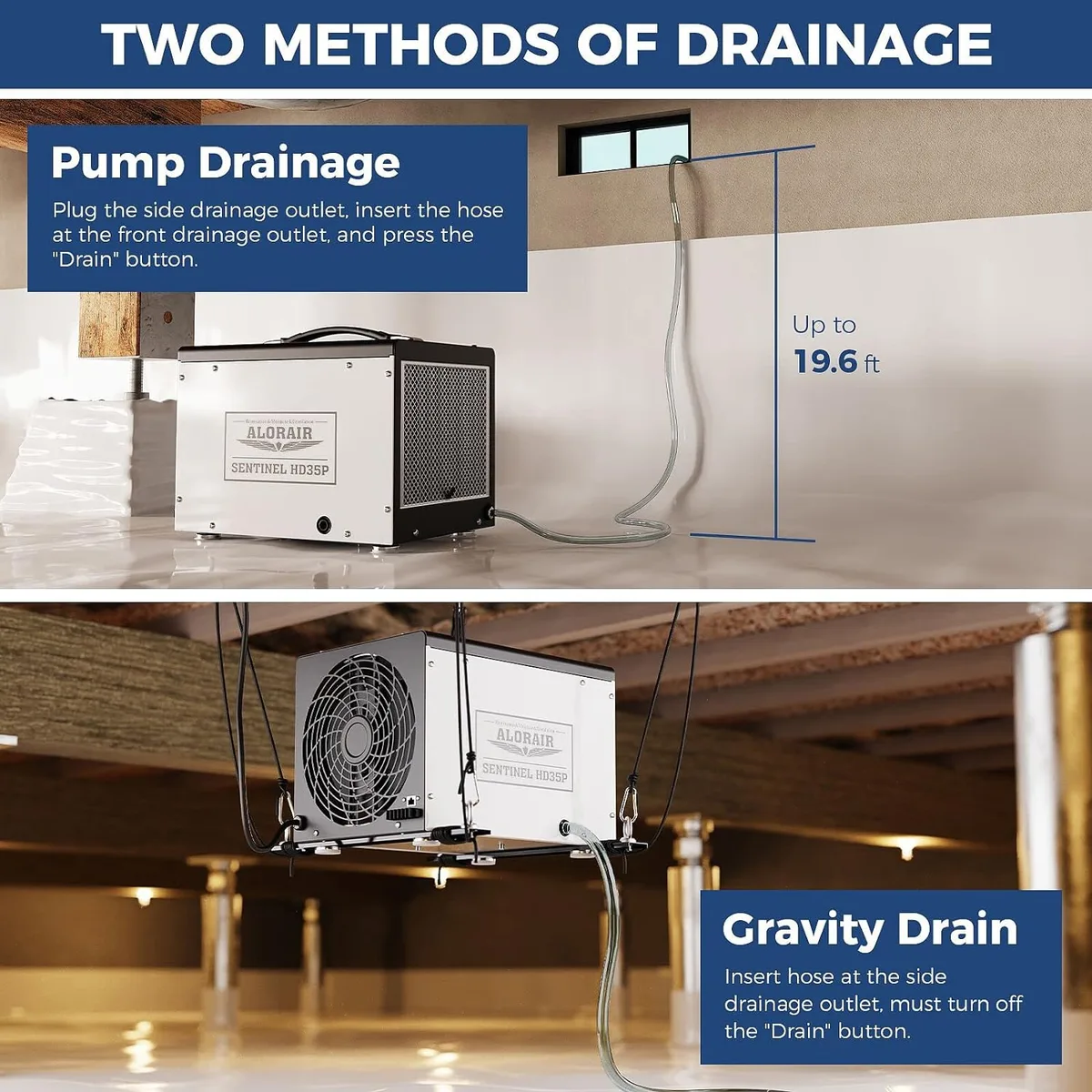
Image source: Bing (Web (fair-use with source credit))
Quick Answer
Yes, you can drain a dehumidifier into a floor drain. Gravity drain models need the unit above the drain. Pump models can push water uphill.
An air gap is required to prevent backflow. Check local plumbing codes before you start.
Gravity Drain vs. Pump Drain: Which One Do You Have?
Not all dehumidifiers drain the same way. The difference between a gravity drain and a pump drain determines how you connect to your floor drain. Get this wrong, and you risk flooding your basement.
Gravity drain models rely on plain downward slope. Water flows out of the hose on its own. This only works if the dehumidifier sits higher than the drain opening.
The hose has to run downhill the whole way with no low spots. Most portable dehumidifiers under $300 are gravity drain models. They are simpler and have fewer parts that can break.
Pump drain models use a small internal pump. The pump pushes water upward through a hose. This lets you place the dehumidifier below the drain level.
You can run the hose up a wall and across a ceiling. Pump models cost more. They also make a slight humming noise when the pump runs.
Here is a quick comparison:
| Feature | Gravity Drain | Pump Drain |
|---|---|---|
| Unit placement | Must be above drain | Can be below drain |
| Hose routing | Downhill only | Up, down, or sideways |
| Noise | Silent (no pump) | Humming during pump cycles |
| Cost | Lower (built-in) | Higher (adds $50–$100) |
| Maintenance | Less (no pump to fail) | More (pump can clog) |
Which one do you have? Check the back of your dehumidifier. Look for a threaded drain outlet near the bottom. If it is a plain hose barb, it is gravity.
If there is a separate, slightly larger port labeled "pump" or "condensate pump," you have a pump model. Many units include both options. You can use either method depending on your setup.
For a gravity setup, you need the dehumidifier on a stand or table. The floor drain must be within reach of a downhill hose run. For a pump setup, you can tuck the unit in a corner and run the hose to the drain.
Pump models are the better choice for finished basements where you want the unit out of sight.
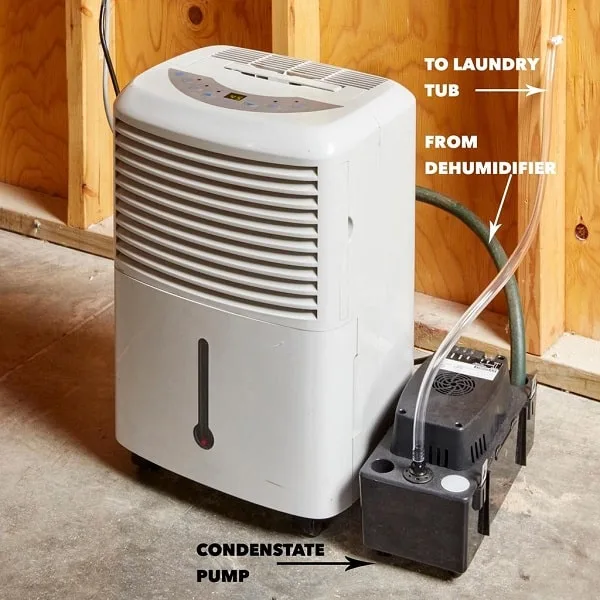
Image source: Bing (Web (fair-use with source credit))
The Air Gap Rule (Don't Skip This)
This is the most important safety step. The air gap rule prevents dirty water from flowing back into your dehumidifier. It also stops sewer gas from entering your home.
What is an air gap? It is a simple break in the hose. The hose end hangs above the drain opening. It does not touch the water or the drain pipe.
Air flows freely between the hose end and the drain. This gap is usually 1 to 2 inches.
Why does it matter? Floor drains connect to the sewer line. Sewer gas contains methane and hydrogen sulfide. If you submerge the hose end in the drain, gas can travel up the hose into your home.
Also, if the drain backs up, dirty water can siphon backward into your dehumidifier. That is a contamination risk.
How to create an air gap. Run the hose to the floor drain. Let the end hang 1 to 2 inches above the grate. Do not tape it in place.
Do not push it into the pipe. Just let it sit loosely. Some building codes require a visible air gap.
The International Residential Code (IRC) specifies air gaps for condensate drains in Section M1411.3.
What if the drain is covered? You can remove the grate. Or you can prop the hose up with a small block. The key is that the hose end stays above the water level.
Never seal the hose into the drain. That is a code violation and a health hazard.
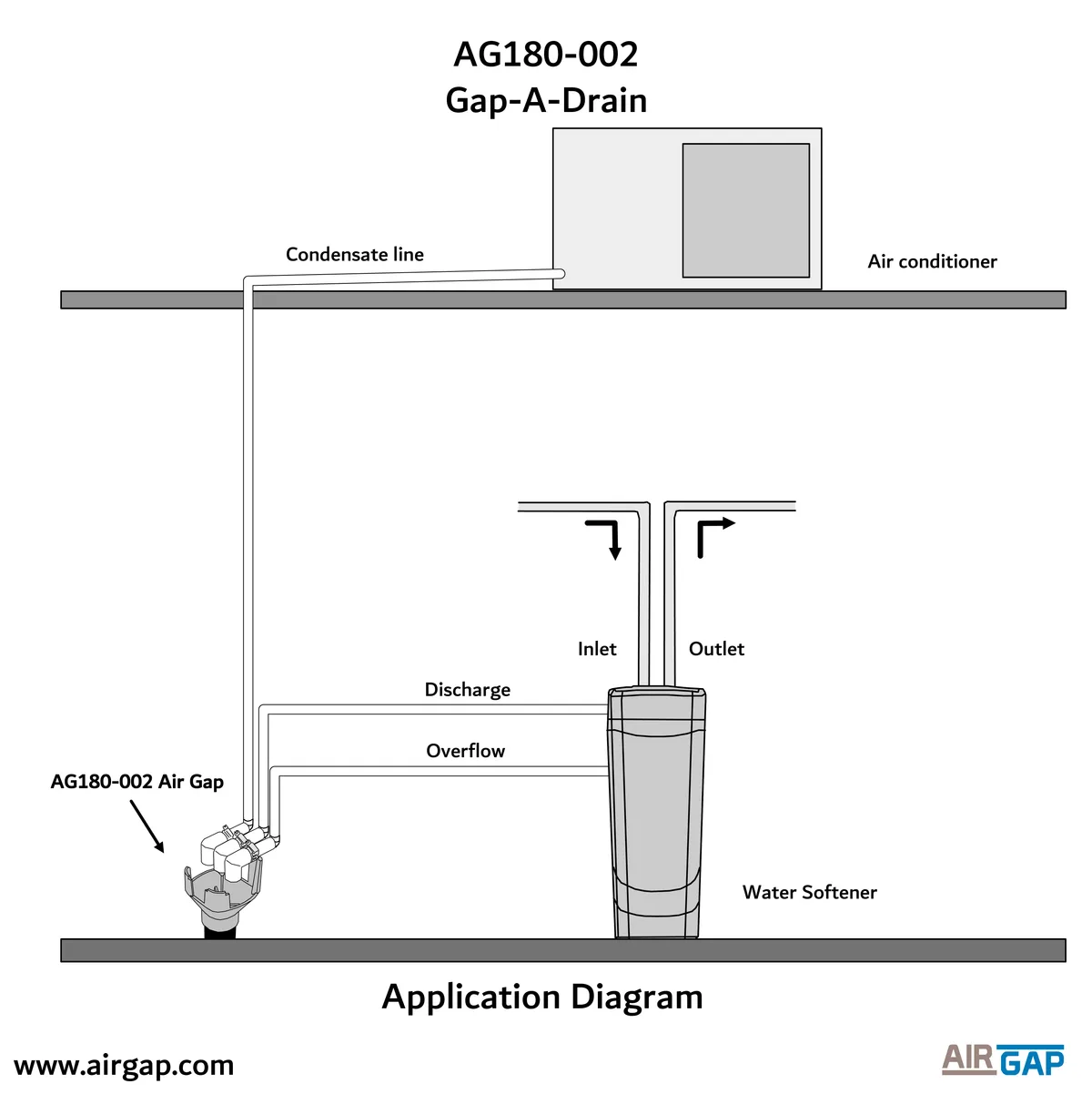
Image source: Bing (Web (fair-use with source credit))
Step-by-Step: How to Safely Run a Hose to a Floor Drain
Follow these steps to set up a safe, reliable drain connection. The process works for both gravity and pump models.
1. Check the floor drain. Look for clogs or standing water. Pour a bucket of water down the drain.
If it drains slowly, you need to clear it first. A clogged drain can cause backups.
2. Measure the distance. Find the straightest path from the dehumidifier to the drain. For gravity drains, the hose must go downhill.
Measure the drop from the dehumidifier outlet to the drain. You need at least 1/4 inch of drop per foot of hose.
3. Choose the right hose. Use a standard vinyl garden hose or a dedicated drain hose. Avoid using a hose that is too long.
Excess hose creates low spots where water can pool. Pooling water leads to mold and clogs. Stick to the minimum length needed.
4. Connect the hose. Thread the hose onto the dehumidifier drain outlet. Hand-tighten the fitting.
Do not overtighten. For gravity models, the hose just pushes onto the barb. Use a hose clamp if the fit is loose.
5. Route the hose. Keep the hose straight and downhill. Avoid kinks and sharp bends.
For pump models, you can go up and over an obstacle. For gravity models, every inch of hose must slope downward. If the hose dips, water collects in the low spot.
That stops the flow.
6. Create the air gap. Let the hose end hang 1 to 2 inches above the drain. Do not submerge it.
Use a zip tie or a small weight to hold it in place. Make sure it cannot fall into the drain.
7. Test the system. Turn on the dehumidifier. Watch the water flow.
Wait for the first drain cycle. Check for leaks at the hose connection. Verify the air gap stays clear.
Run the unit for a few hours before leaving it unattended.
8. Secure the hose. Use tape or clips to hold the hose in place. This prevents tripping.
It also stops the hose from moving out of the drain during use.
5 Common Mistakes That Cause Flooding or Mold
Setting up a floor drain connection is not hard. But small errors can lead to big problems. Here are the most common mistakes we see in aggregate reviews.
1. No air gap. This is the number one mistake. People push the hose into the drain pipe.
That creates a direct path for sewer gas. It also allows backflow into the dehumidifier. Always keep the hose end above the drain.
2. Low spots in the hose. A hose that dips below the drain level creates a trap. Water collects in the low spot.
Algae and mold grow inside the hose. The clog blocks the flow. The bucket overflows.
Run the hose in a straight line with no dips.
3. Running the hose too far. Gravity drains lose effectiveness over distance. A 20-foot hose run with a 1-inch drop per foot works fine.
A 50-foot run with a 2-inch drop may not flow. Keep gravity runs under 15 feet when possible. Use a pump for longer runs.
4. Ignoring pump maintenance. Pump models have a small filter and a float switch. The filter traps dust and debris.
If it clogs, the pump stops working. The unit switches to bucket mode. Then the bucket overflows.
Clean the pump filter every month during heavy use.
5. Using a hose that is too small. The standard drain outlet is 3/8 inch. Some people use a 1/4-inch hose from a refrigerator.
That is too small. The water cannot flow fast enough. The bucket fills up.
Always use the hose size recommended by the manufacturer.
When a Floor Drain Isn't an Option — Your Best Alternatives
Sometimes a floor drain isn't available. Maybe your basement doesn't have one. Maybe it's too far away.
Don't worry. You have other options.
Use a laundry sink. The same gravity drain setup works here. Just run the hose to the sink and let it hang over the edge. Use an air gap here too.
The sink drain handles the water.
Use a sump pump pit. If you have a sump pump, you can run the hose into the pit. The sump pump will handle the water. Use an air gap here as well.
This is a common setup in finished basements.
Use a condensate pump. If nothing is nearby, buy a separate condensate pump. It sits on the floor next to the dehumidifier. The dehumidifier drains into the pump.
The pump pushes water up to a distant drain. This is a reliable solution for tricky layouts.
Empty the bucket. It's not automatic, but it works. Set a reminder to check the bucket every day. This is the simplest option.
It's also the one that requires the most attention.
Frequently Asked Questions
Can I run the drain hose into the floor drain pipe itself?
No. The hose end must stay above the drain opening. Pushing it into the pipe creates a direct path for sewer gas and backflow.
Always use an air gap.
Do I need a pump if my floor drain is lower than the dehumidifier?
No. If the drain is lower, gravity works fine. You only need a pump when the dehumidifier sits below the drain level or when the hose must go uphill.
How often should I clean the drain hose?
Clean it every three months during heavy use. Algae and mold can grow inside the hose. A clogged hose stops the flow.
Use a pipe cleaner or flush with vinegar.
Will a floor drain backup affect my dehumidifier?
Not if you use an air gap. The gap prevents dirty water from siphoning back into the unit. Without an air gap, a backup can contaminate your dehumidifier.
What size hose do I need for a gravity drain?
Most dehumidifiers use a 3/8-inch drain hose. Check your owner's manual for the exact size. Using a smaller hose restricts flow and causes overflow.
Can I use a garden hose for the drain?
Yes, a standard 3/4-inch garden hose works with an adapter. Many dehumidifiers come with a threaded fitting for garden hoses. Just make sure the connection is tight.