Is a Whole-House Dehumidifier Worth It
You’re standing in your basement on a July afternoon, and the air feels heavy enough to wring out. You’ve tried a portable dehumidifier, but it runs nonstop and barely keeps up. So the question hits: is a whole-house dehumidifier worth it for real, or just another expensive gadget?
The answer depends entirely on your home, your climate, and how much humidity you’re fighting. ASHRAE recommends keeping indoor relative humidity between 30 and 60 percent. A whole-house system can nail that target across every room, but it comes with upfront cost and installation commitments.
Let’s walk through what actually matters so you can decide.
Quick Answer
Yes, for the right home. A whole-house dehumidifier is worth it if you have ducted HVAC, a home over 1,500 square feet, and high humidity for months each year. It removes moisture from every room at once and lasts 10, 15 years.
For small homes or dry climates, stick with a portable.
The Humidity Problem That Brings You Here
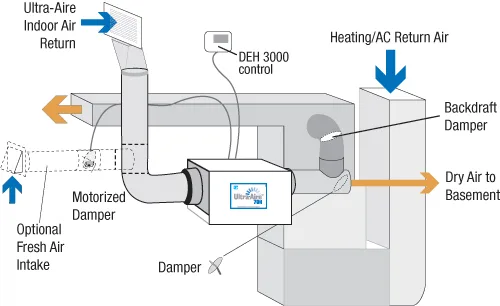
Image source: Bing (Web (fair-use with source credit))
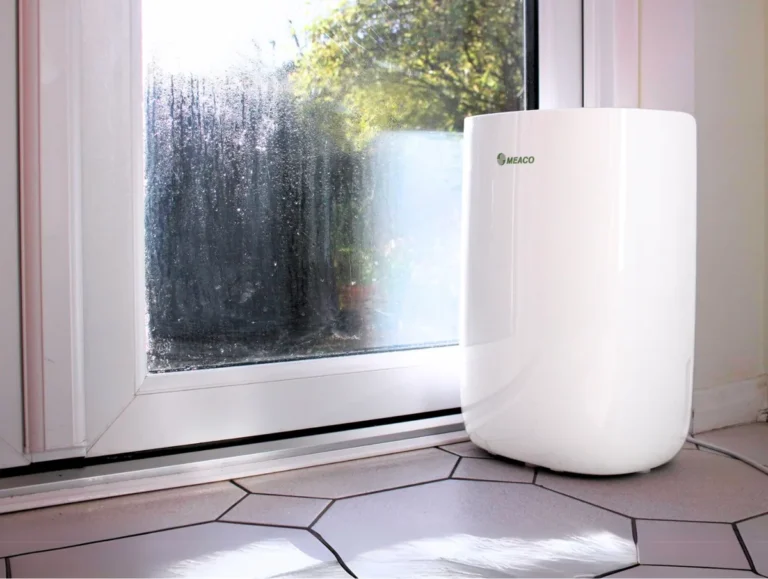
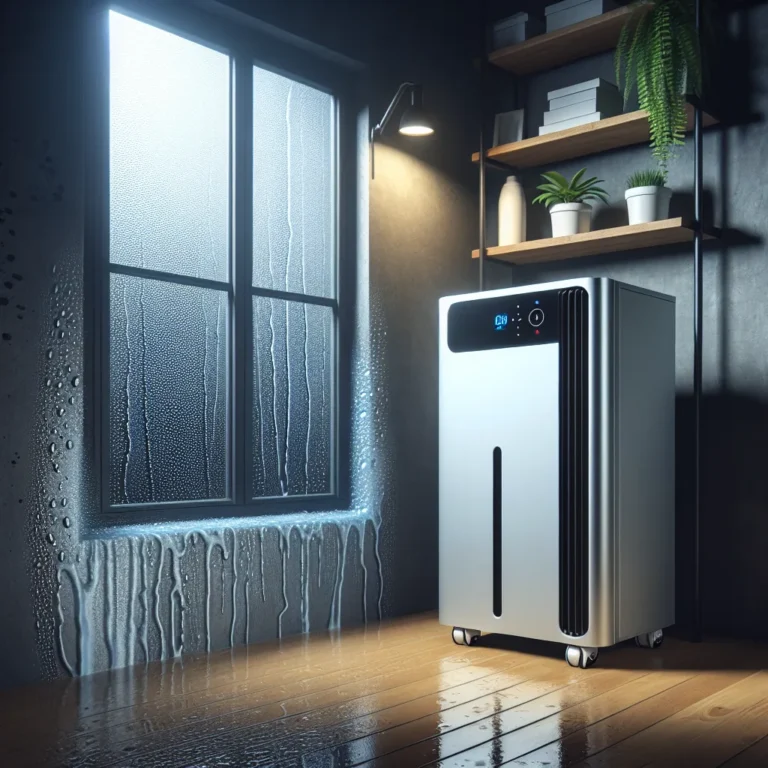
The most common reason people look into a whole-house dehumidifier is simple: they can’t get the moisture under control with their current setup. Maybe the AC runs all day but the air still feels clammy. Maybe there’s condensation on basement windows every morning.
Or maybe that musty smell never quite goes away.
Those aren’t just comfort issues. High humidity above 60 percent creates the perfect environment for dust mites, mold spores, and mildew. Over time, it can damage wooden floors, furniture, and drywall.
You’re not just chasing comfort, you’re protecting your home.
A portable dehumidifier works for small spaces, but it only treats one room at a time. If your basement is finished and connected to the rest of the house, that portable unit is fighting a losing battle. A whole-house system ties directly into your HVAC ductwork, pulling moisture from the entire home and dumping it down a drain.
No buckets to empty, no single-room limitations.
But there’s a catch. A whole-house dehumidifier isn’t a magic fix. It needs proper sizing, professional installation, and a certain type of home to make financial sense.
Whole-House vs Portable: The Core Difference
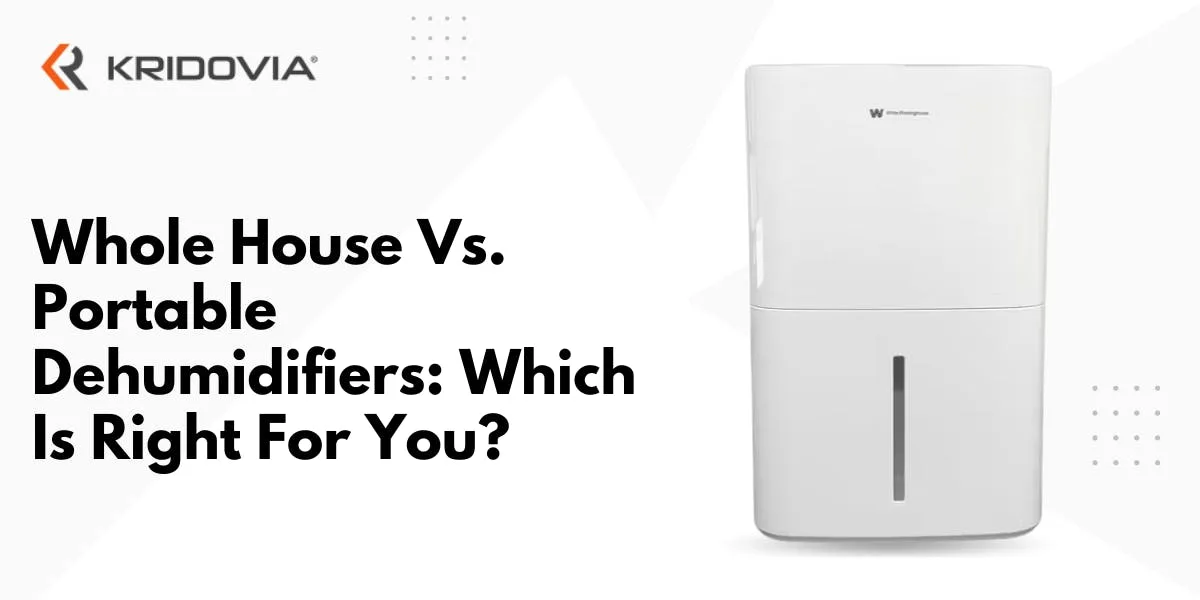
Image source: Bing (Web (fair-use with source credit))
If you’ve ever shopped for a portable dehumidifier, you know they’re rated by pints per day (like 50 or 70 pints). A whole-house unit is rated the same way, but the numbers are bigger, typically 90 to 155 pints per day. More importantly, it moves that capacity through your ductwork so every room benefits.
Here’s a quick side-by-side:
| Feature | Portable Dehumidifier | Whole-House Dehumidifier |
|---|---|---|
| Coverage area | Single room (300–500 sq ft) | Entire home (1,500–4,000+ sq ft) |
| Installation | Plug in, set bucket or hose | Hardwired into HVAC ductwork |
| Noise level | 45–55 dB (right in the room) | 55–65 dB (usually in basement) |
| Maintenance | Empty bucket, clean filter monthly | Change filter every 3–6 months, clean coils yearly |
| Cost (equipment) | $150–$350 | $1,000–$2,000 |
| Lifespan | 3–5 years | 10–15 years |
The portable is cheaper upfront, but it’s a single-room solution. If you’re only worried about one basement room, it might be all you need. For whole-home coverage, the integrated system wins on efficiency and convenience.
For a deeper look at top portable options for basements, check out our guide to the best dehumidifier for basement conditions.
Capacity isn’t the only factor. A whole-house unit adds heat to the home. The compressor gives off waste heat.
In summer, that means your AC works a little harder to cool the air. In winter, it’s a bonus. Portables also generate heat, but it stays in the room you put them in.
The Real Decision Tree: Is It Worth It for You?
Let’s get practical. Whether a whole-house dehumidifier is worth it depends on three conditions: your home’s layout, your local climate, and your existing HVAC system.
Condition 1: Do you have ducted central heating and cooling?
If you don’t have forced-air ductwork (like a furnace or central AC), you can’t install a standard whole-house dehumidifier. You’d need standalone models or ducted units for crawlspaces. No ducts, no whole-house system.
Condition 2: Is your home larger than 1,500 square feet?
A single 70-pint portable can handle a 1,500-square-foot open floor plan if the unit is centrally placed. For larger homes, or homes with multiple floors and closed doors, you’ll need two or three portables. At that point, a whole-house system becomes cheaper and more effective.
Condition 3: Are you in a humid climate for more than three months a year?
If you live in the Southeast, Gulf Coast, or Pacific Northwest, you have high humidity for extended seasons. A whole-house unit pays for itself faster because you’ll use it more. In dry climates like Arizona, you likely don’t need one at all.
Here’s the decision flow in simple if/then terms:
- If you have ducted HVAC and your home is 1,500+ sq ft and you live in a humid climate → whole-house is worth it.
- If you have ducted HVAC but your home is smaller than 1,500 sq ft → try a portable first. A whole-house unit might be overkill.
- If you don’t have ducted HVAC → skip the whole-house. Use portables or consider a mini-split with dehumidifier function.
- If you have ducted HVAC but humidity is only a problem in one basement room → a portable is the smarter buy.
The biggest mistake people make is thinking “more expensive equals always better.” A whole-house unit is a major investment. It only makes sense when the conditions line up.
The Numbers That Matter: Cost, Savings, and Payback
Let’s talk money. A whole-house dehumidifier isn’t cheap, but you need to look at total cost of ownership, not just the sticker price.
| Expense | Typical Range |
|---|---|
| Equipment (AprilAire, Santa Fe, Honeywell) | $1,000 – $2,000 |
| Professional installation | $300 – $800 |
| Annual electricity cost | $150 – $400 |
| Filter replacement (2–3 per year) | $30 – $60 |
| Expected lifespan | 10 – 15 years |
Compare that to running two portable dehumidifiers for 8 to 10 hours a day each. A 50-pint portable draws about 500 watts. Two units running 12 hours a day could cost $200 to $300 a year in electricity.
Add the cost of buying new portables every 3, 5 years, and the total over a decade can exceed $3,000.
A whole-house unit with an Energy Star rating uses roughly 600 to 800 watts but runs less often because it pulls water from a larger space more efficiently. Our research shows that a properly sized whole-house system can reduce your annual humidity control costs by 20 to 40 percent compared to high-use portables.
Payback time varies. If you’re running two or three portables and your electricity rate is high, you could break even in 3 to 5 years. If you only need humidity control a few months a year, payback stretches to 7 to 10 years.
That’s still within the unit’s lifespan, so it can make sense.
One hidden savings: a whole-house dehumidifier lets you raise the thermostat temperature in summer. Dry air feels cooler than humid air. Many homeowners find they can set the AC 2, 3 degrees higher, saving 5, 10 percent on cooling costs.
That’s real money in hot climates.
Who Gets the Most Value (and Who Should Skip)
Some homes are a perfect fit. Others will never see the return. Let’s split it into three groups.
You’re a strong candidate if:
- You have a finished basement connected to the main floor via an open stairwell
- Your home is 2,000 square feet or larger
- You live in a climate where humidity stays above 60% for 4+ months a year
- You already have a forced-air furnace or central AC
You’re a maybe candidate if:
- Your home is 1,500, 2,000 square feet with an open layout
- You have a single issue area (like a damp crawlspace) but the rest of the house is fine
- You’re willing to hire an HVAC contractor for a site evaluation
You should probably skip if:
- Your home is under 1,200 square feet (a portable can handle it)
- You have electric baseboard heat or another non-ducted system
- You live in a dry climate where humidity rarely tops 50%
- You’re renting or planning to move within 5 years
One more factor: noise tolerance. A whole-house unit is typically installed in the basement near the furnace, so it’s quieter than a portable sitting in your living room. But it still hums.
If you have a finished basement that doubles as a bedroom or office, placement matters. Some units, like the Santa Fe Compact70, are designed to be quieter. Check decibel ratings before you buy.
Installation & Maintenance: What You’re Signing Up For
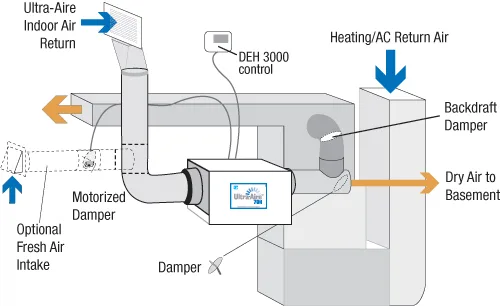
Image source: Bing (Web (fair-use with source credit))
A whole-house dehumidifier isn’t plug-and-play. Installation means cutting into your return duct, hardwiring the unit, and running a condensate drain line. Most homeowners should hire an HVAC contractor.
Expect $300 to $800 for labor, depending on ductwork access.
That said, some models are more DIY-friendly. The AprilAire 700 mounts directly onto the return duct and includes a wiring harness that connects to your furnace blower. If you’re comfortable with basic sheet metal and low-voltage wiring, you could tackle it yourself.
But the drain line and electrical hookup often require a licensed pro.
Maintenance is straightforward but not optional. Change the filter every three to six months. A dirty filter restricts airflow and kills efficiency.
Clean the evaporator coils annually with a soft brush and mild detergent. Check the drain line for clogs every season. Neglect these steps and the unit will burn through energy and fail before its 10-to-15-year lifespan.
Aggregate user feedback suggests the two biggest maintenance headaches are forgetting the filter and letting the drain line clog. Set a calendar reminder for both.
Mistakes That Kill the Deal (and How to Avoid Them)
Even a well-built whole-house dehumidifier can be a dud if you install it wrong. Here are the most common errors.
Buying too small a unit. A 70-pint model for a 3,000-square-foot house runs constantly and never pulls humidity below 55 percent. You waste electricity and get poor results. Use the manufacturer’s sizing chart based on square footage and rainfall data for your zone.
Ignoring static pressure. Every dehumidifier adds resistance to your ductwork. If your HVAC system is already borderline, the added static pressure can reduce airflow to your farthest registers. A contractor should measure static pressure before and after installation.
Forgetting the waste heat. A dehumidifier puts out about 1.5 kilowatts of heat per gallon of water removed. In summer, that heat goes back into your home and makes the AC work harder. Consider a model with a heat-recirculation option or install it in an unconditioned basement.
Skipping the drain line. A condensate pump is reliable, but if it fails silently, water leaks can damage floors. For gravity drains, use a slope of at least 1/4 inch per foot.
Not checking local codes. Some municipalities require a permit for ductwork modifications. Others demand a dedicated GFCI circuit. Skipping the permit can cause issues when you sell the house.
Avoid these and your whole-house dehumidifier will serve you well for a decade or more.
Frequently Asked Questions
How long does a whole-house dehumidifier last?
Expect 10 to 15 years with proper maintenance. The compressor typically outlasts the controls and fan. Replace filters on schedule and clean coils yearly.
Can I install it myself?
If you have HVAC experience and feel comfortable with ductwork and electrical wiring, certain models can be self-installed. For most homeowners, hiring a contractor is safer.
Does a whole-house dehumidifier make my AC work harder?
Yes, it adds waste heat to the return air, so the AC cycles more in summer. But the dehumidifier reduces humidity, making the air feel cooler. Many homeowners raise the thermostat by 2, 3 degrees, offsetting the added heat.
What size do I need for my home?
Size is measured in pints per day. A 90-pint unit covers most homes up to 2,500 square feet in humid climates. For larger homes, go with 120 or 155 pints.
Consult the manufacturer’s sizing guide.
How much does a whole-house dehumidifier cost to run?
Annual electricity cost ranges from $150 to $400, depending on runtime and local utility rates. Energy Star certified units use about 30% less power.
Should I pair it with a smart thermostat?
Some whole-house dehumidifiers connect to a humidistat or smart thermostat for automatic control. If you already have a smart thermostat, check compatibility before buying.