How Long Should a Dehumidifier Run
Wondering how long should a dehumidifier run? You're not alone. Most people guess, and that guess usually leads to either a damp basement or a higher electric bill.
The good news is there's a straightforward way to dial in the right run time for your space.
Per the EPA's indoor humidity guidance, your home should sit between 30% and 50% relative humidity (RH). That target range changes everything. Once you know where your space starts and how your unit behaves, the run time almost works itself out.
Let's dig in.

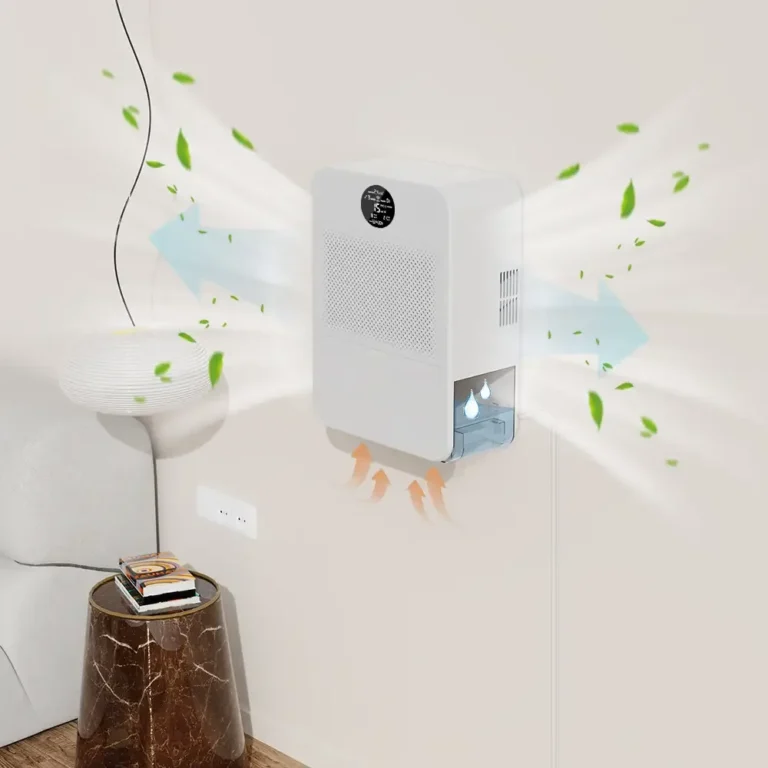
Image source: Bing (Web (fair-use with source credit))
Quick Answer: Why There's No One-Size-Fits-All Number
How long should a dehumidifier run? Until your space hits 50% relative humidity. Typical units need 6 to 12 hours per day.
Bigger rooms and damp basements take longer than that.
As of 2026, most mid-range dehumidifiers include a built-in humidistat that handles the math for you. Set it, forget it, and let the unit cycle itself. The run time will change seasonally.
A humid July afternoon asks more from the unit than a dry October evening.
Think of it like filling a bathtub with the drain open. The water settles where inflow and outflow balance. Your dehumidifier does the same thing.
It pulls water out while doors, windows, and small leaks push water back in. The run time is just the balance point.
If you want a smarter setup, pair the unit's built-in sensor with a separate hygrometer. That double-check keeps the unit honest and stops it from running longer than it needs to.
The 3 Variables That Control How Long Your Dehumidifier Runs
Three things determine how long a dehumidifier runs in your space. Get these right and the run time answers itself.
Variable 1: How Damp the Air Starts
The gap between your starting relative humidity and your target matters more than anything. A bedroom sitting at 55% RH will dry in a few hours. A basement sitting at 75% RH can take a full day or more on the first go.
The wider the gap, the longer the first run.
Variable 2: Room Size vs. Unit Capacity
Capacity ratings assume specific conditions. Per AHAM's testing standard, a dehumidifier's pint rating gets measured at 80°F and 60% RH. Smaller 30-pint models handle a bedroom or office just fine.
That same unit in a 1,000-square-foot basement will run around the clock without catching up. Basements usually need a properly sized basement unit to make real progress.
Variable 3: Air Temperature
Compressor-based dehumidifiers lose efficiency fast below 65°F. Drop below 50°F and the coils can frost over, which stops water removal completely. If your space runs cold, like a crawl space in spring, a desiccant model is the better tool.
Warm air holds more moisture, and warmer rooms extract humidity much faster.
How to Tell If Your Dehumidifier Is Running Correctly (or Not)
Your dehumidifier gives you clear signals. You just need to know what to look for.
Signs the unit is working properly:
- The humidity reading drops 5% to 10% within the first few hours
- The unit cycles off by itself once it hits the setpoint
- Condensate collects steadily in warm weather
Signs something is off:
- The fan runs 24 hours straight without the unit shutting off
- Frost builds up on the coils
- The humidity display barely moves after a full day
Grab a separate hygrometer if you're unsure. The sensor built into the unit can drift over time, and a $10 monitor gives you an independent reading. Place it across the room, away from the dehumidifier, for a true average.
If your unit runs nonstop without reaching 50% RH, something is wrong. Either the unit is too small, the room is too cold, or there's a hidden moisture source. A leaky pipe or an unsealed crawl space will keep a dehumidifier running forever.
That's why year-round performance matters more than a single-season fix.
The Decision Tree: How to Find Your Ideal Run Time
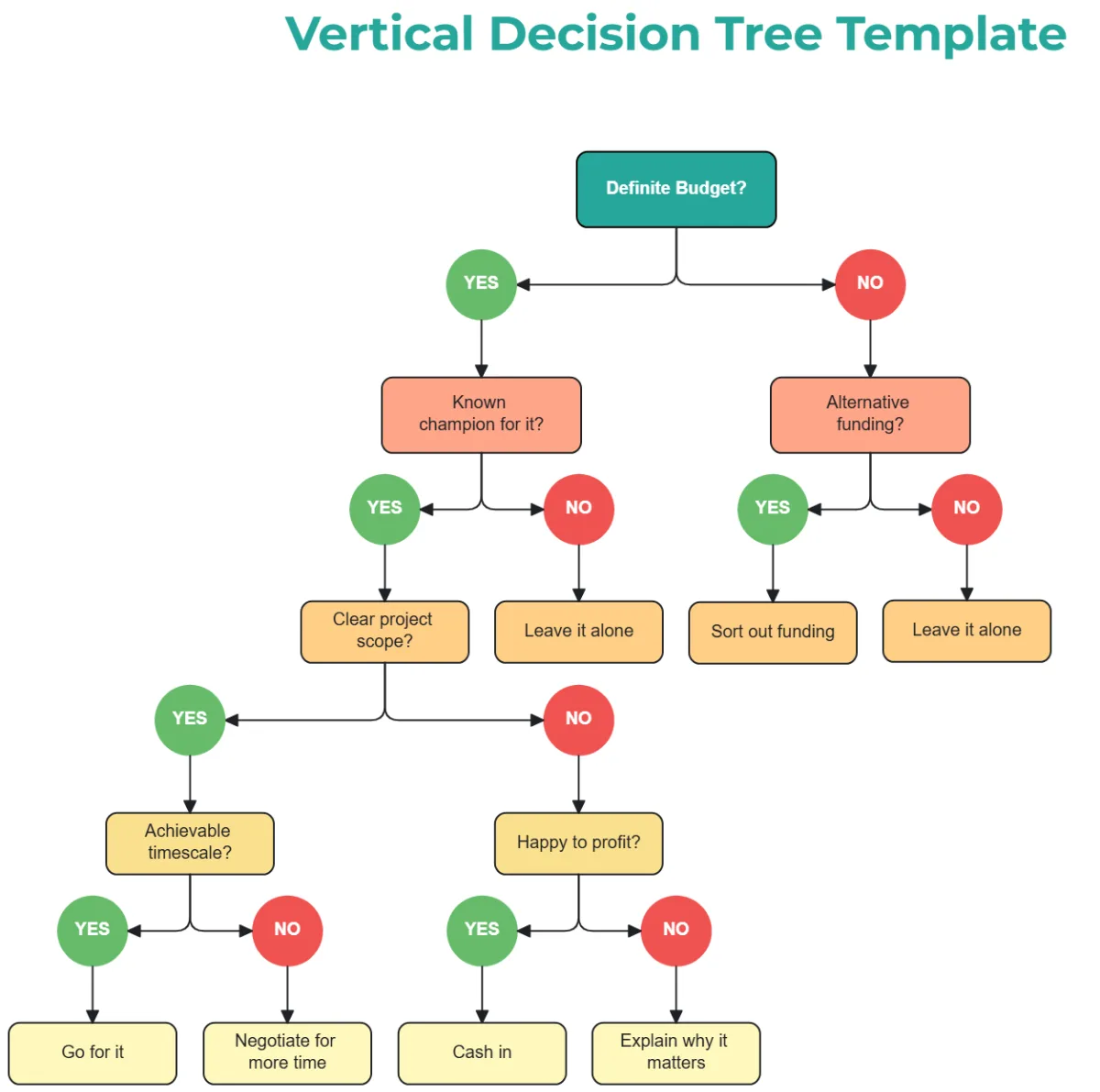
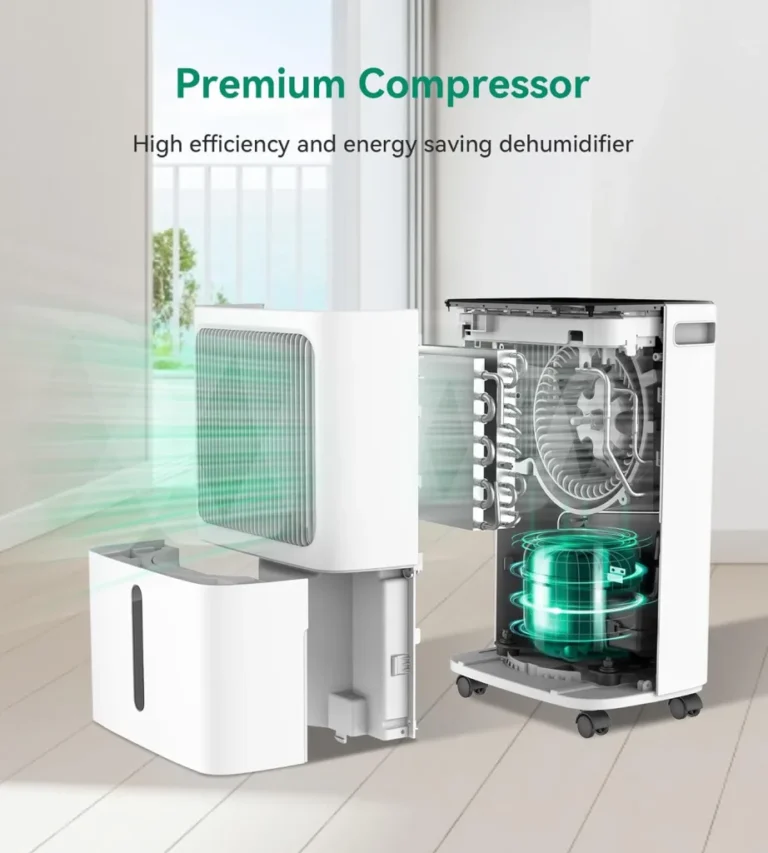
Image source: Bing (Web (fair-use with source credit))
Start with a morning reading on your hygrometer. If the space sits above 60% RH, the first dry-down is a marathon, not a sprint. Give the unit 24 hours in continuous mode with doors and windows closed.
Check the humidity every few hours and follow these branches:
| Condition | What It Means | Recommended Action |
|---|---|---|
| Hits 50% in under 6 hours | Unit is oversized for the space | Raise the setpoint to 55% or move it to a larger room |
| Hits 50% within 6 to 12 hours | Correctly sized setup | Run auto mode at 50% from here on |
| Drops but stalls at 55% to 60% | Unit is undersized or airflow is blocked | Run continuous mode, check the filter, and consider a higher-capacity unit |
| Barely moves after 24 hours | Cold room, blocked intake, or a serious moisture source | Check for frost, inspect for leaks, reposition the unit |
Once you know which branch you're on, the run time question resolves itself. Auto mode takes over from there. The unit switches on only when humidity climbs back above 50%, and it shuts off once the air is dry again.
That cycle is your target behavior.
Common Mistakes That Make Your Dehumidifier Run Longer (and How to Fix Them)

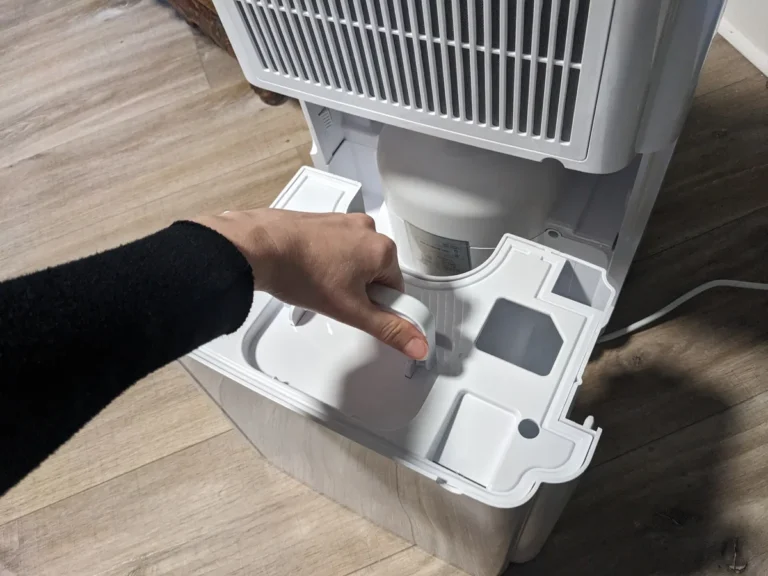
Image source: Bing (Web (fair-use with source credit))
Most people think their dehumidifier is broken when it's really being held back by a simple mistake. These five problems show up most often, and every one has a straightforward fix.
Tucking the unit against a wall. Dehumidifiers pull air in through the sides and back. Block that airflow and the unit works harder while removing less water. Keep it at least six inches from any wall, with furniture and curtains out of the way.
Running a dirty filter. A clogged filter restricts airflow and kills performance fast. Check the filter monthly and rinse or replace it on the manufacturer's schedule. A clean filter is the cheapest fix for a unit that never shuts off.
Picking the wrong capacity. A 20-pint model in a 1,000-square-foot basement will run around the clock. If your space still sits above 60% RH after a full day, the unit is undersized. Look at larger-capacity options before you run the small one into the ground.
Setting the target too low. Chasing 35% RH in a naturally damp basement forces the unit to run near-continuously. The EPA's 30% to 50% RH range gives you room to breathe, and 50% is plenty for most homes. Give the space a little slack.
Ignoring the temperature. Compressor units lose power below 65°F and frost up below 50°F. In a cold basement, you'll see ice instead of water in the bucket. Switch to a desiccant model or warm the space, or the run time stretches to forever.
Fix these issues and most dehumidifiers settle into a normal cycle within a day or two. The humidity drops, the unit cycles off, and you stop wondering how long it's been running.
Expert Tips for Faster, More Efficient Drying
Once you've got the basics dialed in, a few advanced moves can shave hours off your run time.
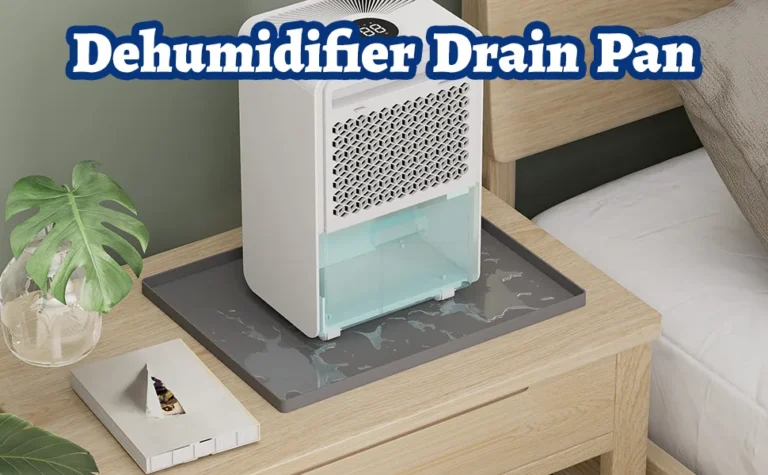
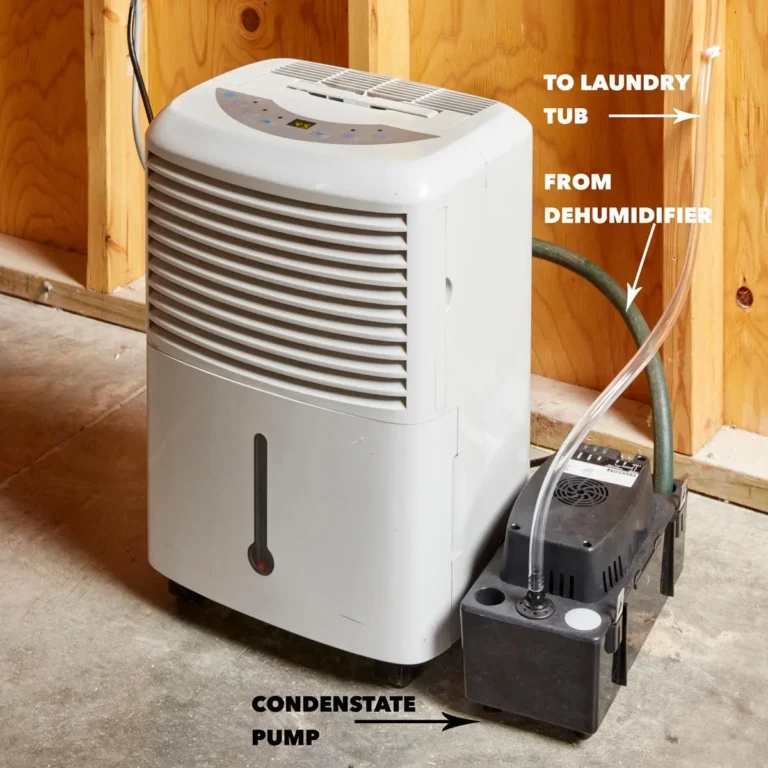
Use a continuous drain if you can. A gravity drain hose turns your dehumidifier into a set-and-forget machine. No bucket to empty, no auto-shutoff mid-cycle. The unit runs until the humidity drops, not until the tank fills.
Run it during the warmest part of the day. Compressor units pull more water per hour when the air is warm. If your basement hits 60°F in the morning and 68°F by afternoon, let the unit run hardest during the warm stretch.
Seal the room completely. Interior doors, windows, even the door to the hallway. Every open connection lets humid air from adjacent rooms flow in. A sealed room dries in half the time an open one does.
Point the exhaust away from the intake. Some units blow warm, dry air out the top. If that air recirculates back into the intake, the sensor reads it as drier than the room really is. Keep the airflow path clear.
Give the unit a running start. If you're starting from 70% RH or higher, run continuous mode for the first 24 to 48 hours. Let the unit pull the bulk of the moisture out before you switch to auto mode. That initial dry-down is the hardest part.
Match the capacity to the space. A 30-pint unit in a 1,500-square-foot basement will run forever. You need a bigger tool for a bigger job. Our research shows that properly sized units cycle off in half the time of undersized ones.
Frequently Asked Questions About Dehumidifier Run Time
Should I run my dehumidifier 24 hours a day?
No. Run it until the humidity drops to your target. Most units with a built-in humidistat cycle on and off automatically.
Continuous 24-hour run time is wasteful unless you're drying out a flooded space.
How many hours a day is normal for a dehumidifier?
Six to twelve hours per day is typical for a correctly sized unit in a moderately damp space. Basements starting above 70% RH may need 16 to 24 hours on the first day. After that, the unit should cycle on and off as needed.
Why does my dehumidifier run all day without stopping?
Three common causes: the unit is too small for the room, the temperature is too cold for compressor operation, or there's a hidden moisture source like a leak. Check the filter, measure the temperature, and verify the room is sealed.
Will running a dehumidifier all night dry out a room faster?
Not necessarily. The unit removes moisture at a fixed rate. Running it all night is fine, but it won't dry faster than running it during the day.
If the room is sealed and the unit is properly sized, it will reach the target either way.
What humidity level should I set my dehumidifier to?
Set it to 50% RH. That's the sweet spot for comfort, mold prevention, and energy efficiency. Lower settings like 35% force the unit to run nearly continuously and can dry out your skin or crack wood furniture.
How do I know when my dehumidifier is done?
The unit turns off by itself. That's the simplest signal. If you're using a manual unit, check the hygrometer reading.
Once the room sits at 50% RH or below, the job is done until humidity rises again.