Are Small Dehumidifiers Effective
Are small dehumidifiers effective? That's the question you're here for, and the short answer is: yes, but only under the right conditions. A compact unit can absolutely solve humidity problems in a closet, small bathroom, or RV.
But it's not a one-size-fits-all fix.
Per U.S. Department of Energy standards, dehumidifiers are rated by pints per day. Most small units pull 20 to 30 pints.
That covers roughly 200 to 500 square feet. Manufacturer specs often overstate that range. Let's walk through what actually makes them work and where they fall short.
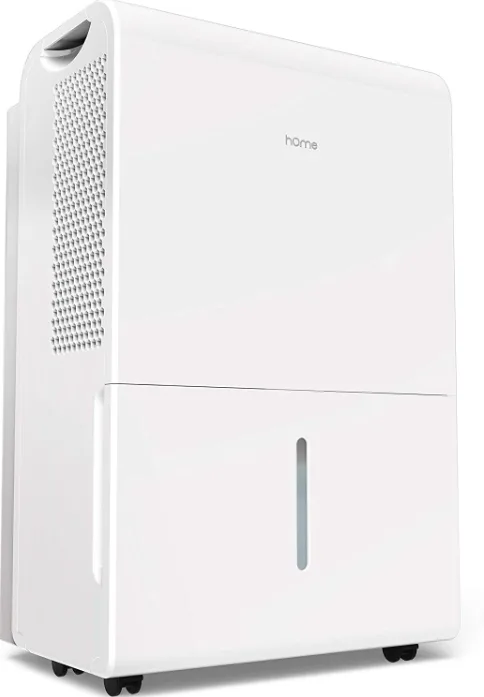
Image source: Bing (Web (fair-use with source credit))
Quick Answer: When a Small Dehumidifier Actually Works
Yes, small dehumidifiers are effective. But only in spaces under 500 square feet. Think a bedroom, a bathroom, a closet, or a camper van.
They keep relative humidity between 40% and 50% when the starting humidity is around 60% to 70%. Anything above 70% and they struggle.
Aggregate reviews show that a 20-pint unit can remove about a pint per hour in a warm room. In a cool, damp basement that drops to half a pint. For larger spaces you might need a best dehumidifier with higher capacity.
Per Energy Star, proper sizing is the most common mistake people make.
The Three Variables That Make or Break It
Effectiveness comes down to three things: room size, starting humidity, and air temperature. Change any one and the answer flips.
Room size. A small dehumidifier rated for 500 square feet might work fine in a 300-square-foot bedroom. Put it in a 700-square-foot open basement and it runs constantly. It never catches up.
The rule: buy for the actual square footage, not the marketing claim.
Starting humidity. If your space sits at 65% relative humidity (RH), a small unit can drop it to 45% in a few hours. If it's 85% RH, you need a medium or large unit (40 pints or more). Small units lack the compressor power to pull that much moisture fast.
Temperature. Compressor dehumidifiers (the most common type) lose efficiency below 65°F. In a cold basement or a drafty room, the coils frost up and the unit shuts off. Thermoelectric (Peltier) units are quieter but even less effective below 60°F.
Desiccant models work in cold temps but cost more to run.
If any of these variables go against you, the unit fails. Here's a quick check table:
| Condition | Small unit works? | Reason |
|---|---|---|
| Room < 300 sq ft, RH 60-70%, temp > 65°F | Yes | Capacity matches load |
| Room 300-500 sq ft, RH 60-70%, temp > 65°F | Often yes | Might run longer, but hits target |
| Room > 500 sq ft, any RH | No | Undersized, runs nonstop |
| RH > 75%, any room size | No | Requires more than 30 pints/day |
| Temp < 60°F | No | Compressor frosts or thermoelectric stalls |
Step-by-Step: Should You Buy One? (Decision Tree)
Let's turn that into a simple decision tree. Answer these questions in order.
What's the room size? Measure length by width. Less than 500 square feet? Continue. More? Stop. You need a larger unit. Check our best dehumidifier for basement guide if your space is a basement.
What's the current humidity? Use a $10 hygrometer. 60% to 70% RH? A small unit can handle it. Above 70%? You need 40+ pints. Below 50%? You probably don't need a dehumidifier at all.
What's the temperature during use? If the room stays above 65°F, a compressor unit works great. If it dips lower (basement, garage), consider a desiccant model. Or skip the small unit altogether.
How often will you empty the tank? Small tanks hold 0.5 to 1.5 liters. At 60% RH, you'll empty it every 12 to 24 hours. If you can't do that, choose a unit with a continuous drain hose. But not all small units have one.
Is the room closed off? Small dehumidifiers work best in enclosed spaces. If the room connects to a hallway or open floor plan, the moisture from the larger area overwhelms the unit.
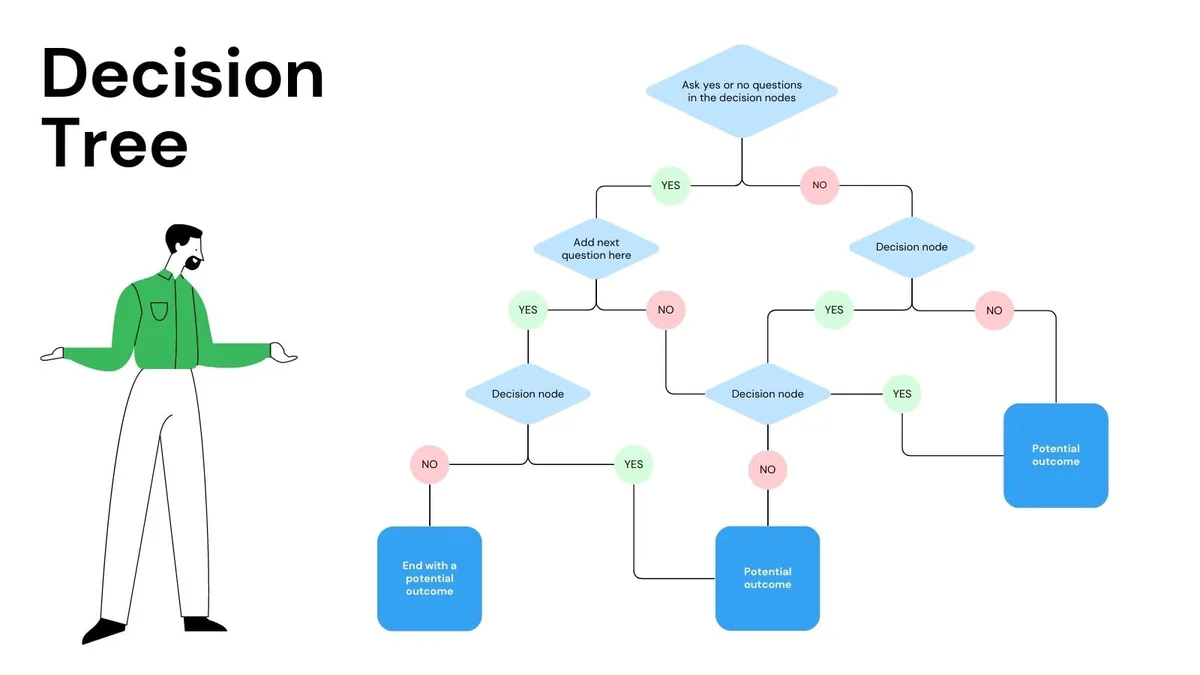
Image source: Bing (Web (fair-use with source credit))
If you answered "yes" to all conditions, a small dehumidifier is the right tool. If any condition failed, explore other options.
Common Mistakes That Kill Effectiveness
Most frustrations come from these errors. Avoid them and your small unit will perform much better.
Placing it too close to a wall. Air needs to flow around the unit. Keep it at least six inches from any wall or furniture. Many people tuck it into a corner.
That blocks intake and exhaust. The unit starves for air and removes far less moisture.
Assuming the rated coverage is real. A manufacturer says "covers up to 500 square feet." That's tested in a sealed lab at 80°F and 60% RH. In a real home with drafts, furniture, and a hallway, cut that number in half. A 500 sq ft rated unit realistically covers 200 to 350 square feet.
Not checking the tank size. A 20-pint unit might have a 0.5-liter tank. At high humidity, it fills in six hours. Where do you want to be at midnight?
Not emptying a water bucket. Always check the tank capacity in the specs. Don't just look at the pints-per-day rating.
Running it in a cold room. As mentioned, compressor units fail below 65°F. People put a small dehumidifier in a chilly basement. They wonder why it never seems to collect water.
They blame the unit. The problem is the temperature.
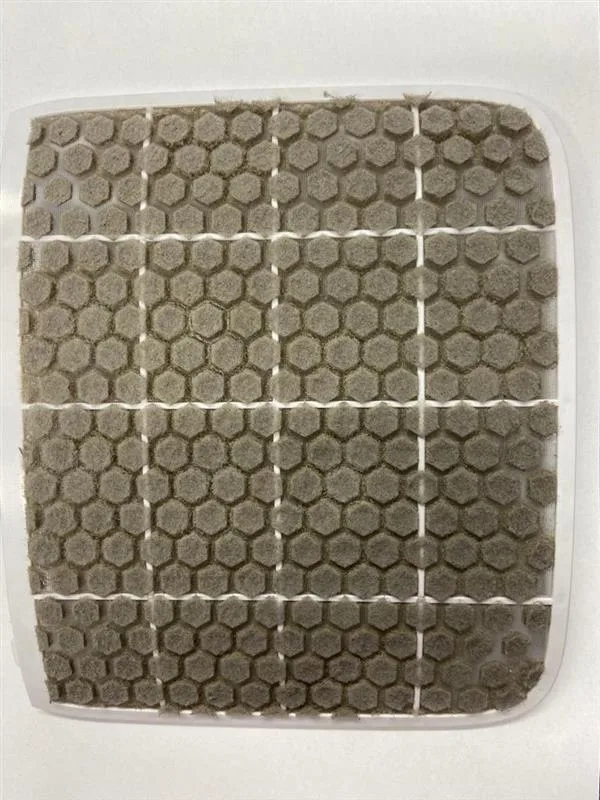
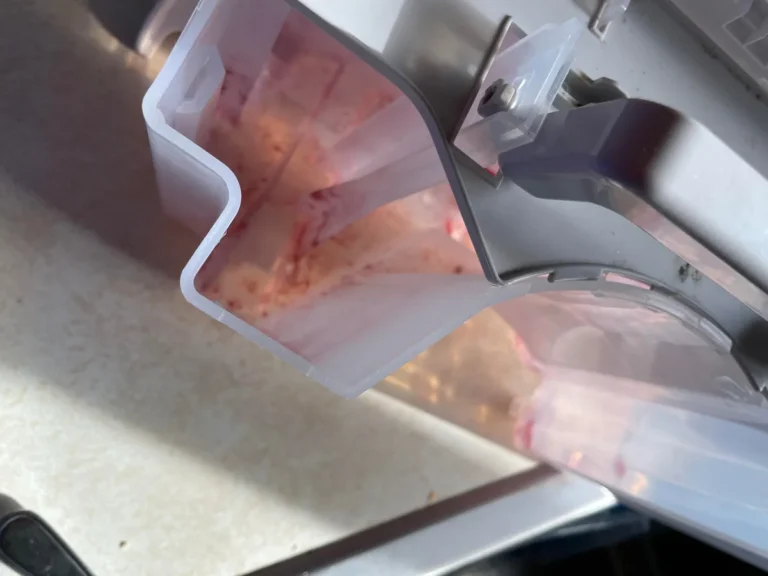
Skipping filter cleaning. Wash the filter every two weeks. A clogged filter reduces airflow by up to 30%. That cuts moisture removal by the same amount.
It also makes the unit work harder and use more electricity.
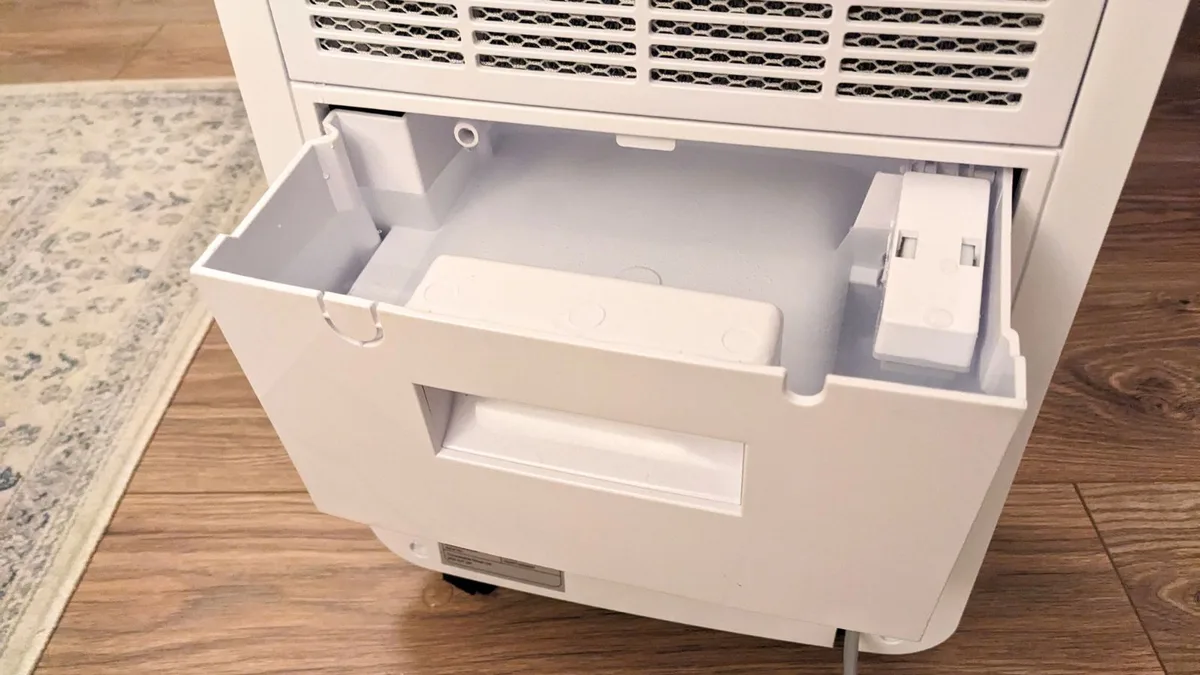
Image source: Bing (Web (fair-use with source credit))
Pros and Cons: The Honest Trade-Offs
Small dehumidifiers have clear advantages and real limitations. Here's a straightforward list.
Pros
- Low upfront cost. $30 to $80 for most models.
- Light enough to move from room to room.
- Quiet enough for a bedroom. (Thermoelectric models run at 30-40 dB.)
- Low power draw. Typical 30 to 100 watts.
- No permanent installation. Just plug it in.
Cons
- Frequent tank emptying. Daily in many cases.
- Won't handle whole-house humidity or open floor plans.
- Ineffective in cold or very damp environments.
- Limited lifespan. Thermoelectric units often die after a year or two.
- The water tank is usually very small. 0.5 to 1.5 liters.
For someone living in a small apartment or using the unit seasonally in a single room, the pros far outweigh the cons. For a homeowner with a large basement or persistent dampness, a small unit is a disappointment.
Recommended Actions by Room Type
Your situation decides whether a small dehumidifier makes sense. Here's how it breaks down for common spaces.
Small bedroom (100-200 sq ft). A 20-pint unit works well here. Set the humidistat to 45% RH. Expect to empty the tank every two days if humidity sits around 60%.
Place it near the center of the room. Not behind curtains.
Bathroom (50-100 sq ft). A small dehumidifier helps after showers. But it's not a substitute for an exhaust fan. Run it for an hour post-shower.
The main challenge: small tanks fill fast. Choose a model with a 1.5-liter tank or a continuous drain if you have a nearby sink drain.
Closet or wardrobe. This is where small units truly shine. A thermoelectric model (often called a "mini dehumidifier") keeps moisture down in a closed closet. You'll need to check the tank weekly.
Avoid compressor units here. Closets are small and can overheat the compressor.
RV or camper van. A small 20-pint unit handles the humidity from cooking, breathing, and wet gear. Look for one with low power draw (under 100 watts) and a compact footprint. Thermoelectric models are quieter for sleeping.
Desiccant models work better in cold weather camping.
Basement corner (under 300 sq ft). Only if the basement stays above 65°F. If it's a cool basement, skip the small unit. Instead, look at a best dehumidifier for basement with desiccant technology or a larger capacity.
Home office (150-250 sq ft). A small unit is great here. It protects electronics and paper from humidity damage. Run it during work hours.
The quiet operation won't disturb calls.
If your space fits none of these, consider a larger unit. Small dehumidifiers are specialty tools. Not universal solutions.
Frequently Asked Questions
Can a small dehumidifier handle a whole basement?
No. A small unit lacks the capacity for a basement's volume. Basements are often cooler, which hurts performance.
You need at least 40 pints for a typical basement. A small unit will run nonstop and never reach target humidity.
How long does a small dehumidifier run per day?
Most small units run 8 to 12 hours a day in a room at 65% RH. They cycle on and off based on the humidistat. In very damp rooms they may run 24/7.
This is normal but means they're undersized.
Do small dehumidifiers use a lot of electricity?
No. Typical small compressor units use 30 to 100 watts. That's similar to a light bulb.
Running one for 12 hours costs about 10 to 20 cents per day. Thermoelectric models use even less but remove less moisture.
What's the difference between a 20-pint and 30-pint small dehumidifier?
A 30-pint unit has a more powerful compressor and a larger coil. It removes about 50% more moisture per hour than a 20-pint model. The trade-offs: slightly higher noise and cost.
For a 300-square-foot room, the 30-pint is worth the upgrade.
How often should I clean the filter?
Every two weeks during regular use. A dirty filter cuts airflow and effectiveness. Most filters are washable with water.
Let them dry completely before reinserting.
Can I leave a small dehumidifier on when I'm not home?
Yes, if you have a continuous drain option. Without one, the tank fills and the unit shuts off automatically. If the tank fills and you're away for days, the humidity rises again.
Use a unit with a hose connection for unattended operation.