Why Is My Dehumidifier Making a Rattling Noise
Why is my dehumidifier making a rattling noise? That question probably popped into your head the moment the clatter started. A rattling sound is your unit's way of telling you something is loose, blocked, or out of balance.
It's not always a sign of major failure, but it does need attention.
Manufacturer specifications show that normal compressor hum falls between 40 and 50 decibels. A rattling noise typically exceeds that range or sounds distinctly different. Research confirms that the most common causes are simple DIY fixes.
Let's walk through the diagnostic process step by step.
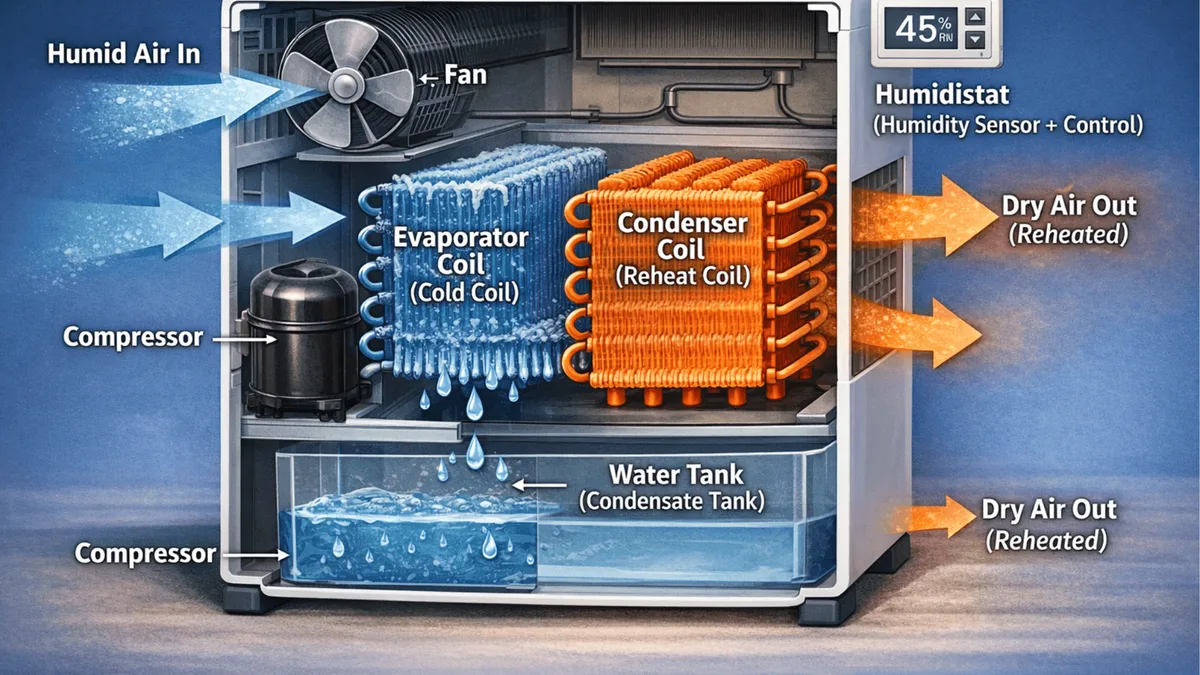
Image source: Bing (Web (fair-use with source credit))
The Problem: Why Your Dehumidifier Suddenly Sounds Like a Maraca
A rattling dehumidifier is a signal you shouldn't ignore. The noise usually comes from one of four places: the fan assembly, the compressor, the water tank, or the unit's housing.
Fan blade issues are the most common culprit. Ice buildup on the coils can push the fan blade out of alignment. Debris or a warped blade then strikes the housing.
That creates a plastic-on-plastic rattle you can hear across the room.
Compressor noises are different. A healthy compressor produces a low hum. A rattling that sounds metallic or rhythmic might mean internal components are loose.
This is rarer, but it's serious.
Loose parts are the easiest fix. Screws work themselves loose over time. Panels vibrate against each other.
Casters or feet can chatter on a hard floor. Even something as simple as the water bucket not being fully seated can cause a rattle.
Shipping materials are a sneaky cause. Many new units ship with foam blocks, tape, or plastic wrap inside the housing. If you didn't remove them all, they'll rattle around as soon as the unit runs.
The key is to identify the type of sound and when it happens. A rattle that only occurs when the compressor kicks on is different from one that's constant.
Quick Answer and Decision Tree: Diagnose Your Rattling Noise by Sound and Location
Quick Answer: Your dehumidifier is rattling because something is loose, blocked, or frozen inside. Check for shipping materials, loose panels, and ice buildup first. If the noise is metallic or rhythmic, suspect the compressor.
Most fixes are simple and safe to do yourself.
Decision Tree: Follow this flowchart based on the sound you hear and where it's coming from.

Image source: Bing (Web (fair-use with source credit))
If the rattle is constant while running
| Sound Type | Likely Cause | Next Step |
|---|---|---|
| Plastic-on-plastic | Fan blade hitting housing or ice | Inspect fan and coils for ice |
| Metallic click or clank | Loose screw or internal part | Inspect panels and tighten screws |
| Buzzing rattle | Vibration against floor or wall | Level the unit or add a vibration pad |
If the rattle only happens when the compressor starts
| Sound Type | Likely Cause | Next Step |
|---|---|---|
| Single loud click | Normal relay sound | No action needed |
| Repeat clicking | Compressor hard start | Check for ice; if no ice, call a pro |
| Deep rattle then hum | Compressor struggling | Turn off, wait 30 minutes, restart |
If the rattle is intermittent
| Sound Type | Likely Cause | Next Step |
|---|---|---|
| Sloshing or gurgling | Water in drain line or pump | Check drain hose and pump |
| Rattle during defrost cycle | Ice expanding and contracting | Normal; let cycle finish |
| Random knock | Shipping material inside | Unplug and inspect inside housing |
Step-by-Step: How to Fix the 5 Most Common Rattling Causes
Step 1: Unplug the unit. Always start with safety. Never inspect or clean a dehumidifier while it's plugged in.
Step 2: Remove the water bucket. Set it aside. Check for any loose objects inside the bucket compartment. Sometimes a small item falls in during operation.
Step 3: Inspect for shipping materials. Look inside the housing around the fan and coils. Remove any foam blocks, tape, or plastic wrap. This is a very common cause for new units.
Step 4: Check the fan blade. With the unit unplugged, look at the fan blade through the intake grille. Spin it gently by hand. If it feels rough or hits something, you may have ice or debris.
If you see ice, turn the unit off and let it thaw for 30 to 60 minutes in a warmer room.
Step 5: Tighten everything. Check all screws on the panels, the back cover, and the feet. Use a screwdriver to snug them. Also check the casters or adjustable feet.
If the unit is on an uneven floor, adjust the feet to level it.
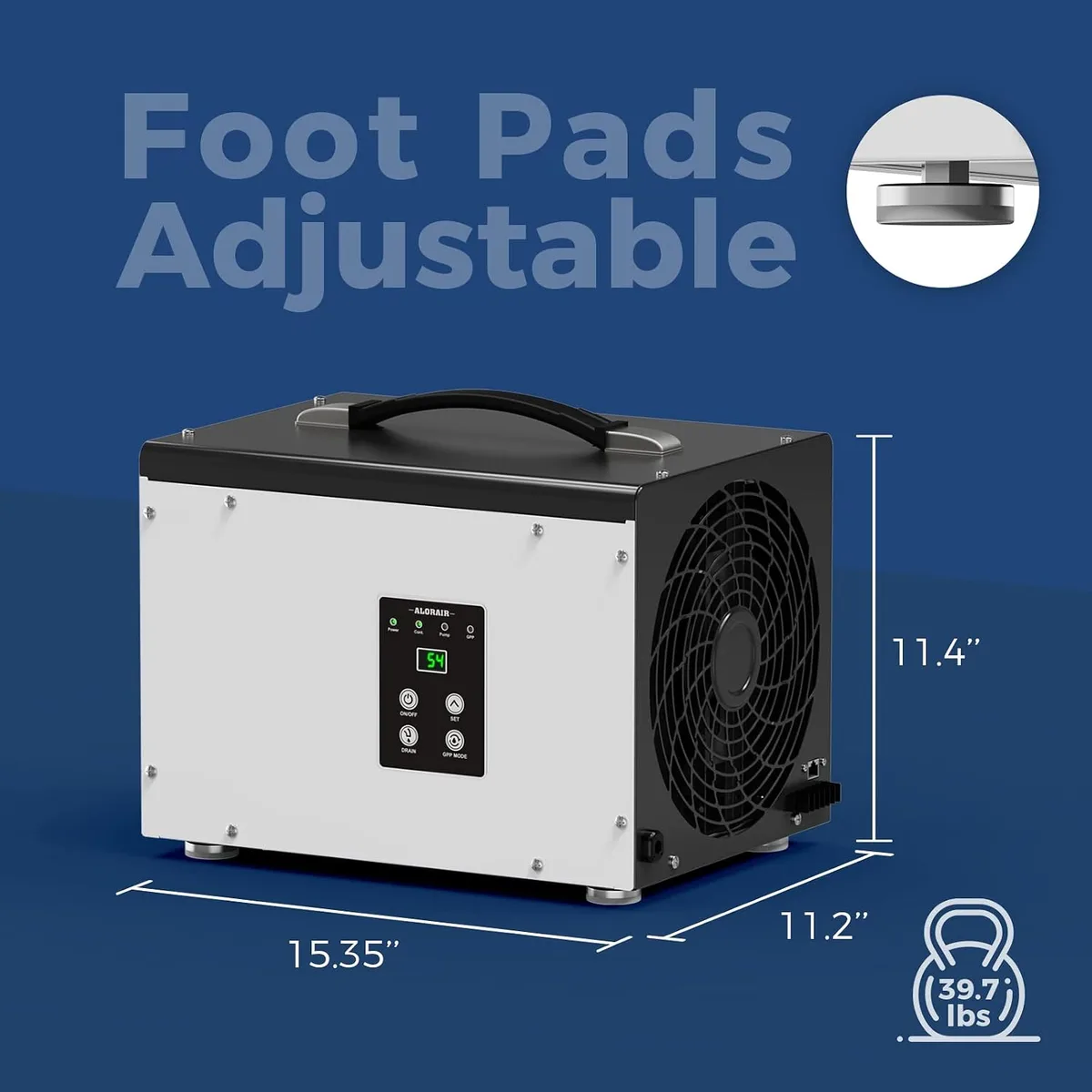
Image source: Bing (Web (fair-use with source credit))
Step 6: Level the unit. Place a bubble level on top of the dehumidifier. Twist the adjustable feet until the bubble is centered. An unlevel unit vibrates more and can rattle against the floor.
Step 7: Clean or replace the filter. A clogged filter restricts airflow. This can cause the fan to work harder and create noise. Clean it every two to four weeks.
Step 8: Test the unit. Plug it back in. Run it for a few minutes. Listen for the rattle.
If it's gone, you're done. If it's still there, move to the troubleshooting section.
Common Mistakes and When to Call a Pro (What Not to Do)
Mistake 1: Ignoring the noise. A rattle can be a warning sign. A loose fan blade can damage the motor. A failing compressor can lead to a costly repair.
Don't assume it will go away.
Mistake 2: Forcing the fan blade. If the fan blade is stuck, don't force it. You could break the motor or the blade. Instead, check for ice or debris first.
If ice is the cause, let it thaw naturally.
Mistake 3: Using water to clean the fan. Water can damage the motor. Use a dry brush or compressed air to clean the fan area. Never spray water directly into the unit.
Mistake 4: Overlooking the bucket. Make sure the water bucket is fully seated. A partially inserted bucket can vibrate against the housing. Push it in until you hear a click.
When to call a pro:
- The rattle is metallic and rhythmic, and you've checked all loose parts.
- The unit is making a loud buzzing or grinding sound.
- The compressor won't start or cycles on and off rapidly.
- You see any signs of leaking refrigerant (oil residue or hissing sound).
- The unit is still under warranty. Don't open the sealed system yourself.
When to replace the unit:
- The dehumidifier is more than 5 to 7 years old and the compressor is failing.
- Repair costs are more than half the price of a new unit.
- The unit is no longer covered by warranty.
Maintenance Tips to Keep Your Dehumidifier Quiet for Years
Clean the filter regularly. This is the single most important maintenance step. A dirty filter strains the fan and reduces efficiency. Clean it every two to four weeks.
Replace it if it's torn or worn.
Level the unit once a month. Over time, the floor can shift. Check the level with a bubble level. Adjust the feet as needed.
This prevents vibration and rattling.
Inspect the drain hose. A kinked or clogged hose can cause the pump to work harder. That creates noise. Check the hose for bends and blockages.
Flush it with warm water if needed.
Run the unit in a suitable temperature range. Most dehumidifiers work best above 65°F (18°C). Running them in a cold basement can cause ice buildup. That leads to rattling.
If your space is below that, consider a desiccant model.
Use a vibration pad. Place a rubber mat or anti-vibration pad under the unit. This absorbs the vibration that causes rattling against the floor. It's a cheap fix that works well.
Check the drain pump. If your unit has a built-in pump, listen for unusual noises. A rattling pump often means it's clogged with debris. Clean the pump intake according to the manufacturer's instructions.
Keep the area around the unit clear. Don't place items directly against the dehumidifier. They can transfer vibration and create noise. Leave at least 6 inches of space on all sides.
Know when to replace. Even with good maintenance, dehumidifiers have a lifespan of 5 to 10 years. If your unit is older and the rattling persists, it's probably time for a new one. Check out our guide to the best dehumidifiers for quiet models.
Follow manufacturer guidelines. Every unit is different. Check your manual for specific maintenance schedules. For general energy efficiency standards, the Department of Energy provides guidelines on dehumidifier performance.
You can also refer to the ENERGY STAR program for efficiency ratings.
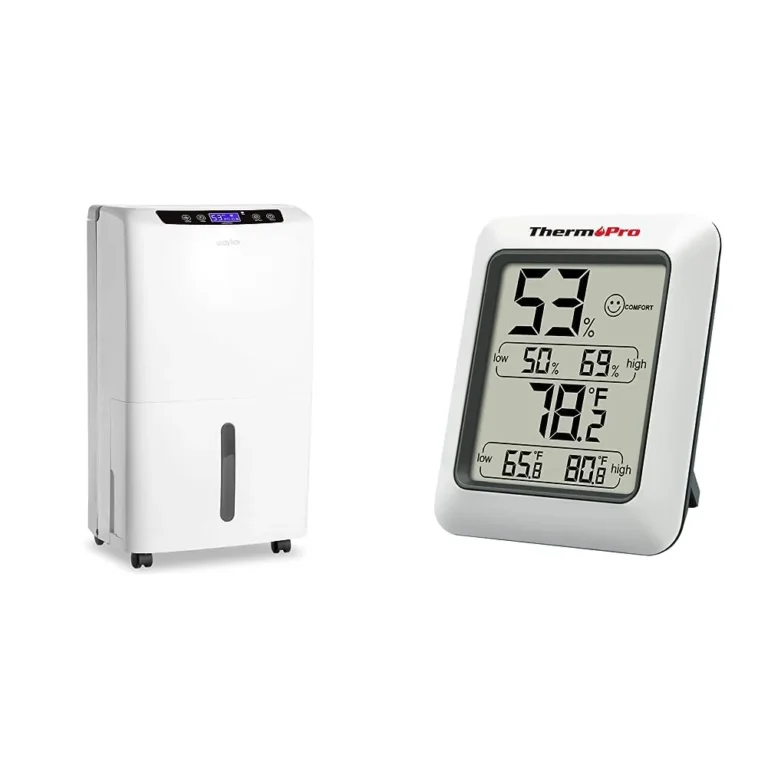
Track your humidity levels. Use a hygrometer to monitor your basement or room. The ASHRAE standard for indoor humidity is 30 to 60 percent. Keeping it in that range reduces the workload on your dehumidifier.
Less work means less wear and less noise.
Frequently Asked Questions
Is a rattling dehumidifier dangerous?
Not usually, but it depends on the cause. A loose panel or unlevel unit is harmless. A metallic rattle from the compressor could mean a more serious problem.
If you smell burning, see sparks, or hear grinding, unplug the unit and call a professional.
Why does my dehumidifier rattle more when it's cold?
Cold temperatures cause ice to form on the evaporator coils. The fan blade can hit that ice, creating a rattle. Most dehumidifiers struggle below 65°F (18°C).
If you're running yours in a cold basement, consider moving it to a warmer spot or letting it defrost regularly.
Can I keep using my dehumidifier while it rattles?
Short-term, yes, if the noise is from shipping materials or a loose screw. Long-term, no. A persistent rattle can damage the fan motor or compressor.
Research shows that units operated with a blocked fan blade fail faster. Take the time to diagnose it before the problem gets worse.
Why does my dehumidifier rattle only when the pump kicks on?
That rattling usually means the internal drain pump is clogged or working against a kinked hose. Turn off the unit, disconnect the drain line, and check for debris. Flush the pump intake if your model allows it.
If the noise continues after cleaning, the pump may need replacement.
How much does it cost to fix a rattling dehumidifier?
DIY fixes cost nothing or very little. Cleaning the filter, tightening screws, and leveling the unit are all free. If you need a new fan blade or pump, parts run about $20 to $60.
Professional repair usually costs $100 to $250. If your unit is over seven years old, replacement is often a better value.