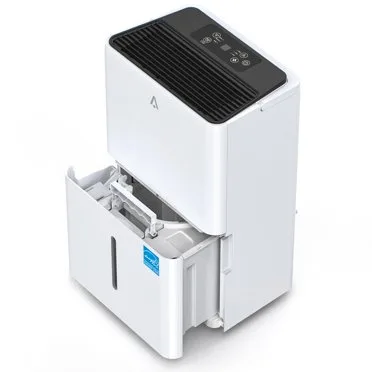
Can a Dehumidifier Remove Bathroom Moisture
If you've ever stepped out of a hot shower and felt like you were in a steam room, you've probably asked yourself: can a dehumidifier remove bathroom moisture? The short answer is yes, but it has limits. Whether it solves your dampness problem depends on your bathroom size, ventilation, and how you use the unit.
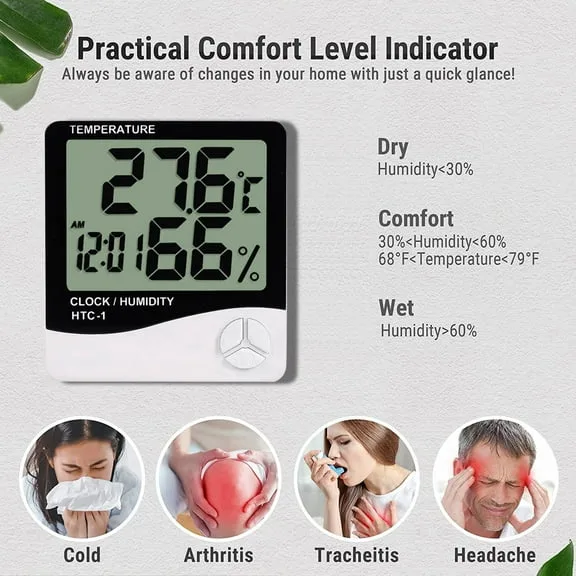
Per ASHRAE standards, indoor relative humidity should stay between 30 and 50 percent. Most bathrooms spike above 70 percent after a shower. That's where mold and mildew start to thrive.
Let's walk through what actually works, what doesn't, and how to decide.
Quick Answer
Yes, a dehumidifier can remove bathroom moisture. But a small portable unit may not keep up with heavy steam. You need the right size and type.
An exhaust fan is often faster and cheaper. Use a dehumidifier as a backup, not a replacement.
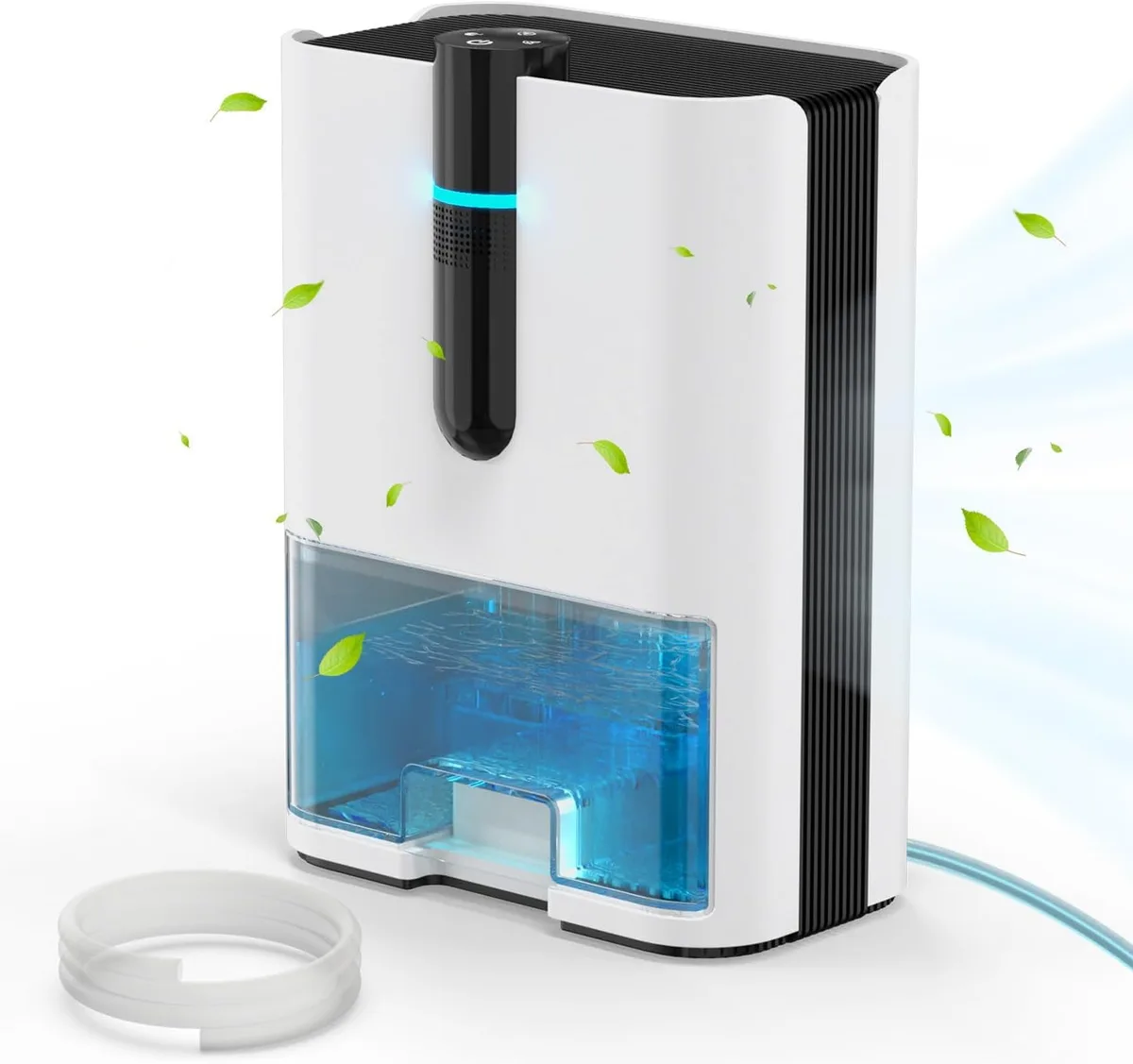
Image source: Bing (Web (fair-use with source credit))
Why Your Bathroom Feels Like a Rainforest and Why It Matters
A hot shower releases about half a liter of water into the air. That moisture has to go somewhere. If your bathroom has poor ventilation, it settles on walls, mirrors, and ceilings.
Over time, that leads to peeling paint, warped wood, and black mold.
The Environmental Protection Agency warns that mold can start growing within 24 to 48 hours on damp surfaces. Keeping humidity under control isn't just about foggy mirrors. It's about your home's structure and your health.
If you've noticed condensation on your toilet tank or a musty smell that lingers, you already have a moisture problem. A dehumidifier can help. But it's only one piece of the puzzle.
The real fix starts with understanding where that moisture goes and how to move it out.
The Hard Truth: Can a Dehumidifier Actually Keep Up?
Here's where it gets real. A dehumidifier pulls moisture from the air, but it's a slow process. A typical 20-pint portable unit removes about 20 pints of water per day.
That sounds like a lot until you realize a single shower can dump 10 to 15 pints of moisture into the air in under ten minutes.
So the math is simple. If you run a small dehumidifier while you shower, it won't keep up. The steam will still condense on surfaces.
You'll still see fog on the mirror. The unit will work, but it's fighting a losing battle.
For a dehumidifier to actually work in a bathroom, you need one that can handle the peak moisture load. That usually means a larger unit, or you run it for a while after the shower is done. If you're using a tiny unit rated for a closet, you'll be disappointed.
| Bathroom Size | Typical Square Footage | Recommended Dehumidifier Capacity |
|---|---|---|
| Small powder room | 20–40 sq ft | 20–30 pints/day |
| Standard bathroom | 40–75 sq ft | 30–40 pints/day |
| Large master bath | 75–120 sq ft | 40–50 pints/day |
| With Jacuzzi or steam shower | 100+ sq ft | 50–70 pints/day |
If you need a unit that can handle a larger space, check out top-rated models for big rooms. The right capacity makes all the difference.
Desiccant vs Compressor: Which One Survives a Bathroom?
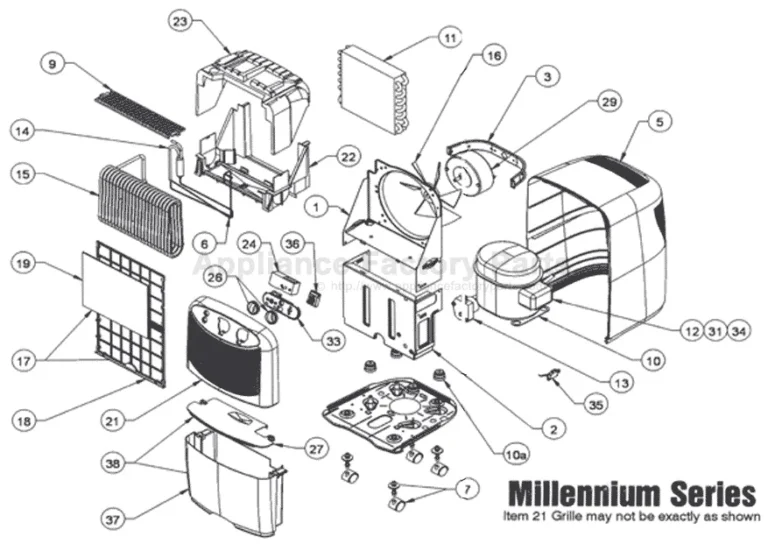
Not all dehumidifiers work the same way. The two main types are compressor and desiccant. Each has strengths and weaknesses, especially in a bathroom.
Compressor units use a cold coil to condense moisture out of the air. They work best in warm environments above about 60°F. If your bathroom is chilly, especially in winter, a compressor unit may struggle.
The coils can frost over, and efficiency drops.
Desiccant units use a moisture-absorbing material like silica gel and a small fan. They work well in lower temperatures and can pull moisture even in a cold bathroom. They also tend to be quieter and lighter.
The trade-off is higher electricity use and slightly warmer output.
| Feature | Compressor | Desiccant |
|---|---|---|
| Best temperature | Above 60°F | Any temp, especially cold |
| Noise level | Moderate | Low |
| Energy use | Lower | Higher |
| Weight | Heavier | Lighter |
| Price | $100–$250 | $120–$200 |
| Ideal bathroom | Warm, standard | Cold, basement, seasonal |
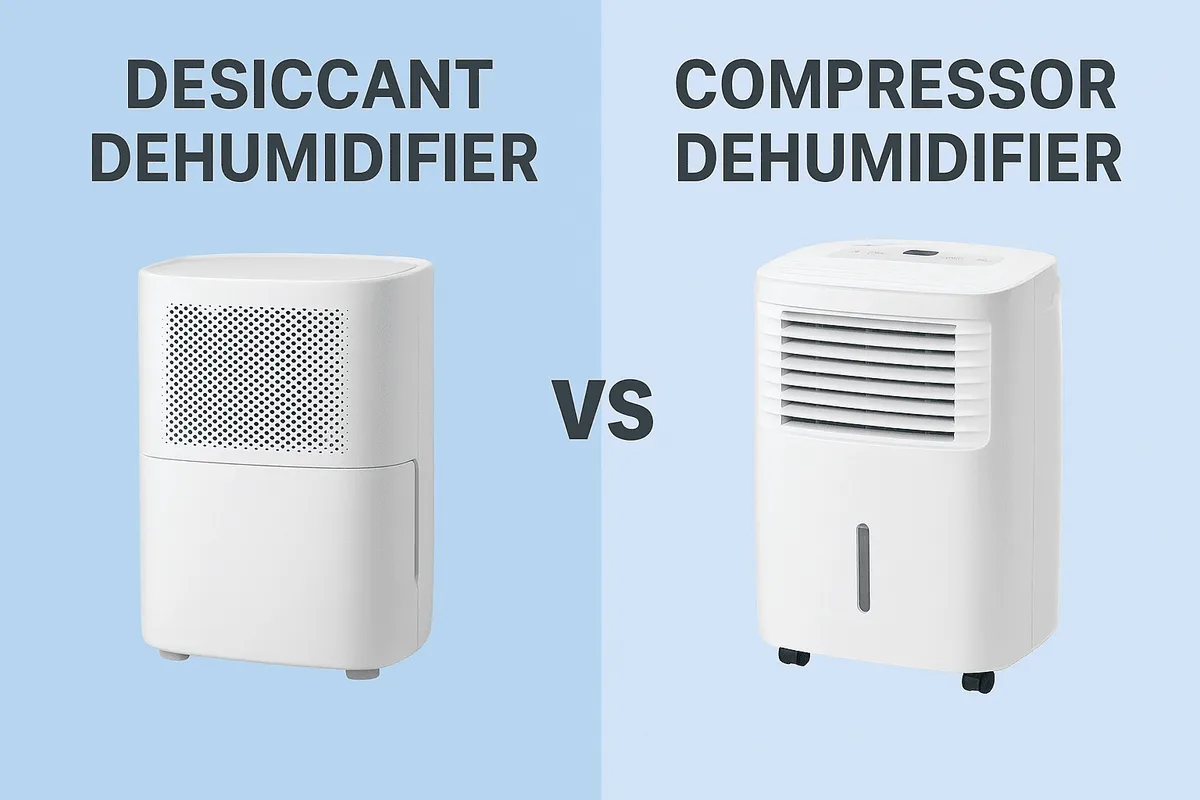
Image source: Bing (Web (fair-use with source credit))
If your bathroom stays warm year-round, a compressor unit is more efficient and cheaper to run. If you have a cold bathroom or a basement bathroom that stays cool, a desiccant unit is a better bet.
The Real Decision Tree: Fan, Dehumidifier, or Both?
This is the question that matters most. Should you buy a dehumidifier, or is an exhaust fan enough? The answer depends on your situation.
Step one: do you already have a working exhaust fan? If yes, and it vents to the outside, that's your best tool. An exhaust fan removes moisture directly at the source.
It's faster and cheaper to run than any dehumidifier. If your fan is weak or doesn't vent outside, consider upgrading it first.
Step two: if you don't have a fan, can you install one? If you own your home and have access to an exterior wall or roof, a fan is the better long-term solution. It's required by code in most new bathrooms anyway.
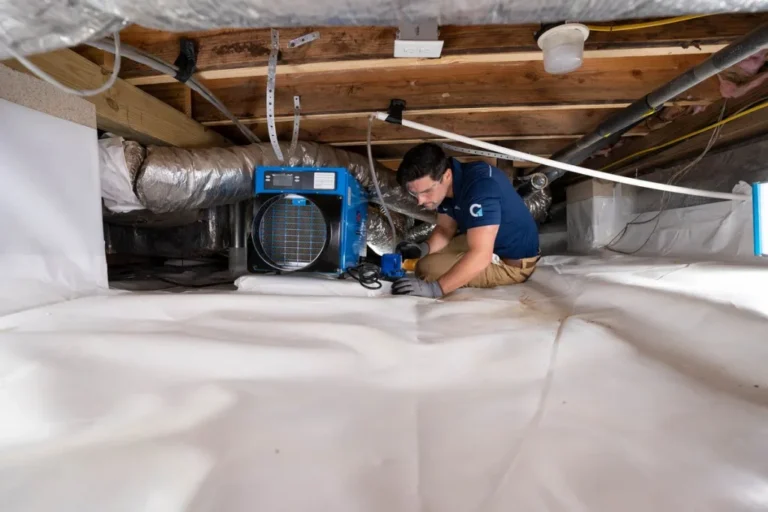
Step three: if you're a renter, or you can't install a fan, a dehumidifier becomes a solid backup. Look for a portable unit with a continuous drain option so you don't have to empty the tank every day.
Step four: if you already have a good fan but still see condensation, a dehumidifier can help. Use it after the shower to dry the air completely. It's the finishing touch, not the main event.
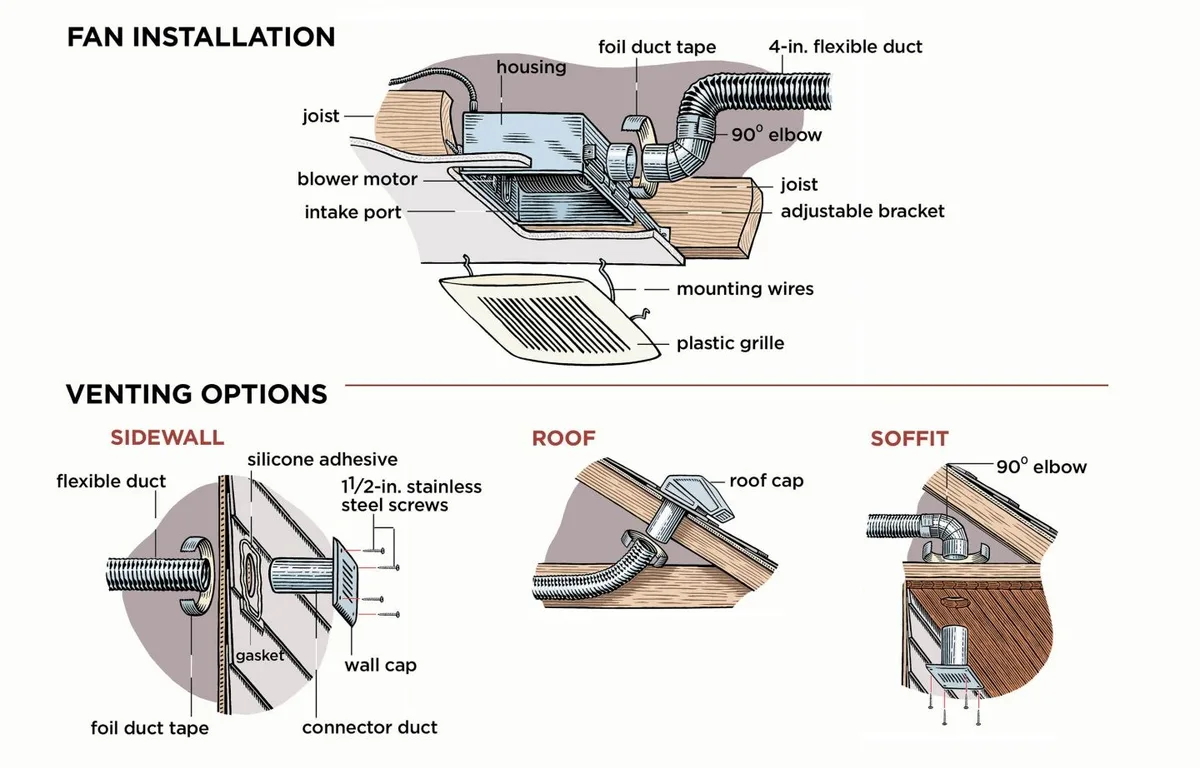
Image source: Bing (Web (fair-use with source credit))
For a deeper look at which size fits your specific space, check out our guide to smaller units. The same sizing logic applies to bathrooms.
The EPA recommends using both a vent fan and a dehumidifier in very humid climates. They're not competing tools. They work together.
The Mistakes That Will Waste Your Money (and Leave You Damp)
People make the same errors over and over. Here are the ones to avoid.
Buying too small. A tiny unit rated for 100 square feet will not handle a steamy bathroom. You need at least 30 pints for a standard bathroom, more if you take long showers.
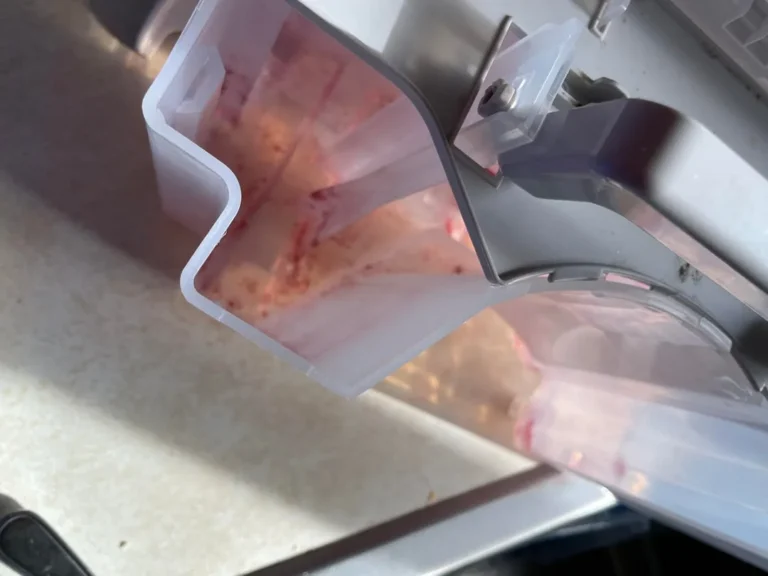
Not emptying the tank. A dehumidifier auto-shuts off when the tank is full. In a bathroom, that tank fills fast. You'll come back to a unit that's been sitting idle for hours.
If you can, use a continuous drain hose to a sink or floor drain.
Placing it wrong. Don't put the unit in a corner behind the toilet. Air needs to circulate. Place it on a flat surface in the center of the room or near the shower area.
Keep it away from walls and curtains.
Running it only during the shower. The air stays damp long after you've dried off. Run the dehumidifier for at least 30 minutes after you leave the bathroom. Better yet, set it to a humidity target and let it run until the room is dry.
Forgetting the filter. A dirty filter means less airflow and less moisture removal. Clean it every two weeks. If you skip it, the unit works harder and costs more to run.
Thinking it replaces a fan. It doesn't. A dehumidifier is a supplement, not a substitute. If you can't install a fan, use the dehumidifier as your primary tool.
But if you can, both together is the winning combo.
If you're on a tight budget, take a look at our picks for affordable units. But don't buy a unit that's too small just to save money. It won't solve the problem.
Frequently Asked Questions About Bathroom Dehumidifiers
How long does a dehumidifier take to dry a bathroom?
It depends on the humidity level and unit size. A standard 30-pint unit can bring humidity from 80 percent down to 50 percent in about 30 to 60 minutes after a shower. Smaller units take longer.
Can I use a dehumidifier instead of a bathroom fan?
You can, but it's not ideal. A fan removes moisture instantly. A dehumidifier works slowly.
In a rental or a bathroom without a window, a dehumidifier is a solid backup. For new construction, code requires a fan.
Where should I place the dehumidifier in a bathroom?
Put it on a flat, dry surface away from the shower spray. Keep it a few inches from the wall. Center of the room is best.
Avoid placing it behind the door or under a sink where airflow is blocked.
Will a dehumidifier stop mold in the bathroom?
It helps a lot. By keeping humidity below 50 percent, you remove the conditions mold needs to grow. But it won't fix existing mold.
You need to clean that first. Then the dehumidifier keeps it from coming back.
How often do I need to empty the tank?
In a bathroom, you might empty it after every shower. A 1-liter tank fills fast. That's why a continuous drain hose is a game changer.
If you can't use a hose, get a unit with a large tank or a pump for automatic draining.
Is it safe to run a dehumidifier in a bathroom all night?
Yes, as long as it's placed away from water and plugged into a GFCI outlet. Most units have auto shut-off. But you don't need it running all night.
Set it to turn off when the humidity drops below 50 percent.
So, Should You Get One? Here's the Verdict
Let's pull this together. A dehumidifier can remove bathroom moisture, but it's not a magic wand. It works best as part of a system.
If you have a working exhaust fan that vents outside, start there. Use the fan during and after your shower. If you still see condensation or smell mustiness, add a dehumidifier as a secondary tool.
If you don't have a fan and can't install one, a dehumidifier is your next best option. Choose a desiccant model if your bathroom runs cold. Choose a compressor model if it stays warm.
Go for at least 30 pints per day for a standard bathroom.
If you're a renter, a portable unit with a continuous drain hose is your most practical solution. Move it out of the way when guests come over. Run it after every shower.
If you're building or renovating, install a proper exhaust fan. It's cheaper, more effective, and required by code. Then add a dehumidifier if you live in a humid climate or have a large master bath.
The bottom line? Moisture control is about strategy, not just equipment. A dehumidifier is a powerful tool.
But it's one tool in the toolbox. Pair it with good ventilation, surface wiping, and a humidity meter. That's how you keep your bathroom dry, your mirrors clear, and your mold problems gone.
For a year-round solution that works in every season, take a look at our roundup of versatile models. And if you're working with a tight budget, our guide to budget-friendly options can help you find something that actually works without breaking the bank.