Can You Drink Dehumidifier Water
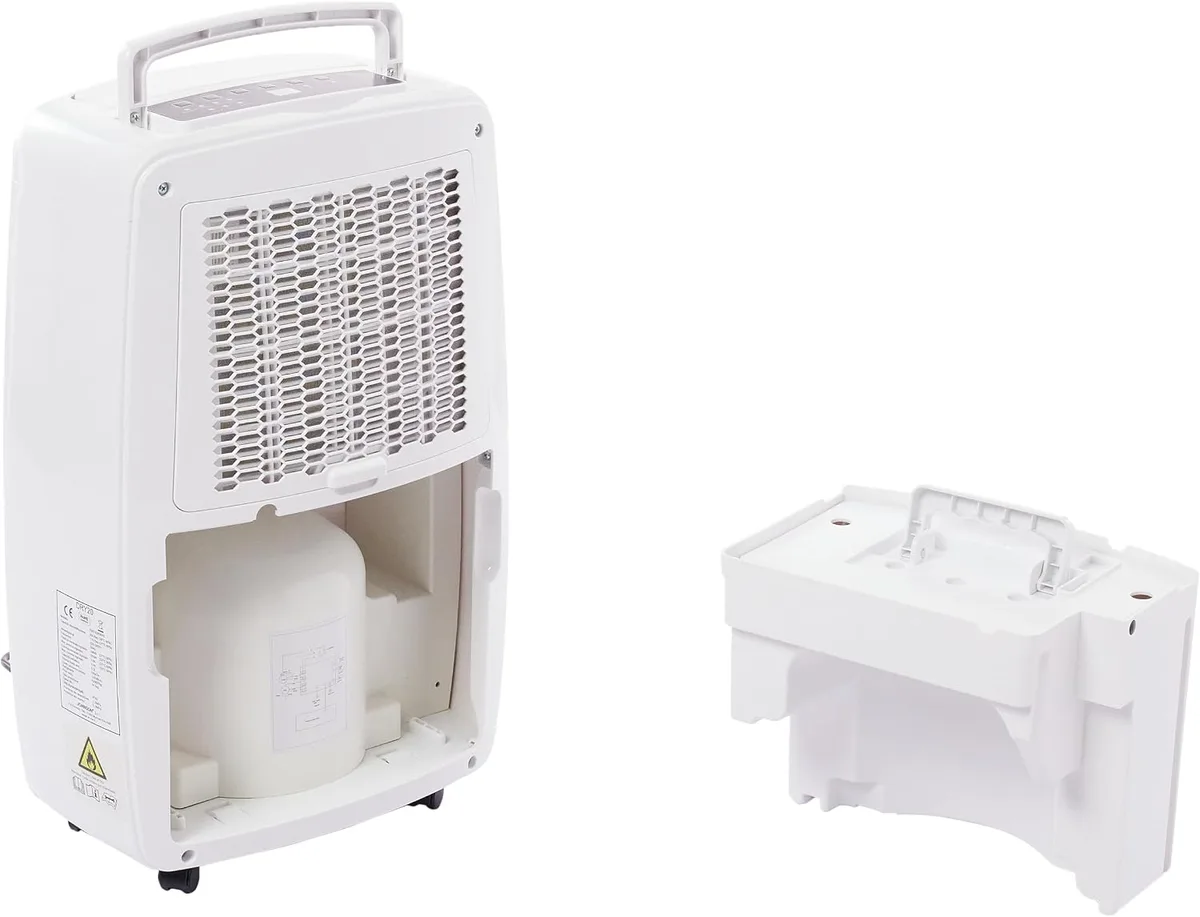
Image source: Bing (Web (fair-use with source credit))
So, can you drink dehumidifier water? The short answer is no, full stop. That collected water might look crystal clear, but it's really a breeding ground for bacteria, mold, and leached metals from the unit itself.
Drinking it can make you severely ill.
Per EPA drinking water standards, any water meant for human consumption must meet strict limits for contaminants. Dehumidifier condensate fails on multiple counts. We'll walk you through exactly why it's unsafe, what's actually floating in that tank, and what you should drink instead.
Quick Answer / The Short of It
No, you cannot drink dehumidifier water. It is not safe or potable. The water collects airborne dust, mold spores, and bacteria during the condensation process.
The tank and coils are also not made with food-grade materials. Boiling it doesn't remove heavy metals or chemical residues.
Most dehumidifiers, as of 2026, carry warnings against drinking the water. Manufacturer specifications consistently state that condensate is for non-potable uses only.
Why Dehumidifier Water Isn't "Distilled" (And Why That Matters)
People assume dehumidifier water and distilled water are the same. Both come from condensation, sure. But that's where the similarity ends.
Distilled water is boiled into steam, then condensed in a sterile glass or stainless steel chamber. That heating process kills microbes and leaves behind mineral salts, metals, and other solids. Dehumidifiers do the opposite.
They pull air past cold coils, and water condenses on the surface without any high-heat purification step.
Those coils are typically aluminum or copper. Airborne contaminants, from pollen to pet dander, land on the coils and get washed into the tank. The water never reaches a boiling point, so whatever enters the air stream ends up in your water.
Think of it as rain, but with more baggage.
| Aspect | Distilled Water | Dehumidifier Water |
|---|---|---|
| Purification method | Boiling and re-condensing | Condensation on cold coils |
| Coil/tank material | Glass or food-grade stainless | Non-food-grade plastic, copper, aluminum |
| Microorganism removal | High heat kills pathogens | None, bacteria survive and grow |
| Mineral content | Removed in distillation | Absent initially, but picks up metals and VOCs |
| Safety for drinking | Generally safe, if properly maintained | Not safe, ever |

Image source: Bing (Web (fair-use with source credit))
The key takeaway: distilled water is engineered for purity. Dehumidifier water is an accidental byproduct of a machine designed to dry air, not produce drinking water.
What's Actually in That Water? (The Real Risks)
Let's get specific about what's hiding in your dehumidifier tank, because the risks are real.
First, bacteria and biofilms. The tank is dark, wet, and often warm. That's a perfect environment for bacterial growth.
Studies on condensate from air conditioners and dehumidifiers have found significant levels of microorganisms. Research in the Journal of Environmental Health reported bacterial counts in condensate water that would fail drinking water standards by orders of magnitude.
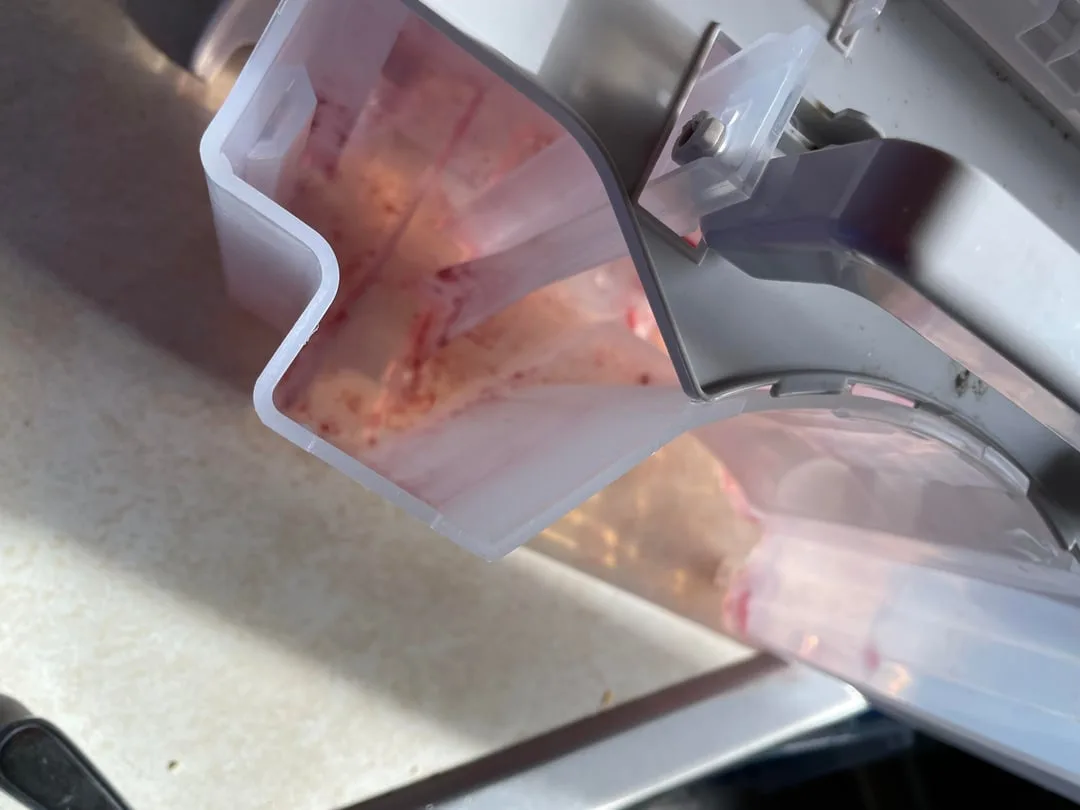
Image source: Bing (Web (fair-use with source credit))
Second, heavy metals. Copper and aluminum coils can leach into the water, especially if the water sits acidic. Dehumidifier water often has a pH between 5.0 and 6.5, which is acidic enough to pull copper and zinc ions off the coils.
The CDC has linked elevated copper levels to gastrointestinal distress and liver damage.
Third, mold spores and allergens. The unit has an air filter, but it's not designed to catch everything. Microscopic spores and dust particles slip through, end up in the tank, and multiply.
Drinking that water can trigger allergic reactions, respiratory symptoms, or worse for people with asthma.
Fourth, VOCs and plastic chemicals. The tank is made from non-food-grade plastic. Over time, that plastic degrades and can shed phthalates and other volatile organic compounds into the water.
None of these substances belong in your body.
| Contaminant | Source | Health Risk |
|---|---|---|
| Bacteria (e.g., Legionella, Pseudomonas) | Biofilm growth in tank | Gastrointestinal illness, respiratory infection, legionnaires' disease |
| Mold and mold spores | Airborne spores captured in water | Allergic reactions, asthma flare-ups |
| Copper, zinc, and lead | Coils and solder | Organ damage, neurotoxicity over time |
| Volatile organic compounds | Non-food-grade plastics | Hormone disruption, potential cancer risks |
| Dust, pollen, pet dander | Airborne particles | Allergic responses, inflammation |
This water is not a beverage at any price.
Safe Alternatives: What to Drink Instead
So, what should you drink when you're staring at a full tank of wasted water? Easy: tap water, filtered water, or properly distilled water.
Tap water is regulated by the EPA under the Safe Drinking Water Act. It's treated, tested, and safe for most people. If you're concerned about taste or municipal contaminants, a simple carbon filter works well.
Bottled water is convenient, but it's not the only option. A countertop water distiller, which runs about $100 to $200, gives you distilled water for ironing, CPAP machines, and even drinking if you add minerals back. Reverse osmosis systems, installed under the sink, remove nearly all impurities and produce high-quality drinking water.
| Alternative | Cost | Best For |
|---|---|---|
| Tap water | Pennies per gallon | Everyday drinking and cooking |
| Carbon-filtered tap water | Moderate setup cost | Improving taste and reducing chlorine |
| Countertop distiller | $100–$200 upfront | Pure distilled water for appliances |
| Reverse osmosis system | $200–$500 installed | High-purity drinking water for the whole household |
If you're in a survival scenario with no other water source, you're better off collecting rainwater or boiling water from a stream. Dehumidifier water should be a last resort, and even then, only after running it through a filter designed for heavy metals plus a chemical treatment like iodine. That's not a recommendation, just a warning that it's risky.
Common Mistakes People Make (And Why Boiling Isn't Enough)
The biggest myth floating around online is that boiling dehumidifier water makes it safe. That's dangerously wrong in several ways.
Boiling kills bacteria and viruses. That part is true. But it doesn't remove heavy metals, chemical residues, or dissolved VOCs.
In fact, boiling can concentrate those contaminants because some water evaporates, leaving a more toxic brew behind. The EPA notes that boiling is only a safe treatment for microbial contamination, not chemical pollution.
Another mistake is assuming the water is "pure" because it looks clear. Clear water can still contain invisible levels of bacteria and metals. It's what you can't see that makes you sick.
People also let the tank go too long between cleanings. That's a problem even if you're just using the water for plants. Biofilm forms quickly.
Aggregate reviews of dehumidifiers regularly mention black sludge in the tank. That sludge is bacteria, and it aerosolizes into the air every time the unit runs.
What You Should Never Do
- Never drink dehumidifier water, plain or boiled.
- Never run it through a coffee maker or pitcher filter, thinking that's enough.
- Never give it to pets or use it for cooking.
- Never leave water sitting in the tank for more than 48 hours, even for non-drinking uses.
If you absolutely must use that water for, say, an iron, clean the tank weekly. A simple vinegar rinse can reduce biofilm buildup. But even then, that water is for appliances, not people.
For your own safety, stick to sources you know are treated and tested. Your body will thank you.
Maintenance / Long-Term Optimization
Because the water is a hazard, the tank itself needs regular care. The same bacteria that make the water unsafe will eventually damage the machine. Keep the tank and coils clean, and the unit lasts longer.
Empty the tank every 48 to 72 hours. Stagnant water breeds biofilm, which smells foul and clogs the pump or float switch. If you use continuous drainage, check the hose for algae growth once a month.
A 50/50 white vinegar rinse kills most bacteria without harsh chemicals. Use a soft brush for the tank walls, never a scouring pad.
Replace the air filter every three months, or more often in dusty basements. A clogged filter reduces airflow, which makes the coils colder and increases condensate production. That sounds good, but it also means more airborne junk ends up in the water.
If you stop using the unit for the season, dry the tank completely before storing it. Make sure the coils are dry too. Leftover moisture is a mold farm.
A unit stored wet develops a permanent musty smell that no amount of cleaning fixes.
Water quality aside, a well-maintained dehumidifier protects your home. It keeps basements dry, prevents structural damage, and stops mold from spreading. That's the real purpose of the machine.
Frequently Asked Questions
Can you drink dehumidifier water after boiling it?
No. Boiling kills bacteria and viruses, but it does nothing to heavy metals, chemical residues, or VOCs. The water can still contain copper, zinc, or plastic byproducts that are harmful if ingested.
Boiling might actually concentrate those contaminants as water evaporates.
Is dehumidifier water the same as distilled water?
No. Distilled water is boiled into steam and condensed in a sterile chamber. Dehumidifier water condenses on dirty coils without any heating step.
The CDC and other health agencies treat them as completely different products. One is safe to drink, the other is not.
Can you use dehumidifier water for plants?
Yes, for most houseplants and outdoor gardens. The water is fine for irrigation in most cases. However, if you're growing edible vegetables, the heavy metal and chemical content could accumulate in the soil over time.
Use tap water for anything you plan to eat.
Can I use dehumidifier water in a CPAP machine?
No. CPAP machines require distilled water to prevent mineral buildup and bacterial growth in the humidifier chamber. Dehumidifier water contains impurities that can damage the machine and introduce contaminants into your airways.
Buy distilled water instead.
Can you filter dehumidifier water to make it safe?
No standard home filter makes it safe. Pitcher filters won't remove heavy metals or bacteria. Even advanced filters designed for survival situations typically aren't certified for this application.
The safest choice is always a tested, treated water source.
The Bottom Line / Final Verdict
Dehumidifier water is not drinking water. No amount of boiling, filtering, or wishful thinking changes that basic fact.
The water in that tank can contain bacteria, mold spores, heavy metals, and chemical residues. The machine itself is designed to dry air, not produce potable water. Manufacturer specifications and every health agency that has weighed in agree on this point.
If you're thinking about emergency scenarios, plan ahead instead. Store tap water in clean containers, or keep a countertop distiller on hand. Those options are tested, simple, and safe.
For your home, use a dehumidifier for its actual job. It protects your basement from moisture damage, reduces musty odors, and discourages mold growth. If you're shopping for one, choosing a model built for basement conditions makes a real difference in performance and maintenance.
Just remember one rule: that water goes down the drain, not down your throat. Your health depends on it.