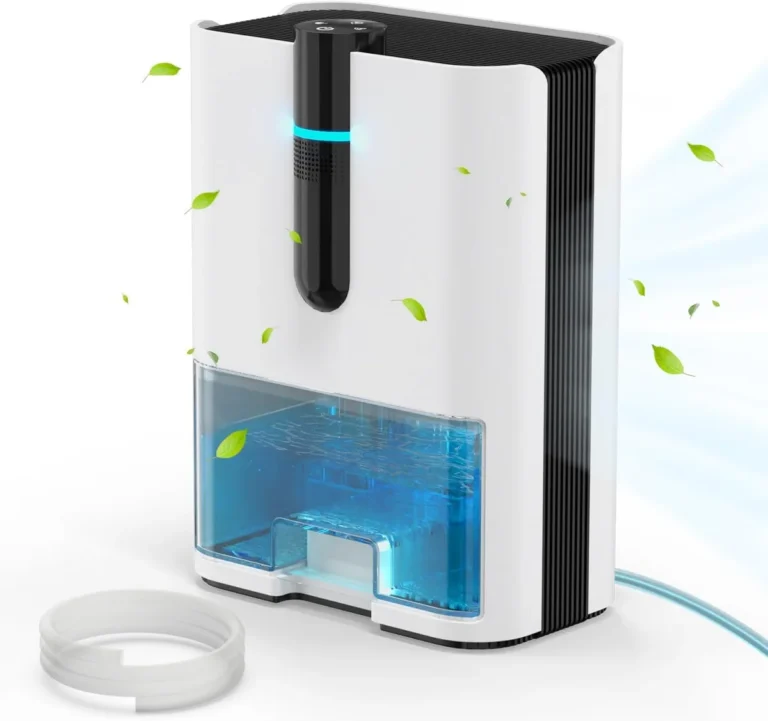
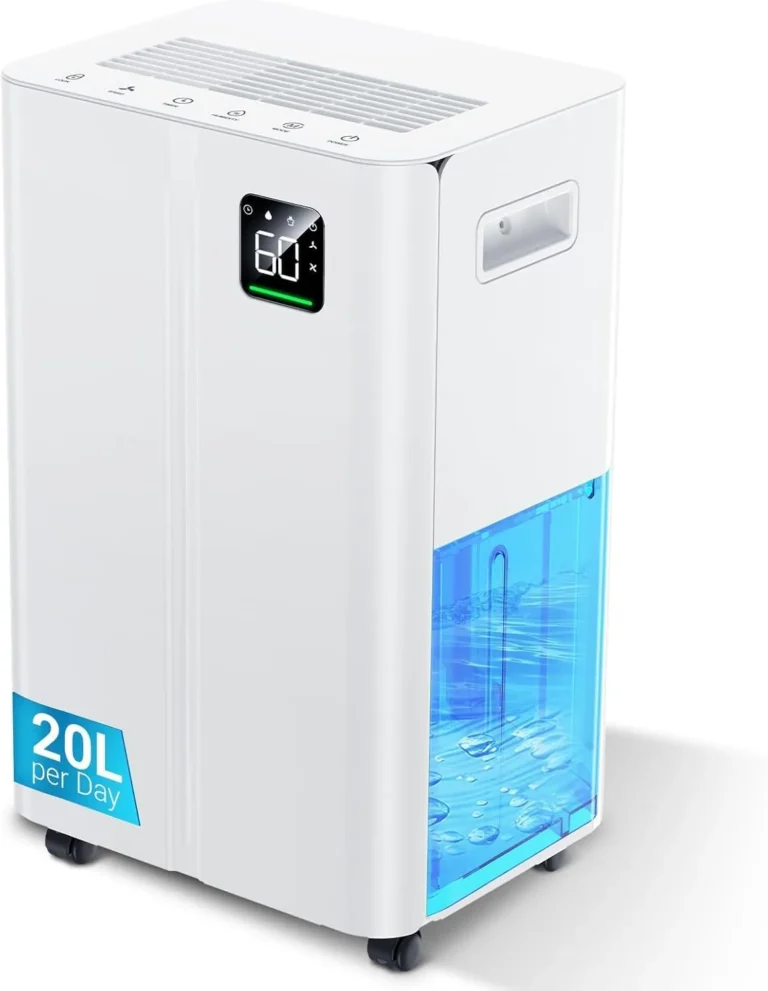
How Does a Dehumidifier Work
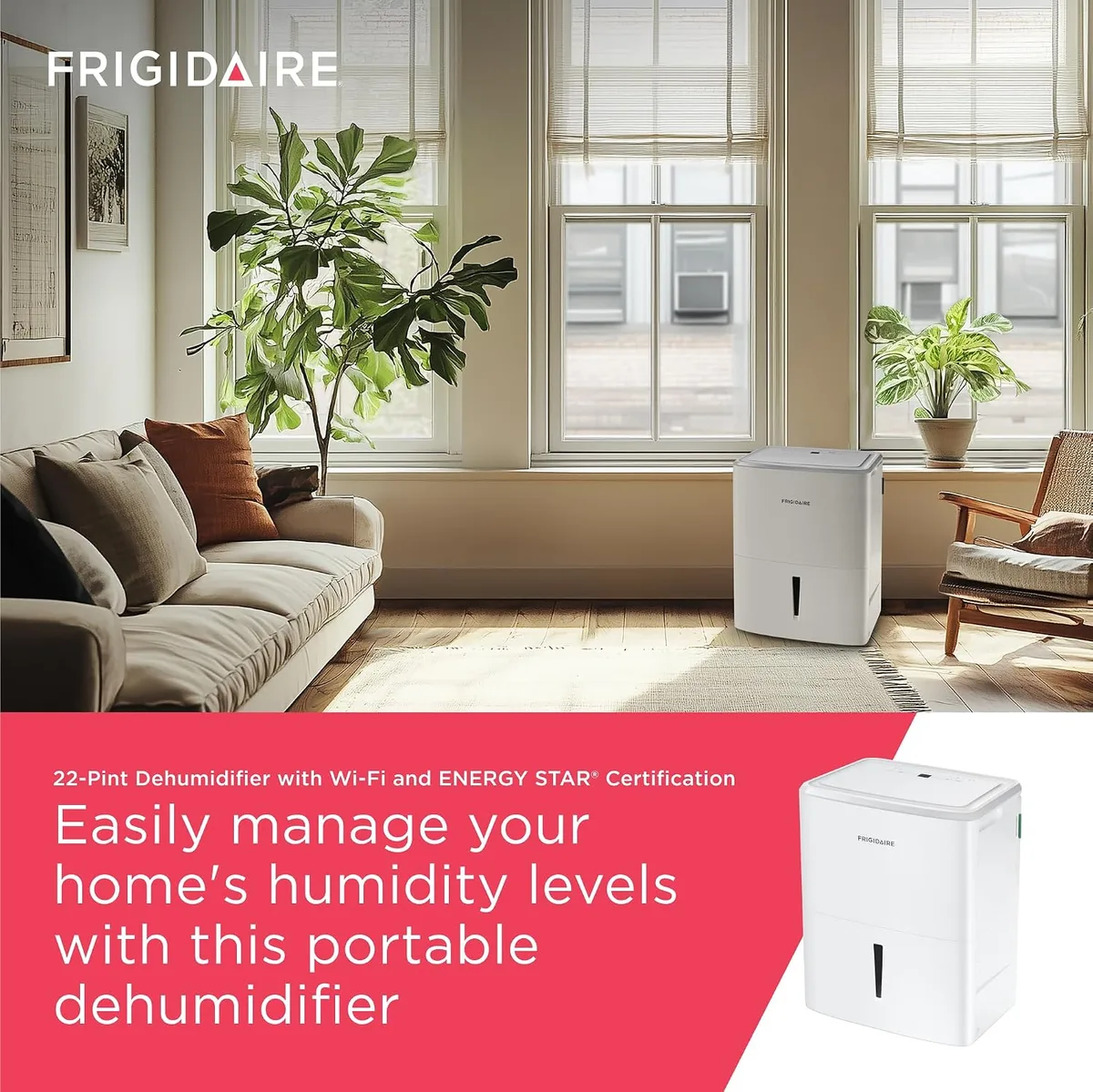
Image source: Bing (Web (fair-use with source credit))
You're standing in a damp basement that smells like old socks. The air feels heavy and sticky. You've heard a dehumidifier can fix this, but you're not sure how it actually pulls water out of thin air.
That's exactly what we're going to unpack.
The short answer is that a dehumidifier works the same way a cold drink sweats on a hot day. It uses a refrigeration cycle to create a very cold surface, then blows warm room air across it. Per ASHRAE standards, indoor relative humidity should stay between 30% and 60% for comfort and mold prevention.
A dehumidifier brings that number down by physically removing water vapor. Let's walk through how that process actually happens.
Quick Answer
A dehumidifier pulls warm, humid air over ice-cold metal coils. The moisture condenses into liquid water. That water drips into a collection bucket.
The now-dry air passes over warm coils and returns to the room slightly warmer. That's the whole cycle in about six seconds.
A Step-by-Step Visual Tour of the Refrigeration Cycle
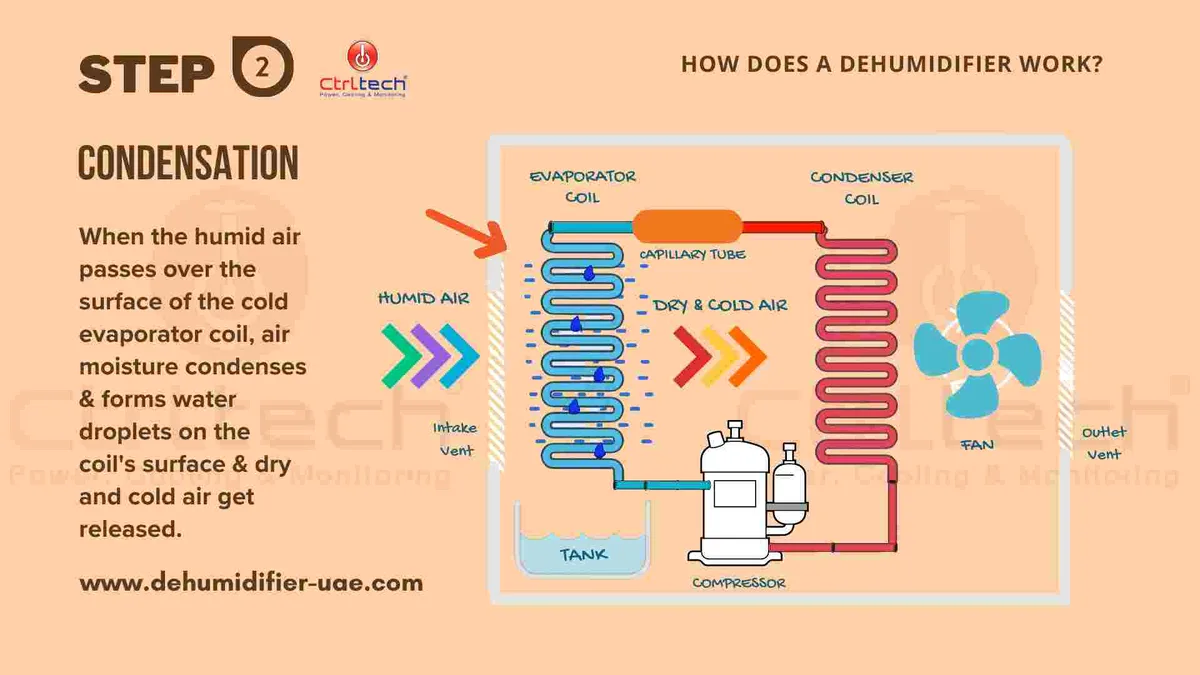
Image source: Bing (Web (fair-use with source credit))
The refrigeration cycle is the heart of every compressor-based dehumidifier. It's the same basic technology used in your refrigerator and air conditioner. The difference is how the cold and heat get used.
A dehumidifier dumps the cold onto the incoming air to make water, then sends the leftover heat back into the room.
Step 1: Warm, Humid Air Gets Pulled In
A fan at the back of the unit creates suction. It pulls room air through the intake grille. That air carries water vapor, dust, and whatever else is floating around.
The fan pushes that air straight toward the cold evaporator coils. A filter catches most of the dust and particles before they reach the coils.
Step 2: Air Passes Over Ice-Cold Coils
The evaporator coils sit at around 40°F to 45°F. That's well below the dew point of typical room air. The refrigerant inside those coils expands rapidly through an expansion valve, which drops its temperature even further.
The warm air hits those cold coils and cannot hold its moisture anymore.
Step 3: Water Condenses and Drips Into the Bucket
This is the cold soda can moment. Water vapor in the air turns back into liquid on the surface of the coils. You see beads of water form, just like on a glass of iced tea.
Gravity pulls those beads down into a drip tray. The water flows from the tray into the collection bucket or a continuous drain hose.
Step 4: The Refrigerant Carries the Heat Away
The refrigerant absorbs heat from the room air. It leaves the evaporator as a warm gas. The compressor squeezes that gas into a high-pressure state, making it even hotter.
That hot gas flows through the condenser coils. A second fan blows air over those coils, dumping the heat back into the room.
Step 5: Dry, Slightly Warmer Air Comes Back Out
The air leaving the dehumidifier has two things done to it. First, the moisture was stripped out by the cold evaporator coils. Second, the air was warmed by passing over the condenser coils.
The result is dry air about 5°F to 10°F warmer than the room. That's why basements feel warmer after a dehumidifier runs.
Key Components: What to Look for Inside (Evaporator, Condenser, Compressor, Fan)
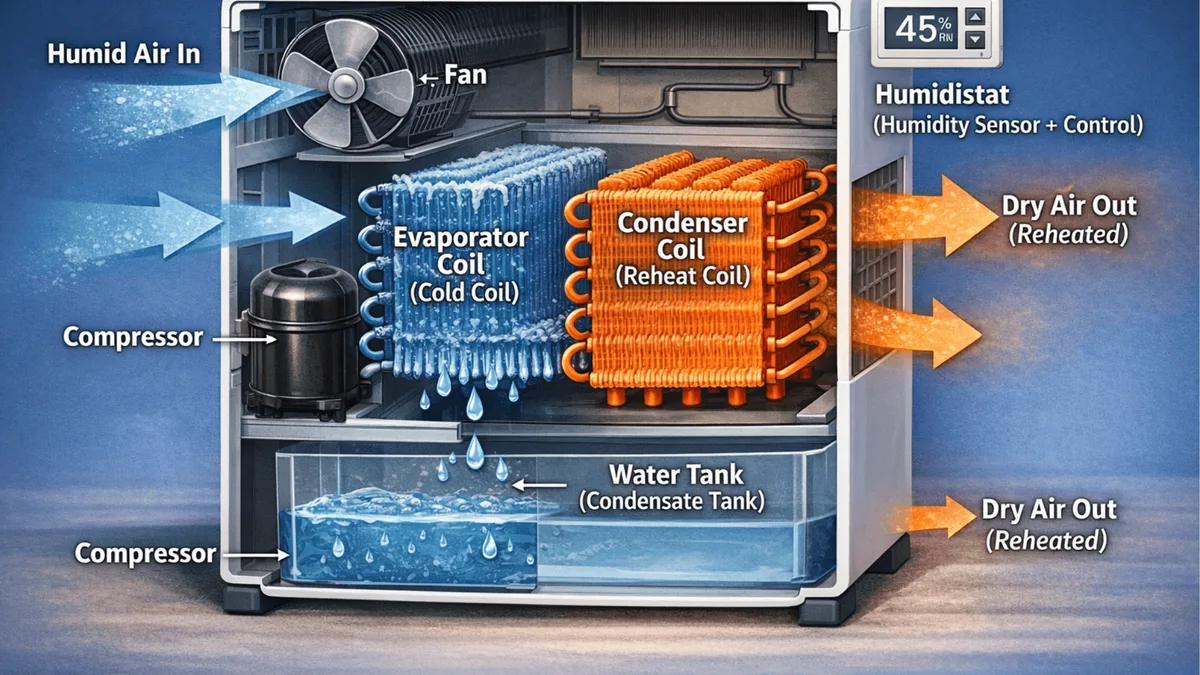
Image source: Bing (Web (fair-use with source credit))
Four main components do all the work inside a compressor dehumidifier. Each one has a specific job. Understanding them helps you diagnose problems and choose the right unit.
| Component | What It Does | Common Failure Point |
|---|---|---|
| Evaporator coils | Cools air to condense water | Freezes up if airflow is blocked |
| Condenser coils | Dumps heat back into the room | Gets clogged with dust |
| Compressor | Pressurizes refrigerant gas | Wears out over time, loud hum |
| Fan | Moves air across both coil sets | Motor bearings fail, blades get dirty |
The compressor is the only moving part that actually pumps refrigerant. It's the most expensive component to replace. If the compressor fails, the unit is usually not worth fixing.
The fan is the other moving part, a simple motor spinning a blower wheel or fan blade.
The evaporator and condenser coils are sealed metal tubes. They can bend or develop pinhole leaks. A refrigerant leak is a death sentence for the unit.
You can't patch it yourself without EPA certification. The coils also collect dust and grime over time, insulating them and reducing performance.
The humidistat tells the unit when to turn on and off by measuring relative humidity. If it fails, the unit may run nonstop or never turn on. Some models use a mechanical knob, while others use a digital sensor.
Common Visual Mistakes: Ice Buildup, Dirty Coils, and Bucket Issues
Three problems show up in user reviews more than any others. They're easy to spot if you know what to look for. Ice buildup is the most common issue people panic about.
Ice forms on the evaporator coils when the room temperature drops below about 65°F. The coils get so cold that the condensation freezes instead of dripping. That ice layer acts as insulation.
The fan keeps blowing, but the coils never get warm enough to melt the ice. The unit stops removing water and the ice grows thicker.
Signs of ice buildup include:
- Frost visible on the front grille or coils
- Water stops flowing into the bucket
- The unit runs but the room stays humid
- Airflow feels weak
Dirty coils are the second most common visual issue. Dust and lint build up on the evaporator coils over weeks of use. The dust insulates the coils, so the air never gets cold enough to condense water.
The unit runs constantly but produces very little water. Cleaning the coils with a soft brush restores performance immediately.
Bucket problems are simple but frustrating. The float switch or sensor that detects a full bucket can get stuck. The unit thinks the bucket is full and shuts off even when it's empty.
Sometimes the bucket is slightly out of alignment. Always check that the bucket is seated correctly before calling a repair.
How to Use This Knowledge: Choosing the Right Size and Type for Your Space
Now that you understand the mechanics, you can make smarter decisions. The two main decisions are capacity and type. Capacity is measured in pints per day, telling you how much water the unit can remove in 24 hours at standard conditions.
General sizing guidelines based on manufacturer specs:
- 200 to 500 square feet: 20 to 30 pints per day
- 500 to 1,000 square feet: 30 to 50 pints per day
- 1,000 to 2,000 square feet: 50 to 70 pints per day
- Over 2,000 square feet: 70+ pints per day or multiple units
If you have a damp basement, you likely need a larger unit than the square footage suggests. Basements are below grade and stay cooler, with more moisture coming through walls and floor. Many people find that a 50-pint model works well for most basements.
You can compare performance ratings in our review of large-room models if you want to see real numbers.
The type question comes down to refrigerant versus desiccant. Refrigerant units work best in warm conditions above 65°F. They're more efficient and cheaper to run.
Desiccant units use a rotating wheel coated in moisture-absorbing material. They work well in cold conditions down to freezing.
| Factor | Refrigerant Unit | Desiccant Unit |
|---|---|---|
| Best temperature | Above 65°F | Any temperature |
| Operating cost | Lower | Higher (uses heater) |
| Noise level | Moderate (compressor hum) | Quiet (fan only) |
| Typical lifespan | 5 to 10 years | 3 to 5 years |
| Best use case | Basements, living areas | Crawl spaces, cold rooms |
For most homes, a refrigerant unit is the right choice. If you are dehumidifying a crawl space or unheated garage in a cold climate, consider a desiccant unit. The upfront cost is higher, but it actually works when the temperature drops.
Maintenance That Keeps Your Dehumidifier Running Efficiently
A dehumidifier is a simple machine, but it still needs regular upkeep. Skipping maintenance is the fastest way to turn a $250 appliance into a paperweight. The good news is that you only need about 15 minutes a month to keep it running like new.
Start with the filter. Wash it every two to four weeks, depending on how dusty your home is. Most filters slide out and rinse under warm water.
Let it dry completely before putting it back. A clogged filter blocks airflow, which causes ice buildup and weak performance.
The evaporator and condenser coils need a check every three to six months. Use a soft brush or a vacuum with a crevice tool to remove dust and lint. Be gentle, because the fins are thin and bend easily.
You can also use a coil cleaner spray to remove stubborn grime.
The bucket deserves a monthly cleaning too. Empty it, then wipe it with a solution of white vinegar and water. This kills mold and prevents that musty smell from returning.
Let the bucket air dry before reinstalling it.
| Maintenance Task | Frequency | Time Needed |
|---|---|---|
| Clean air filter | Every 2–4 weeks | 5 minutes |
| Wipe down coils | Every 3–6 months | 15 minutes |
| Clean the bucket | Monthly | 5 minutes |
| Check drain hose | Monthly | 2 minutes |
If you use a continuous drain hose, inspect it regularly. A kink or algae buildup will stop water flow. When that happens, the bucket fills up quickly and the unit shuts off.
Run a cup of white vinegar through the hose to clear it out.
Our research shows that people who stick to a simple cleaning schedule get more water removal per dollar. The unit also runs more efficiently, lowering your electric bill. Most 50-pint units sold in 2026 now come with washable filters and easy-access coils, making maintenance even simpler.
If you're shopping for a new unit, pairing a reliable model with good habits will give you years of dry, comfortable air. Check out some budget-friendly options if you want to start fresh without overspending.
For more in-depth guidance on preventing mold and managing humidity, the EPA's official guidance is a solid reference. They recommend keeping indoor relative humidity below 60% to avoid mold growth. That lines up perfectly with what a well-maintained dehumidifier delivers.
Frequently Asked Questions
Why is my dehumidifier not collecting water?
The most common cause is a dirty filter or a frozen evaporator coil. Start by cleaning the filter and checking the coil for frost. If the coil is frozen, let the unit thaw and dry out for 24 hours.
Also, make sure the room is actually humid enough. If the humidity is below 40%, the unit won't pull much water.
How often should I empty the dehumidifier bucket?
It depends on the pint capacity and the humidity level. A 50-pint unit in a damp basement can fill its bucket in 8 to 12 hours. In a less humid room, it might take two days.
Check the bucket indicator light and empty it before it overflows. Using a continuous drain hose eliminates this task entirely.
Can a dehumidifier cool a room?
No, a dehumidifier actually warms the air slightly. The condenser coils dump heat back into the room, so the air comes out about 5°F to 10°F warmer than it went in. The room can feel more comfortable because the air is drier, but it's not cooling.
For actual cooling, run an air conditioner or a fan.
What is the ideal indoor humidity level?
Per ASHRAE and EPA guidelines, keep indoor relative humidity between 30% and 60%. Most people find that 40% to 50% is the sweet spot for comfort and mold prevention. Set your dehumidifier's humidistat to that range.
If the room gets below 30%, you may notice dry skin and cracked wood furniture.