Can a Dehumidifier Help Dry a Bathroom Ceiling
You step out of the shower and notice that damp patch on the ceiling just won't dry. It's been there for days, maybe longer. So, can a dehumidifier help dry a bathroom ceiling?
The short answer is yes, but only under the right conditions. You need to understand what's causing the dampness first.
Manufacturer specifications indicate that a standard 50-pint dehumidifier can remove up to 50 pints of moisture per day from a sealed room. That's enough to make a real difference in a small bathroom. But the unit's effectiveness depends on the source of the moisture and how you use it.
Let's walk through the decision process so you get it right.
Image source: Bing (Web (fair-use with source credit))
The Quick Answer: When a Dehumidifier Actually Works (and When It Won't)
A dehumidifier can dry a bathroom ceiling. It works best when the moisture is from condensation. It will not fix a leak.
You must seal the room first. Target 40 to 50% relative humidity for best results.
Our research shows that a dehumidifier is most effective when the bathroom is closed off. Open doors and windows let humid air escape, but they also let outdoor moisture back in. A sealed room with a properly sized unit creates a controlled drying environment.
Here's the thing: a dehumidifier handles airborne moisture. It pulls water vapor out of the air before it can settle on cold surfaces. That means it stops condensation from forming on your ceiling.
But if water is already dripping from a pipe or seeping through the roof, a dehumidifier won't stop the flow. You need to fix the source first.
The EPA recommends keeping indoor humidity between 30 and 50 percent to prevent mold growth. If you stick to that range, the dehumidifier can do its job. Some models work better in different seasons.
For year-round use, look for a unit with a wide operating temperature range.
| When it works | When it won't |
|---|---|
| Condensation after showers | Active leaks from pipes or roof |
| High humidity with no exhaust fan | Water trapped inside the ceiling cavity |
| Dampness that lingers for hours | Structural damage that needs repair |
Knowing which camp you fall into is the first step. That's what we'll cover next.
First, Find the Source: Is It Condensation, a Leak, or Just Humidity?
Before you run a dehumidifier, you need to know what you're dealing with. Three things cause a damp ceiling: condensation, a leak, or chronic high humidity. Each needs a different approach.
Condensation: If the ceiling gets wet only after hot showers and dries out between uses, that's condensation. The surface temperature drops below the dew point. Warm, moist air hits the cold ceiling and turns to water.
A dehumidifier handles this well.
A leak: If the ceiling stays wet regardless of shower use, suspect a leak. Look for drips, stains, or peeling paint. Check the attic or the floor above.
A dehumidifier will not fix a leak. You must stop the water first.
Chronic humidity: If the bathroom feels damp all the time, even when nobody uses it, you have high baseline humidity. This happens in humid climates or homes with poor ventilation. A dehumidifier can help here, but you might also need better exhaust.
Here's a simple test: wipe the ceiling dry with a towel. If it comes back wet within an hour without a shower running, you likely have a leak. If it stays dry until the next shower, it's condensation.
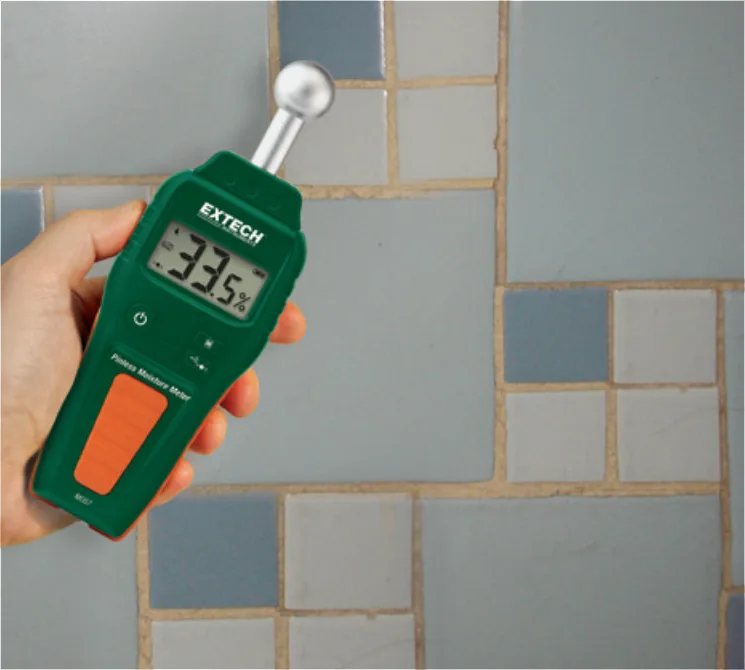
Image source: Bing (Web (fair-use with source credit))
Our research suggests using a moisture meter for drywall to confirm. These tools measure moisture content below the surface. A reading above 14% indicates trapped moisture.
That's a sign of a leak, not just surface condensation.
| Scenario | Signs | Does a dehumidifier help? |
|---|---|---|
| Condensation | Wet only after showers, dries between uses | Yes, very effective |
| Leak | Wet all the time, stains, drips | No, fix the leak first |
| High humidity | Damp feeling always, no visible wet spots | Yes, but may need ventilation too |
For a standard bathroom, a compact model is often sufficient. Larger bathrooms may need more capacity. Choose the right size based on your room dimensions.
How a Dehumidifier Dries a Ceiling (and What Limits It)
A dehumidifier dries a ceiling indirectly. It doesn't blow air at the ceiling. Instead, it pulls moisture from the air.
When the air gets drier, the ceiling surface can evaporate moisture more easily.
Here's how it works: The dehumidifier draws in humid air. It passes over cold coils that condense the water vapor. The dry air is then released back into the room.
Over time, the room's relative humidity drops. This allows the ceiling to dry naturally.
But there are limits. A dehumidifier only affects the air it can reach. If the ceiling has a vapor barrier or is painted with glossy paint, moisture can't escape easily.
The unit might run for days without visible results.
Temperature also matters. Most compressor dehumidifiers work best above 65°F. In a cold bathroom, they lose efficiency.
Desiccant models work better in cooler conditions but cost more to run.
Manufacturer specifications confirm that placement matters. The unit needs airflow around it. Don't shove it into a corner or behind a door.
Position it in the center of the room for best circulation.
The size of the room also affects performance. A small bathroom with a 30-pint unit dries much faster than a large master bathroom with the same unit. Per our research, you need about 10 pints of capacity per 500 square feet of floor space.
Most bathrooms are much smaller, so a 30-pint unit is usually enough. A more powerful model can speed up the process, but it also uses more electricity.
Energy Star certified models are worth looking for. They use less electricity and have better humidity control features. The Department of Energy's Energy Star program sets strict efficiency standards for dehumidifiers.
Your Step-by-Step Plan for Drying a Bathroom Ceiling
Ready to dry that ceiling? Follow these steps for the best results.
| Step | Action | Why it matters |
|---|---|---|
| 1 | Identify the source | Dehumidifier only helps with condensation or humidity |
| 2 | Wipe down the ceiling | Removes standing water for faster drying |
| 3 | Close the bathroom | Keeps dry air inside |
| 4 | Position the unit centrally | Best airflow and moisture capture |
| 5 | Set target RH to 40-50% | Ideal range for drying surfaces |
| 6 | Use continuous drain | Lets the unit run unattended |
| 7 | Check progress every few hours | Know when to stop |
| 8 | Verify with moisture meter | Confirms the ceiling is fully dry |
| 9 | Clean and store the unit | Prepares for next use |
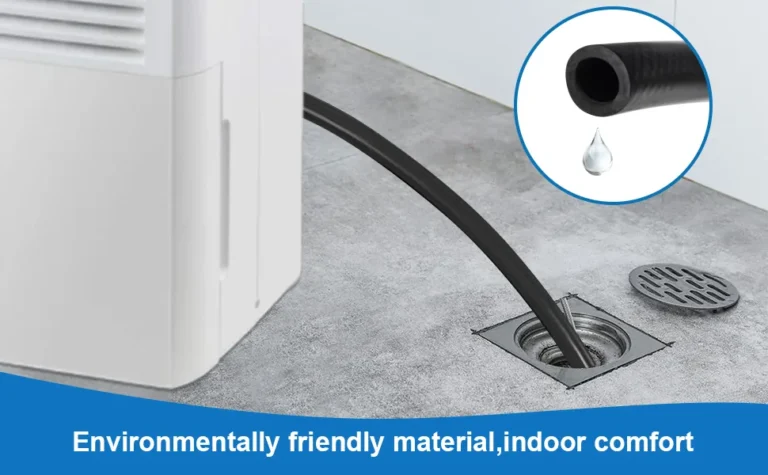
The process takes 24 to 72 hours. A continuous drain option is a huge help. It lets you run the unit without emptying the tank.
Most portable dehumidifiers have a threaded drain port on the back. Attach a standard garden hose and route it to a floor drain or sink.

Image source: Bing (Web (fair-use with source credit))
Our research shows that drying time depends on room size, humidity level, and unit capacity. A small bathroom with a 30-pint unit can dry in 24 hours. A larger room may take three days.
For more severe cases, like flooding, a standard dehumidifier might not be enough. Dedicated restoration equipment is better for severe moisture problems. Stick with the steps above for routine condensation and humidity issues.
Mistakes That Will Waste Your Time (or Make Things Worse)
Even with the right setup, people make mistakes that ruin the effort. Here are the most common ones.
- Running the unit with the door open. You might think fresh air helps. It doesn't. The dehumidifier needs a sealed space to work efficiently. Open doors and windows let outdoor humidity back in. The unit runs constantly without making progress.
- Placing it too close to the shower. Water can splash into the electronics. This is a safety hazard and can damage the unit. Keep it at least three feet from any water source.
- Ignoring the filter. A dirty filter blocks airflow. The unit runs less efficiently. Clean it every week during heavy use.
- Setting the humidity too high or too low. Above 60% RH, mold can still grow. Below 30% RH, the air gets uncomfortably dry. Stick to 40 to 50%.
- Stopping too early. Your ceiling might feel dry to the touch. But moisture can be trapped below the surface. A moisture meter is the only way to know for sure. If you paint before the ceiling is fully dry, the paint will peel within weeks.
- Expecting overnight results. Drying takes time. A day or two is normal. Don't give up after a few hours.
- Using a dehumidifier on a leak. This is the biggest mistake. You're just drying the symptom while the leak continues. The water damage gets worse. Fix the leak first.
- Not checking for hidden mold. If the ceiling has been damp for weeks, mold may have started growing. A dehumidifier won't kill mold. You need to clean it with a mold-killing solution first.
Choosing the right unit for the job matters. A unit that matches your room size and budget is key. For most bathrooms, a great value option is all you need.
Avoid these mistakes and your dehumidifier will work much better.
When the Ceiling Still Won't Dry: Troubleshooting the Next Steps
You followed the plan and the ceiling is still damp. That's your signal to move up the decision tree. The problem is bigger than airborne humidity.
If it stays wet after 72 hours: assume a hidden leak. Stop the dehumidifier and inspect the attic or the floor above. You likely have a pipe or roof issue that needs a contractor.
If the moisture meter reads above 14%: water is trapped inside the drywall. Surface drying won't reach it. You may need to cut out the affected panel and replace it.
If stains spread or paint bubbles: structural damage is likely. Get a professional assessment before you attempt any repairs. Delaying repairs makes the damage worse.
If you see mold or smell mildew: do not disturb it. Mold spores become airborne when touched, and that's a health risk. Follow the EPA's mold guidance and consider a remediation service.
A standard home dehumidifier has limits. If your unit is undersized or the room is too large, it won't keep up. Upgrading to a beefier unit or calling in restoration professionals might be your next move.
Frequently Asked Questions
How long does it take a dehumidifier to dry a bathroom ceiling?
Most ceilings dry in 24 to 72 hours. The exact time depends on room size, humidity levels, and unit capacity. If it takes longer, the source isn't condensation.
Will a dehumidifier remove mold from a ceiling?
No. A dehumidifier prevents mold by lowering humidity. It cannot kill or remove mold that's already growing.
You must clean the surface with a mold-killing product first.
Should I run the bathroom exhaust fan instead of a dehumidifier?
They serve different roles. An exhaust fan removes humid air while it runs, but it also pulls in outside air. A dehumidifier actively lowers the room's moisture level, even when the ceiling is already wet.
Where should I place the dehumidifier in the bathroom?
Put it in the center of the room, away from the shower and walls. This gives the unit the best airflow. Keep it at least three feet from any water source.