What Is the Ideal Humidity for a Home
What is the ideal humidity for a home? It's usually somewhere between 30 and 50 percent relative humidity. But that range only tells part of the story.
Your perfect number depends on the season, your climate, how tight your house is, and even what's inside it.
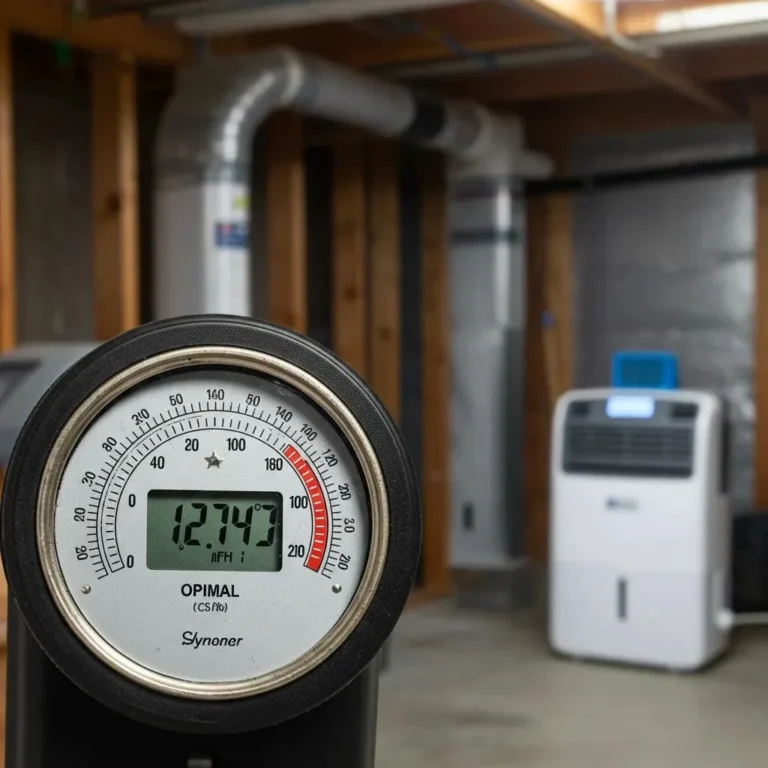
Relative humidity, or RH, measures how much moisture the air holds compared to its maximum capacity at the current temperature. The Environmental Protection Agency (EPA), ASHRAE, and the CDC all land on the same range. As of 2026, the 30 to 50 percent zone is still the safe, comfortable target for most homes.

Image source: Bing (Web (fair-use with source credit))
The Short Answer: 30 to 50 Percent Is the Gold Standard, But It's Not That Simple
Keep indoor relative humidity between 30 and 50 percent. That is the official guidance from the EPA, ASHRAE, and CDC. The lower end suits winter best.
The upper end suits summer best. Your exact target shifts with conditions.
Think of that range as a safety zone, not a prescription. In winter, many homes naturally drop below 30 percent. In summer, especially in the Southeast, they climb past 60.
That's when you adjust.
- Winter target: 30 to 40 percent
- Summer target: 45 to 50 percent
- Emergency cutoff: under 60 percent for mold prevention
Condensation on windows tells you when you've overshot. Dry, itchy skin and static shocks tell you when you've undershot.
Why Getting Humidity Right Matters for Your Health and Your Home
Your body notices humidity before you do. Air that's too dry dries out your mucous membranes, which makes you more vulnerable to colds and allergies. It also triggers eczema flare-ups and chapped lips.
Too much moisture is worse. Dust mites thrive above 50 percent relative humidity. Mold and mildew start colonizing surfaces above 60 percent, especially in bathrooms, basements, and closets.
If your home stays humid for days, you're giving allergens a breeding ground.
The house itself pays the price too. High humidity warps wood floors, swells doors, and stains drywall. Low humidity shrinks hardwood, cracks furniture, and destabilizes pianos and guitars.
That's why keeping humidity steady year-round matters more than any single number. The EPA's indoor air quality guidance lands on comfort, but also on health for everyone in the home.
The Risks of Low Humidity vs. High Humidity
Getting too far outside the 30 to 50 percent zone causes predictable problems. Below 30 percent, you get static shocks and respiratory irritation. Above 60 percent, you get mold and musty smells.
Both extremes stress your home's structure.
| Humidity Level | Common Effects | Where You Notice It |
|---|---|---|
| Under 30 percent | Dry skin, nosebleeds, static electricity, cracked wood | Bedrooms, hardwood floors, living rooms |
| 30 to 50 percent | Comfortable, low risk, protected materials | Everywhere |
| Over 60 percent | Mold, mildew, dust mites, condensation | Basements, bathrooms, windows, closets |
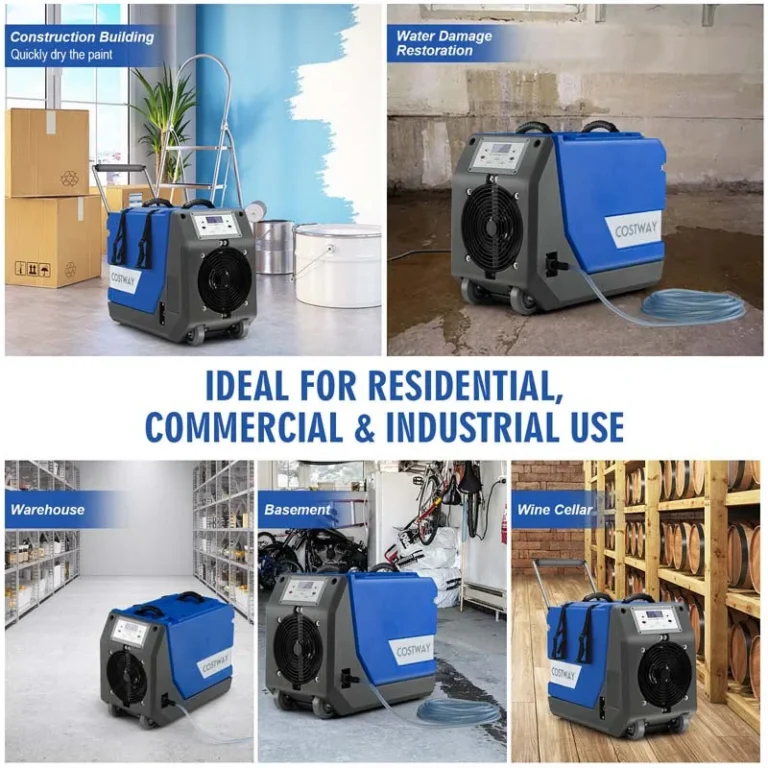
The basement is usually the first place to creep too high. If yours is damp and smells musty, a basement-sized model is often the fix. But also watch for hidden signs like condensation on window frames.
Those show up long before visible mold does.
How to Find Your Ideal Humidity by Season and Climate
Your target isn't fixed. Here's a simple way to set it:
- Winter: 30 to 40 percent. If you have double-pane windows and good insulation, you can push toward 40. See condensation? Drop to 30.
- Spring and fall: 35 to 45 percent. Moderate outdoors usually means moderate indoors.
- Summer: 45 to 50 percent. Warmer air holds more moisture, so you need the upper range to feel comfortable.
Your region matters too. In the Southeast, humidity control is mostly a summer job. In the desert Southwest, it's a winter one.
Coastal areas swing both ways.
The fastest way to find your ideal number is to adjust in 5 percent steps. Watch your hygrometer, check your windows, and pay attention to how you feel. If a bedroom stays above 55 percent at night, you'll want a smaller unit for that space.
How to Measure and Control Humidity the Right Way
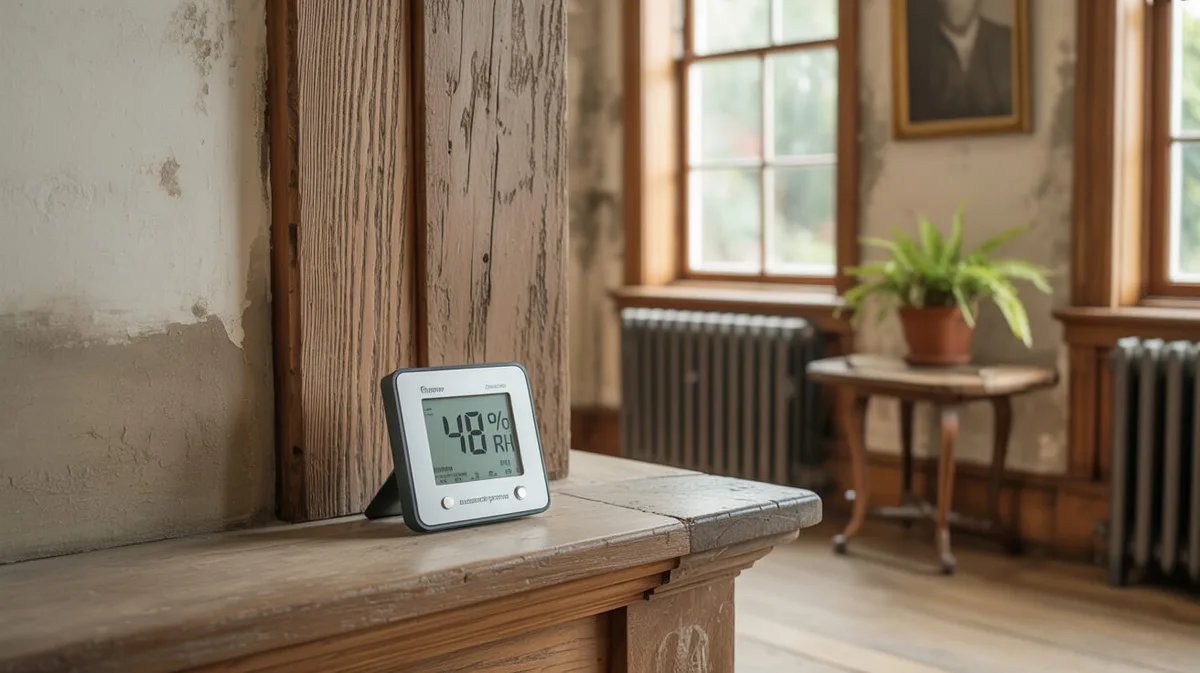
Image source: Bing (Web (fair-use with source credit))
You can't manage what you don't measure. A hygrometer gives you a real-time read on relative humidity. Digital models are accurate enough for most homes.
Place yours in the room you use most, away from vents, radiators, and bathroom steam.
For accuracy, run the salt test. Put a damp paper towel and a few tablespoons of salt in a sealed jar with your hygrometer. Wait 24 hours.
It should read about 75 percent. If it doesn't, you know its offset.
Once you know your number, choose a control tool:
- Below 30 percent: add moisture with a humidifier.
- Above 55 percent: start running a dehumidifier.
- Wide swings week to week: use a smart thermostat or humidistat.
Sizing matters. A machine that's too small runs nonstop and never catches up. A large-room unit usually beats several small models.
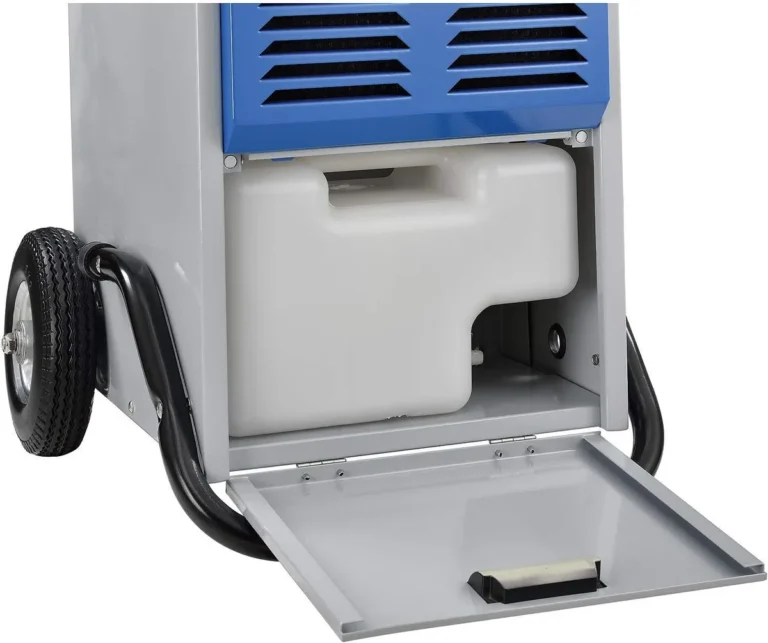
For whole floors with chronic dampness, a heavier-duty option is common. Clean filters monthly, empty tanks regularly, and use a continuous drain if you can.
Common Humidity Mistakes That Homeowners Make (and How to Fix Them)
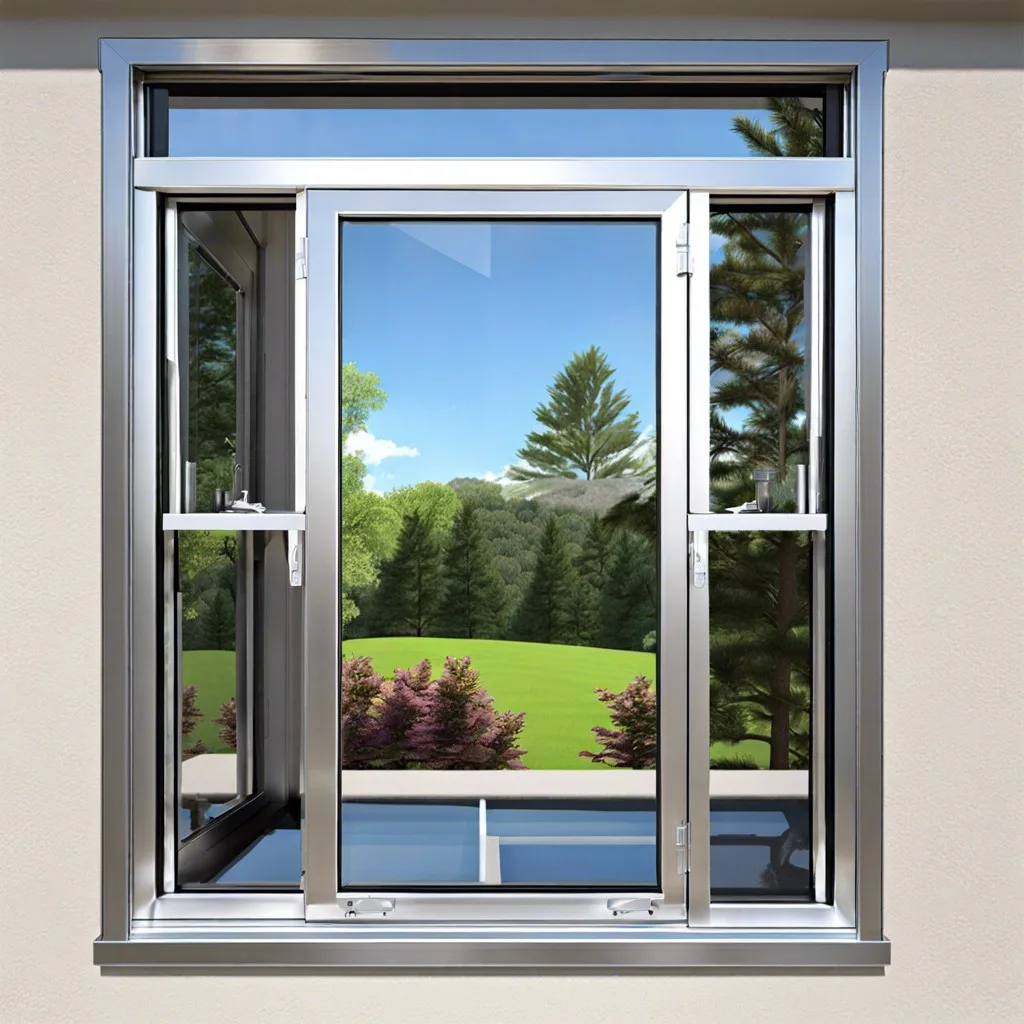
Image source: Web (Bing) / windowdigest.com (Web image (fair-use with source credit))
Cranking the Humidifier in Winter Without Checking Windows
That's the number one mistake. You set the humidifier to 50 percent in January. Your skin feels great.
But your windows start sweating. Then frost forms. Then water runs down the sills.
The fix is simple. Watch for condensation on your windows. The moment you see moisture, dial the humidistat down by 5 percent.
Give it a day. Repeat until the glass stays dry. That's your real winter maximum.
Ignoring the Basement Until It Smells
Basements are the first room to go over 60 percent. Most people ignore it until the musty smell shows up. By then, mold is already growing.
A quality basement unit set to 50 percent stops the problem before it starts. Run it year-round. Set the drain hose to a floor drain or sink.
Check it monthly.
Using an Undersized Dehumidifier
A 20-pint unit in a 2,000-square-foot basement runs all day and never catches up. That's wasted electricity and wasted money.
Our research shows that a unit in the 50-pint range handles most basements and main floors. Heavily damp spaces or large open layouts need a 70-pint model. If you're on a tighter budget, a value-focused option still gets the job done.
Placing the Hygrometer in the Wrong Spot
Put it near a bathroom vent or a kitchen stove. It reads high. Put it next to a drafty window.
It reads low. Neither helps.
Place the hygrometer in the center of the room. Keep it away from heat sources, windows, and vents. Let it sit for 24 hours before trusting the reading.
Forgetting to Clean the Humidifier or Dehumidifier
Dirty tanks breed bacteria and mold. A humidifier filled with stale water sprays those allergens into your air. A dehumidifier with a clogged filter moves less air and pulls less moisture.
Clean the humidifier tank weekly with white vinegar. Rinse the dehumidifier filter monthly. Replace it when it looks worn.
Your lungs will thank you.
Frequently Asked Questions About Home Humidity
What is the ideal humidity for a home in winter?
Aim for 30 to 40 percent relative humidity. That keeps your windows dry and your skin comfortable. Watch for condensation.
If you see fog on the glass, drop it to 30 percent.
What is the ideal humidity for a home in summer?
Target 45 to 50 percent. Warm air holds more moisture, so you need the upper end of the safe zone. Use a dehumidifier or air conditioner to stay under 55 percent.
Can humidity be too low in a house?
Yes. Below 30 percent, you get static shocks, dry skin, cracked lips, and nosebleeds. It also dries out wood floors, furniture, and musical instruments.
Keep it above 30 percent to avoid these problems.
How do I check my home's humidity level?
Use a digital hygrometer. Place it in the main living area away from vents and windows. Let it sit for 24 hours.
Check the reading at the same time each day.
What humidity level grows mold?
Mold starts growing above 60 percent relative humidity. Keep your home below 55 percent to stay safe. Basements, bathrooms, and closets are the first places to check.
Should I run a dehumidifier all the time?
Only if the humidity stays above 55 percent. Run it until the reading drops to 45 to 50 percent. Then let it cycle on and off.
Most modern units include a humidistat that does this automatically.