How Often Should a Dehumidifier Run
Let's settle the question you typed into Google: how often should a dehumidifier run? The short answer is: as often as the humidity demands, not on a preset schedule. Relative humidity, room size, outside weather, and your home's construction all change the runtime.
As of 2026, the guidance hasn't changed. It's all about hitting a target range, not logging hours.
The Environmental Protection Agency advises keeping indoor humidity between 30% and 50% to slow mold growth. A dehumidifier with a built-in humidistat can chase that target automatically. Once you understand that, the runtime question answers itself.
Here's how to find your number.
Image source: Bing (Web (fair-use with source credit))
Why "How Often" Is the Wrong Question to Ask
If you came here looking for a single number, you're not silly. You're just asking the wrong question. Runtime is a symptom, not a goal.
The goal is a healthy relative humidity, usually between 30% and 50%.
A dehumidifier pulls moisture until the air hits the level you set. A damp basement might need 16 hours a day in July. A bedroom in a dry climate might only need an hour or two.
The room's moisture load decides, not a calendar.
Here's what actually changes runtime:
- Current humidity level. At 70% RH, the unit works much harder than at 55% RH.
- Temperature. Warm air holds more moisture, so summer runs are longer.
- Room size and airflow. Open doors and leaky windows bring in fresh humidity.
- Unit capacity. A 30-pint model runs slower than a larger-capacity model in the same space.
So flip the script. Set a target, let the unit cycle, and stop counting hours. That's what we're about to do.
The Simple Rule: Your Humidistat Does the Thinking
Walk over to your dehumidifier and look at the display. If it shows a percentage, you've got a humidistat. That sensor makes runtime decisions for you.
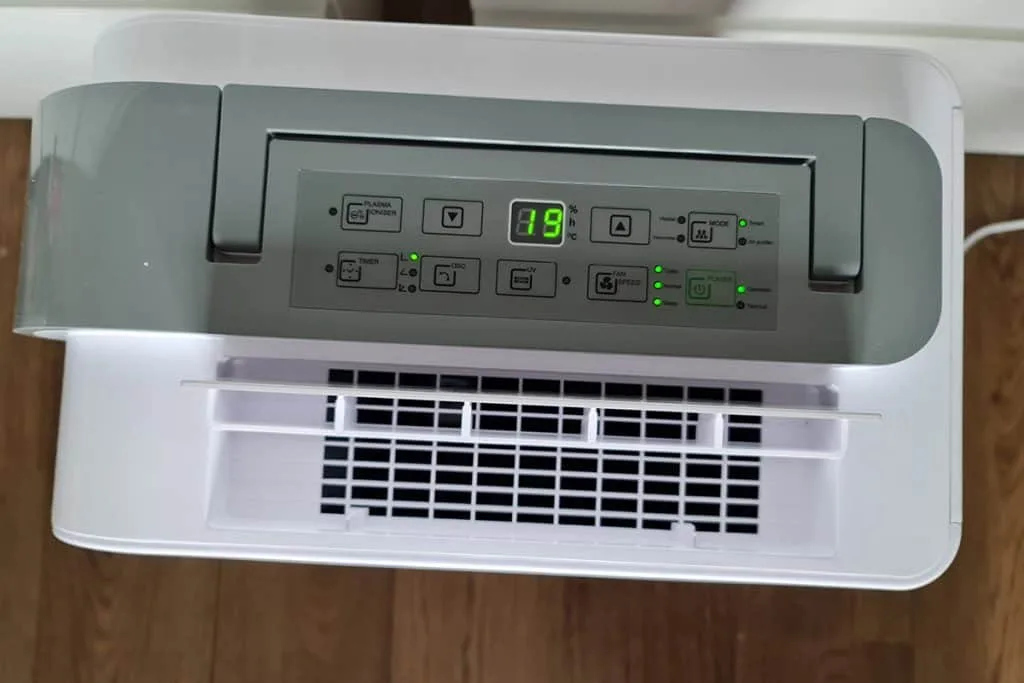
Image source: Bing (Web (fair-use with source credit))
Here's the simple rule: set it once, trust it, and let it cycle. Most experts, including the EPA's indoor air quality guidance, suggest 50% as a good starting point. The unit runs until the air hits that number.
Then it shuts off and waits for humidity to creep back up.
When you first plug the unit in, do this:
- Set the target to 50% RH.
- Switch the mode from continuous to auto if you have it.
- Close windows and exterior doors.
- Let it run without touching anything for 24 hours.
Auto mode matters. In continuous mode, the fan runs all the time, even when the compressor is off. That wastes power and adds noise.
Auto mode lets the fan idle until the humidistat calls for help. If your machine can't hold a consistent range, a 70-pint unit with a stronger sensor may be the fix.
How to Find Your Ideal Runtime: A Simple Decision Tree
Ready to find your real runtime? Follow this simple decision tree. No special tools needed, just a hygrometer and a little patience.
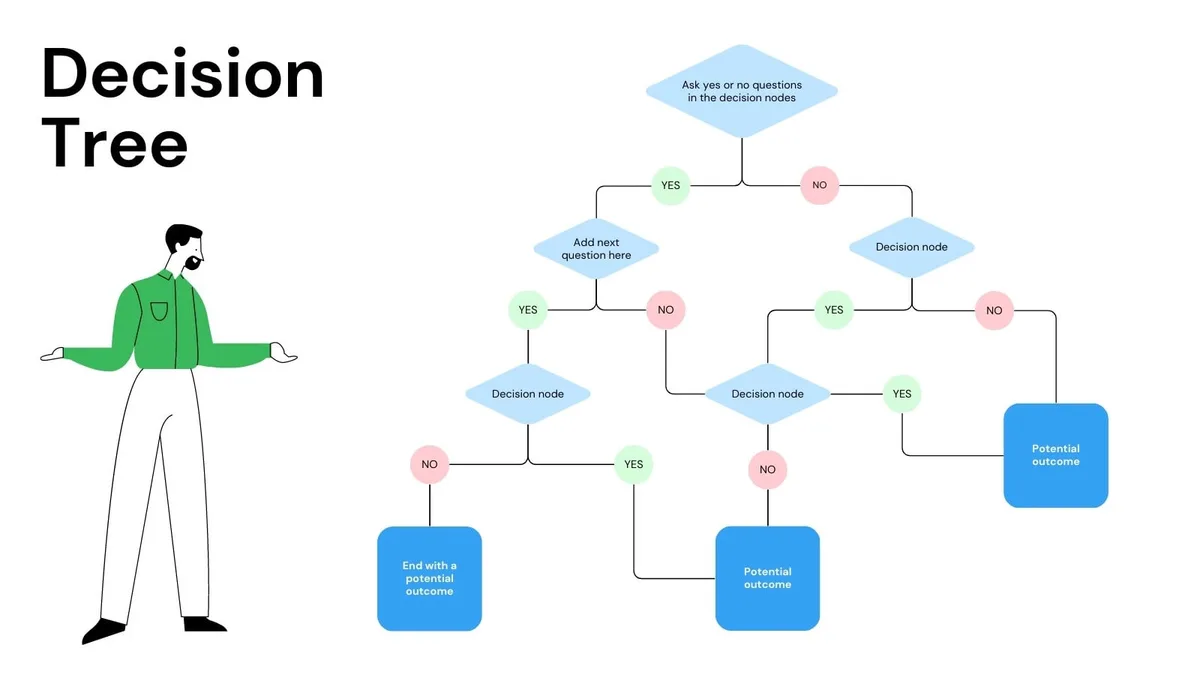
Image source: Bing (Web (fair-use with source credit))
Start by setting your unit to 50% RH and closing the room off. Now watch what happens.
- Does the unit reach 50% within 24 hours? Then your runtime is however long that took. Once there, it should cycle on for 15 to 30 minutes, then sit idle for a while.
- Does it run non-stop and never hit 50%? You're fighting a capacity problem or a supply of new moisture. Check for open windows, a wet crawl space, or an undersized unit.
- Does it hit 50% quickly but come back on every 10 minutes? That short cycling usually means the space is too small for the machine, or the sensor is too close to the unit's wet coils.
- Does the air feel dry, but the unit rarely runs? Lower the target to 45% if you still see condensation or musty smells.
This is the actual workflow. It takes a day, but it gives you a number that's real for your home. For most people, that ends up being 8 to 12 hours a day.
For others, it's much less. If you're working with a large, open space, a 50-pint model built for big rooms makes the pull-down phase a lot shorter.
What Your Runtime Should Look Like in Different Situations
Depending on your situation, here's a rough picture of what to expect. These are starting points, not guarantees.
| Setting | Typical runtime after initial pull-down | Target RH |
|---|---|---|
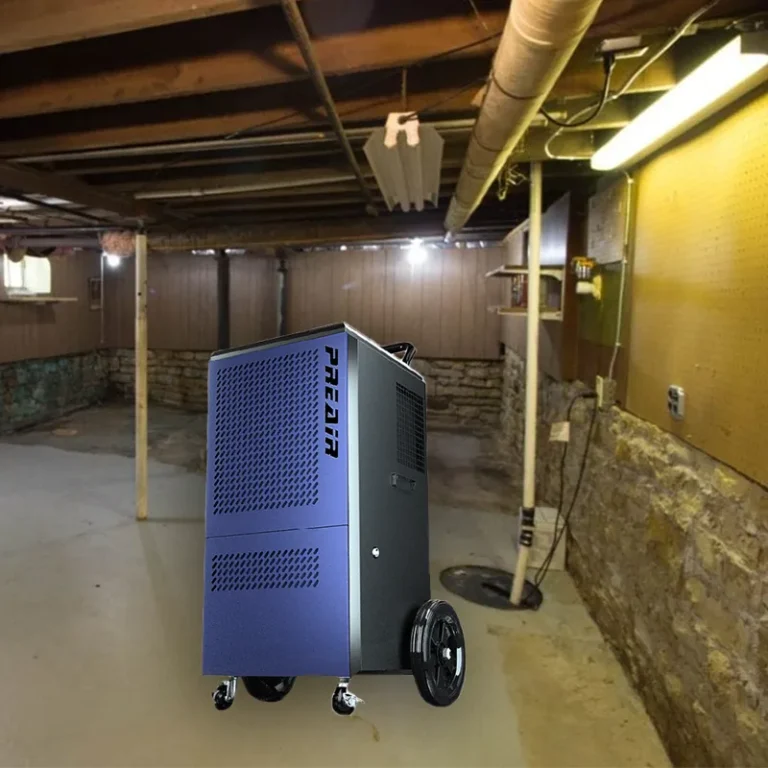
| Unfinished basement in summer | 10 to 16 hours a day | 50% |
| Finished basement, moderate climate | 6 to 10 hours a day | 50% |
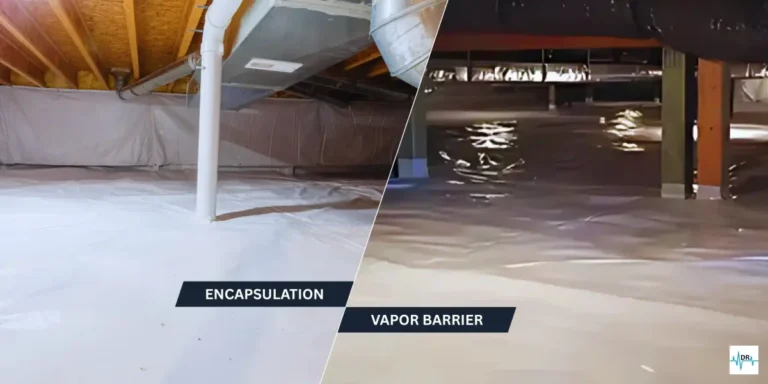
| Crawl space with vapor barrier | 4 to 8 hours a day | 45 to 50% |
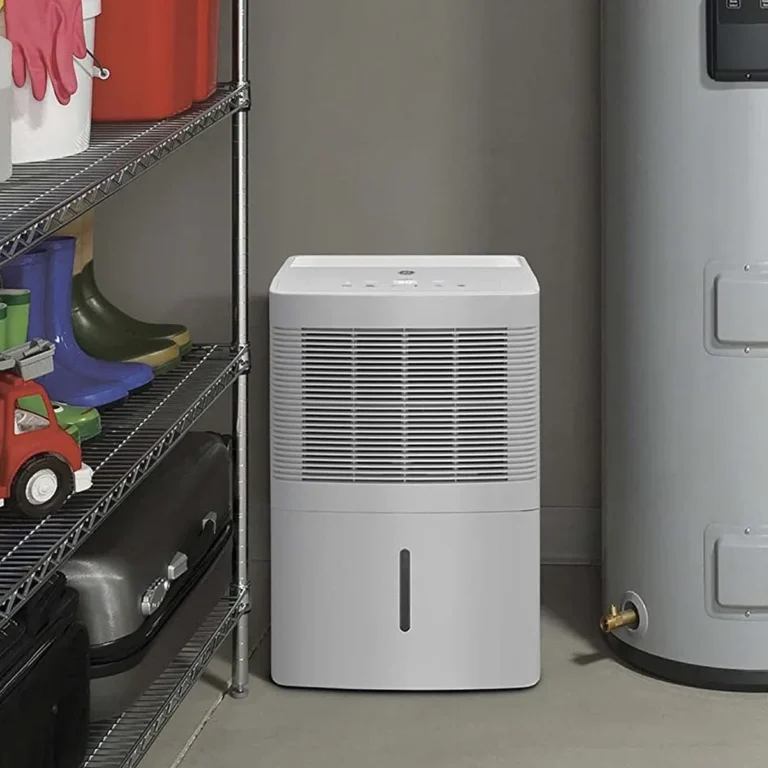
| Bedroom or small apartment | 2 to 6 hours a day | 50% |
| After flooding or water damage | 24/7 for several days | 30 to 40% |
The initial pull-down is the exception. A room that starts at 70% RH can need 12 to 24 hours just to reach 50%. Once the unit wins that battle, the runtime drops.
It starts acting like a guard, turning on just to hold the line.
If you're dealing with a compact space, a bedroom-size model will cycle more comfortably than a massive industrial unit. The key is matching capacity to room size. Too much power causes short cycling.
Too little means it never stops.
Common Mistakes That Waste Your Time and Energy
It's worth looking at the ways people accidentally sabotage a good setup. These mistakes are easy to make and even easier to fix.
- Running continuous mode 24/7. This wastes energy and can over-dry the air. Use auto mode once your room reaches the target.
- Setting the target too low. Anything below 30% RH leads to static shock, cracked wood, and dry skin. Stick to 40 to 50% for comfort.
- Opening windows while running. Humid outdoor air will undo all the machine's work. Keep the room sealed.
- Pushing the unit into a corner. Restricted airflow makes the sensor read wrong and lowers efficiency. Give it 6 to 12 inches of clearance.
- Skipping filter cleanings. A clogged filter chokes airflow and forces the compressor to run longer.
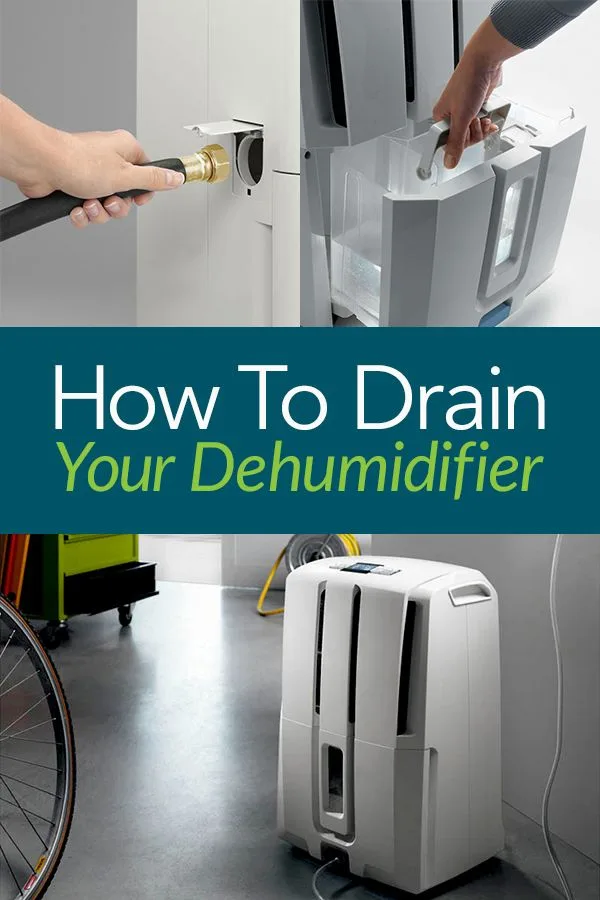
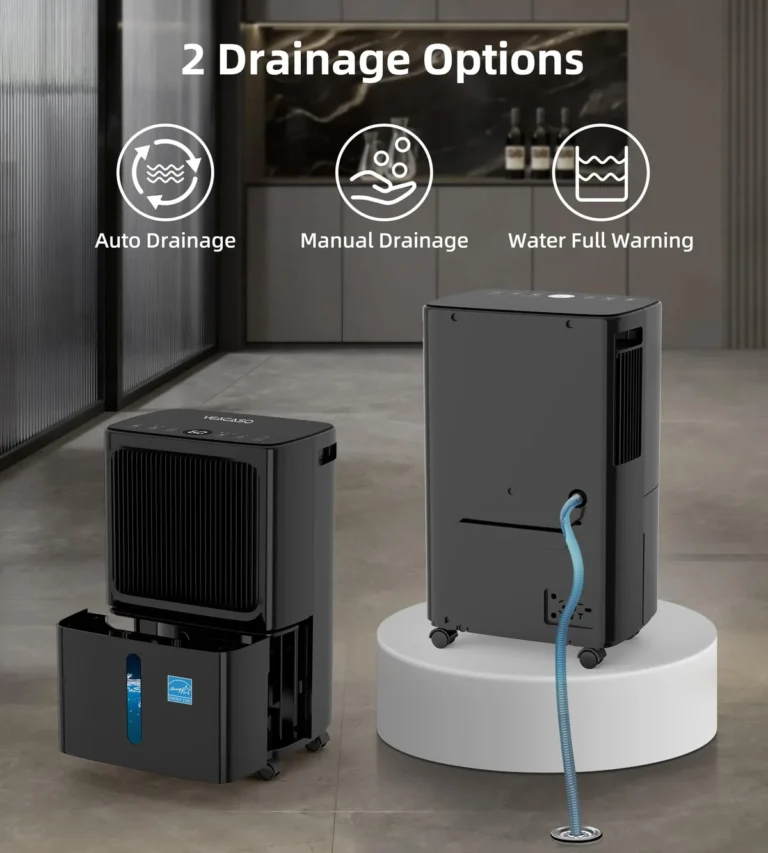
- Ignoring the bucket full alert. The unit shuts off at full capacity. A drain hose fixes this permanently.
If you're using a budget-friendly dehumidifier without auto mode, don't worry. You can still manage it manually. Check a standalone hygrometer each morning and adjust as the day warms up.
Let the humidity readings guide you, and you'll never guess your runtime again.
Simple Maintenance That Keeps Your Runtime on Track
A well-maintained dehumidifier runs less often. It pulls water faster and hits the target sooner. Skip the upkeep, and runtime creeps up as the unit struggles.
Clean the air filter every month. A clogged filter cuts airflow significantly. The compressor has to run longer to pull the same moisture. Most filters slide out and rinse under a tap.
Let it dry fully before putting it back.
Check the coils twice a year. Dust and lint build up on the evaporator coils over time. That insulates them and slows moisture removal. Use a soft brush or a vacuum with a brush attachment.
Be gentle, the fins bend easily.
Inspect the drain system. A kinked hose or a clogged drain port backs up water into the bucket. The unit shuts off when the bucket fills. Run a cup of white vinegar through the drain line every few months to clear algae and mold.
Keep the area around the unit clear. Leave 6 to 12 inches of space on all sides. Restricted airflow makes the sensor read wrong. The unit runs longer than it needs to because it thinks the room is still humid.
Test your humidistat annually. Place a standalone hygrometer next to the dehumidifier for an hour. Compare the readings. If they differ by more than 5%, the built-in sensor may be drifting.
Some units let you calibrate it. Others may need a replacement.
Frequently Asked Questions
Does a dehumidifier need to run every day?
Not necessarily. It only needs to run when humidity is above your target. In summer, that might be every day.
In winter, it might sit idle for weeks. Let the humidistat decide, not a calendar.
Should I run my dehumidifier 24 hours a day?
No. Running 24 hours a day wastes energy and can over-dry the air. Use auto mode so the unit cycles on and off.
Continuous mode is only useful for the initial pull-down or after a flood.
How long should a dehumidifier run per day?
Most people end up with 8 to 12 hours per day after the initial pull-down. But it depends on your climate, room size, and moisture level. Use the decision tree above to find your real number.
Why does my dehumidifier run all the time and never stop?
This usually means the unit is too small for the space or there's a steady source of new moisture. Check for open windows, a wet crawl space, or a leak. If the room is sealed, you may need a larger capacity model.
When should I switch from continuous mode to auto mode?
Switch to auto mode as soon as the room reaches your target humidity. Continuous mode runs the fan non-stop. Auto mode lets the compressor and fan cycle together, saving energy and reducing wear.
Can I turn off my dehumidifier at night?
Yes, if the humidity stays below 60% overnight. But if you wake up to condensation on windows or a stuffy feel, leave it running. Modern units are quiet enough for most bedrooms.