Why Does My Dehumidifier Keep Turning on and Off
Your dehumidifier keeps turning on and off, and you're ready to toss it. Before you do, let's answer the real question: why does my dehumidifier keep turning on and off. The truth is, most cases aren't a broken machine.
They're a simple fix.
Per AHAM (Association of Home Appliance Manufacturers) standards, these units are designed to cycle during normal operation. The key is knowing what's normal and what's not. We'll walk through each cause so you can diagnose yours in minutes.
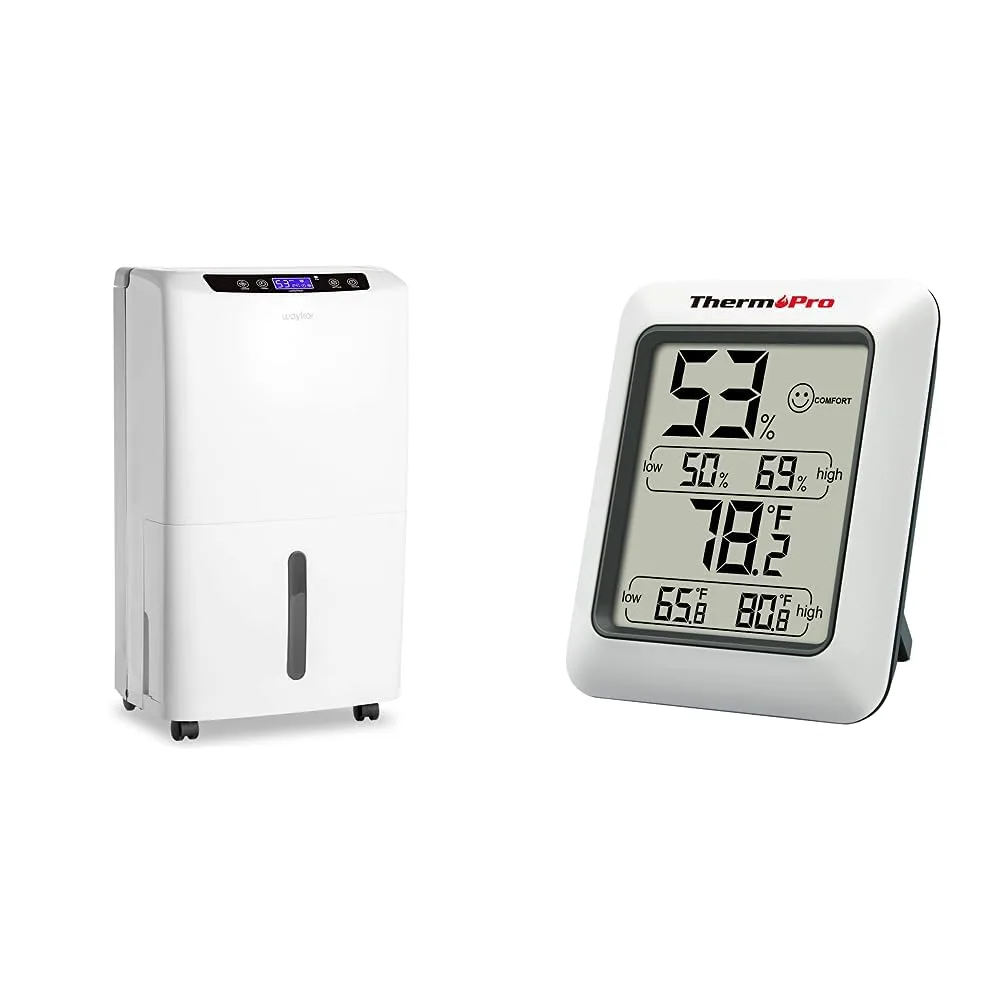
Image source: Bing (Web (fair-use with source credit))
Quick Answer
Your dehumidifier cycles on and off for three main reasons. A cold room triggers the auto-defrost cycle. The humidity set point sits too close to your room's actual level.
A dirty filter or stuck float switch stops the unit from running. Check these three things first. Most fixes take under five minutes.
What Normal Cycling Looks Like vs. Actual Short Cycling
Your dehumidifier is supposed to cycle. It's not a continuous-run appliance. The compressor runs until the room hits your set humidity level.
Then it shuts off. It restarts when humidity rises again.
That's normal cycling. A healthy unit runs for 10 to 30 minutes. It stays off for 10 to 20 minutes.
The exact timing depends on room size, humidity level, and unit capacity.
Short cycling is different. That's when the compressor kicks on for less than five minutes. Then it clicks off.
Then it clicks back on a few minutes later. This pattern repeats without actually removing much moisture.
Per Energy Star specifications, the compressor should run long enough to meaningfully reduce humidity. If it doesn't run long enough for the coils to condense moisture, you have a problem.
Here's how to tell the difference:
- Normal cycle: Unit runs long enough to collect water. You see consistent drainage. Room humidity drops over time.
- Short cycle: Unit runs briefly, shuts off, runs briefly again. Little to no water in the bucket. Room humidity stays flat.
There's also the defrost cycle to consider. Many compressor-based units run a defrost mode when coils get too cold. The compressor runs for a while.
Then the fan runs without the compressor to melt frost. This sounds like the unit is turning on and off. But it's a normal protection feature.
If you're unsure about your unit's behavior, watch it for one full hour. Note how long it runs each time. Note how long it stays off.
If the run time is consistently under five minutes, you have short cycling.
Condition 1: Is Your Room Too Cold? (The Most Common Cause)
This is the number one reason dehumidifiers turn on and off repeatedly. And it's the easiest to fix.
Most compressor-based dehumidifiers need a room temperature above 65°F to work properly. Below that, the evaporator coils get too cold. Frost forms on them.
The unit's defrost sensor kicks in and shuts the compressor down.
Here's what happens step by step. The compressor runs. The coils drop below freezing.
Frost builds up. The defrost thermostat detects the frost. It shuts off the compressor.
The fan keeps running to melt the ice. Once the coils warm up, the compressor restarts. Then the cycle repeats.
The result is a dehumidifier that keeps turning on and off without collecting water.

Image source: Bing (Web (fair-use with source credit))
This is especially common in basements. Basements stay cool year-round. Many homeowners run a dehumidifier down there and wonder why it cycles constantly.
The unit is fighting the cold, not the humidity.
Check your owner's manual for the minimum operating temperature. Most compressor models list 41°F to 65°F as the lower limit. Desiccant dehumidifiers don't have this problem.
They work fine in cold spaces because they use a different technology.
What to do: Measure the room temperature. If it's below 65°F, you have two options. Move the unit to a warmer room.
Or switch to a desiccant dehumidifier designed for cold basements. For basements specifically, you can find tailored recommendations in our best dehumidifier for basement guide.
One quick test: Plug the unit in a warmer room for a few hours. If it runs normally and collects water, you have your answer. The cold room is the problem.
Condition 2: The Humidistat Set Point: A Simple Mistake
This one is frustrating because the unit is working perfectly. It's just doing exactly what you told it to do.
Your dehumidifier has a humidistat. It measures the room's humidity. You set a target, say 50 percent.
When the room hits 50 percent, the unit shuts off. When humidity rises above 50 percent, it turns back on.
The problem happens when you set the target too close to the room's actual humidity level.
Let's say your basement sits at 52 percent humidity naturally. You set the dehumidifier to 50 percent. The unit runs for a few minutes.
It pulls the humidity down to 50 percent. It shuts off. Within a few minutes, humidity creeps back to 52 percent.
The unit turns on again. This creates a short cycling pattern that never really stabilizes.
The fix: Set your dehumidifier 10 to 15 percent below the room's current humidity. If the room reads 55 percent, set the unit to 40 or 45 percent. This gives the unit a long enough run cycle to actually pull moisture from the air.
But there's another layer to this. Built-in humidistats are often inaccurate. Aggregate reviews and manufacturer testing show that many units read humidity levels 5 to 10 percent off.
Your unit might think the room is at 50 percent when it's really at 60 percent.
What to do: Buy a separate hygrometer. They cost about $10 to $15. Place it next to your dehumidifier.
Compare the readings. If they differ by more than 5 percent, trust the external hygrometer. Adjust your dehumidifier's set point accordingly.
If you're in the market for a new unit with better sensors, check out our guide to the best dehumidifier for recommendations.
One more thing: Some units have a "continuous" or "always on" mode. This bypasses the humidistat entirely. The fan and compressor run nonstop.
Use this mode if you want constant operation. Just make sure you have a drain hose connected. Otherwise, the bucket will fill up fast.
Condition 3: Dirty Filter, Blocked Airflow, or a Stuck Float Switch
This condition covers three related problems. They all stop the unit from running properly. And they're all easy to check.
Dirty air filter: The filter traps dust, pet hair, and debris. Over time, it gets clogged. Restricted airflow causes the coils to get too cold.
Frost forms. The defrost sensor kicks in. The compressor shuts off.
The unit cycles on and off without collecting water.
The fix is simple. Pull the filter out. Hold it up to a light.
If you can't see light through it, it's dirty. Wash it with warm water and mild soap. Let it dry completely.
Put it back. This alone fixes many cycling issues.
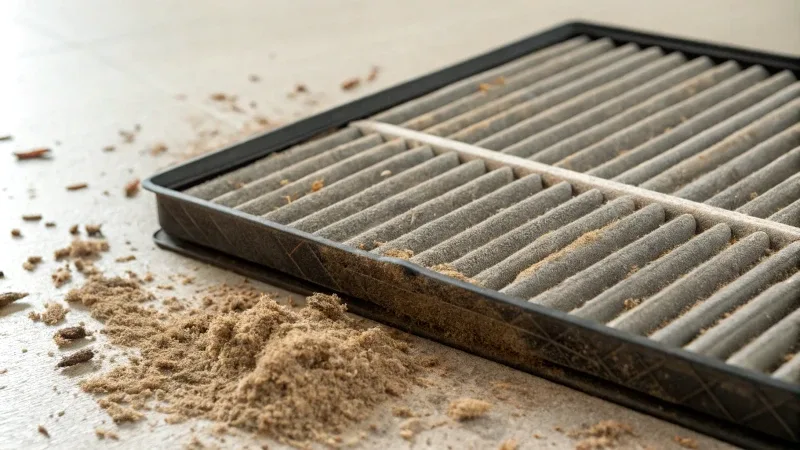
Image source: Bing (Web (fair-use with source credit))
Manufacturer specs recommend cleaning the filter every two weeks during heavy use. In practice, most people forget. If you can't remember the last time you cleaned yours, that's probably the problem.
Blocked airflow around the unit: The dehumidifier needs space to breathe. If it's pushed against a wall or tucked in a corner, airflow gets restricted. The unit overheats or the coils freeze.
The compressor shuts off as a safety measure.
Keep at least six inches of clearance on all sides. That includes the intake grille on the back and the exhaust vent on the top or side. Move the unit away from furniture, curtains, and boxes.
Stuck float switch: This is the most overlooked cause. The float switch sits inside the bucket compartment. It rises as the bucket fills with water.
When the bucket is full, the switch trips and shuts the unit off. This prevents overflow.
The problem is that the float switch can get stuck. A piece of debris can block it. The bucket might be slightly misaligned.
The switch might be stuck in the "up" position even though the bucket is empty. The unit thinks the bucket is full and shuts off.
What to do: Open the bucket compartment. Find the float switch. It looks like a small plastic piece that moves up and down.
Gently press it down. If it's stuck, wiggle it free. Make sure the bucket is seated correctly.
Listen for the click of the switch releasing.
These three issues account for a large percentage of short cycling complaints. And they all take less than five minutes to check. Always start with the filter and the float switch before calling a repair person.
How to Run Your Own DIY Diagnosis (Step by Step)
Follow these steps in order. Each one rules out a common cause. You'll usually find the fix in under 10 minutes.
| Step | What to Check | How to Fix |
|---|---|---|
| 1 | Room temperature | Move unit to a warmer room (above 65°F) |
| 2 | Humidity set point | Lower it 10-15% below current RH |
| 3 | Air filter | Wash and dry the filter |
| 4 | Clearance around unit | Keep 6+ inches of space on all sides |
| 5 | Float switch | Press it down, realign the bucket |
| 6 | Drain hose | Unclog or straighten the hose |
| 7 | Test warm room | Run unit for 2 hours; if it works, the room was too cold |
Start by observing the unit for one full cycle. Note how long it runs. Note how long it stays off.
Then work through the table top to bottom.
Most people find the fix at step 1 or step 2. That's good. Those are the most common causes.
If you reach step 7 and the unit still short cycles, the room temperature is your smoking gun. Move on to the next section before spending any money on repairs.
When to Call a Pro vs. When to Replace the Unit
Some dehumidifiers genuinely fail. If your unit short cycles all the way through the diagnosis table, you might have a hardware problem.
Signs you need a professional:
- Frequent short cycling even in a warm room
- Hissing or bubbling sounds from the unit
- Frost that doesn't melt even at room temperature
- No water collected after 24 hours of continuous running
- The unit trips your circuit breaker
The hissing and frost combination points to a refrigerant leak. That's not a DIY repair. Refrigerant handling requires EPA Section 608 certification.
Only a licensed technician should touch the sealed system.
A typical repair runs $100 to $250. That buys a new compressor relay, a humidistat, or a control board replacement. If the compressor itself is dead, expect a bill closer to $300 or more.
When to replace instead: If your unit is more than 8 to 10 years old, replacement is usually smarter. Older units are less efficient. Per the U.S.
Department of Energy, modern dehumidifiers use substantially less energy than older models. A new 50-pint unit costs $200 to $350. That's often less than a major repair on an aging machine.
Also check your warranty. Many dehumidifiers offer a 1-year parts and labor warranty. The sealed system (compressor, coils, refrigerant) is often covered for 5 years.
If your unit is under 5 years old, a repair might cost you nothing.
Frequently Asked Questions
Is it normal for a dehumidifier to turn on and off by itself?
Yes. Dehumidifiers cycle based on the humidistat reading. When the room hits your target humidity, the unit shuts off.
When humidity rises, it turns back on. A normal cycle runs 10 to 30 minutes. If run time drops below 5 minutes, you have short cycling, not normal operation.
Why does my dehumidifier run for 5 minutes then shut off?
The most common cause is a cold room. Below 65°F, the coils freeze, and the defrost sensor shuts the compressor down. A dirty filter or a stuck float switch can also cause this.
Work through the diagnosis table to rule out each cause in order.
Should I set my dehumidifier to a specific humidity level?
The U.S. Environmental Protection Agency recommends keeping indoor humidity between 30 and 50 percent. In practice, set your unit 10 to 15 percent below the room's current reading.
That gives the unit a long enough run cycle to actually remove moisture. Use a separate hygrometer for accuracy.
Can a cold room damage my dehumidifier?
Not permanently. The unit's defrost cycle protects the coils from ice damage. But running a compressor dehumidifier in a cold room means it will short cycle and collect almost no water.
It's inefficient, not destructive. A desiccant dehumidifier performs better in spaces below 65°F.
How often should I clean the dehumidifier filter?
Clean it every two weeks during heavy use. If the unit runs daily, check the filter weekly. A clogged filter restricts airflow.
That causes coil freezing and short cycling. Most filters are washable. Rinse with warm water, let it dry completely, and slide it back in.