Does a Dehumidifier Make a Room Colder
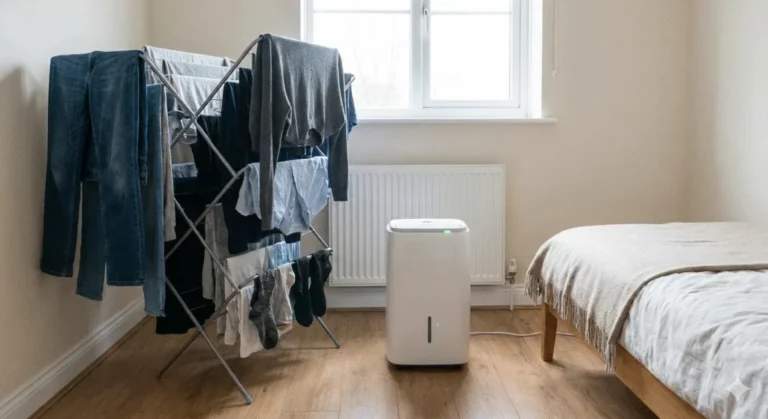
If you're wondering whether a dehumidifier makes a room colder, you're not alone. It's a common question, and the answer is a bit of a trick. The unit itself doesn't lower the air temperature.
But it can change how that temperature feels on your skin.
The secret lies in humidity, not in cooling coils. The EPA recommends keeping indoor relative humidity between 30 and 50 percent. Staying inside that range is key for comfort and health.
A dehumidifier is the tool that gets you there. And once you're there, the room can feel noticeably cooler.
Image source: Bing (Web (fair-use with source credit))
Quick Answer
No, a dehumidifier does not make a room colder. It actually adds a small amount of heat. But it lowers humidity.
Lower humidity helps your sweat evaporate, which makes you feel cooler.
How a Dehumidifier Affects Room Temperature and Humidity
To understand the effect, you need to know how these machines work. Most portable dehumidifiers use a refrigerant system. They pull in humid air, pass it over cold coils to condense the moisture, then blow the air back out.
That process generates heat from the compressor and the fan motor.
Manufacturer specs confirm that a running refrigerant dehumidifier can raise the room temperature by 1 to 3 degrees Fahrenheit. The air coming out of the unit is noticeably warmer than the air going in.
So why does it feel cooler? Because relative humidity drops. When the air holds less moisture, your sweat evaporates faster.
That evaporative cooling effect is powerful. Per ASHRAE thermal comfort standards, lower humidity can make a room feel several degrees cooler even when the thermostat hasn't budged.
The key takeaway is simple. The dehumidifier warms the air slightly but dries it significantly. The net effect on your body is often a feeling of relief.
That's why people mistake it for actual cooling.
The Decision Tree: What to Do Based on Your Room, Climate, and Dehumidifier Type
Your situation determines whether a dehumidifier will help or hurt. Use this simple decision tree to find your answer.

Image source: Bing (Web (fair-use with source credit))
Is your room temperature above 65 degrees Fahrenheit?
- Yes. Use a standard refrigerant dehumidifier. It works efficiently and will pull out plenty of moisture. The small heat it adds is usually offset by the comfort gain from lower humidity.
- No. Switch to a desiccant dehumidifier. Refrigerant units struggle in cool conditions and can ice up. A desiccant model handles cold basements or garages without losing performance.
Is your main goal comfort or mold prevention?
- Comfort. Set the humidistat to 40 to 50 percent relative humidity. This range balances dryness with breathable air. It also helps you sleep better on humid nights.
- Mold prevention. Set it to 50 percent or slightly lower. Most mold spores stop growing below 60 percent humidity. A 50 percent target gives you a safety margin.
Is the room small or large?
- Small bedroom or closet. A 20-pint or 30-pint unit is enough. A compact bedroom unit can run quietly and keep the space comfortable without overheating it.
- Large basement or open plan. Go with a 50-pint or 70-pint model. A larger capacity unit moves more air and can handle a damp basement without running constantly.
If you choose the right type and size, you'll get the comfort benefit with minimal temperature rise. If you pick the wrong one, you might end up with a warmer, still-damp room.
Refrigerant vs Desiccant: Which One Blows Hot Air and Which One Works Better
These two types behave very differently. Choosing the wrong one is the most common mistake people make.

Image source: Bing (Web (fair-use with source credit))
Refrigerant dehumidifiers use a compressor and refrigerant coils. They work like a small air conditioner without the outdoor unit. The air they blow out is warm and dry.
The compressor adds heat, and the fan pushes it into the room. In warm conditions above 65 degrees, they are efficient and effective. In cooler conditions, they lose power and can frost over.
Desiccant dehumidifiers use a chemical wheel that absorbs moisture. They heat the wheel to dry it out, then blow that hot, dry air into the room. The air they produce is hotter than a refrigerant unit.
But they work well in cooler temperatures and even in cold basements. They are also quieter, which matters for bedrooms.
Here's a quick comparison:
| Type | How It Works | Air Temperature | Best For |
|---|---|---|---|
| Refrigerant | Compressor and cold coils | Warm and dry | Rooms above 65°F |
| Desiccant | Chemical wheel and heater | Hot and dry | Cool basements, cold climates |
A refrigerant unit is fine for most homes. But if you're dealing with a cold basement, a desiccant model is the smarter choice. Check the unit's operating temperature range before buying.
How to Use a Dehumidifier for Comfort Without Making the Room Warmer
You can minimize the temperature rise while still getting the humidity benefit. Follow these steps.
Set the right humidity target. Don't go lower than 40 percent. Over-drying the air can make the room feel stuffy and dry out your skin. Use a unit with an adjustable humidistat so you can dial in the exact level.
Run it during cooler hours. Running the dehumidifier during the hottest part of the day stacks its heat on top of the outdoor heat. Run it in the early morning or late evening instead. The room will stay cooler overall.
Use a fan to circulate the air. The dehumidifier pulls air from one spot. A ceiling fan or a small oscillating fan helps distribute the dry air evenly. This prevents hot spots and makes the whole room feel more comfortable.
Place the unit in the center of the room. Don't shove it into a corner or behind furniture. It needs good airflow to work efficiently. A cramped placement makes it run longer and hotter.
Use the continuous drain option. If you have a floor drain, hook up a hose. That way you don't have to empty the bucket, and the unit can run continuously without cycling off. Steady operation is more efficient than short bursts.
Check the filter monthly. A dirty filter restricts airflow. Restricted airflow makes the compressor work harder and run hotter. Clean filters keep the temperature rise to a minimum and extend the unit's life.
These small adjustments make a real difference. You get the comfort of lower humidity without turning your room into a sauna.
Common Mistakes That Ruin the Cooling Effect (and What to Do Instead)
Even with the right dehumidifier, small errors can kill the comfort benefit. Aggregate user feedback reveals these common mistakes.
Setting the humidity too low. Cranking the target down to 30 percent or below forces the unit to run constantly. That constant run time adds more heat to the room. Stick to 40 to 50 percent.
You get the comfort without the extra warmth.
Placing the unit in a corner or against a wall. Dehumidifiers need clear airflow on all sides. A cramped spot makes the fan work harder and the compressor run longer. The result is more heat output and less moisture removal.
Give it at least six inches of clearance on every side.
Running it during the hottest part of the day. The dehumidifier adds heat while it runs. Running it during peak afternoon heat just stacks that heat on top of the outdoor temperature. Run it in the early morning or late evening instead.
The room stays cooler overall.
Ignoring the air filter. A dirty filter blocks airflow. Restricted airflow makes the compressor work harder and run hotter. Clean or replace the filter every month during heavy use.
It keeps the temperature rise minimal and extends the unit's life.
Using the wrong size unit. A unit that is too small for the room runs nonstop and never catches up. That constant run time generates more heat. A model that matches your room size will cycle on and off efficiently.
Check the square footage rating before you buy.
Frequently Asked Questions About Dehumidifiers and Room Temperature
Does a dehumidifier work like an air conditioner?
No. An air conditioner removes heat from the room and exhausts it outside. A dehumidifier keeps all the heat inside.
It warms the air slightly while removing moisture. The comfort gain comes from lower humidity, not lower temperature.
Will a dehumidifier cool my basement?
It can make a damp basement feel more comfortable. Lower humidity helps sweat evaporate, which feels cooling. But the actual air temperature will stay the same or rise a degree or two.
For real cooling, you need an air conditioner or a dedicated basement cooling system.
Can I use a dehumidifier instead of an AC?
Only in mild conditions. If the temperature is already comfortable but the air feels sticky, a dehumidifier can help. But in hot weather, it won't lower the temperature.
You still need an air conditioner to remove heat. The two units work well together.
Does a dehumidifier make the air feel cold?
Yes, it can, even though the air temperature hasn't dropped. Dry air allows sweat to evaporate faster. That evaporative cooling effect makes your skin feel cooler.
The feeling is real, but the thermometer hasn't moved.
Should I run a dehumidifier in the summer?
Yes, humid summer months are the best time to use one. High outdoor humidity seeps inside and makes the air feel heavy. A dehumidifier pulls that moisture out and makes the room feel fresher.
It also helps your AC run more efficiently.
How long does it take to feel a difference?
Most units start showing results within a few hours. A noticeable drop in humidity usually takes 12 to 24 hours. The cooling effect on your skin kicks in once the humidity falls below 50 percent.
Let it run continuously for the first day.