Why Do You Need a Hygrometer
The moment you see water dripping down your windows in the morning, you've got a humidity problem. That's why you need a hygrometer. Maybe your guitar sounds dull, or your basement smells musty.
Humidity is invisible, but it quietly damages your home and your health.
A hygrometer measures relative humidity in the air. That's the number that tells you if you're in the safe zone or not. The EPA recommends keeping indoor relative humidity between 30 and 50 percent.
Above 60 percent, mold thrives. Below 30 percent, you get static shocks and dry skin. Without a hygrometer, you're guessing.
And guessing is how expensive damage happens.
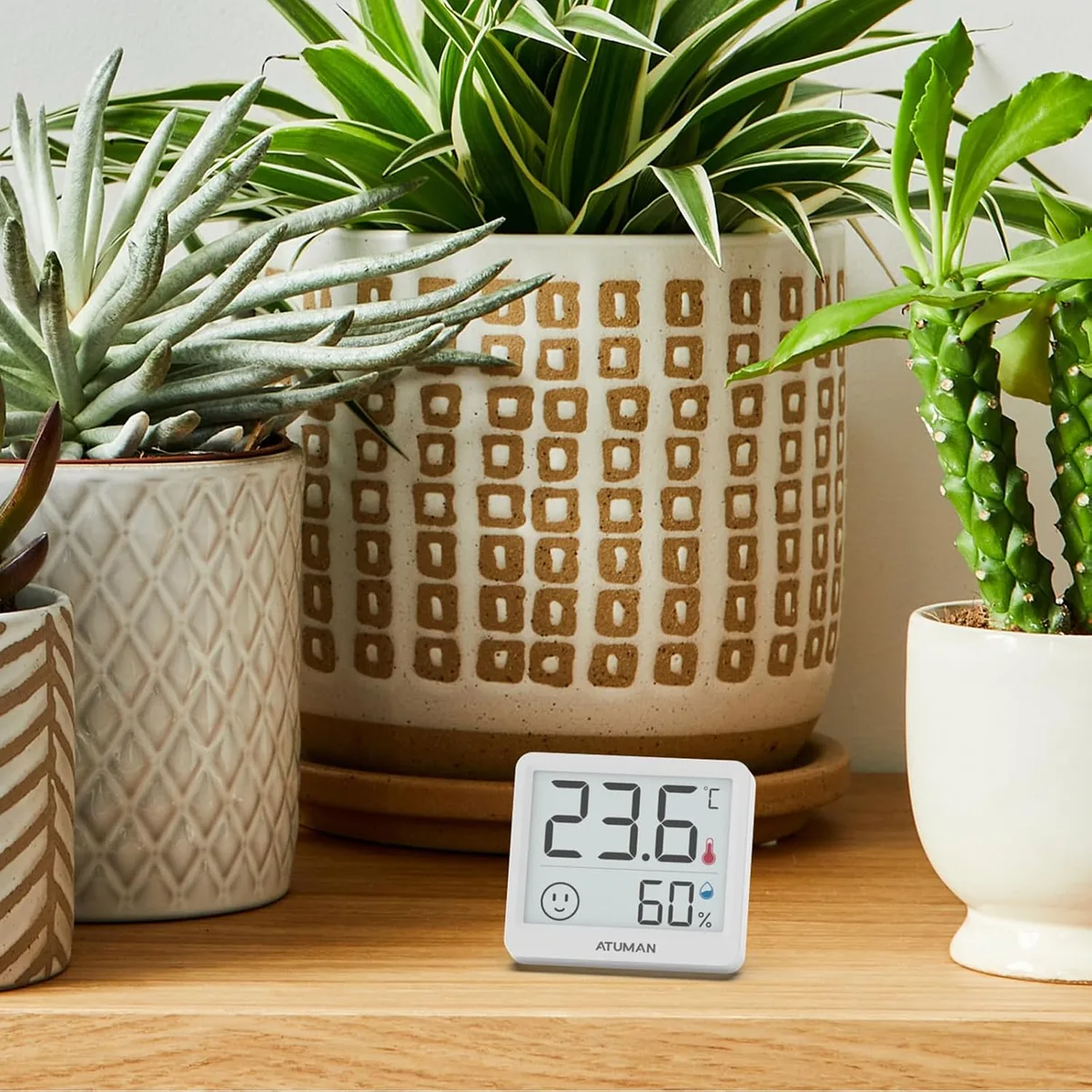
Image source: Bing (Web (fair-use with source credit))
The Real Problem: Humidity Is Invisible and It's Causing Trouble Right Now
You can't see humidity. You only feel it when it's already a problem. By the time the air feels stuffy or clammy, mold might already be growing behind your walls.
If you've ever had a guitar crack in winter, or your hardwood floors separate at the seams, you know the aftermath. The soil in a potted plant can feel dry while the air around it is soaking wet. A hygrometer turns that invisible problem into a number.
Once you know your relative humidity, you can actually do something about it.
Quick Answer: Do You Need One? (A Simple 3-Question Test)
Yes, you probably do. A hygrometer tells you your indoor relative humidity. That number helps you prevent mold, protect wood, and improve comfort.
Here is a quick self-test. Answer honestly.
Question 1: Do you own wood furniture, a wooden instrument, or hardwood floors?
- If yes, humidity swings damage them. A hygrometer lets you catch problems early.
Question 2: Do you have allergies, asthma, or frequent sinus issues?
- If yes, both high and low humidity aggravate breathing. The EPA recommends 30 to 50 percent for respiratory health.
Question 3: Do you run a humidifier or dehumidifier without a built-in humidistat?
- If yes, you are probably over-humidifying or under-humidifying. A hygrometer stops guesswork.
If you answered yes to even one question, you need a hygrometer. It is not a luxury gadget. It is a basic tool for understanding your indoor environment.
How a Hygrometer Actually Works (the One Thing That Matters Most)
A hygrometer measures relative humidity. That is the amount of water vapor in the air compared to the maximum the air can hold at that temperature. It is expressed as a percentage.
So 50 percent RH means the air is half saturated.
There are two main types you will encounter.
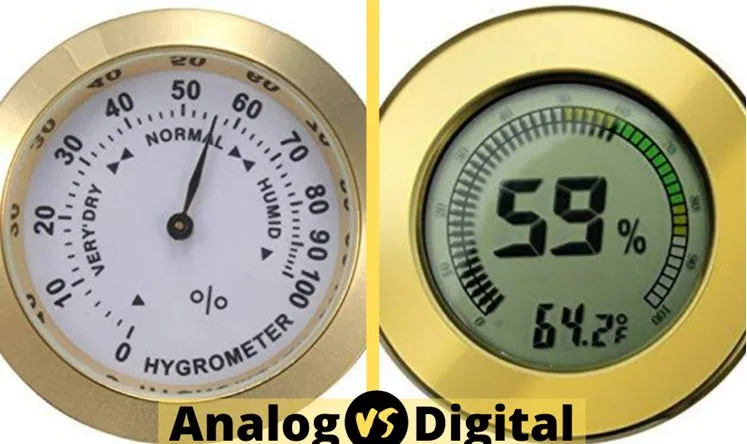
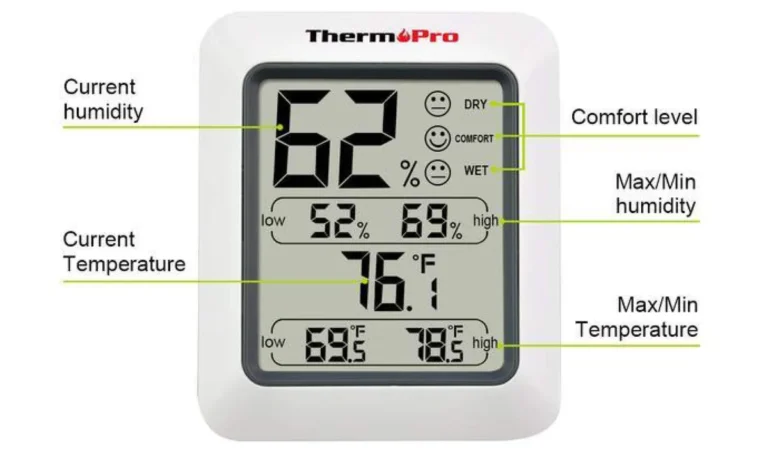
Digital hygrometers use a capacitive or resistive sensor. A thin layer of material changes electrical properties as moisture in the air changes. The sensor reads that change and converts it to a percentage.
These are accurate, fast, and easy to read. Most consumer models are digital.
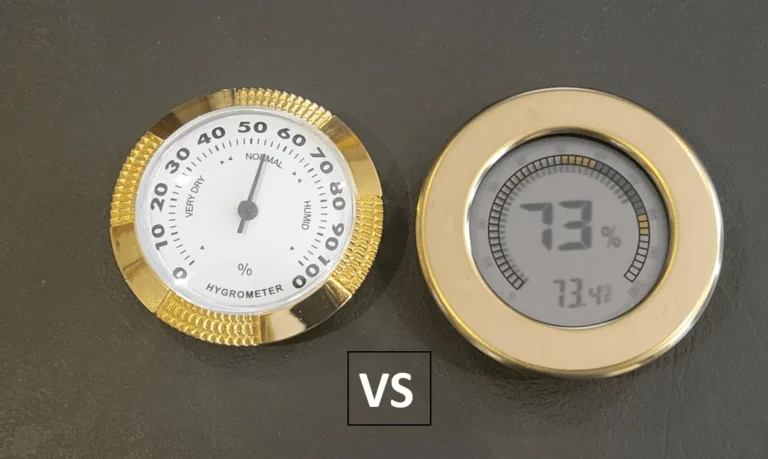
Analog hygrometers use a mechanical sensor. Typically, a strand of human hair or a synthetic coil expands and contracts with humidity. That movement moves a needle on a dial.
They are slower to respond and less accurate than digital models. They look nice, but they are not the best choice for precision.
One spec matters more than any other: accuracy. Cheap digital models often claim ±5 percent RH. That is a wide margin.
A reading of 50 percent could actually be 45 or 55 percent. That difference matters when you are trying to stay below the mold threshold. Mid-range models from reputable brands typically offer ±2 to 3 percent.
Professional-grade units hit ±1 percent.
As of 2026, digital hygrometers under $20 often deliver acceptable accuracy for general home use. But if you are protecting a valuable instrument or a wine cellar, spend a bit more for a model with ±2 percent or better.
Where to Put It: The One Decision That Changes Everything (Placement and Setup)
You can buy the best hygrometer on the market. If you put it in the wrong spot, the reading is useless. This is the most common mistake people make.
Here are the placement rules.
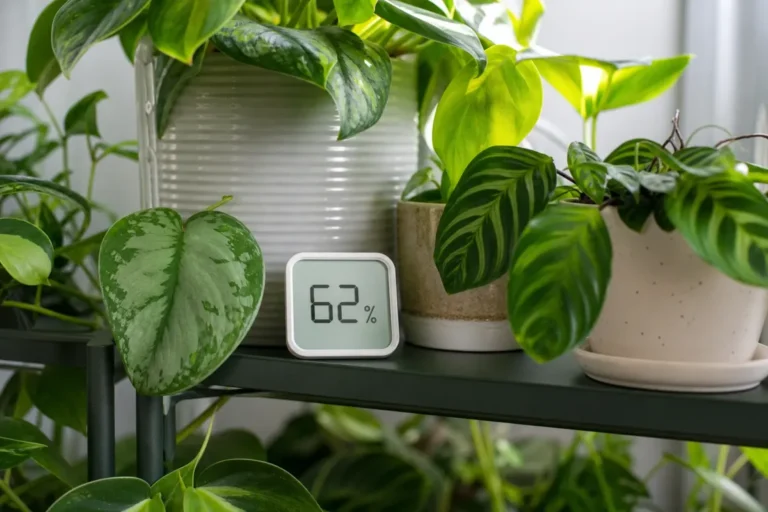
Mount it at eye level or roughly standing height. Humidity varies with height. Air near the floor is often more humid. Air near the ceiling is warmer and drier.
Eye level gives you a reading that matches what you actually experience.
Keep it away from direct sources of moisture. Do not place it near a humidifier, a dehumidifier, a shower, a cooking stove, or a window. These spots give false readings. A hygrometer three feet from a humidifier might read 70 percent while the rest of the room is 45 percent.
Keep it away from heat sources. Radiators, vents, direct sunlight, and electronics all skew the reading. Temperature affects how much moisture the air can hold, so a hot spot reads artificially dry.
Place it in the room you care about most. If you worry about your guitar, put it in the music room. If you worry about mold in the basement, put it in the basement. One hygrometer for the whole house is not enough.
Humidity varies significantly from room to room.
Allow 30 minutes for stabilization. When you first unbox a hygrometer, let it sit in the room for at least half an hour before trusting the reading. Sensors need time to acclimate.
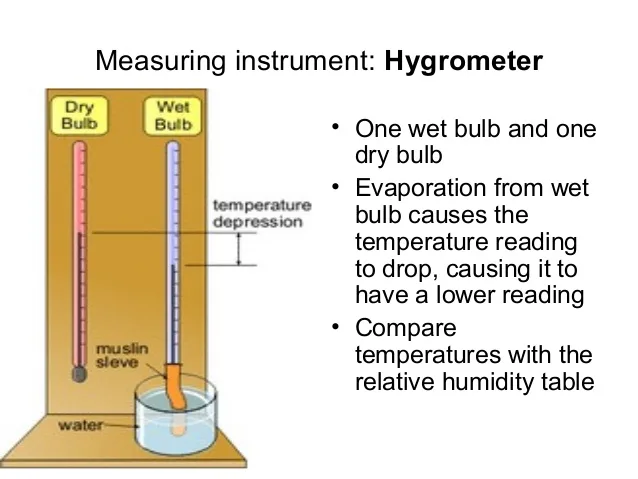
Image source: Bing (Web (fair-use with source credit))
What to Do Next: Using the Data to Fix Your Humidity (Actionable Workflow)
Okay, so you have a hygrometer. You have a reading. Now what?
The answer depends on the number. Here is a simple decision workflow.
If your reading is between 30 and 50 percent RH: You are in the ideal range. Do nothing. Just monitor.
Check the reading once a week to catch seasonal swings.
If your reading is above 60 percent RH: You have a moisture problem. Mold and dust mites thrive at this level. Here is your action plan.
- Run a dehumidifier in that room. Set it to target 45 percent.
- Check for leaks around windows, pipes, and the foundation.
- Improve ventilation. Open windows when weather permits or run exhaust fans.
- Move the hygrometer to a different spot in the same room to confirm the reading is accurate.
If your reading is below 30 percent RH: Your air is too dry. This causes static shocks, dry skin, and respiratory irritation. It also damages wood furniture and instruments.
Here is your action plan.
- Run a humidifier in that room. Set it to target 40 percent.
- In winter, low humidity is common because heating systems dry out the air. This is normal, but you still need to address it.
- Place bowls of water near heat sources as a passive boost. It helps, but a humidifier is more effective.
If your reading fluctuates wildly: Check your placement. If the hygrometer is near a vent or a window, it will bounce around. Move it to a central, stable spot.
Also, confirm the sensor is not defective.
The key takeaway is simple. A hygrometer is only useful if you act on the data. Otherwise, it is just a digital number on a shelf.
Check the reading, match it to the workflow, and adjust your environment accordingly.
Common Mistakes That Make Your Hygrometer Useless (and How to Avoid Them)
Even a good hygrometer gives bad data if you use it wrong. Here are the most common mistakes people make and how to fix them.
Mistake 1: Placing it on an exterior wall. Exterior walls are colder than interior walls in winter. That cold surface lowers the temperature around the sensor, which makes the relative humidity read artificially high. Put your hygrometer on an interior wall instead.
Mistake 2: Putting it in direct sunlight. Sunlight heats the sensor. A warmer sensor reads lower humidity than the actual air. Keep it in the shade, away from windows.
Mistake 3: Never calibrating it. Most digital hygrometers under $30 drift over time. The factory calibration shifts. You can test yours with the salt test.
Place the hygrometer in a sealed bag with a small cup of wet salt (table salt mixed with enough water to make a paste). Wait 12 hours. The bag should read exactly 75 percent RH.
If yours reads differently, note the offset or replace the unit.

Image source: Bing (Web (fair-use with source credit))
Mistake 4: Trusting one reading forever. Humidity changes with seasons, weather, and activities. What is fine in October might be dangerous in July. Check your hygrometer monthly.
Adjust your humidifier or dehumidifier settings as needed.
Mistake 5: Buying the cheapest model and expecting accuracy. A $5 hygrometer from a discount store often claims ±5 percent RH. That means it could be wrong by a full 10 percent swing. Spend a little more for a model with a known accuracy spec from a reputable brand.
Frequently Asked Questions (Your Specific Situation, Answered)
What is the ideal humidity level for a home?
The EPA recommends 30 to 50 percent relative humidity. Above 60 percent increases mold risk. Below 30 percent causes dry skin, static shock, and respiratory irritation.
Aim for the middle of that range.
Do I need a hygrometer if I have a smart thermostat?
Many smart thermostats include a humidity sensor. Check your model. If it does not have one, you need a separate hygrometer.
Even if it does, the sensor is usually in the thermostat on the wall, which may not reflect the humidity in other rooms.
Can a hygrometer help with allergies?
Yes. Dust mites and mold thrive above 60 percent RH. Keeping humidity below 50 percent reduces their growth.
A hygrometer helps you maintain that target and avoid the worst allergy triggers.
How often should I check the reading?
Check it once a week during stable seasons. Check it daily during spring and fall when humidity swings are common. If you use a humidifier or dehumidifier, check the reading whenever you adjust the settings.
Are analog hygrometers accurate enough?
Not really. Analog models are slow to respond and typically less accurate than digital models. They look nice in a room, but they are not reliable for protecting valuable items.
Use a digital hygrometer for real data.
Final Decision Guide: Which Hygrometer Should You Buy?
You do not need an expensive model. But you do need one that meets your specific situation. Here is a simple decision guide.
| Your Situation | What to Buy | Key Spec |
|---|---|---|
| General home monitoring | Basic digital hygrometer | ±3% accuracy or better |
| Protecting a musical instrument | Digital hygrometer with alerts | ±2% accuracy or better |
| Basement or crawl space with moisture issues | Smart hygrometer with remote sensor | Data logging over time |
| Plant enthusiast or grower | Digital hygrometer with probe | Tracks temperature and humidity |
| Easiest option for most people | Basic digital thermo-hygrometer | Reliable brand, monthly check |
A hygrometer is a small tool that does one thing. It tells you the truth about your air. Once you know the truth, you can fix the problem.
Check the reading weekly, adjust your humidifier or dehumidifier as seasons shift, and give the room a few hours to stabilize after each change. That two-minute weekly habit protects your health, your home, and everything wood, paper, or metal inside it. That is a small price for peace of mind.