Honeywell Dehumidifier Freezing Up
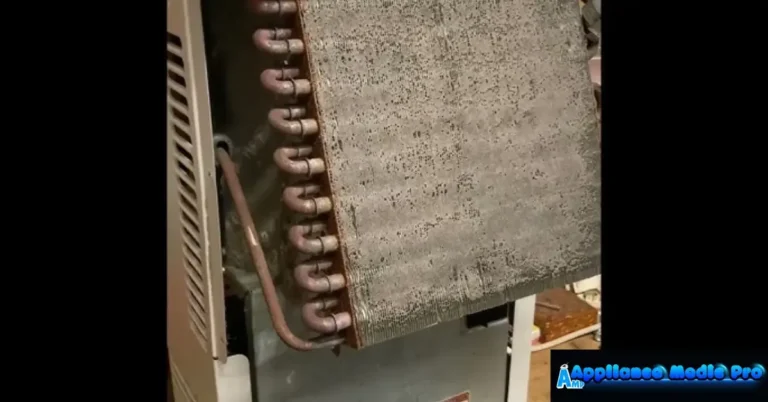
Your Honeywell dehumidifier is freezing up. You pull off the front grille and find a solid block of ice wrapped around the coils. It’s frustrating, especially when you bought this thing to remove moisture, not create a mini ice rink.
Here’s the good news: in most cases, this is a fixable condition, not a broken machine. Manufacturer specifications show that Honeywell dehumidifiers are designed to operate between 41°F and 90°F. Operate them outside that range, and ice becomes a predictable outcome.
Let’s walk through what’s actually going on and how to get your unit back to work.
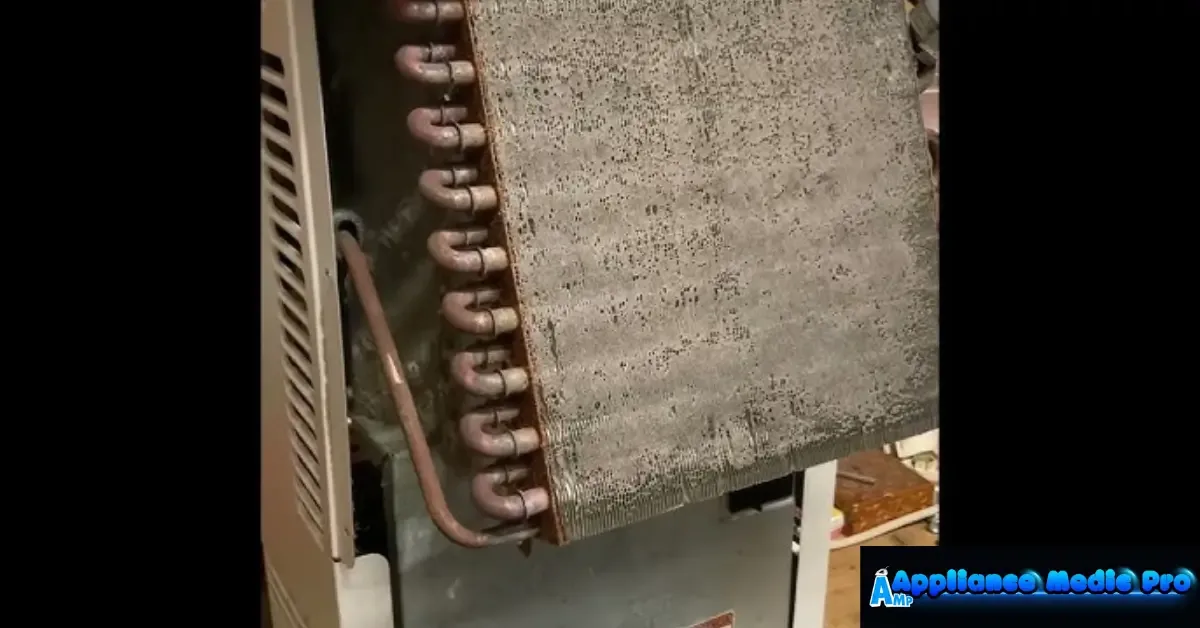
Image source: Bing (Web (fair-use with source credit))
Quick Answer
Honeywell dehumidifiers freeze up when the coils get too cold. This happens most often in low room temperatures. A dirty filter is the second most common cause.
Check the temperature first. Then inspect the filter. Thaw the unit completely before restarting.
That fixes most cases.
Is Freezing Normal? Quick Answer
Not always. Here’s the test: if the room temperature is below 65°F, the freezing is normal physics at work. Your dehumidifier’s compressor cools the coils.
If the ambient air is already cold, the coils drop below freezing and ice forms. That’s a design limitation, not a defect.
But if the room is warm (above 65°F) and you still see ice, something is wrong with the airflow or the machine itself. A dirty filter, a blocked vent, or a failing fan can all cause the coils to get colder than they should. User feedback across major retail platforms confirms that airflow restriction is the number one culprit in warm-room freezing.
The auto-defrost feature on most Honeywell models should kick in when ice starts forming. It cycles the compressor off and runs the fan to melt the ice. If that defrost cycle isn’t working, or if the ice keeps coming back, you have a deeper issue.
We’ll cover that in the decision tree below.
Diagnose It Fast: The 5-Minute Checklist
Before you dig into the decision tree, run these three quick checks. They take about five minutes and solve the majority of freeze-ups.
Check 1. The air filter. Pull it out and hold it up to a light. If you can’t see light through it, it’s clogged.
Honeywell recommends cleaning the filter every two weeks under heavy use. Wash it with warm water, dry it completely, and reinstall.
Check 2. The intake and exhaust vents. Make sure the front grille isn’t blocked by furniture or walls. The manual typically calls for at least 12 inches of clearance on all sides.
Also check the back of the unit where air exits.
Check 3. The continuous drain hose (if you use one). A kinked or clogged drain hose can cause the bucket to fill up even when the hose is connected. A full bucket or a stuck float switch can trigger the compressor to shut off and restart repeatedly, which contributes to ice formation.
Here’s a quick reference table:
| Check | What to Look For | Quick Fix |
|---|---|---|
| Air filter | No light passes through | Wash and dry |
| Intake vents | Blocked by furniture | Move 12 inches away |
| Exhaust vents | Blocked by wall | Relocate unit |
| Drain hose | Kinked or clogged | Straighten or flush |
If all three checks pass and the unit is still freezing, move to the decision tree.
Decision Tree: Why Your Unit Is Freezing
This is a branch-by-branch guide. Start with Branch 1 and work down. Stop when you find the branch that matches your situation.
Branch 1: Room Temperature Below 65°F
This is the most common cause. Dehumidifiers are not designed to run in cold spaces. The compressor works by cooling the coils below the dew point.
If the surrounding air is already cold, the coils drop below freezing and ice forms.

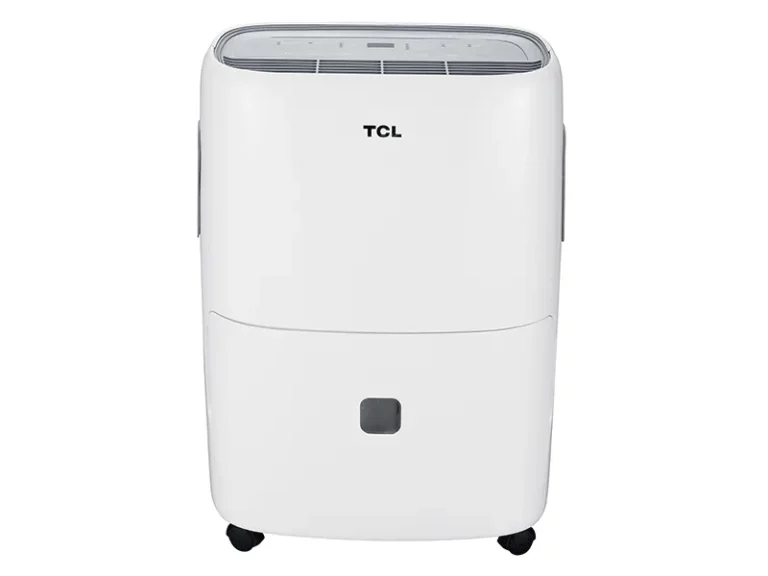
Image source: Web (Bing) / animalia-life.club (Web image (fair-use with source credit))
If this is your scenario, the fix is simple. Move the unit to a warmer part of the space. If that’s not possible, consider a desiccant dehumidifier for cold basements or garages.
Desiccant models use a different technology that doesn’t rely on cold coils, so they don’t freeze.
If you must keep the Honeywell in a cold room, run it only when the temperature climbs above 65°F, such as midday in summer. Never run it in an unheated garage in winter.
Branch 2: Dirty Filter or Blocked Airflow
A dirty filter is the second most common cause. When airflow is restricted, the air moves too slowly across the coils. The coils get colder than they should, and ice forms.

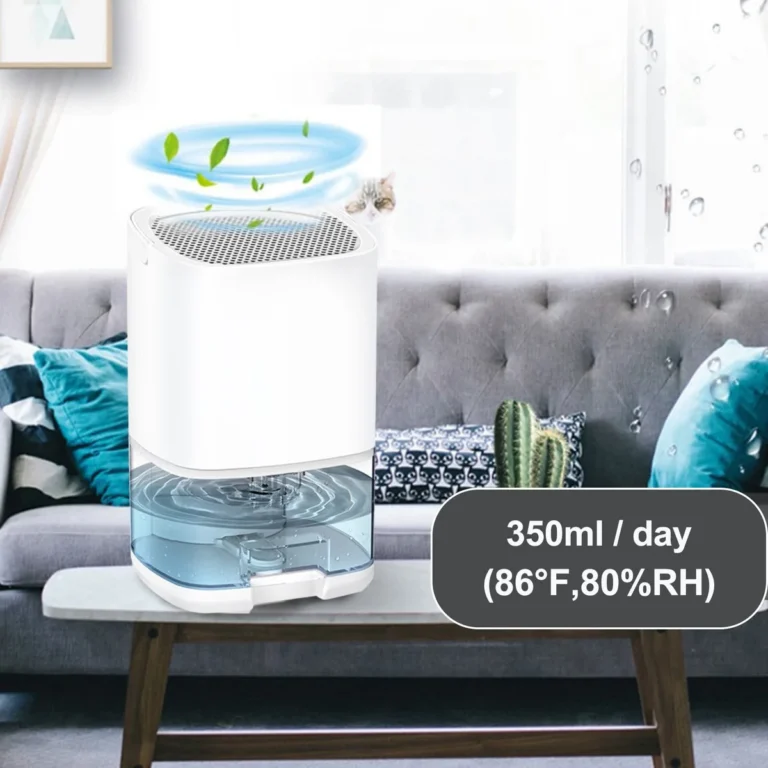
Image source: Bing (Web (fair-use with source credit))
If you find a dirty filter, wash it with warm water and mild soap. Let it dry completely before reinstalling. Do not put a wet filter back in the unit.
While you’re at it, check the front and back grilles for dust buildup.
After cleaning the filter, run the unit for 24 hours. If the ice does not return, the problem is solved. If it does return, move to the next branch.
Branch 3: Continuous Drain Problems
If you use the continuous drain feature, a blocked or kinked hose can cause the bucket to fill up. When the bucket is full, the unit shuts off the compressor. If the compressor cycles on and off repeatedly, the coils can ice up.
Check the hose for kinks. Make sure it slopes downward continuously. If the hose is clogged, disconnect it and flush it with water.
Also check the drain port on the unit for debris.
If you are not using continuous drain, skip this branch.
Branch 4: Defrost Sensor or Fan Failure
If the room is warm, the filter is clean, and the drain is fine, the defrost sensor or the fan might be failing. The defrost sensor tells the unit to cycle the compressor off when ice forms. If that sensor is broken, the compressor keeps running and ice builds up.
A failing fan motor is another possibility. If the fan is spinning slowly or not at all, air is not moving across the coils. The coils get cold, and ice forms.
Listen for the fan sound. If it sounds weak or rattling, the fan may need replacement.
These repairs require disassembly. If you are comfortable with basic electronics, you can test the sensor with a multimeter. Otherwise, call a technician.
Branch 5: Low Refrigerant
This is the last resort branch. Low refrigerant is a leak inside the sealed system. It is not a DIY fix.
Low refrigerant causes the coils to get too cold because there is not enough refrigerant to absorb heat properly.
Symptoms of low refrigerant include: ice that forms quickly, ice that is hard and white (not slushy), and a unit that runs constantly but collects little water. If you have ruled out all other branches and the ice keeps coming back, you likely have a refrigerant leak.
This requires a certified HVAC technician. Refrigerant handling is regulated by the EPA. Do not attempt to add refrigerant yourself.
The cost of repair is often $150 to $400. If the unit is more than five years old, replacement may be more cost-effective.
Mistakes That Make Freezing Worse
Some common mistakes turn a simple fix into a costly repair. Here are the ones to avoid.
Chipping ice off the coils. This is the number one mistake. People grab a screwdriver or a knife and try to break the ice off the coils. The coils are thin metal fins.
One slip and you puncture the refrigerant line. That turns a $20 filter problem into a $300 repair.
Short-cycling the unit. When you see ice, you might unplug the unit, wait 30 minutes, and plug it back in. The ice hasn’t fully melted. The compressor kicks on, and the ice builds up faster.
Always thaw the unit completely. That means unplugging it for 6 to 24 hours, depending on how thick the ice is.
Ignoring the bucket sensor. Some users disable the bucket full sensor because they find it annoying. The sensor is there to protect the compressor. If the bucket is full and the compressor keeps running, the unit can overflow.
Water damage is worse than a little ice.
Raising the humidity setting. Some people think that setting the humidity higher will stop the freezing. It doesn’t work that way. The compressor still runs until the humidity drops to the set point.
Raising the set point just delays the start of the defrost cycle.
If you have made any of these mistakes, stop. Unplug the unit. Let it thaw fully.
Then restart with the correct process.
When to Call a Pro or Replace the Unit
Not every freeze-up is a DIY fix. Some problems require professional diagnosis.
Refrigerant leaks. As mentioned in Branch 5, low refrigerant is a sealed system problem. A technician needs to find the leak, repair it, and recharge the system. This is not a job for a homeowner.
The EPA regulates refrigerant handling, and improper handling can damage the compressor further.
Compressor failure. If the compressor itself is bad, the unit is usually not worth repairing. Compressor replacement costs nearly as much as a new dehumidifier.
Control board failure. If the electronic control board is damaged, the unit may not run the defrost cycle correctly. This is a less common failure, but it happens. A replacement control board plus labor can cost $100 to $200.
Here is a cost comparison:
| Issue | Typical Repair Cost | Replacement Cost | Verdict |
|---|---|---|---|
| Dirty filter | $0 | $150–$350 | DIY |
| Defrost sensor | $50–$100 | $150–$350 | Repair if under 3 years |
| Fan motor | $80–$150 | $150–$350 | Repair if under 5 years |
| Refrigerant leak | $150–$400 | $150–$350 | Replace if over 5 years |
| Compressor failure | $200–$400 | $150–$350 | Replace |
If your unit is still under warranty (typically one year parts and labor, five years on the sealed system), call Honeywell support before paying for repairs. They may cover the cost of refrigerant leak repairs.
For most homeowners, if the unit is more than five years old and the repair is over $150, replacement is the smarter move. A new unit with modern features and better energy efficiency often pays for itself in a few years.
Stop the Freeze: Maintenance That Actually Works
Prevention is straightforward once you know the triggers. Here are the habits that keep your Honeywell dehumidifier ice-free year-round.
Clean the filter monthly. Mark it on your calendar. A clean filter maintains proper airflow. In dusty basements or garages, check it every two weeks.
Wash it with lukewarm water and let it air dry completely.
Keep the room above 65°F. If you store the unit in a basement or garage, monitor the temperature. If it drops below 65°F, either move the unit or use a space heater to raise the ambient temperature. Never rely on the unit’s defrost cycle alone in cold conditions.
Check the drain hose quarterly. Disconnect it and flush it with water to remove algae or sediment buildup. Make sure the hose slopes downward without dips. A dip traps water and creates a clog.
Clean the coils annually. Unplug the unit. Remove the front grille. Use a soft brush or compressed air to gently remove dust from the evaporator and condenser coils.
Dust acts as insulation and prevents heat transfer, which causes ice.
Store the unit properly in winter. If you don’t need it, drain all water from the bucket and drain hose. Clean the filter. Let the unit dry completely.
Cover it and store it in a climate-controlled space. Never store it in an unheated shed or garage.
These simple steps take about 30 minutes per month total. They extend the life of your unit and prevent nearly all freeze-ups.
Frequently Asked Questions
Will the unit thaw itself?
Yes, most Honeywell models have an auto-defrost feature. It cycles the compressor off and runs the fan to melt ice. But if the ice is thick or the room is very cold, the defrost cycle may not keep up.
You may need to unplug the unit and let it thaw manually.
How long does it take to unfreeze a dehumidifier?
It depends on the ice thickness. Thin frost melts in 2 to 3 hours. A solid block of ice can take 12 to 24 hours.
Never chip the ice. Just unplug the unit, set it in a warm room, and wait.
Can I run my dehumidifier in a cold garage?
Not effectively. If the garage is below 65°F, the unit will freeze. The compressor will cycle on and off, and you’ll get little water collection.
A desiccant dehumidifier is a better choice for cold garages.
Why does my dehumidifier freeze up even when the room is warm?
If the room is above 65°F and you still get ice, check the air filter first. Then look for blocked vents or a failing fan motor. If those are fine, you may have a refrigerant leak.
That requires a technician.
How often should I clean the filter?
Honeywell recommends cleaning the filter every two weeks under heavy use. In normal conditions, once a month is enough. Set a reminder on your phone.
A dirty filter is the number one preventable cause of freezing.
Is a frozen dehumidifier dangerous?
It is not a fire hazard, but it can cause water damage. When the ice melts, it may overflow the bucket or drain. Water can damage floors and walls.
Also, running a frozen unit for long periods can damage the compressor. Always address it promptly.