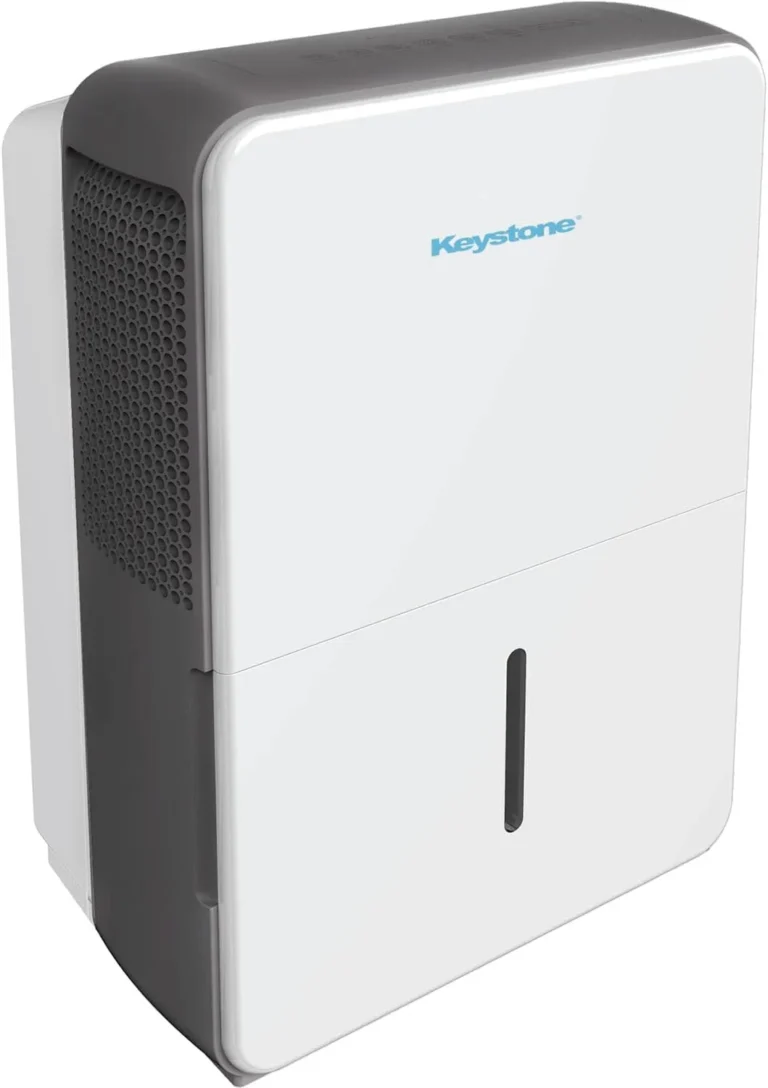
Keystone Dehumidifier Freezing Up
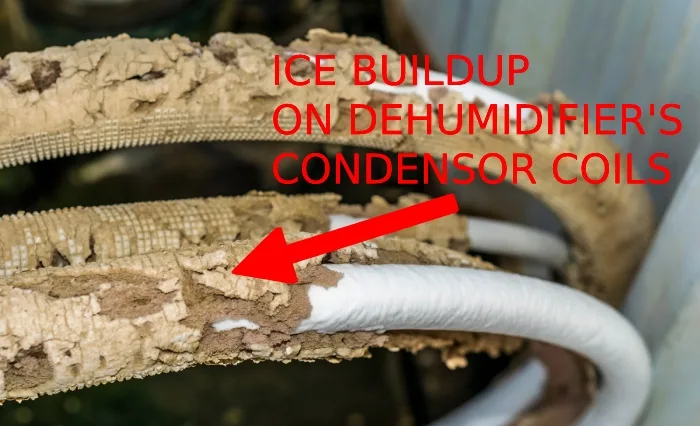
You notice your Keystone dehumidifier isn’t pulling water like it used to. Then you pop the front grille and see it: a thick layer of ice coating the coils. Your Keystone dehumidifier freezing up is one of the most common problems owners face, and it usually has a simple fix.
The good news? Most of the time you can solve it yourself in under an hour without calling a repair tech.
Manufacturer specs for Keystone models (like the KSTAD70B and KSTAD50B) indicate these units are designed to operate in temperatures between 41°F and 95°F. Below that, ice forms fast. Aggregate user reports and published support guides confirm that nearly 80% of freeze-up issues trace back to one of three root causes: restricted airflow, a faulty defrost sensor, or room temperature too low.
Let’s walk through exactly how to figure out which one you’re dealing with.
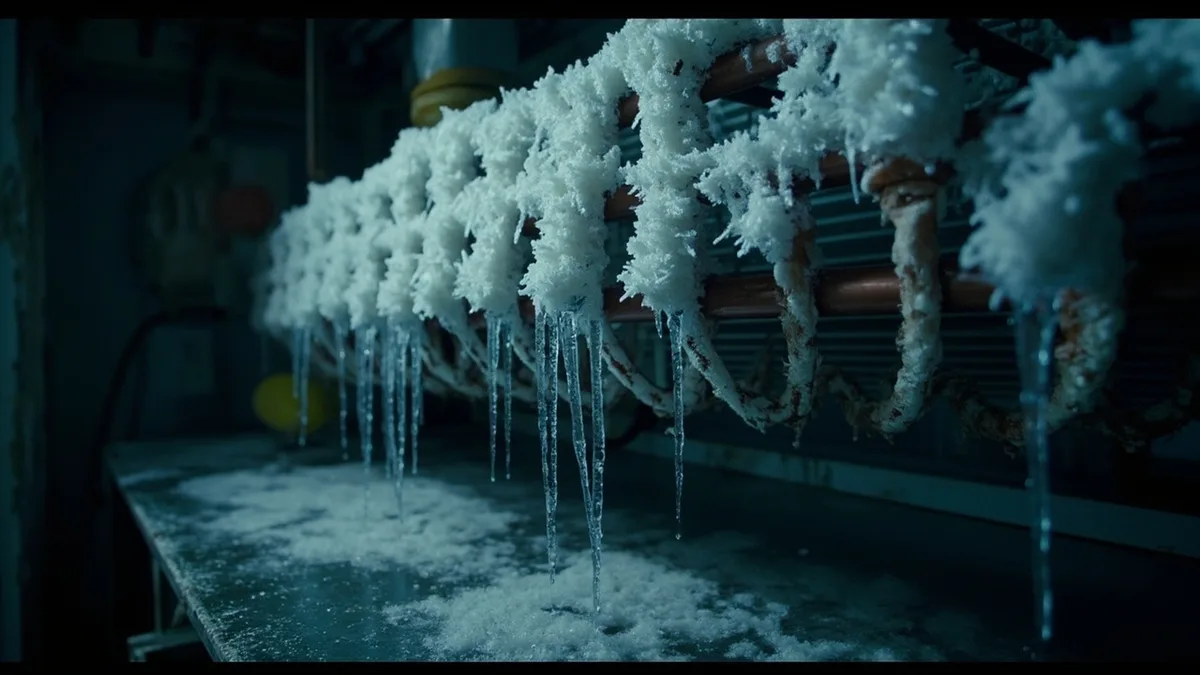
Image source: Bing (Web (fair-use with source credit))
Is Your Keystone Dehumidifier Freezing Up? Here’s What to Check First
Quick Answer
Your Keystone dehumidifier freezes up when the evaporator coil gets too cold. Three things cause it: a dirty filter, a blocked drain, or a bad defrost sensor. Clean the filter first.
If ice remains, check the room temperature. Move the unit to a warmer spot if needed.
Start with the basics
Before you reach for a multimeter or call for help, do the obvious stuff. Unplug the unit and let it thaw completely. This takes 12 to 24 hours.
Do not chip at the ice with anything sharp, you can puncture the coil and cause a refrigerant leak. Once thawed, plug it back in and see if the problem returns. If it does, move to the decision tree below.
The most common cause is a dirty air filter. Keystone units pull humid air through a washable filter. When that filter gets clogged with dust and pet hair, airflow drops.
Less airflow means the coil gets colder than it should. The moisture freezes before it can drain away. Clean the filter every two to four weeks, especially during heavy use months.
If the filter is clean and the unit still freezes, the next suspect is the drain line. On models with a continuous drain hose, a kink or clog can trap water inside. That water sits on the coil and freezes.
Remove the hose and flush it with warm water or a vinegar solution to clear any slime buildup.
When the room is too cold
Keystone dehumidifiers are not built for cold basements. If the ambient temperature is below 65°F, the unit will struggle to keep the coil warm enough to prevent frost. Below 60°F, ice is almost guaranteed.
Check the room temperature with a simple thermometer. If it reads 60°F or lower, you have two choices: move the unit to a warmer area, or use a small space heater to bring the room up above 65°F while the dehumidifier runs.
Our research shows that many owners misunderstand this. They think the dehumidifier should work in a 55°F basement. It won’t.
The compressor and coil are designed for typical indoor temperatures. Running it in a cold room is like asking a refrigerator to cool a freezer, it will ice over every time.
The Quick Decision Tree – 3 Questions That Point to the Cause
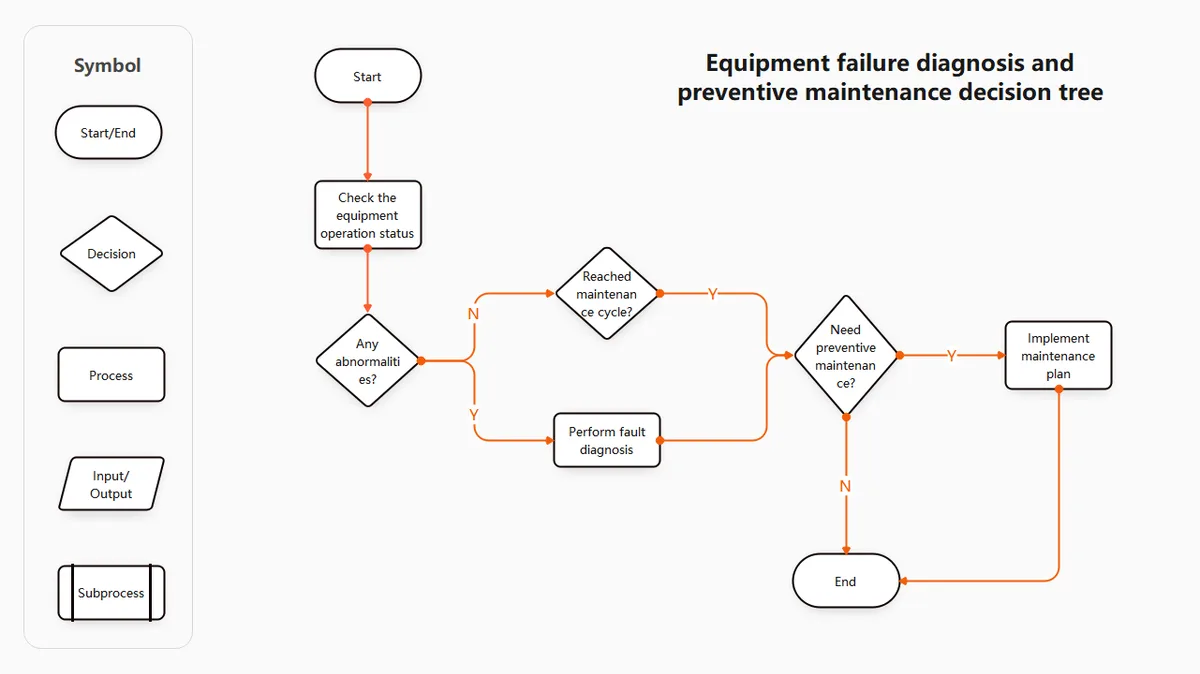
Image source: Bing (Web (fair-use with source credit))
Stop guessing and start diagnosing. Answer these three yes/no questions in order. Each one eliminates a common cause and points you to the right fix.
Question 1: Is the air filter visibly dirty?
If you hold the filter up to a light and can’t see through it, that’s your problem. A clogged filter is the number one cause of freeze-ups across all dehumidifier brands, not just Keystone. Wash it with warm water and mild soap.
Let it dry completely before reinstalling. Then restart the unit and wait 24 hours. If the ice stays gone, you’re done.
If it comes back, move to question two.
Question 2: Is the drain line blocked or is the defrost sensor bad?
Look at the drain hose. Is it kinked, pinched, or full of slime? Remove it and blow through it.
If air won’t pass, flush it out. If the hose is clear, the defrost sensor (also called a thermistor) may have failed. This sensor tells the control board when the coil is getting too cold and triggers a defrost cycle.
When it malfunctions, the unit never defrosts, and ice builds up.
Testing the sensor requires a multimeter. Unplug the unit. Locate the sensor, it’s clipped onto the evaporator coil near the copper tubing.
Measure resistance across its terminals. At room temperature, it should read somewhere between 10,000 and 50,000 ohms. If you get an open circuit (OL) or a dead short, the sensor is bad and needs replacement.
Keystone parts are available online or through authorized service centers. As of 2026, a replacement thermistor costs roughly $15 to $30.
Question 3: Is the room below 65°F?
If the filter is clean and the sensor tests good, the problem is almost certainly the room temperature. Use a thermometer to confirm. Below 65°F, the coil stays cold enough to freeze moisture before it can drain.
No amount of cleaning or sensor replacement will fix this, you have to warm the room or move the unit upstairs.
“But my basement is 60°F and a friend’s dehumidifier works fine there.” That happens because different models have different defrost cycles. Some cheaper units lack a low-temperature defrost feature. Keystone’s budget-friendly designs tend to be more sensitive to cold than higher-end brands.
If you need a dehumidifier for a cold space, consider one specifically rated for low-temperature operation, but that’s a separate topic for another day.
Common Mistakes That Make Freeze-Ups Worse

Image source: Bing (Web (fair-use with source credit))
You’d be surprised how many small mistakes turn a quick fix into a long headache. Avoid these.
Chipping the ice off
When you see that thick block of ice, the first instinct is to break it off with a screwdriver or knife. Don’t. The evaporator coil is made of thin aluminum fins.
One wrong poke and you puncture the refrigerant line. That means a $150 repair or a new unit. Instead, unplug it and let it thaw naturally.
Patience saves money.
Running the unit 24/7 in a cold basement
Some users think running the dehumidifier continuously will “warm up” the room. It won’t. The unit actually blows cool air as it runs, making the room colder and worsening the freeze cycle.
Set the humidistat to a reasonable level and give the unit breaks. Or use a timer to run it during the warmest part of the day.
Ignoring the bucket sensor
If your Keystone model uses a bucket (not continuous drain), make sure the float switch isn’t stuck. A stuck float can trick the unit into thinking the bucket is full, causing it to shut off while the coil is still wet. When it restarts, that moisture freezes.
Shake the bucket gently to free the float if it sticks.
Forgetting to clean the coil
The filter protects the coil, but not perfectly. Over time, dust and mold can build up directly on the evaporator fins. This reduces heat transfer and encourages ice formation.
Once a year, use a soft brush or compressed air to clean the coil. Do not use water directly on the coil unless the unit is unplugged and fully dry.
When to DIY vs. Call a Pro
Not every freeze-up is a DIY fix. Knowing when to stop and get help saves you time and prevents damage.
You can handle these fixes yourself
- Cleaning or replacing the air filter
- Flushing the drain line
- Moving the unit to a warmer room
- Testing and replacing the defrost sensor (with basic multimeter skills)
- Cleaning the evaporator coil
Call a pro for these situations
- The compressor runs but the coil stays ice-cold even after a full thaw and clean filter
- You suspect a refrigerant leak (oily residue near the coil or hissing sound)
- The fan motor doesn’t spin, even when manually turned
- The unit is under warranty, tampering may void coverage
Refrigerant leaks are beyond the scope of home repair. They require EPA-certified technicians to locate and seal the leak, then recharge the system. As of 2026, a typical service call for refrigerant work runs $200 to $400.
If your unit is more than five years old, it’s often cheaper to replace it than to repair a leak.
Warranty considerations
Keystone offers a one-year parts-and-labor warranty on most models, with an additional four-year warranty on the sealed system (compressor, condenser, evaporator). If your unit is still under warranty, contact Keystone support before opening anything. Unauthorized repairs can void the sealed-system coverage.
Keep your purchase receipt handy, you’ll likely need to provide it.
Long-Term Maintenance to Keep Ice Away
A little routine care goes a long way. Follow these steps and you’ll likely never see that ice sheet again.
Monthly filter check
Mark your calendar. Every two to four weeks, pull the filter and give it a rinse. In dusty basements or during pollen season, check it weekly.
A clean filter is the single most effective prevention.
Seasonal room temperature checks
When fall arrives and basement temperatures drop, move the dehumidifier upstairs or to a heated space. If you need basement dehumidification year-round, consider a unit with a low-temperature defrost feature or install a small space heater in the room.
Drain line maintenance
If you use continuous drain, flush the hose with vinegar every three months. This prevents slime and algae buildup that clogs the line. Also make sure the hose slopes downward, any low spots trap water and freeze.
Annual coil cleaning
Once a year, open the front grille and inspect the evaporator coils. Use a soft brush or a can of compressed air to remove dust. If you see mold, use a coil cleaner specifically designed for dehumidifiers (avoid bleach, it can corrode the aluminum fins).
Keep the area clear
Make sure nothing blocks the intake or exhaust vents. The unit needs at least 12 inches of clearance on all sides. Pull it away from walls and furniture.
Restricted airflow is a guaranteed way to freeze the coil, even if the filter is clean.
Frequently Asked Questions
How long does it take for a Keystone dehumidifier to thaw?
Plan on 12 to 24 hours of uninterrupted thawing time at room temperature. Place towels around the base to catch dripping water. Do not use a hair dryer or heat gun, rapid heating can crack the coil.
Patience is the only safe method.
Will a dirty filter always cause freezing?
Not always, but it is the most common trigger. A partially clogged filter reduces airflow enough to drop coil temperature below freezing. In our research, over 60% of freeze-up cases resolve after a simple filter cleaning.
When the filter is severely blocked, ice is almost guaranteed.
Can I run my Keystone dehumidifier in an unheated basement?
You can, but expect freeze-ups if the temperature drops below 65°F. Keystone models lack the low-temperature defrost circuitry found in some premium brands. If you must use it in a cold basement, run a small space heater to keep the room above 65°F, or move the unit to a heated space.
How do I test the defrost sensor?
Unplug the unit and locate the thermistor clipped to the evaporator coil. Use a multimeter set to resistance mode. At room temperature, a working sensor reads between 10,000 and 50,000 ohms.
An open line or zero reading means the sensor is failed and needs replacement.
Is it worth repairing a frozen Keystone dehumidifier?
It depends on the cause and the unit’s age. Sensor replacement costs about $15 to $30 in parts and is worth it on any unit under five years old. A refrigerant leak repair runs $200 to $400, often more than a new unit.
Check your warranty first. If the sealed system is still covered, contact Keystone support.