What Is the Difference Between 20 Pint and 50 Pint Dehumidifiers
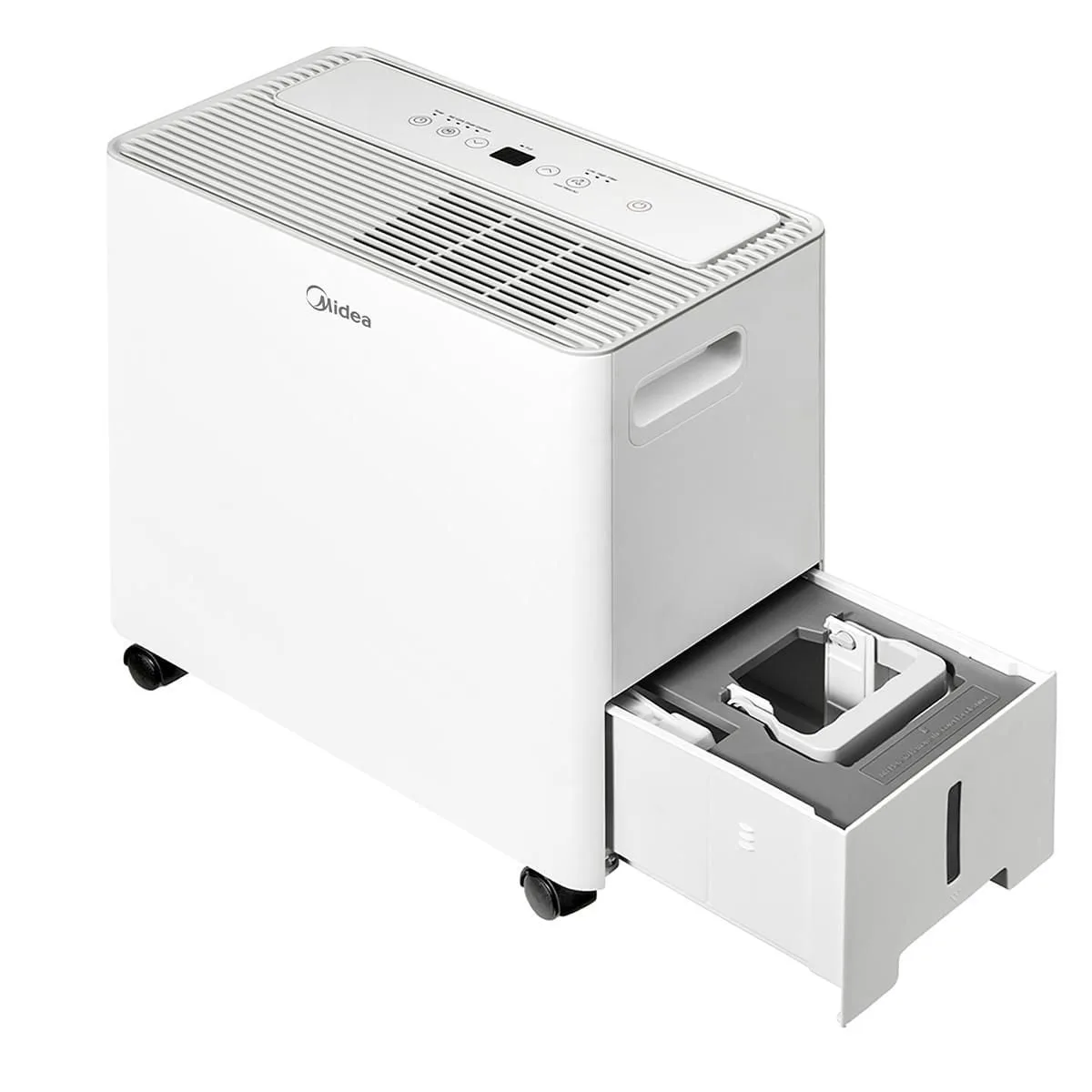
Image source: Bing (Web (fair-use with source credit))
Why the 20-Pint vs 50-Pint Question Matters
So why do people get tripped up on this? Because humidity problems aren't one-size-fits-all. A 20-pint dehumidifier works great in a small bedroom or a dry basement that just gets musty in summer.
A 50-pint unit handles a full-sized basement that stays damp or a large open floor plan in a humid climate. Get it wrong and you either run the machine 24/7 without hitting your target humidity, or you overspend on electricity while the unit short-cycles. That's why matching pint capacity to your space directly affects comfort, energy bills, and mold prevention.
The most common mistake is relying solely on square footage. Manufacturer specs often list a 20-pint covering 1,500 square feet and a 50-pint covering 3,000. But those numbers assume ideal conditions at 80°F and 60% relative humidity per AHAM testing.
In a 65°F basement with active moisture seeping through concrete, a 20-pint can't keep up. Meanwhile, a 50-pint in a dry 1,000-sq-ft apartment will pull the room below 30% humidity and cycle on and off every few minutes. That's hard on the compressor and your electric bill.
If you're unsure about your specific setup, browsing a roundup of reliable dehumidifiers can give you a head start. But this guide will help you decide which pint rating is right before you shop.
Quick Answer
A 20-pint dehumidifier removes 20 pints of water per day and covers 1,000 to 1,500 square feet. A 50-pint removes 50 pints per day and covers 2,000 to 4,000 square feet. The 20-pint is lighter and cheaper.
The 50-pint handles wetter spaces and larger rooms. Your choice depends on room size, moisture level, and temperature.
What "Pint Rating" Actually Means (And Why Square Footage Alone Isn't Enough)
A 20-pint dehumidifier removes 20 pints of water, about 2.5 gallons, in 24 hours under AHAM standard conditions. A 50-pint removes 50 pints, about 6.25 gallons. But those numbers change when the room temperature drops below 70°F or humidity rises above 60%.
In a cold basement around 55 to 60°F, a compressor-based 20-pint may only pull 10 to 12 pints per day. The evaporator coil gets too cold and frost forms. The defrost function kicks in, which cuts into performance.
What matters more than square footage is moisture load. A 500-sq-ft basement with a dirt floor or a minor leak can have a moisture load of 30 to 40 pints per day. You'd need a 50-pint just to get ahead.
A 1,200-sq-ft living room in a dry climate might only need 10 to 15 pints per day. A 20-pint is plenty.
Here's a quick way to think about it:
- 20-pint: Best for damp but not wet spaces. Think a bedroom, small apartment, or finished basement with no water issues.
- 50-pint: Best for wet basements, large open rooms, spaces with poor ventilation, or if you want to run a continuous drain and not empty a bucket every day.
The Energy Star program requires all dehumidifiers to meet minimum efficiency levels. But pint rating itself isn't regulated beyond that standard. A 50-pint from a reputable brand will typically remove more water per dollar than a 20-pint.
But only if you actually need that capacity.
20-Pint vs 50-Pint: Side-by-Side Specs and Real-World Trade-Offs
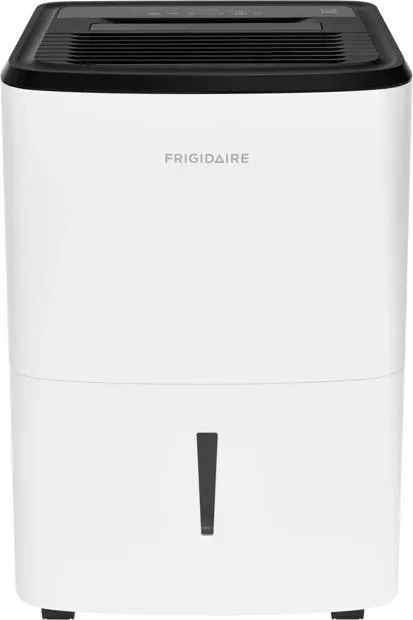
Let's put the numbers side by side. The table below shows typical specs from major brands. Your mileage will vary by model and conditions.
| Spec | 20-Pint (Typical) | 50-Pint (Typical) |
|---|---|---|
| Coverage (AHAM) | 1,000 – 1,500 sq ft | 2,000 – 4,000 sq ft |
| Water tank size | 1.5 – 2 gallons | 3 – 4 gallons |
| Weight | 25 – 35 lbs | 40 – 55 lbs |
| Power consumption | 300 – 400 watts | 500 – 700 watts |
| Noise level | 45 – 50 dB | 50 – 55 dB |
| Price range | $150 – $250 | $250 – $400 |
| Continuous drain | Usually yes (gravity) | Yes (gravity or pump) |
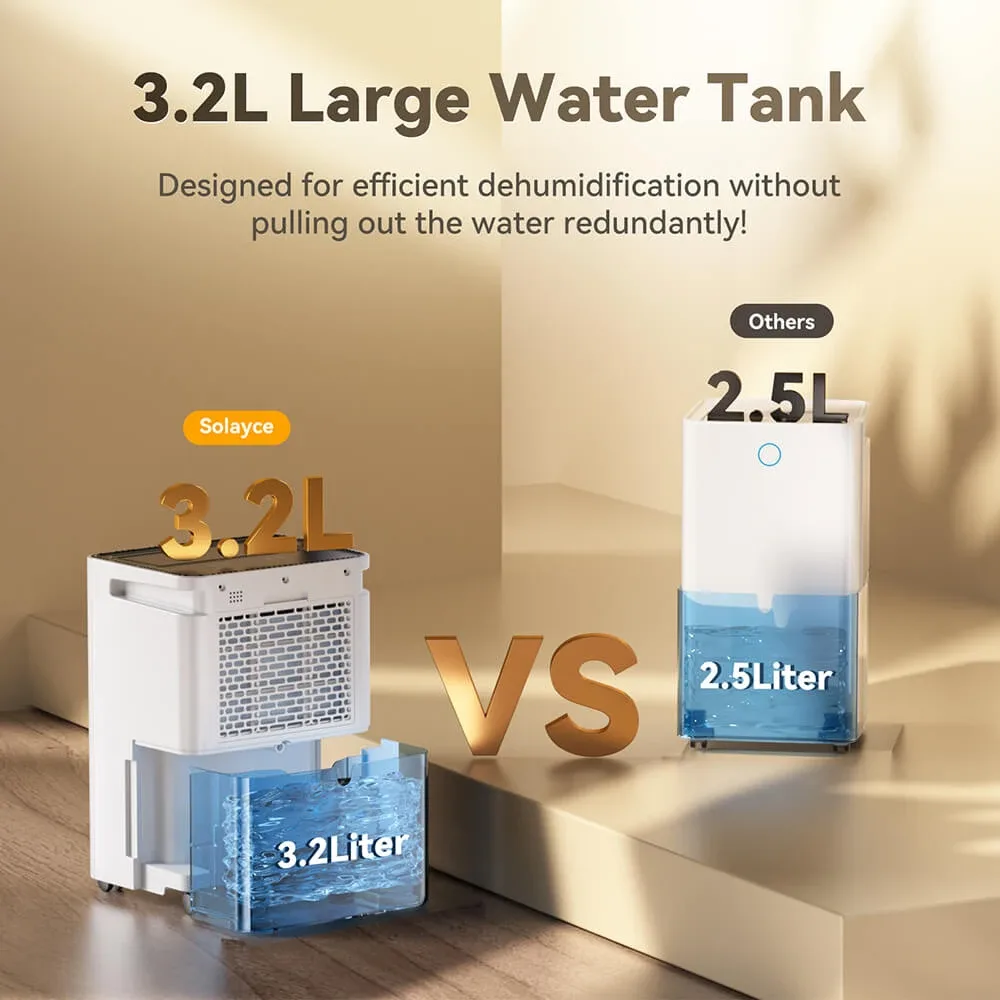
Image source: Bing (Web (fair-use with source credit))
Trade-offs you'll feel in real life:
- Tank emptying: A 20-pint removes water slower, but its smaller tank means you'll empty it more often. In a very humid room, a 20-pint might fill up every 6 to 8 hours. A 50-pint's larger tank can last 12 to 18 hours. Many models also have a built-in pump so you can drain upward into a sink or outside.
- Mobility: 20-pint units are lighter and easier to carry between rooms. 50-pint models usually have casters, but they're bulkier.
- Energy: A 50-pint uses about 50 to 70% more electricity per hour. But if it runs fewer hours because it's correctly sized, the net cost can be similar. Oversizing wastes energy. Undersizing wastes energy because it runs constantly without hitting target.
- Drainage: Most 20-pint units only support gravity drainage. You need a floor drain or a hose sloping downward. A 50-pint often includes a condensate pump, letting you route the hose up and out.
Which One Fits Your Space? Matching Capacity to Room, Moisture Level, and Climate
Here's the decision-making framework. Start with three questions.
1. What's the room size? Measure the square footage. If it's under 1,200 sq ft, a 20-pint is worth considering.
Over 2,000 sq ft, aim for a 50-pint. In between, look at moisture level.
2. Is the space damp, wet, or dry?
- Damp (slight musty smell, no visible water): 20-pint might be enough.
- Wet (condensation on windows, mold spots, a leaky basement): go 50-pint.
- Very wet (standing water or active seepage): you may need 70+ pints. That's a different category.
3. What's the temperature? If the space stays below 65°F for long periods, like an unfinished basement, a compressor-based 50-pint will still perform. But a 20-pint might struggle.
Some 20-pint models have a low-temperature limit around 41°F. Check the specs.
Image source: Bing (Web (fair-use with source credit))
Real-world examples:
- A 1,500-sq-ft finished basement with minor humidity around 50 to 55% RH. A 20-pint can maintain that level once you get it down initially.
- A 2,500-sq-ft unfinished basement in the southeastern U.S. with a dirt floor or occasional rain seepage. You absolutely need a 50-pint. A 20-pint would run non-stop and never hit 45% RH.
- A 900-sq-ft apartment in a humid city. A 20-pint might be overkill, but if you have poor ventilation and mold issues, it's the right call.
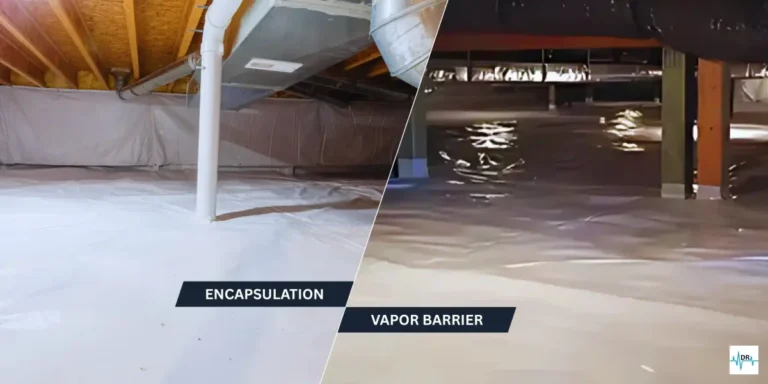
If you're dealing with a basement specifically, take a look at our guide to basement dehumidifiers for more targeted advice.
The Biggest Mistake People Make When Sizing a Dehumidifier
It's buying the biggest pint rating you can afford because you think "more is better." That logic works for some appliances, but not dehumidifiers. An oversized unit pulls humidity down too quickly, shuts off, and hours later the humidity creeps back up. This on-off cycling is called short cycling.
It wastes electricity and wears out the compressor faster. The room can also feel cold and clammy because the unit never runs long enough to circulate air evenly.
On the flip side, an undersized unit runs 24/7, never shuts off, and burns through electricity. It also fails to keep humidity below 50%, which is where mold thrives. The tank fills every few hours, forcing you to empty it constantly.
How to avoid this mistake:
- Measure your room's actual humidity with a hygrometer. A $10 tool will do. If it's already above 60%, you need a unit that can handle the moisture load.
- Use the AHAM guideline as a starting point. Adjust for temperature and wetness.
- If in doubt, go higher for spaces with high moisture. A 50-pint gives you room to adjust. You can always set the unit to a lower fan speed or target a higher humidity level.
- Never buy solely based on the cheapest price. A too-small unit will cost you more in electricity and frustration within two months.
Another common error is ignoring the need for continuous drainage. If your basement has no floor drain and you don't want to carry buckets upstairs, make sure the unit supports a hose. A pump is even better if the drain is above the unit.
That feature is standard on most 50-pint models but rare on 20-pints.
Frequently Asked Questions
Can a 20-pint dehumidifier handle a basement?
It depends on the basement's moisture level and size. For a small, dry, finished basement under 1,200 square feet, a 20-pint can maintain 50% humidity. For an unfinished basement with damp walls or a dirt floor, you'll likely need a 50-pint.
The 20-pint will run constantly and never catch up in a wet basement.
Will a 50-pint dehumidifier use a lot more electricity?
A 50-pint uses roughly 500 to 700 watts versus 300 to 400 for a 20-pint. That's about 50 to 70% more power per hour. But if the 50-pint runs fewer hours because it's correctly sized, the total monthly cost may be similar.
Oversizing wastes electricity. Undersizing wastes it too because the unit never shuts off.
How often do I need to empty the water tank?
A 20-pint typically has a 1.5 to 2 gallon tank that fills every 6 to 10 hours in a humid room. A 50-pint holds 3 to 4 gallons and can last 12 to 18 hours. Using a continuous drain hose eliminates emptying entirely.
Many 50-pint units include a pump for draining upward into a sink or window.
What temperature is too cold for a dehumidifier?
Compressor dehumidifiers lose efficiency below 65°F. Below 60°F, frost can form on the coils, and the defrost cycle kicks in frequently. Some 20-pint models have a low-temperature limit of 41°F.
If your basement stays colder than that, consider a desiccant dehumidifier instead.
Should I get a 20-pint or 50-pint for a bedroom?
For a typical 300 to 500 square foot bedroom, a 20-pint is more than enough. A 50-pint would be oversized and cause short cycling. It's also heavier and noisier.
Unless you have extreme humidity or mold, stick with the smaller capacity for a bedroom.
Is a higher pint rating always better?
No. An oversized unit short cycles, wears out faster, and wastes electricity. It can also leave the room feeling cold and clammy because it runs in short bursts.
The best dehumidifier matches your square footage, moisture load, and temperature conditions.
So, Which Should You Buy? Final Verdict for Your Home
Here's the bottom line.
Choose a 20-pint dehumidifier if:
- Your space is under 1,200 square feet and not actively wet.
- You need to move it between rooms. It's lighter and more portable.
- You have a floor drain or don't mind emptying a small tank daily.
- The room stays above 65°F most of the year.
Choose a 50-pint dehumidifier if:
- Your space is over 2,000 square feet or you have a large basement.
- The room stays damp or wet. Look for condensation, musty smell, or visible mold.
- You want continuous drainage without emptying a bucket. Many 50-pint units have a pump.
- You're in a humid climate like the Southeast or Gulf Coast.
If you're still on the fence, go with the 50-pint for a basement or high-moisture space. You can always set it to a higher humidity target to reduce runtime. The 20-pint is better for smaller, drier rooms where energy efficiency and portability matter most.
Either way, get a unit with Energy Star certification and a continuous drain option. That combo saves you money in the long run and cuts down on maintenance. Check your room's actual humidity with a $10 hygrometer before buying.
That single step will prevent the biggest sizing mistake of all.