How to Stop a Dehumidifier From Smelling
That funky smell coming from your dehumidifier isn't just annoying. It's telling you something. Learning how to stop a dehumidifier from smelling starts with understanding what that odor actually means.
Different smells point to different problems. The fix changes depending on the cause.
The Environmental Protection Agency recommends keeping indoor humidity between 30% and 50% relative humidity to prevent mold and bacteria growth. A dehumidifier running in that range rarely smells. When it does, it's usually a maintenance issue, not a machine failure.
Let's walk through what's causing it and how to fix it for good.
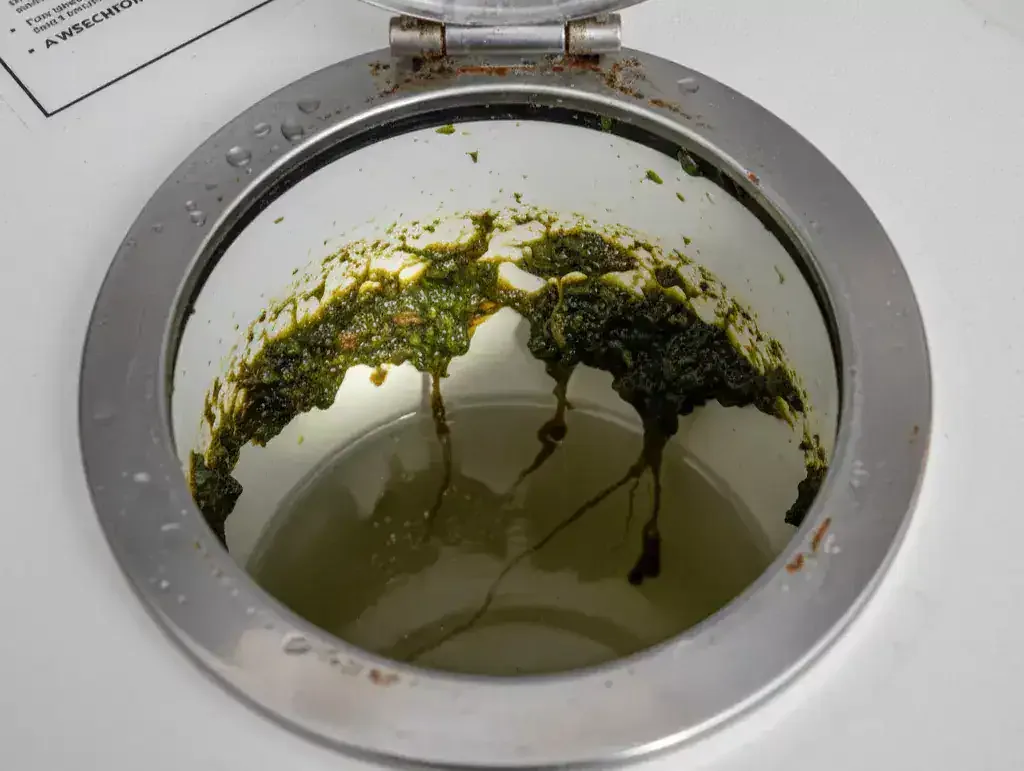
Image source: Bing (Web (fair-use with source credit))
Quick Answer
Clean the filter every two weeks. Empty and wash the tank weekly. Flush the drain line monthly.
Deep clean the coils and drain pan every three months. Match the fix to the smell. A musty odor means mold.
A sour smell means bacteria. A burning smell means unplug it immediately.
What That Smell Is Telling You (Diagnose First)
A musty smell means mold or mildew is growing inside the unit. The most common hiding spots are the water tank, the drain pan, and the evaporator coils. If you catch it early, it's an easy fix.
A sour or foot-like odor points to bacteria. That smell comes from stagnant water sitting in the tank or drain line for too long. Biofilm, a slimy bacterial layer, forms on wet surfaces.
It produces that unmistakable sour smell.
A burning plastic or electrical smell is different. That's not a cleaning issue. Unplug the unit immediately.
Check the cord, plug, and internal wiring. If the smell persists, stop using it and contact a professional.
A chemical smell from a new unit is normal. It's manufacturing residue burning off. Run it in a well-ventilated area for 24 hours.
If the smell lingers beyond that, check the filter and coils for residue.
Decision guide:
- Musty smell → Clean the tank, coils, and drain pan.
- Sour smell → Empty and sanitize the tank. Flush the drain line.
- Burning smell → Unplug and inspect. Do not run it.
- Chemical smell → Ventilate and wait 24 hours.
The Quick Fixes That Solve Most Smells (Filter, Tank, Drain)
Most dehumidifier smells come from three places. Check these first. They solve 80% of odor problems.
The air filter gets clogged with dust and mold spores. A dirty filter restricts airflow. Moisture sits on the coils longer.
That's a recipe for mold. Pull the filter out. If it's washable, rinse it with warm water and mild soap.
Let it dry completely before reinstalling. If it's disposable, replace it. Check your owner's manual for the correct size.
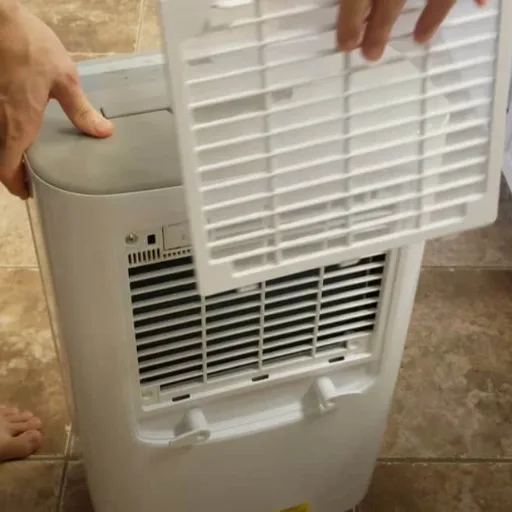
Image source: Bing (Web (fair-use with source credit))
The water tank is the most common source of odor. Stagnant water grows bacteria fast. Empty the tank.
Wash it with warm water and a few drops of dish soap. Rinse thoroughly. For stubborn smells, use a 1:1 white vinegar and water solution.
Let it soak for 15 minutes. Rinse well. Never use bleach on plastic tanks.
It can damage the plastic and leave a chemical residue.
The continuous drain line is the hidden culprit. If you use a hose to drain automatically, biofilm builds up inside the tube. Disconnect the hose.
Flush it with a vinegar solution. Use a pipe cleaner or thin brush to scrub the inside. Rinse with water.
Reconnect and run a short cycle.
The Deep Clean Workflow (Coils, Pan, and Hidden Gunk)
If the quick fixes didn't work, the smell is deeper. You need to clean the evaporator coils and the drain pan. These are the areas where moisture collects and never fully dries.
Unplug the dehumidifier first. Remove the water tank and the filter. Take off the front grille or cover.
Check your manual for the release clips. You'll see the coils. They look like a thin metal radiator.
Use a soft brush or a vacuum with a brush attachment to remove loose dust and debris. Do not bend the fins.
For the coils, use a commercial coil cleaner or a 1:1 vinegar and water solution in a spray bottle. Spray the coils lightly. Let it sit for five minutes.
Do not soak the electrical components. Wipe with a soft cloth. Rinse with a damp cloth and dry.
The drain pan is underneath the coils. It catches condensation. Mold and slime grow there.
Wipe it with a cloth soaked in vinegar solution. Use a small brush for corners. Rinse and dry.
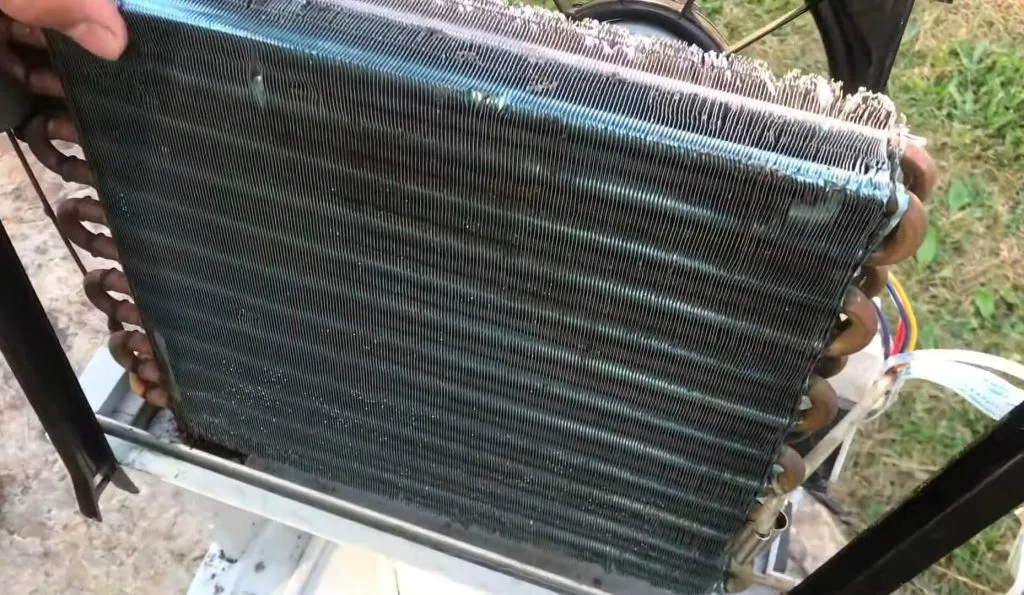
Image source: Bing (Web (fair-use with source credit))
Check the fan blades too. Dust and mold collect on them. Use a damp cloth to wipe each blade.
Be gentle. The fan assembly is fragile.
How to Keep It Fresh Long-Term (Prevention and Maintenance)
Prevention is easier than deep cleaning. A regular maintenance routine stops smells before they start.
Set a schedule. Empty the tank daily in humid spaces. Clean the filter every two weeks.
Do a deep clean every three months. In very humid climates, bump that to every two months.
Use a continuous drain if possible. It eliminates the stagnant water problem. Just remember to flush the drain line monthly.
Keep the humidity setting between 40% and 50% RH. Running it too low under 30% forces the unit to work harder. Excess moisture on the coils can lead to mold.
Check the EPA's indoor air quality guidelines for more on humidity control.
Place the dehumidifier away from walls and furniture. At least six inches of clearance on all sides. Good airflow means faster drying.
Less moisture on the coils means less smell.
If you store the unit for the off-season, clean it thoroughly first. Empty the tank. Dry the drain pan.
Remove the filter and store it separately. Cover the unit to keep dust out.
Common Mistakes That Make Things Worse (or Break Your Unit)
Some well-intentioned cleaning efforts ruin a dehumidifier. Avoid these mistakes.
Don't use bleach on the coils. Bleach corrodes aluminum. It damages the metal and voids the warranty.
Use vinegar or a commercial coil cleaner instead.
Don't soak the electronics. When cleaning the interior, keep liquids away from the control board, compressor, and wiring. Use a spray bottle for light misting.
Wipe immediately.
Don't run the unit without a filter. Even for a few hours. Dust and debris hit the coils directly.
They clog the fins and trap moisture. That's a fast track to mold.
Don't ignore the drain line. A clogged line backs up water into the unit. That water sits and grows bacteria.
Check the line monthly. Flush it with vinegar.
Don't use harsh chemicals on the plastic tank. Strong cleaners like bleach, ammonia, or hydrogen peroxide can crack the plastic over time. Stick with mild soap and vinegar.
Don't forget to dry everything before reassembly. Wet components breed mold. After cleaning, let the tank, filter, and drain pan air dry completely.
A few hours in a sunny spot works well.
When Cleaning Isn't Enough (Replace vs. Repair Decision Guide)
Sometimes a deep clean doesn't fix the smell. That's when you need to decide between repair and replacement. The choice depends on the unit's age and the root cause.
If the dehumidifier is over eight years old, replacement is usually the smarter move. Manufacturer specifications indicate a typical lifespan of five to ten years. After that, seals degrade, coils develop micro-cracks, and internal components trap moisture permanently.
A new unit with better antimicrobial coatings and energy efficiency will outperform an old repaired one.
If the smell returns within a week of a thorough cleaning, you likely have mold inside the insulation or foam lining. These materials are porous. They absorb moisture and odors.
They cannot be fully cleaned. Replacing the unit is the only reliable fix.
A compressor that hums but doesn't run, or a unit that cycles on and off rapidly, points to a mechanical failure. A repair technician can diagnose the issue. But the cost of labor and parts often exceeds half the price of a new unit.
Aggregate reviews suggest that users who replace rather than repair at this stage report fewer recurring problems.
Decision guide:
- Unit under 5 years old with a single clogged drain line → Repair.
- Unit over 8 years old with persistent odor → Replace.
- Mold inside internal insulation or foam → Replace.
- Compressor or refrigerant failure → Replace.
- Electrical issue under warranty → Repair through manufacturer.
Frequently Asked Questions
Why does my dehumidifier smell like feet?
That's a bacterial smell. Stagnant water in the tank or drain line breeds bacteria that produce a sour, foot-like odor. Empty the tank.
Wash it with vinegar solution. Flush the drain hose. Run a short cycle to rinse.
Can I use bleach to clean my dehumidifier?
Not on the coils. Bleach corrodes aluminum. It also damages plastic components over time.
Use white vinegar or a commercial coil cleaner for the coils. Mild soap and water work fine for the tank and drain pan.
How often should I clean my dehumidifier filter?
Every two weeks during heavy use. In moderate humidity, monthly is fine. A dirty filter restricts airflow and causes moisture to sit on the coils.
That leads to mold and that musty smell.
Why does my dehumidifier smell like burning plastic?
A burning plastic smell is a safety warning. Unplug the unit immediately. Check the cord, plug, and internal wiring for damage.
If the smell persists after cleaning dust off the coils, stop using it and contact a qualified technician.
Is it normal for a new dehumidifier to smell?
Yes. Manufacturing residue and dust on the coils can produce a chemical or plastic smell for the first 24 hours. Run it in a well-ventilated area.
If the smell continues beyond two days, check the filter and coils for residue.
Does a continuous drain prevent smells?
It helps significantly. A continuous drain line eliminates standing water in the tank. But biofilm can still build up inside the hose.
Flush the drain line monthly with vinegar to prevent bacterial growth and odors.