What Is a Dehumidifier Condensate Pump
Most people figure out they need a condensate pump the hard way. They set up a dehumidifier in a basement, run the drain hose to a floor drain, and everything works perfectly until they realize the dehumidifier has to sit three feet below the drain outlet. Gravity does not pull water uphill.
That is the moment you start asking what a dehumidifier condensate pump is and whether you need one.
The short answer is that a condensate pump is a small electric device that lifts collected water vertically so it can drain into a sink, laundry tub, or outdoor location. Per manufacturer specifications, most standard pumps can lift water 15 to 20 feet straight up. That changes everything about where you can place your dehumidifier.
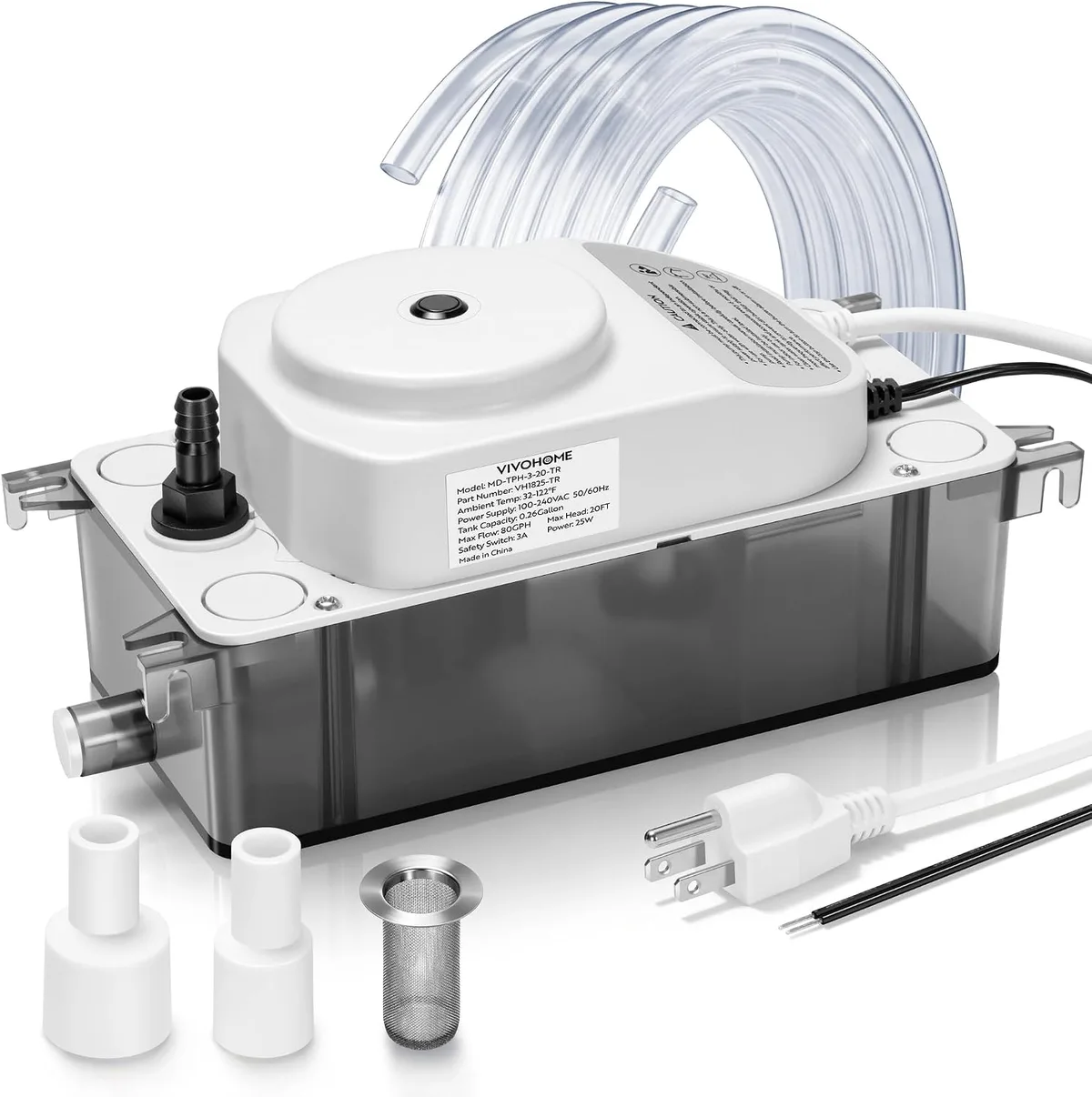
Image source: Bing (Web (fair-use with source credit))
Quick Answer
A condensate pump is a small electric pump that moves water upward. It collects condensation from a dehumidifier or AC unit. The pump pushes the water through a tube to a higher drain location.
It kicks on automatically when the water level rises. Gravity drainage needs a downhill path. A pump creates its own uphill path.
Why Gravity Drainage Falls Short and a Pump Becomes Necessary
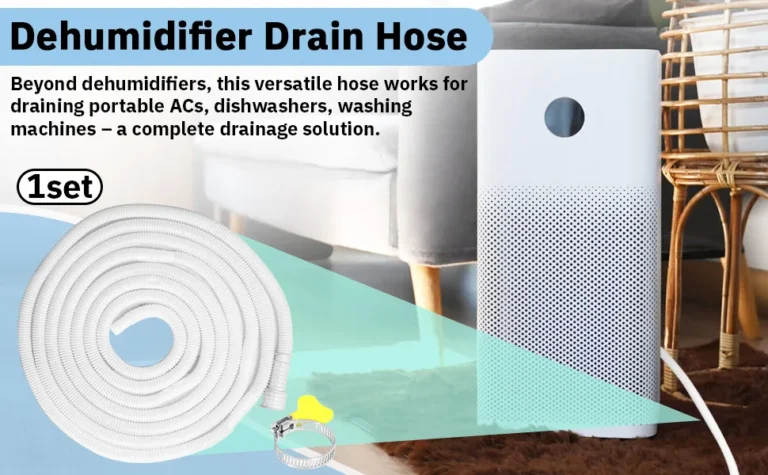
Every dehumidifier has a drain port on the back or side. You attach a standard garden hose or vinyl tubing, run it to a floor drain, and let gravity do the work. That setup is simple and reliable as long as the drain is lower than the dehumidifier.
But basements often have floor drains that sit at the same level or higher than the unit. Finished basements might not have a floor drain at all.
Here is the specific problem. The water in the drain hose needs a continuous downward slope. If the hose goes up even one inch, water stops flowing and backs up into the collection bucket.
The bucket fills, the dehumidifier shuts off, and you are back to manually dumping water. According to the US Department of Energy's Energy Star program guidelines, dehumidifiers that cycle off due to a full bucket lose 30 to 50 percent of their effective runtime.
A condensate pump solves this by creating positive pressure. The pump has a small tank that collects water. When the tank fills to a certain level, the pump activates and pushes the water up through a narrow discharge tube.
The tube can run up a wall, across a ceiling joist, and into a laundry sink or dedicated drain line. The pump handles the lift so gravity no longer matters.
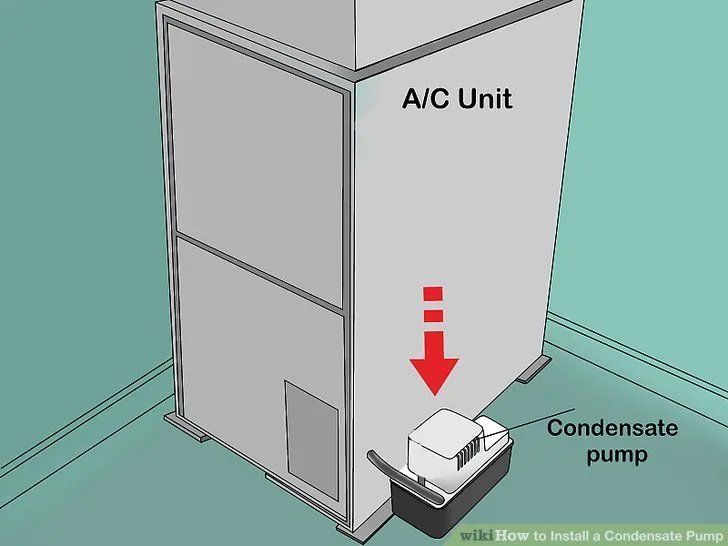
Image source: Bing (Web (fair-use with source credit))
What a Condensate Pump Actually Does and the Smartest Way to Think About It
Think of a condensate pump as a small electric bucket dumper. The pump body contains a plastic reservoir, a float switch, and a motor-driven impeller. Water drips into the reservoir from the dehumidifier's drain port.
The float rises with the water level. Once the float hits a preset height, it triggers the pump motor. The motor spins the impeller, which forces water up through a flexible discharge tube.
The pump continues running until the float drops back down and tells the motor to stop.
| Component | What It Does |
|---|---|
| Reservoir | Collects water from the dehumidifier drain line |
| Float switch | Detects water level and activates the pump |
| Impeller motor | Creates pressure to push water upward |
| Check valve | Prevents water from flowing back down the tube |
| Discharge port | Connects to the tubing that carries water to the drain |
The check valve is worth a closer look. Without it, water in the discharge tube would drain back into the reservoir every time the pump stops. The pump would cycle on and off constantly, trying to clear the same water over and over.
A good check valve prevents that short cycling.
Most residential condensate pumps can handle between 10 and 20 vertical feet of lift. Some heavy-duty models push water up 30 feet or more. The pump's rated lift capacity matters more than its tank size for most setups.
The Decision Tree: Do You Need an External Pump or a Built-In?
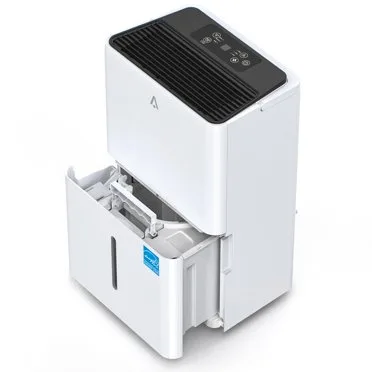
This is the most practical question for anyone shopping for a dehumidifier. Many modern dehumidifiers include a built-in condensate pump. Others rely on gravity drainage and require an external pump if you need to lift water.
If you already own a dehumidifier without a pump:
Check your setup. Can you place the unit above the drain with a continuous downhill slope? If yes, skip the pump.
If the drain is higher or the hose would need to run uphill, buy an external condensate pump. External pumps cost between 40 and 120 dollars depending on lift height and tank size. They connect to the dehumidifier's drain port with a short piece of tubing.
If you are buying a new dehumidifier:
Let your drain location decide. If you have a floor drain, a gravity drain unit is cheaper and simpler. If you need to run the drain up to a sink or through a wall, choose a dehumidifier with a built-in pump.
Built-in pumps add 50 to 100 dollars to the unit price but save you the hassle of installing an external pump later.
If you need to drain into a sink or utility tub:
This is a common basement scenario. The dehumidifier sits on the floor. The sink is mounted on the wall several feet up.
No gravity setup works here. You need a pump. Both built-in and external pumps handle this just fine.
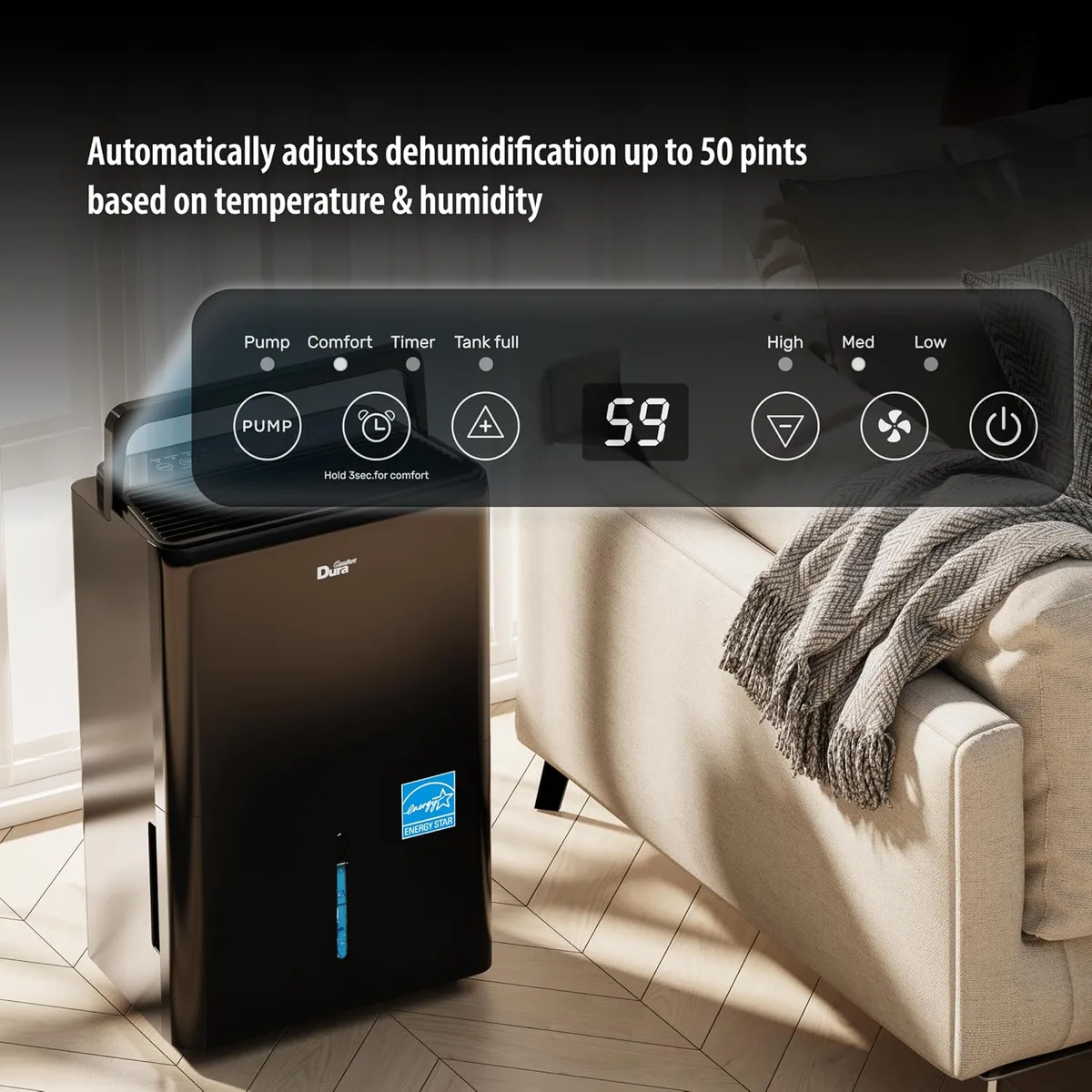
Image source: Bing (Web (fair-use with source credit))
If you plan to run the drain line through a wall or ceiling:
This requires a pump with a high lift rating. Look for a pump rated for at least 20 vertical feet. The discharge tube typically runs through a small hole in the wall, up to the joist space, and then over to a drain connection.
External pumps are easier to place in this scenario because you can mount them on the wall near the dehumidifier.
For a detailed look at models that come with built-in pumps, check out our guide to the best dehumidifier for your space. If you are specifically working with a basement setup, the best dehumidifier for basement page covers the pump options that matter most for below-grade rooms.
How to Install a Condensate Pump in Your Setup
Installing an external condensate pump is a straightforward DIY job. You need the pump, a length of clear vinyl tubing, a small screwdriver, and a zip tie or two. The whole process takes about 30 minutes.
Step 1: Position the pump
Place the pump on the floor next to the dehumidifier. The pump must sit level so the float switch works correctly. Most pumps have mounting holes on the back if you prefer to hang it on a wall.
Wall mounting is a good idea if you have pets or kids who might knock the pump over.
Step 2: Connect the drain line from the dehumidifier
Cut a short piece of tubing to run from the dehumidifier's drain port to the pump's inlet. The inlet is usually a barbed fitting on the top or side of the pump. Push the tubing onto the barb and secure it with a small hose clamp if the pump includes one.
Gravity feeds water from the dehumidifier into the pump reservoir, so the tubing should slope slightly downward.
Step 3: Run the discharge tube
The discharge tube runs from the pump's outlet to your drain location. Measure the distance and cut the tubing to length. Push the tubing onto the pump's outlet barb.
Run the tubing up the wall, across the ceiling, or directly to the sink. Use zip ties to secure the tube every few feet. Avoid sharp bends that could restrict water flow.
Step 4: Connect the power
Plug the dehumidifier into the pump's built-in outlet if the pump has one. Many condensate pumps include a pass-through outlet that powers the dehumidifier. When the pump detects a high water level, it cuts power to the dehumidifier to prevent overflow.
This is a safety feature that protects your floor from water damage.
Step 5: Test the system
Pour a pitcher of water into the dehumidifier's collection bucket or directly into the pump reservoir. The pump should activate within a few seconds and push the water up the discharge tube. Listen for the pump motor and check for leaks at the connections.
If the pump cycles on and off rapidly, the check valve may be installed backward or missing.
Common Mistakes That Will Ruin Your Setup
A few simple errors turn a condensate pump from a lifesaver into a headache. Here are the most common mistakes and how to avoid them.
Using the wrong tubing size
Most condensate pumps use 3/8-inch or 1/4-inch tubing for the discharge line. Using the wrong size causes the pump to work harder than necessary. Check the pump's manual for the recommended tubing diameter.
Smaller tubing creates more resistance and reduces the effective lift height.
Not installing a check valve
Some pumps come with a check valve built in. Others require you to install one in the discharge line. If your pump does not have a check valve, buy one and install it within a few inches of the pump outlet.
Skipping this step causes water to drain back into the reservoir every time the pump stops.
Running the discharge tube too far
The pump's lift rating applies to vertical height only. Horizontal runs add resistance. A 20-foot vertical lift rating drops significantly if you also run the tube 50 feet horizontally.
Keep the discharge path as short and straight as possible.
Mounting the pump above the dehumidifier
The pump must sit below the dehumidifier's drain port. Water flows into the pump by gravity. If the pump is higher than the dehumidifier, water never reaches the pump reservoir.
The dehumidifier fills up and shuts off.
Forgetting to clean the pump
Condensate water is not pure. It contains dust, mold spores, and minerals from the air. Over time, these build up in the pump reservoir and clog the float switch.
Clean the pump every two to three months by flushing the reservoir with a mixture of vinegar and water. This prevents the float from sticking and keeps the pump running reliably.
Condensate Pump FAQs
How does a condensate pump know when to turn on?
A float switch detects the water level inside the reservoir. As water rises, the float rises with it. Once the float reaches the preset trigger point, it activates the pump motor.
The motor pushes water up and out through the discharge tube.
Can I add an external pump to any dehumidifier?
Yes, as long as the dehumidifier has a drain port. Most portable and basement units include one. You connect a short length of tubing from the drain port to the pump inlet.
Gravity delivers the water. No permanent modification is required.
How high can a condensate pump push water?
Standard residential pumps lift water 15 to 20 vertical feet. Heavy-duty models reach 30 feet or more. Check the pump's specifications before buying.
Horizontal runs reduce effective lift, so keep the discharge path short and straight.
Why does my pump cycle on and off every few seconds?
This usually means water is flowing backward through the pump. A missing or faulty check valve is the most common cause. Water drains back from the discharge tube into the reservoir.
The pump then cycles repeatedly to clear the same water. Install a check valve near the pump outlet to fix it.
How often should I clean the pump?
Clean the reservoir every two to three months. Dust, mold spores, and minerals accumulate in the water. A vinegar and water rinse prevents the float switch from sticking.
This keeps the pump running reliably for years. Maintenance takes about 10 minutes each time.
Final Verdict: When a Pump Makes Sense and When It Does Not
The decision comes down to your drain location. If you can place the dehumidifier above a floor drain with a continuous downward slope, skip the pump. That simpler setup has fewer parts to fail and needs zero maintenance.
A pump makes sense when gravity will not cooperate. That includes finished basements without floor drains, laundry rooms with elevated sinks, and spaces where the dehumidifier must sit low. It also helps when you want to hide the discharge line by routing it through walls or ceiling spaces.
Our research suggests one more consideration. A built-in pump on a new dehumidifier is convenient, but it adds cost and one more component to break. External pumps are easy to replace without discarding the dehumidifier itself.
That tradeoff is worth thinking about before you buy.
Either way, measure your required lift height first. Confirm your drain connection type. And if you are shopping for a new unit, check whether the best dehumidifier for your space already includes a pump.
For below-grade rooms, the best dehumidifier for basement options often do.
A condensate pump is a small device that solves a very specific problem. Once you understand how it works and when you need one, the whole setup feels far less intimidating. Measure your drain situation, pick the right pump, and you will never haul a bucket of water upstairs again.