Why Is My Dehumidifier Drain Hose Not Working
If you're here asking why is my dehumidifier drain hose not working, you're about five minutes away from a fix. The good news is that this is rarely a major mechanical failure. It's usually something small: a kink, a clog, or a slope problem.
Manufacturer specifications indicate most gravity drain systems need a drop of at least 1/4 inch per foot from the drain port to the outlet. Even one shallow dip can trap water and stop the flow. Once you know which type of drain you own, the fix gets obvious.
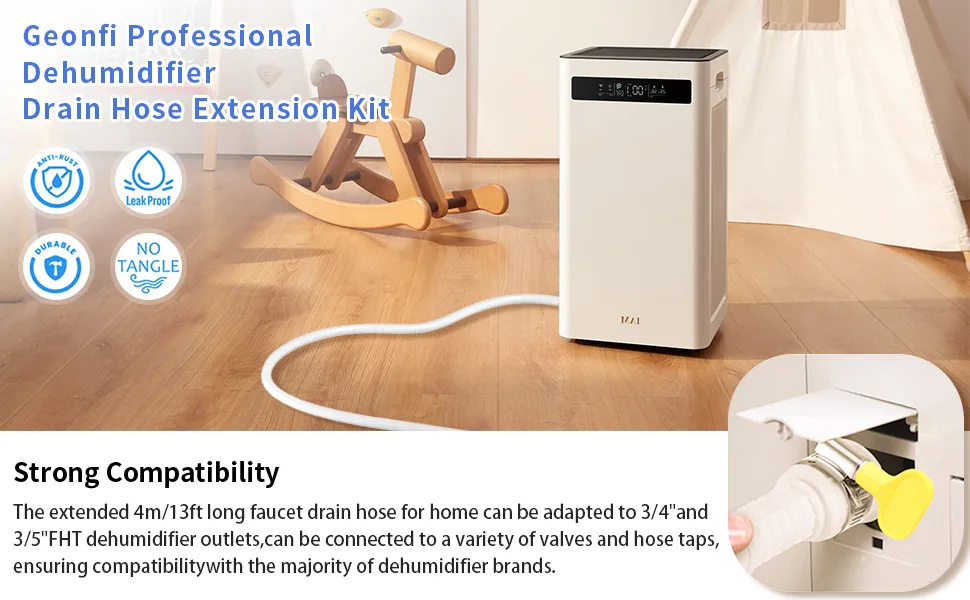
Image source: Bing (Web (fair-use with source credit))
Quick Answer: Why Your Dehumidifier Drain Hose Isn't Draining
It's usually a kink, a clog, or a slope problem. Gravity drains also fail when the hose end sits underwater. Pump models can fail even with a clear hose.
Check these three things first. As of 2026, this solves most cases.
How Dehumidifier Drain Hoses Actually Work: Gravity vs. Pump vs. Bucket
Every dehumidifier moves water out one of three ways. Knowing which one you have changes your troubleshooting.
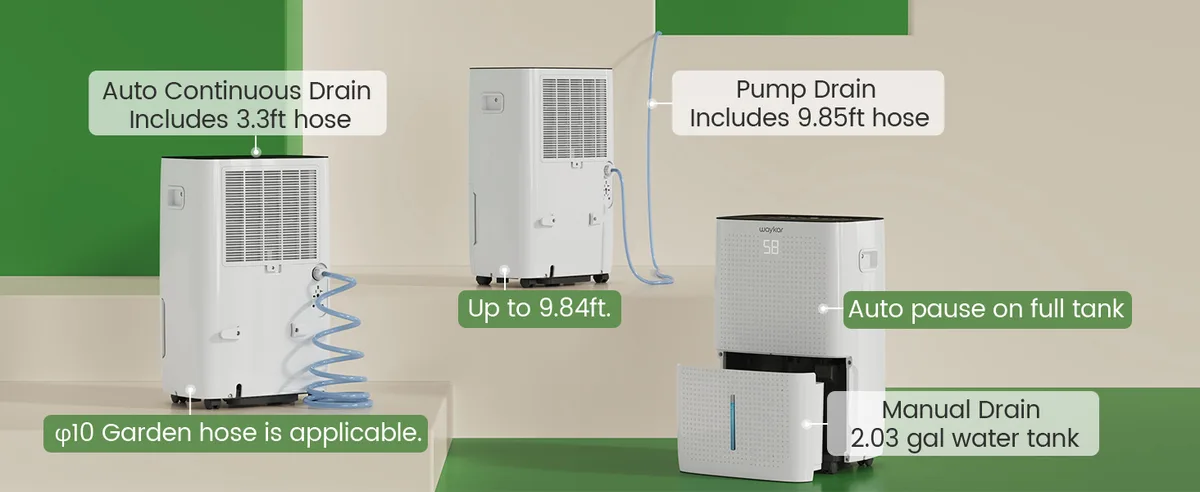
Image source: Bing (Web (fair-use with source credit))
- Gravity drain: Water flows downhill through a hose to a floor drain or sink. It needs a continuous downward slope.
- Pump drain: An internal condensate pump pushes water upward through a hose. The pump does the work, not gravity.
- Bucket mode: There's no hose at all. Water collects in a tank until you empty it.
Most portable units with a drain port let you switch between bucket and continuous drainage. The port is usually on the side or back. The manual labels it as "continuous drain."
If your unit has a pump, the hose can travel upward. If it doesn't, the hose must travel downhill for the full run. That distinction is the root of most confusion.
The U.S. Department of Energy provides energy efficiency guidelines for dehumidifiers. These standards help explain how drain systems factor into overall unit performance.
If you're comparing models, our best dehumidifier for basement guide covers which units handle long hose runs and pump lifts best.
The 2-Minute Diagnostic: Which Problem Are You Dealing With?
Most failures are easy to spot once you look in the right order. Don't pull the pump apart first. Start with the hose.
Diagnostic Check Table
| Check | What to Look For | What It Means | | Kink | Sharp bend or flat fold in the hose | Water can't pass through | | Slope | Low spots or uphill sections | Water pools and air-locks | | Clog | Discolored water or a hose that won't clear | Algae, slime, or mineral scale blocking | | Ice | Rigid, cloudy, cold hose | Frozen condensation inside | | Submerged end | Hose tip sitting in drain water | Back pressure blocks gravity flow | | Pump | No humming sound when unit runs | Pump motor, float switch, or check valve issue |
Use this as a decision tree:
- If you find a kink, straighten the hose and run a cycle.
- If the hose has low spots, reroute it with a steady slope.
- If nothing looks wrong, move on to the pump checks.
Fixing Gravity Drain Problems: Slope, Kinks, and Clogs
Once you know the hose is the problem, grab a towel and start here. These are the usual fixes for gravity drain systems.
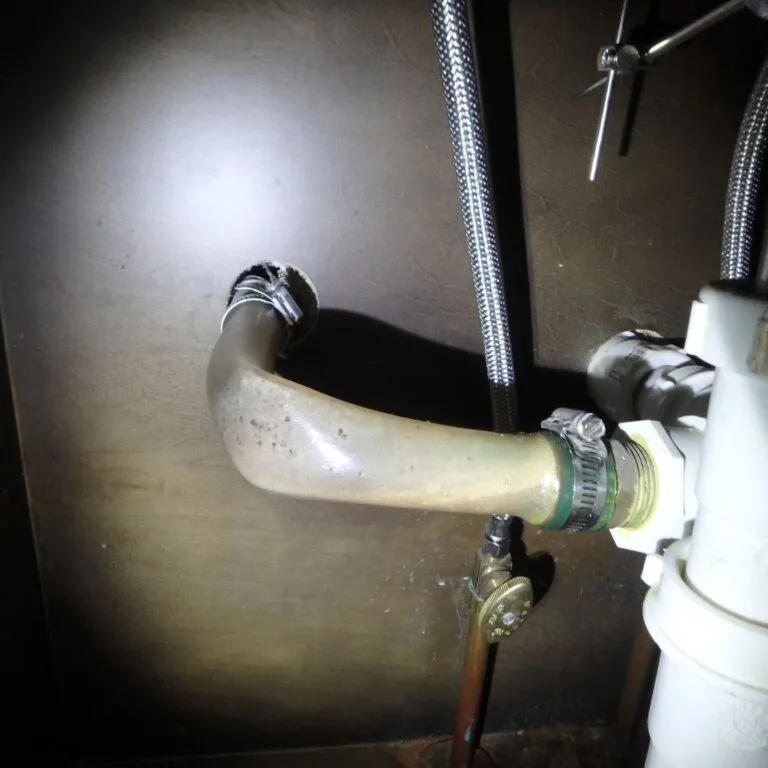
Image source: Bing (Web (fair-use with source credit))
- Disconnect the hose from the drain port. Make sure you removed the plastic shipping plug from the port first.
- Flush the hose with water. If water runs through freely, the hose is clear.
- Clear clogs with vinegar or hydrogen peroxide. Let it sit for 15 to 30 minutes, then flush again.
- Reroute the hose with a steady downward slope. Aim for at least 1/4 inch of drop per foot.
- Keep the hose end above the standing water in the drain. A submerged tip creates back pressure that stops gravity flow.
- Shorten the hose if the run is over 15 to 20 feet. Long runs add friction and turn into air locks.
If water sits in the line, lift the hose above the unit and let it drain out. That releases the trapped air. If the hose feels stiff or looks cloudy after cleaning, replace it with a reinforced PVC hose.
Clear vinyl gets brittle and cracks after a year or two.
University cooperative extension programs also recommend cleaning drain lines before seasonal storage. A quick flush now saves you from algae buildup later.
Fixing Pump-Model Drain Issues: When the Motor Is the Problem
If the hose is clear, sloped, and still dry, the problem shifts to the pump. Pump-equipped units are common as of 2026. Here is what to check.
- Listen for a hum right after the bucket fills or during a defrost cycle. No hum means the pump motor, float switch, or wiring may be dead.
- A hum with no water means the pump impeller, outlet, or check valve is blocked. The check valve is a one-way flap that stops water from flowing backward.
- Check the pump head height. Internal pumps usually lift water 10 to 20 feet. If your hose rises higher than that, the pump can't push it.
- Look for a stuck check valve. A little mineral deposit can hold it closed and leave you with a full bucket.
If the unit is under warranty, don't open the pump housing. Contact the manufacturer's support team instead. If your model only has a gravity port but you need to drain uphill, an external condensate pump is the correct workaround.
It sits between the dehumidifier and the drain. It adds the lift your setup needs.
Cold Basements and Frozen Hoses: A Preventable Winter Problem
If your dehumidifier runs in an unheated basement during winter, a frozen hose is a real possibility. The hose doesn't need subzero air. It just needs to stay below 40°F for long enough that the water inside turns to ice.
Here is how to spot it. The hose feels rigid and cold. No water comes out of the drain end.
The bucket may fill normally because the pump or gravity can't push through the ice block.
The fix is simple. Disconnect the hose from the drain port. Bring it inside to thaw.
Once water runs freely, reattach it. Then wrap the hose with pipe insulation foam. You can find it at any hardware store for under $10.
Longer runs are more prone to freezing. If your hose travels across a cold concrete floor, the ground temperature can freeze the water inside even if the room air feels mild. Raising the hose off the floor helps.
So does switching to a reinforced rubber hose. It resists freezing better than thin clear vinyl.
If you don't plan to run the unit in winter, disconnect the hose and drain the unit completely. Store the hose indoors. A cracked hose from a freeze is a leak waiting to happen.
FAQs: Dehumidifier Drain Hose Troubleshooting
What size hose does my dehumidifier need?
Most dehumidifiers use a 3/8 inch or 5/8 inch hose. Check your manual. The drain port size determines the diameter.
Using a smaller hose creates back pressure. Using a larger hose can cause leaks at the connection.
How often should I clean the drain hose?
Clean it every three months if you live in a humid climate. Every six months is fine for drier areas. Algae and slime build up faster in warm, dark hoses.
A flush with white vinegar or hydrogen peroxide clears it.
Can I use a garden hose instead of the included drain hose?
Only if your dehumidifier has a pump. Gravity drain units cannot push water upward. A garden hose adds too much friction for gravity flow.
For pump models, check the manufacturer's adapter requirements first.
Why does my hose work fine for days and then stop?
This usually points to an intermittent problem. The most common cause is a hose that shifts out of position and develops a low spot. Another possibility is a small air lock that clears when the unit cycles off and then returns.
Should I replace the hose if it looks cloudy?
Yes. Cloudy clear vinyl hose has mineral buildup inside. That buildup restricts flow and traps algae.
Replace it with a reinforced PVC hose. It costs about $10 for a 20-foot length and lasts longer.
Will a longer hose reduce water flow?
Yes. Every foot of hose adds friction. For gravity drains, keep the run under 15 to 20 feet.
For pump models, check the pump head height rating. Exceeding that rating stops the pump from pushing water.
The Final Fix: A Simple Decision Guide to Getting Drainage Working Again
If the hose is kinked, straighten it and secure it with a cable tie or hose clip. Run a test cycle.
If the hose has low spots, reroute it with a steady downward slope of at least 1/4 inch per foot. Use adhesive cable mounts to hold it in place.
If the hose is clogged, flush it with vinegar or hydrogen peroxide. If it stays cloudy, replace it.
If the hose is frozen, thaw it and insulate it. If you see cracks, replace it.
If the hose end sits in standing water, lift it out. Attach a hose hanger or clip to keep the tip above the drain water level.
If the hose is clear, sloped, and warm, but the unit still doesn't drain, the problem is inside the dehumidifier. Check the pump on pump models. Confirm the drain port is open and the shipping plug is removed.
If the pump hums but doesn't move water, the check valve or impeller may be blocked.
If nothing works, the internal pump may be dead. Contact the manufacturer's support team. If the unit is out of warranty, an external condensate pump is a reliable workaround.
You now know exactly why your dehumidifier drain hose is not working and how to fix it. If you're shopping for a new unit, our best dehumidifier for basement guide covers models with strong pump systems and easy-access drain ports. For a broader look at options, the best dehumidifier page compares top-rated units by capacity, pump height, and hose compatibility.