Why Does My Dehumidifier Fill up so Quickly
You're probably here because you're tired of lugging that water bucket to the sink twice a day. The short answer to why does my dehumidifier fill up so quickly is usually one of three things: the room is bigger than the unit can handle, the air is extremely humid, or something about the setup is forcing it to run non-stop. The good news is that most causes are easy to fix once you know what to look for.
Manufacturer specs for portable dehumidifiers, as of 2026, rate pint output at a steady 60% relative humidity and 80°F. That means a 30-pint unit can pull about 1.25 pints per hour in perfect test-room conditions, but your actual house will change that number. Let's break down the three biggest factors.
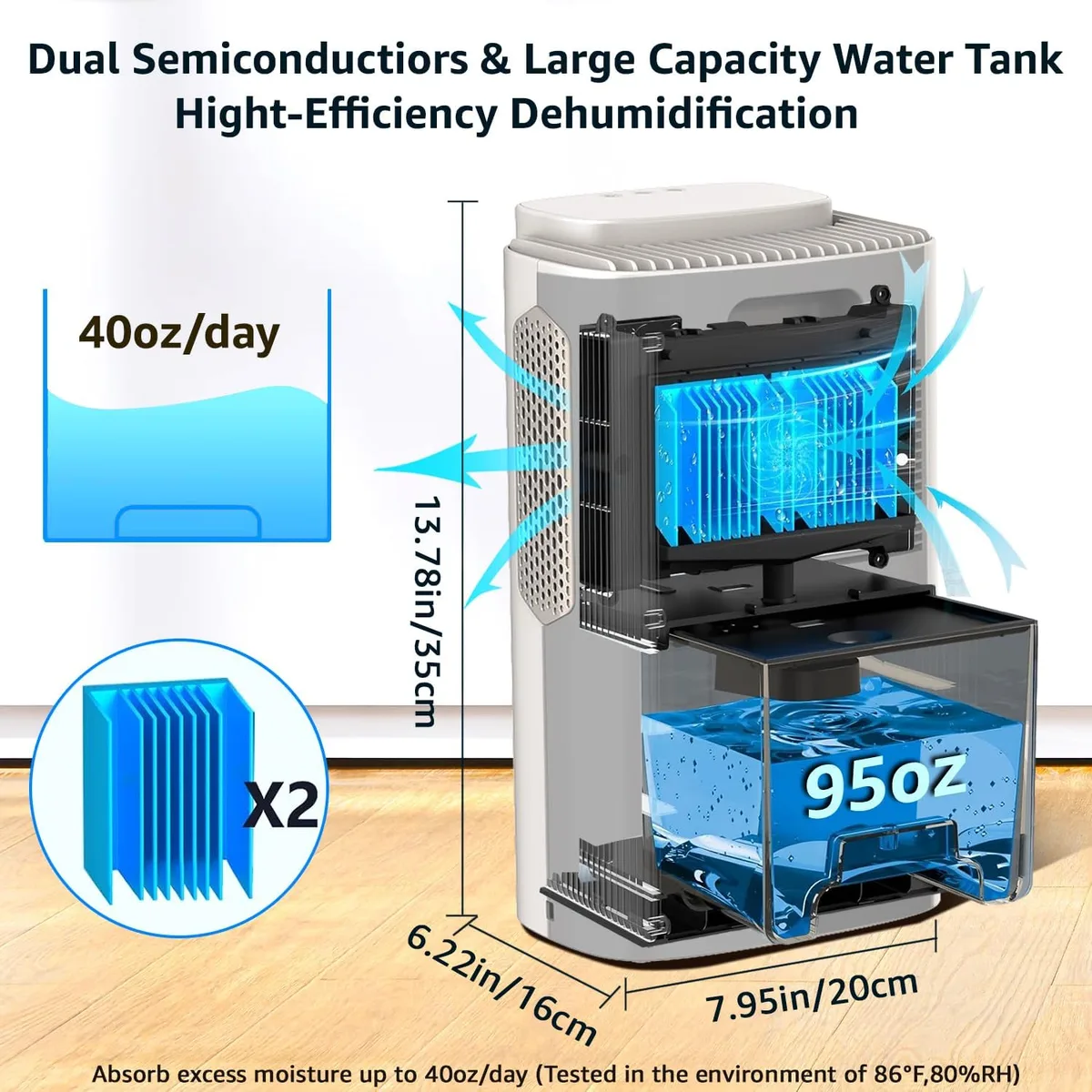
Image source: Bing (Web (fair-use with source credit))
Quick Answer
Your dehumidifier fills up so quickly because it's pulling more moisture than expected. Condenser coils collect water whenever indoor humidity sits above your target. A small tank or an undersized unit shortens fill time.
Check the room size and settings first.
The 3 Real Reasons Behind Fast Fill-Ups (Room Size, Humidity Level, Setup)
Three big factors control how fast the bucket fills. If you understand these, you can skip the guessing and solve the actual problem.
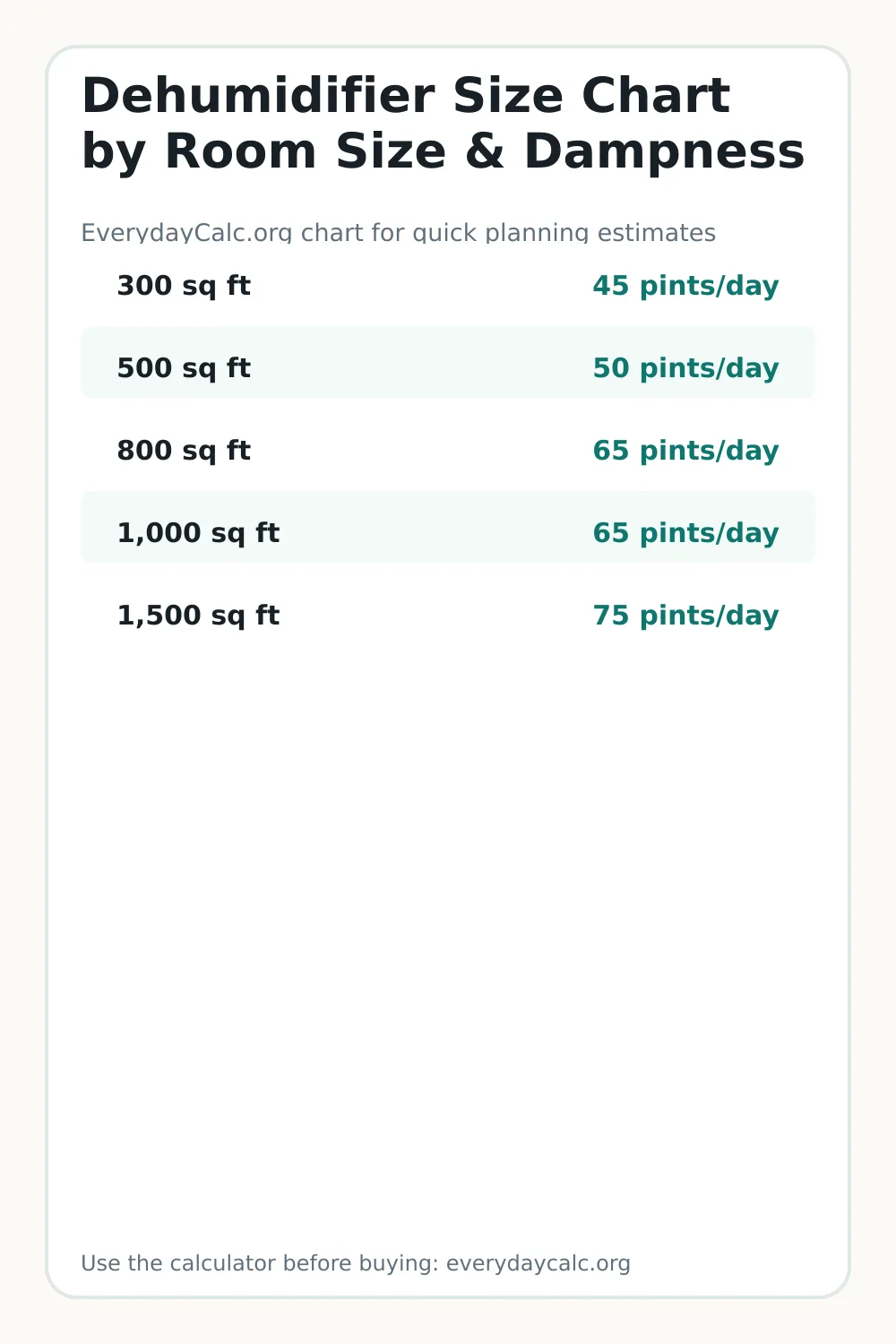
Image source: Bing (Web (fair-use with source credit))
Room size vs. unit capacity. A 30-pint portable is rated for about 1,500 square feet in ideal conditions. Put that same unit in a 2,500-square-foot basement and it runs constantly, pulling water just to keep up. It's not broken, it's undersized.
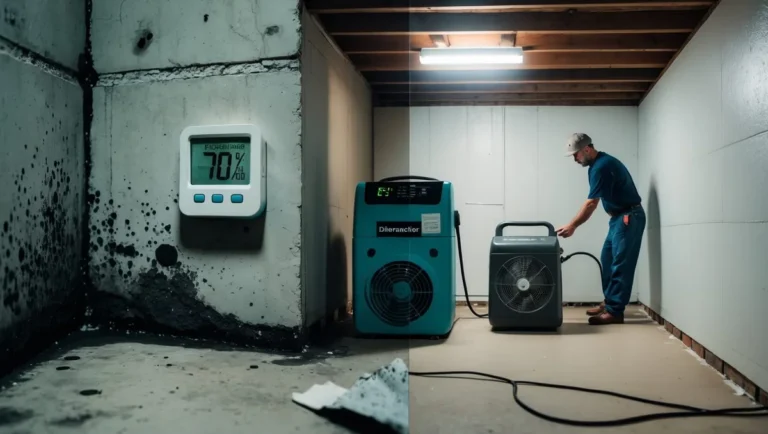
High relative humidity. The EPA recommends keeping indoor relative humidity between 30% and 50%. If your space sits at 70% or above, the unit works much harder. Heavy rain, drying laundry, or a damp crawl space can push humidity that high for days.
Poor setup or airflow. A dehumidifier needs breathing room. When it's wedged against a wall or a couch, air recirculates instead of drying the room. The compressor runs longer, and the tank fills faster.
Check your room size first. That single number tells you more than any other diagnostic.
Use This Quick Checklist to Pinpoint the Exact Culprit
Work through this in order. Each answer points to a different fix.
- Measure the room. Multiply length by width and compare it to the pint rating on your unit's label.
- Read the humidity on your hygrometer. Anything above 60% means the air is your main problem.
- Look outside. Heavy rain, fog, or a humid forecast all make the unit pull more water.
- Feel around the machine. If the intake side is clogged with dust, airflow is choked.
- Watch the compressor cycle. If it never shuts off, the unit either can't reach the target or the target is too low.
If you checked yes to two or more, don't panic. The next section walks you through the fix. The key is recognizing that "fast fill" is a symptom, not a malfunction.
The Fix: What to Change Based on Your Situation
Once you've spotted the likely cause, pick the matching fix. Use the table below as a quick reference.
| Situation | Change this | Why it works |
|---|---|---|
| Room too large | Move unit to one central zone or upgrade to a higher-pint model | The unit stops running constantly once it can actually reach the target humidity |
| Humidity above 60% | Run unit continuously until humidity drops, then switch to auto | Continuous mode removes the excess water faster than auto mode |
| Unit near a wall or furniture | Keep at least 12 inches of clearance on all sides | Better airflow means the machine cycles off instead of overworking |
| Dirty filter | Wash or replace the pre-filter | Clean filters keep air moving and coils from freezing |
| Bucket fills in record time | Connect a continuous drain hose if your model supports one | No more emergency emptying during the night |
If your unit still fills up fast after trying these, look for a hidden moisture source. A leaky pipe, a damp sump pit, or wet carpet can add gallons of water to the air every day.
Common Mistakes That Make the Problem Worse
People accidentally make fast fill-ups worse in a few predictable ways. Avoid these and your unit will actually catch up.
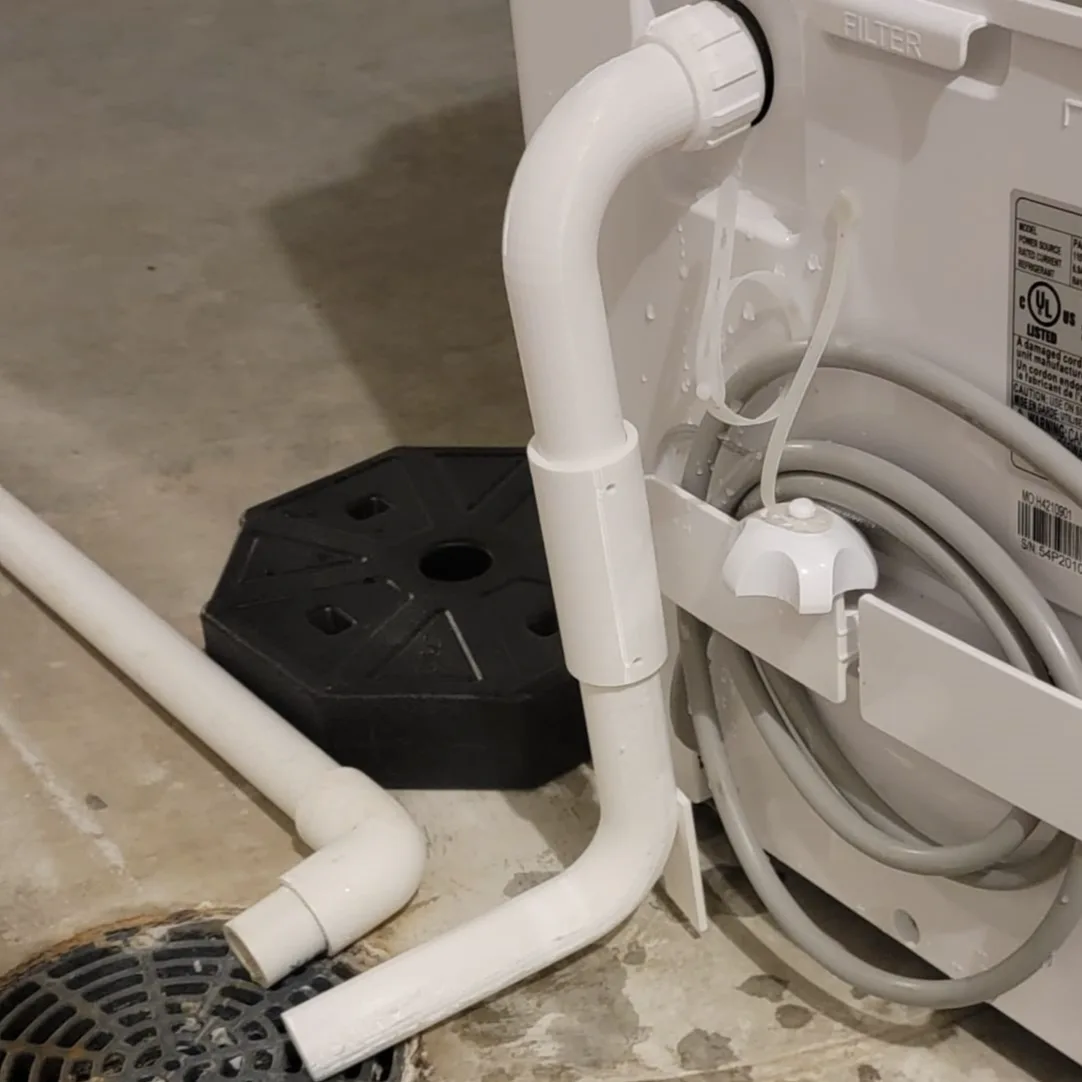
Image source: Bing (Web (fair-use with source credit))
Setting the target too low. 35% feels nice, but your unit will run forever trying to get there. Set it to 50% for most homes and 45% if you notice musty smells.
Ignoring the filter. A dusty filter restricts airflow. The coils get cold, frost forms, and water output drops or drains unevenly.
Opening windows and doors. You're basically inviting outdoor humidity right back inside.
Running the unit in a cold space. Compressor-style dehumidifiers struggle below 40°F. In a cold basement, they ice up and slow down, so water takes longer to collect and the bucket might never fill properly.
Watching the bucket instead of the humidity. The tank level tells you how fast water has been removed. The humidity reading tells you whether the unit is winning. Keep your eye on the latter.
Real Scenarios: When Fast Fill-Up Is Actually Normal
Sometimes the bucket draining quickly means the machine is doing its job. A few situations naturally produce a heavy water flow, and none of them indicate a faulty unit.
First-time use in a very damp room. If you just moved a dehumidifier into a space that's been closed up for months, expect an aggressive fill rate. The unit is stripping years of moisture out of walls, carpet, and furniture during the first few days.
Rainy season. Groundwater infiltration and high outdoor humidity keep indoor air saturated. Even a correctly sized unit will cycle more often during a multi-day storm. That's the machine keeping the space livable.
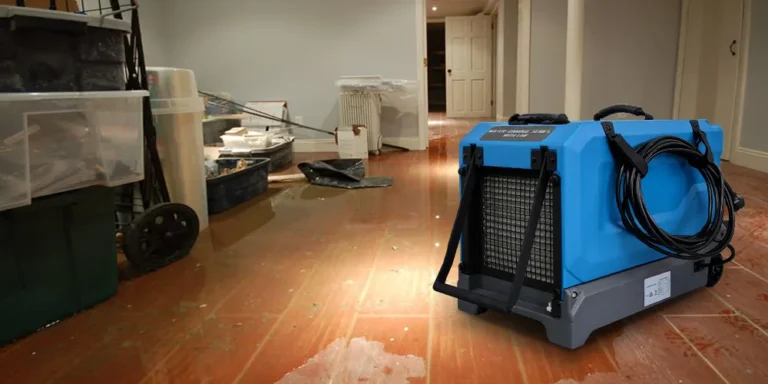
After a leak, flood, or spill. Drywall, wood framing, and insulation trap water and release it slowly into the air. You'll see a full tank for days or weeks after the visible water is gone.
Laundry days. Each load of clothes dried indoors adds about a pint of moisture to the air. If you're drying three loads, that's three extra pints your unit has to remove.
High occupancy. People, pets, and plants all release moisture. A home with four residents and a dozen houseplants will naturally produce more condensate than an empty space.
The real sign of a healthy unit is a downward humidity trend. If the bucket fills fast but the hygrometer reading drops over a few days, let it run. If the humidity holds steady at 70%, you've got a different problem.
Frequently Asked Questions
How high should I set the humidity target?
Set it between 45% and 50% for normal use. That's enough to prevent mold and musty smells without forcing the compressor to run constantly. Aim for 35% to 40% only if you're drying out a space after a leak.
Will a larger bucket fix the problem?
A bigger bucket gives you more time between empties, but it won't make the unit remove less water. The humidistat and the room's moisture load control how often the machine cycles. If you want truly hands-off operation, connect a continuous drain hose.
Does a dehumidifier use a lot of electricity?
Typical portable units draw between 500 and 800 watts, depending on the pint rating. That's comparable to a small window air conditioner. With Energy Star models, current units run even more efficiently.
Can I leave my dehumidifier on all day?
Yes, if the unit has an auto-defrost feature and you keep the bucket clean. For daily use, set it to auto mode so the compressor cycles off when the humidity target is reached. This reduces wear on the motor and keeps energy bills low.
What should I do if the tank fills even faster after all troubleshooting?
If the tank fills in under two hours and the humidity stays high, there's likely a hidden moisture source. Check for leaking pipes, a wet crawl space, or a failing sump pump. Sealing those sources is the only real fix.
Final Verdict: Keep It, Move It, or Upgrade It
Start with the free fixes before spending a penny. Move the unit to a central open spot and give it a foot of clearance. Wash the filter and set the target to 50%.
If the fill rate slows down over a few days, the machine was fine and your setup was the culprit.
If the tank still fills fast after that, the unit is probably undersized. Compare your room's square footage to the pint rating on the label. A basement that's 2,000 square feet with carpet and cinder block walls needs at least a 50-pint model.
If you're running a 30-pint unit there, it will never catch up.
Upgrading to a bigger unit or one with a built-in pump is worth it for high-moisture spaces. The pump lets you drain into a sink or laundry tub automatically, eliminating the bucket entirely. It's more upfront cost, but it buys back the daily chore of emptying that tank.
At the end of the day, a fast-filling dehumidifier is a symptom, not a sickness. Check the room size, hunt for extra moisture, and give the unit room to breathe. Once you match the machine to the space, the bucket only needs attention when you walk by it.